

Kerala Muslim Malabar Mapila Community
A community for Kerala's Malabar Mappila Muslims to connect, explore DNA ancestry, trace family histories, discover genetic heritage, and preserve their unique cultural identity.
The Mappilas of Malabar
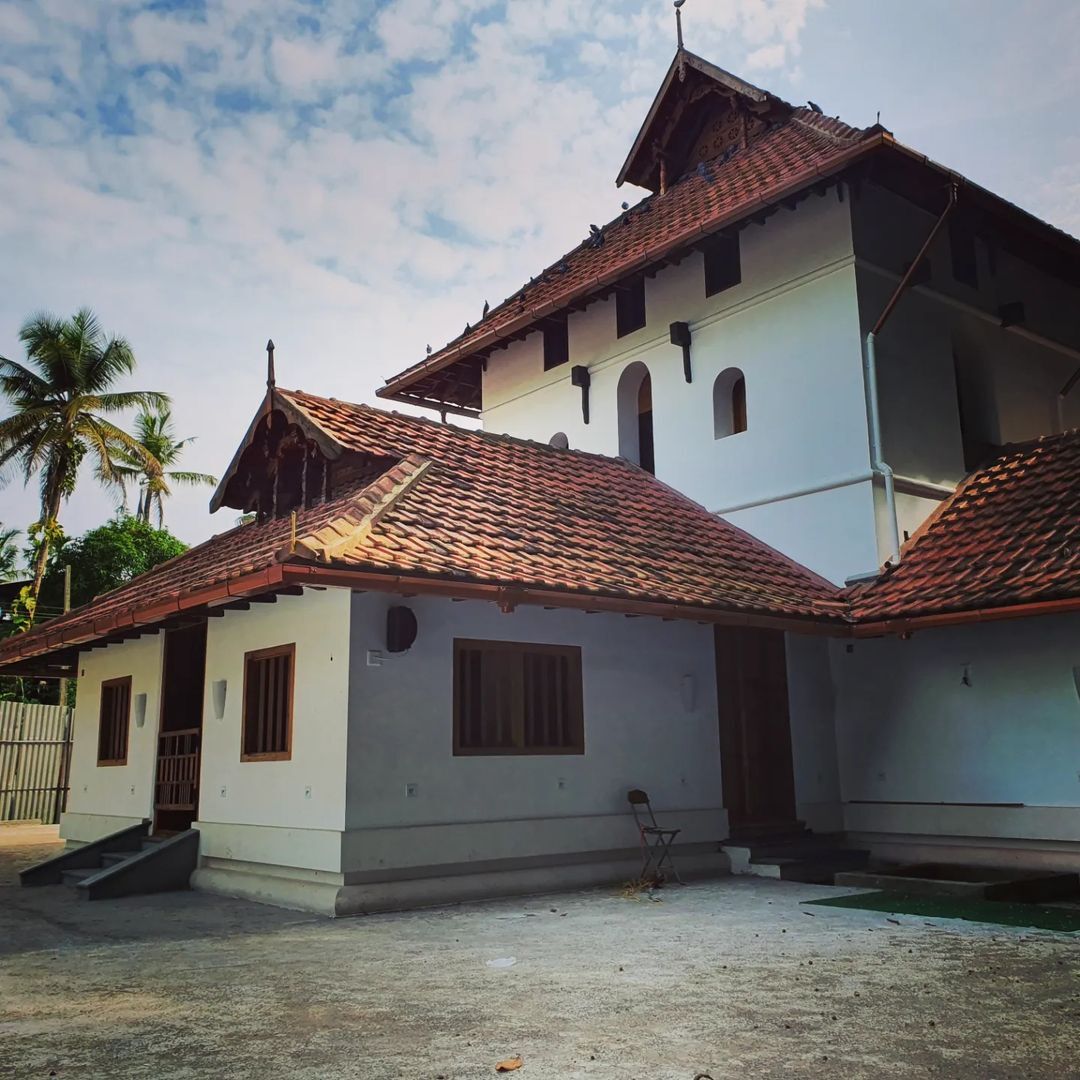
History, Culture, and Heritage of Kerala's Muslim Community
A community profile covering origins, history, social structure, customs, cuisine, arts, and legacy
1. Introduction: Who Are the Mappilas?
The Mappilas, also spelled Moplah or Māppila, are the largest Muslim community in Kerala. They are concentrated along the historic Malabar Coast in the northern districts of Malappuram, Kozhikode, Kannur, Kasaragod, and Wayanad, with a related population on the Lakshadweep islands. Numbering roughly six million as of the 2011 Census, they are considered India's oldest settled, indigenous Muslim community, with a documented presence on the Malabar Coast going back well over a thousand years.
The community grew out of Kerala's long history as a hub of the Indian Ocean spice trade. Centuries of contact with Arab, Persian, and other West Asian merchants, combined with conversions among local Hindu families and intermarriage between traders and Malabar women, produced a community that blends Dravidian Kerala custom with West Asian and Islamic influence. That blend shows up today in the community's language, cuisine, architecture, music, and everyday social life, and it's part of what makes Mappila culture one of the more historically layered Muslim traditions anywhere in South Asia.
This profile looks at the community's origins and early history, its internal social structure, its language and literary tradition, its customs and cuisine, its distinctive art forms, and its modern diaspora and public life.
2. Origins and Early History
2.1 Early Arab Contact and the Spice Trade
Kerala's role in Indian Ocean commerce predates Islam by a long stretch. Arab, Persian, and other West Asian traders had been visiting Malabar ports for centuries in search of black pepper, cardamom, and other spices, and small West Asian merchant communities existed in port towns such as Kodungallur, Kollam, and Kozhikode from at least the early centuries of the Common Era. Most historians see this existing trade network as the channel through which Islam reached Kerala, within just a few decades of the faith's founding in Arabia.
2.2 Community Tradition and the Cheraman Perumal Legend
A well-known local legend, preserved in the Arabic manuscript Qissat Shakarwati Farmad, holds that the last ruler of the Chera dynasty, the Cheraman Perumal, travelled to Arabia, converted to Islam during the Prophet Muhammad's lifetime, and sent the missionary Malik ibn Dinar back to Malabar to establish mosques. Tradition credits Malik ibn Dinar with founding the Cheraman Juma Mosque at Kodungallur, popularly regarded as one of the earliest mosques in the Indian subcontinent, along with a chain of mosques further along the coast. Mainstream historians tend to view the Perumal conversion story as largely legendary, but within the community it's treated with real reverence as a founding narrative, and the mosques themselves are genuinely ancient religious sites regardless of how the legend is read.
2.3 Epigraphic and Documentary Evidence
Independent of the legend, there's solid documentary evidence for an early and continuous Muslim presence in Kerala. The Quilon Syrian Copper Plates (around 883 CE) record Arabic, Persian, and Judaeo-Persian signatures among the witnesses to a royal land grant, showing that Muslim, Christian, and Jewish merchant communities were already woven into Kerala's trading guilds by the ninth century. Tenth and twelfth century inscriptions at the Koyilandy and Muchundi mosques record donations and patronage from local Hindu rulers to Muslim congregations, and the Madayi Mosque preserves a copper inscription dated to 1124 CE. Arab geographers and travellers, including Ibn Battuta in the fourteenth century, described substantial and prosperous Muslim trading communities across Malabar's port cities.
2.4 Growth Through Conversion
From roughly the sixteenth through the twentieth centuries, the Mappila population grew considerably through conversion, particularly among lower-caste and socially marginalised Hindu groups in interior Malabar. Historians such as Stephen Dale trace this to the comparatively egalitarian character of Muslim merchant society, set against the rigidity of Kerala's traditional caste system, along with intermarriage between Arab and other Muslim traders and local women, especially within fishing and maritime communities. As Middle Eastern merchants gradually withdrew from direct trade after the Portuguese arrived in 1498, many Mappila families shifted from commerce toward agriculture, land tenancy, and inland settlement, especially in the South Malabar interior.
2.5 The Portuguese Period and Maritime Resistance
The Portuguese arrival disrupted the long-established, largely peaceful trading arrangements between Malabar's Muslim merchants and the region's Hindu rulers. Portuguese attempts to monopolise the spice trade through naval force led to sustained conflict with Mappila traders and their Arab and Ottoman allies, most famously under the Kunjali Marakkar admirals, who led Calicut's naval resistance to Portuguese power through the sixteenth century. Over time, the community's earlier urban, mercantile character gave way to a more rural profile, as many Mappilas became small traders, tenant farmers, or fishermen.
2.6 The Colonial Period
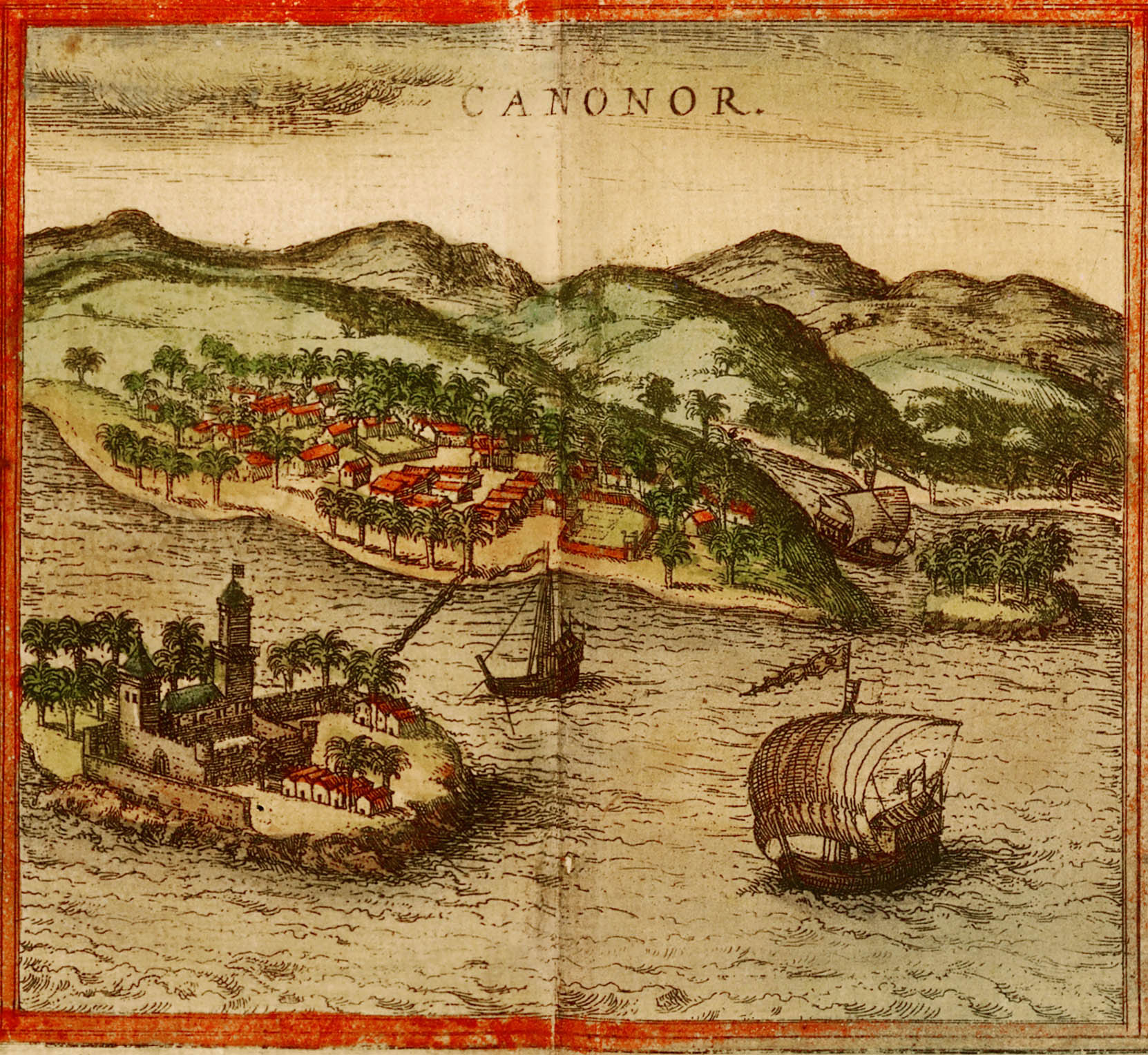
Under British rule, an unfair land-tenure system in Malabar left many Mappila cultivators without secure land rights, and that grievance fed into a series of agrarian and religious disturbances known as the Mappila Outbreaks (roughly 1836 to 1921). This period culminated in the Malabar Rebellion of 1921 to 1922, a major and complicated uprising against landlordism and colonial authority in South Malabar. It began with some support from figures in the Indian National Congress before it was suppressed by the colonial government. In the decades that followed, the community turned its attention to educational and social reform, and Mappila leaders became active participants in Kerala's mainstream political life.
3. Social Structure Within the Community
Mappila society historically included several status groups, shaped by intermarriage, migration, and the different routes by which families entered the community:
- Thangals (Sayyids): families claiming descent from the Prophet Muhammad's lineage, traditionally held in high social and religious regard and often serving as spiritual guides.
- Arabis and the landed aristocracy of North Malabar: families tied to early Arab settlement and, in areas such as Cannanore (Kannur), converts from prominent Hindu families who kept their landed status.
- Koyas (Keyis): an urban merchant elite historically prominent in coastal towns such as Kozhikode, associated with trade and civic leadership.
- Cultivators and artisans of the interior: the majority of the community, descended largely from Hindu converts of varied caste backgrounds across South and North Malabar.
- Occupational communities such as the Ossans and Pusalars: smaller groups historically linked to particular trades, with the Pusalars tracing back to conversion among Mukkuvar fishing families.
Genealogy, marriage patterns, and regional origin traditionally shaped social standing within these groups, though all of them worship together in Kerala's mosques, and modern education and economic change have softened many of these older distinctions.
4. Genetics and Ancestry
Population genetics research on Kerala's communities adds another angle on the Mappilas' mixed origins: a mostly local population carrying a real, if modest, West Asian genetic contribution.
4.1 Paternal (Y-DNA) Lineages
Several published studies report a higher frequency of West Asian paternal haplogroups, particularly J1 and J2 (associated with the Arabian Peninsula and the wider Fertile Crescent), among Mappila men compared with most other Kerala communities. A widely cited 2009 study on Indian Muslim populations, published in the European Journal of Human Genetics, documented Middle Eastern-linked lineages among Kerala Muslim samples alongside a substantial base of indigenous South Indian haplogroups such as H, L, and R2. Communities closest to historic Arab trading ports, such as Kozhikode and Ponnani, tend to show a somewhat stronger West Asian signal than inland Mappila populations, which lines up with the geography of the historical trade.
4.2 The Overall Ancestry Picture
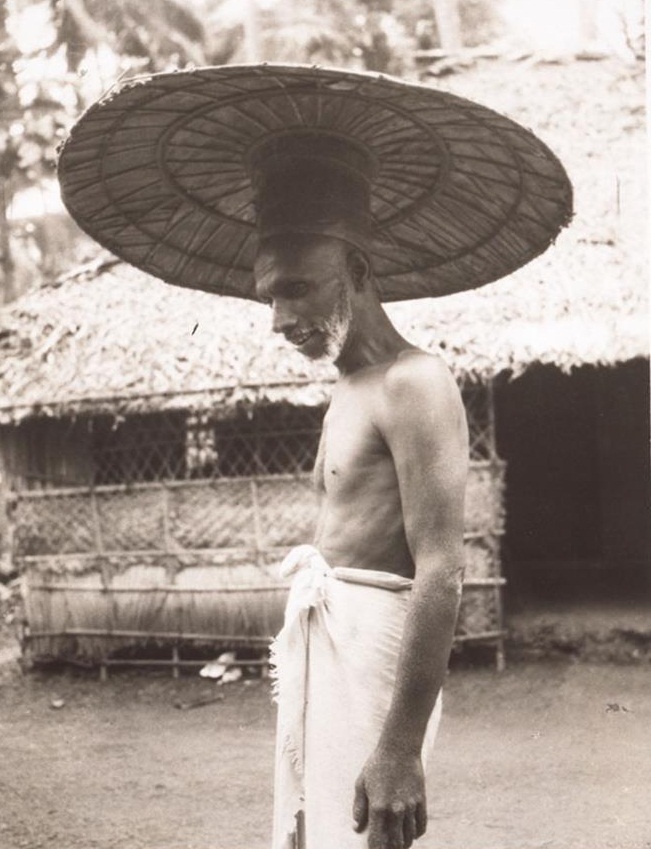
Consumer genomics data and academic surveys point to a similar overall picture: Mappila ancestry is mostly South Asian, built on the same Ancestral South Indian and Iranian-farmer-related components found across Kerala, with a West Asian or Arab-related admixture component usually estimated at ten to twenty percent above the general South Indian baseline. That fits the well-documented historical pattern of West Asian merchants marrying into and being absorbed by a much larger local population, rather than any kind of large-scale foreign migration. As with any community, ancestry proportions vary a good deal between individual families and sub-regions, and claims of Arab descent by particular families or lineages are best read as historically plausible in many cases, not as something that can be verified across the board.
This section summarises published population-genetics literature and consumer genomics research. Findings vary by study, sample size, and reference panel, and individual DNA test results may differ from community-level averages.
5. Language and Literary Tradition
Mappilas speak Malayalam as their mother tongue, sharing the language fully with Kerala's Hindu and Christian communities. The community's distinctive contribution is Arabi-Malayalam, a form of Malayalam historically written in a modified Arabic script with extra characters for Malayalam's unique sounds, and enriched with vocabulary from Arabic, Persian, and Urdu. Arabi-Malayalam served for centuries as the medium of religious instruction, correspondence, and a substantial body of devotional and secular literature, and it's still studied by linguists and historians working on the region. In recent generations, standard Malayalam script has largely taken over from Arabi-Malayalam in daily use, though it survives in religious institutions, older manuscripts, and academic research.
6. Culture, Customs, and Social Practices
Mappila culture is often described as a genuine Indo-Islamic synthesis, blending Kerala's Dravidian social customs with the religious framework of Sunni Islam and the aesthetic and culinary influence of Arabia, Persia, and Yemen. Most Kerala Muslims traditionally follow the Shafi'i school of Islamic jurisprudence, and a significant minority are associated with reform movements such as the Salafi-oriented Mujahid tradition that developed in the twentieth century.
One unusual feature of North Malabar Mappila society is that some Muslim convert families of Nair origin kept elements of the matrilineal Marumakkathayam kinship system, in which descent and inheritance traditionally passed through the female line and family life centred on the ancestral tharavadu home. Over the twentieth century, most families gradually moved toward the patrilineal inheritance norms of mainstream Islamic law, though this older matrilineal overlay remains a notable part of the community's social history in parts of North Malabar.
Hospitality, large extended-family gatherings, and strong mosque-centred community life remain defining features of Mappila social culture, alongside a growing emphasis, especially since the mid-twentieth century, on formal education for both men and women.
7. Marriage and Wedding Traditions
The Islamic marriage contract, or nikah, is conducted by a qazi in front of witnesses, usually at the bride's home or in a mosque, and includes the mahr, a mandatory gift, traditionally a modest amount of gold, given by the groom to the bride. Around this religious core, Mappila families, particularly in North Malabar, have built an elaborate multi-day social celebration that draws on shared Kerala wedding custom:
- Mylanchi Idal (henna night): held on the eve of the wedding, when female relatives of the bride and groom apply intricate mehndi to the bride's hands and feet amid singing and blessings.
- Oppana: the community's signature wedding dance and song performance, in which around fifteen women, richly dressed and ornamented, sing traditional Mappila Pattu songs and clap rhythmically around the bride, who sits on a decorated stool called a peetam; a related, male version is performed for the groom.
- The groom's procession: the groom, dressed traditionally in a white shirt, mundu, and often a cap, travels to the bride's house in a ceremonial procession, historically accompanied by lamps, singers, and drummers.
- The nikah and walima: the marriage contract itself, followed by a walima (wedding feast) hosted by the groom's family, typically featuring Malabar biriyani, ghee rice, and other festive dishes served to family and community guests.
Dowry isn't sanctioned in Islamic law, but the practice of the bride's family giving gold and gifts alongside the groom's mahr has been a long-standing, if now declining, social custom among Mappila families, more a reflection of wider South Asian marriage practice than a religious requirement.
8. Cuisine
Mappila cuisine is one of Kerala's most celebrated culinary traditions, shaped by centuries of trade with Arabia, Persia, and Yemen layered onto a base of Malabar coastal ingredients: coconut, rice, seafood, and an array of aromatic spices.
- Malabar biriyani: prepared with the short-grained, fragrant khyma or jeerakasala rice rather than basmati, and known in regional styles such as Thalassery, Kozhikode, Kannur, and Ponnani biriyani, each with its own spice profile and garnish.
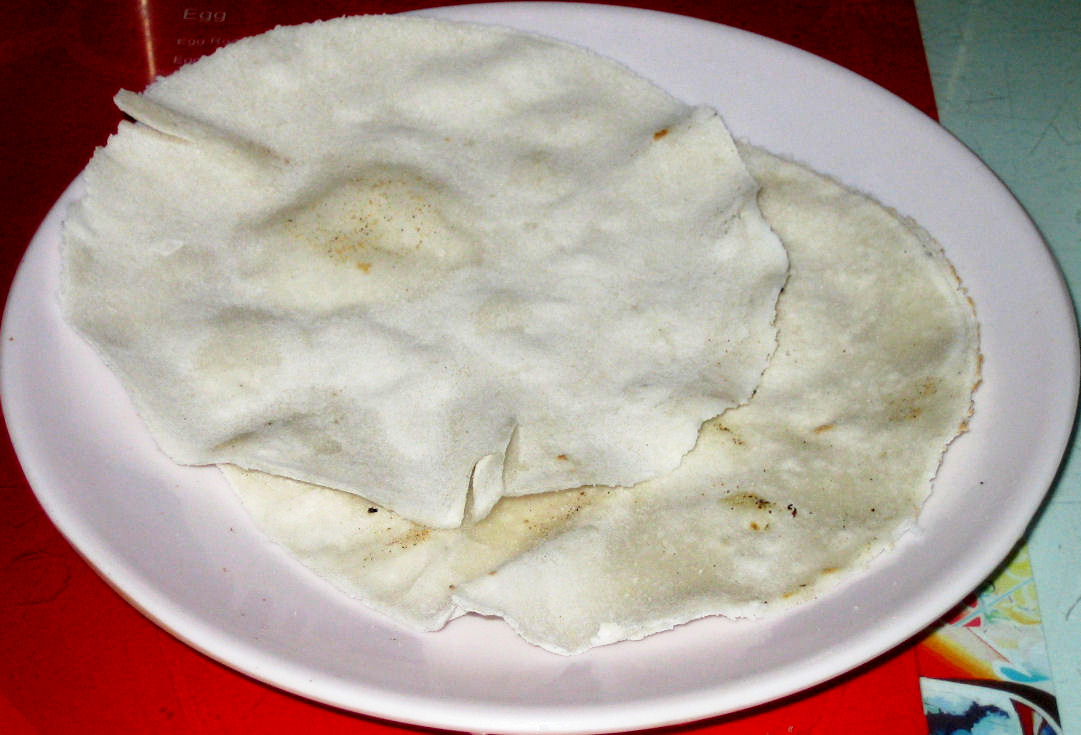
- Pathiri: thin rice-flour flatbreads, served with meat, fish, or vegetable curries, and a staple of the Mappila table.
- Neychoru (ghee rice) and irachi puttu: festive rice preparations enriched with ghee and served alongside meat dishes.
- Kallummakkaya (mussel) curry: a coastal specialty that reflects the community's fishing heritage.
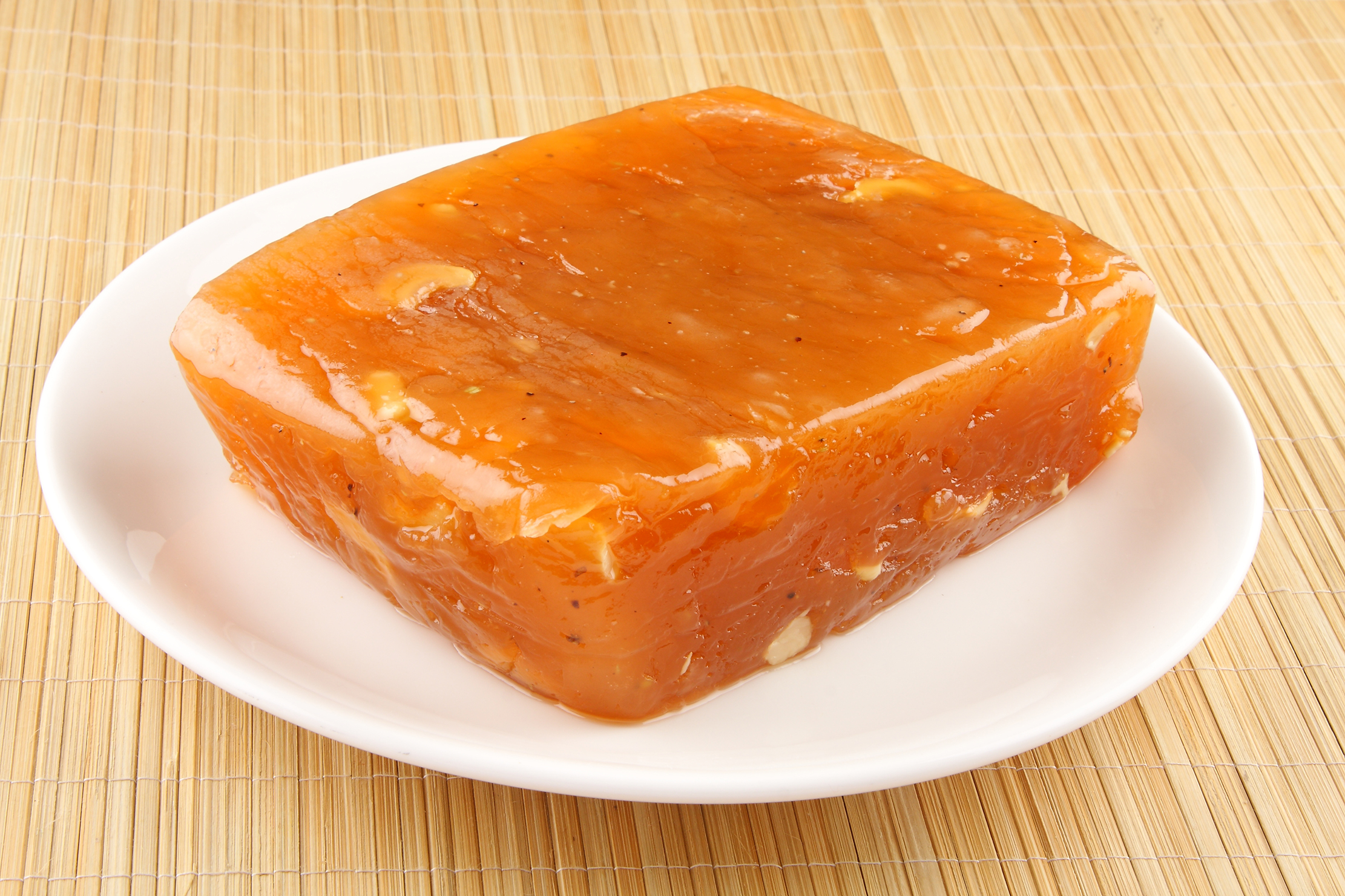
- Sweets and snacks: including unnakkaya (sweet banana and cashew fritters), pazham nirachathu (banana stuffed with coconut and jaggery), chatti pathiri (a layered, baked dessert), and the well-known Kozhikode and Thalassery halwa, a chewy, translucent sweet sold across Malabar's old town markets.
- Malabar-style mandi: locally known as pit mandi, a slow-cooked rice-and-meat dish with clear Yemeni influence.
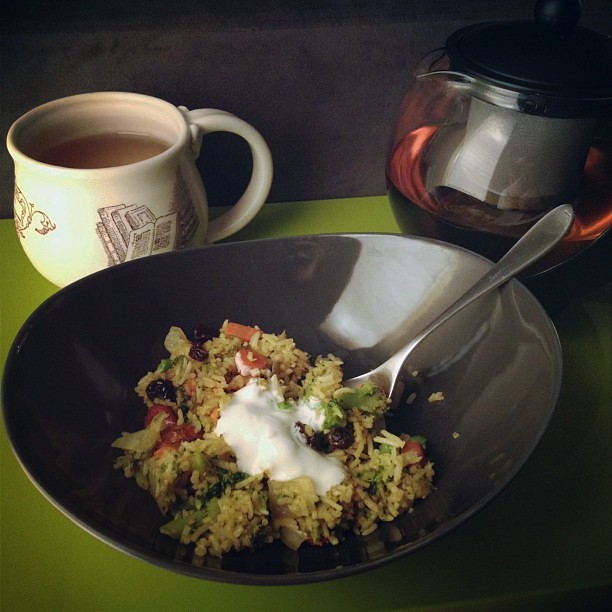
Feasting is closely tied to Islamic religious observance, with special meals marking Ramadan, Eid al-Fitr, and Eid al-Adha, as well as weddings and other community celebrations.
9. Traditional Dress and Ornaments
Traditional Mappila women's dress historically centred on the kachi mundu, a white or coloured lower cloth, paired with a full-sleeved blouse (kuppayam) and a scarf or veil (thattam) draped over the head, an outfit still worn during Oppana performances and other ceremonial occasions. Traditional men's dress consists of a white mundu, a shirt, and, especially in older photographs and formal settings, a fez-style cap that reflects Ottoman and West Asian influence on local fashion. Elaborate gold jewellery, including necklaces, bangles, and ornate earrings, has long been an important part of bridal and festive dress, a reflection of the community's historic mercantile prosperity. In everyday life today, dress has largely converged with mainstream Kerala and Indian fashion, alongside a widespread and growing adoption of the hijab and other modest dress conventions common across the wider Muslim world, particularly among younger women.
10. Folklore, Music, and Performing Arts
The Mappilas have one of Kerala's richest folk performance traditions, most famously Mappila Pattu (Mappila Songs), a body of ballads composed in a blend of Malayalam, Arabic, and Persian or Urdu vocabulary, traditionally sung in a melodic style shaped by Arabic musical modes. The form emerged around the sixteenth century and flourished into the modern era, covering themes of religious devotion, romance, satire, and history. The nineteenth-century poet Moyinkutty Vaidyar is widely regarded as its poet laureate.
Related performing arts include Oppana, the wedding dance described above; Duff Muttu (also called Dubh Muttu), a rhythmic group performance using the traditional daf hand-drum; and Kolkali, a lively stick dance performed by groups of dancers moving in coordinated formation. Modern Mappila literature has produced significant Malayalam writers, most notably the celebrated novelist and humourist Vaikom Muhammad Basheer, alongside other prose writers such as U. A. Khader and K. T. Muhammed.
11. Religious Institutions and Practice
The great majority of Kerala's Muslims are Sunni and traditionally follow the Shafi'i school of Islamic law, often called locally the Sunni or 'traditionalist' stream. From the early twentieth century onward, reform-minded scholars such as Wakkom Maulavi pushed for theological modernisation and the adoption of English and scientific education, which gave rise to the Salafi-oriented Mujahid movement (represented by organisations such as the Kerala Nadvathul Mujahideen) and, on a smaller scale, the Islamist Jama'at-e-Islami Hind. Ancient mosques such as the Cheraman Juma Mosque at Kodungallur, the Madayi Mosque near Kannur, and the Mishkal Mosque and Muchundi Mosque in Kozhikode remain important heritage sites, and several preserve architectural and epigraphic evidence of royal Hindu patronage extended to the Muslim community in earlier centuries.
12. Education, Livelihoods, and Socioeconomic Profile
Historically a coastal mercantile community that later became mostly agrarian, the Mappilas invested heavily in modern education over the course of the twentieth century, pushed along by reformist leaders and institutions such as the Muslim Educational Society (founded 1964) and Farook College (founded 1948). That investment has reshaped the community's socioeconomic profile: Malappuram district, the heart of Mappila settlement, recorded a female literacy rate above 91 percent in the 2011 Census, and the community today is represented across medicine, engineering, business, civil service, and public life. Employment in the Persian Gulf states, which picked up from the 1960s onward, has brought substantial remittance income into Malabar and remains a defining feature of the region's modern economy, alongside notable Mappila-led business success, most visibly that of the Lulu Group's M. A. Yusuff Ali, one of the wealthiest businesspeople of Indian origin.
13. Diaspora
The mid-twentieth-century 'Gulf Rush' sent large numbers of Mappilas to work in Saudi Arabia, the United Arab Emirates, and other Gulf Cooperation Council states, a migration that continues to shape social and economic life in Malabar today. Earlier waves of migration, dating to the British colonial period, took Mappila labourers to plantations in Burma and Assam and to British commercial enterprises across Southeast Asia, and that history left smaller diaspora communities in Singapore and Malaysia. Malabar Muslims are also found in significant numbers in the southern districts of Karnataka and in major Indian cities beyond Kerala.
14. Notable Figures
14.1 Religious and Social Reformers
- Wakkom Maulavi (1873–1932): pioneering religious and social reformer who promoted modern education and theological renewal among Kerala Muslims.
- K. M. Seethi Sahib (1898–1960): influential reformist leader and educationist.
- C. N. Ahmad Moulavi: scholar and historian of Mappila Muslim history and culture.
14.2 Politics and Public Life
- Mohammed Abdur Rahiman: freedom movement leader associated with the Indian National Congress in Malabar.
- Syed Abdurrahiman Bafaki Tangal and C. H. Mohammed Koya: senior leaders of the Indian Union Muslim League, a major political force in Kerala since independence; C. H. Mohammed Koya later served as Chief Minister of Kerala.
- K. O. Ayesha Bai: the first Muslim woman in Kerala to reach wide public prominence, who served as Deputy Speaker of the Kerala Legislative Assembly from 1957.
14.3 Literature, Business, and Culture
- Vaikom Muhammad Basheer (1908–1994): celebrated Malayalam novelist and one of India's most beloved modern writers.
- Moyinkutty Vaidyar (1852–1892): regarded as the poet laureate of Mappila Pattu.
- M. A. Yusuff Ali: chairman of the Lulu Group and one of the most successful entrepreneurs of Indian origin in the Gulf region.
- Azad Moopen: founder and chairman of Aster DM Healthcare, a major Gulf-based healthcare enterprise.
This list is meant to be illustrative rather than exhaustive. The community has produced a wide range of scholars, civil servants, artists, and business leaders across Kerala and the diaspora.
15. Conclusion
The Mappilas of Malabar carry one of South Asia's oldest and most distinctive stories of cultural synthesis: an old local Kerala population, continuously enriched over more than a thousand years by trade, conversion, and intermarriage with Arab and other West Asian merchants, that built a devout, resourceful, and culturally rich community within a predominantly Hindu region. From the granite-inscribed mosques of the Malabar Coast to the modern boardrooms of Gulf-based conglomerates, and from the ballads of Mappila Pattu to the Oppana dance still performed at weddings, Mappila identity remains a living regional culture, rooted in the geography and language of Kerala yet shaped by centuries of connection to the wider Islamic world across the Arabian Sea.
References
- [1]1. Wikipedia. "Malabar Muslims." https://en.wikipedia.org/wiki/Malabar_Muslims
- [2]2. Miller, Roland E. Mappila Muslim Culture. State University of New York Press, 2015.
- [3]3. Miller, Roland E. "Mappila." The Encyclopaedia of Islam, Vol. VI. E. J. Brill, Leiden, 1987, pp. 458-466.
- [4]4. Dale, Stephen F. "Trade, Conversion and the Growth of the Islamic Community of Kerala, South India." Studia Islamica, no. 71 (1990): 155-175.
- [5]5. Prange, Sebastian R. Monsoon Islam: Trade and Faith on the Medieval Malabar Coast. Cambridge University Press, 2018.
- [6]6. Nossiter, Thomas J. Communism in Kerala: A Study in Political Adaptation. C. Hurst and Company, 1982.
- [7]7. Lakshmi, L. R. S. The Malabar Muslims: A Different Perspective. Foundation Books, 2012.
- [8]8. Eaaswarkhanth, Muthukrishnan et al. "Traces of Sub-Saharan and Middle Eastern Lineages in Indian Muslim Populations." European Journal of Human Genetics 18 (2010): 354-363.
- [9]10. Kerala Tourism. "Oppana, the Traditional Wedding Dance of Muslims." https://www.keralatourism.org/kerala-article/2018/oppana-dance/757
- [10]11. Kerala Tourism. "Islamic Marriage Rituals." https://www.keralatourism.org/islam-in-kerala/culture/marriage-rituals
- [11]12. The Hindu. "Straight from the Malabar Coast." https://www.thehindu.com/life-and-style/food/straight-from-the-malabar-coast/article27942808.ece
- [12]13. Kottaparamban, Musadhique. "Sea, Community and Language: A Study on the Origin and Development of Arabi-Malayalam Language of Mappila Muslims of Malabar." Muallim Journal of Social Sciences and Humanities (2019): 406-416.
- [13]14. Census of India, 2011. "Population by Religious Community." Office of the Registrar General & Census Commissioner, Government of India.
- [14]15. Nainar, S. Muhammad Hussain (trans.). Tuhfat-al-Mujahidin: An Historical Work in the Arabic Language. University of Madras, 1942.