

Kerala MarThoma Community
A community for Mar Thoma Syrian Christians of Kerala to connect, explore ancestry, preserve heritage, and celebrate their shared faith, culture, and identity.
The Mar Thoma Syrian Christians of Kerala
1. Introduction: Who Are the Mar Thoma Syrian Christians?
2. Origins and Early History
2.1 The Apostolic and Persian Heritage
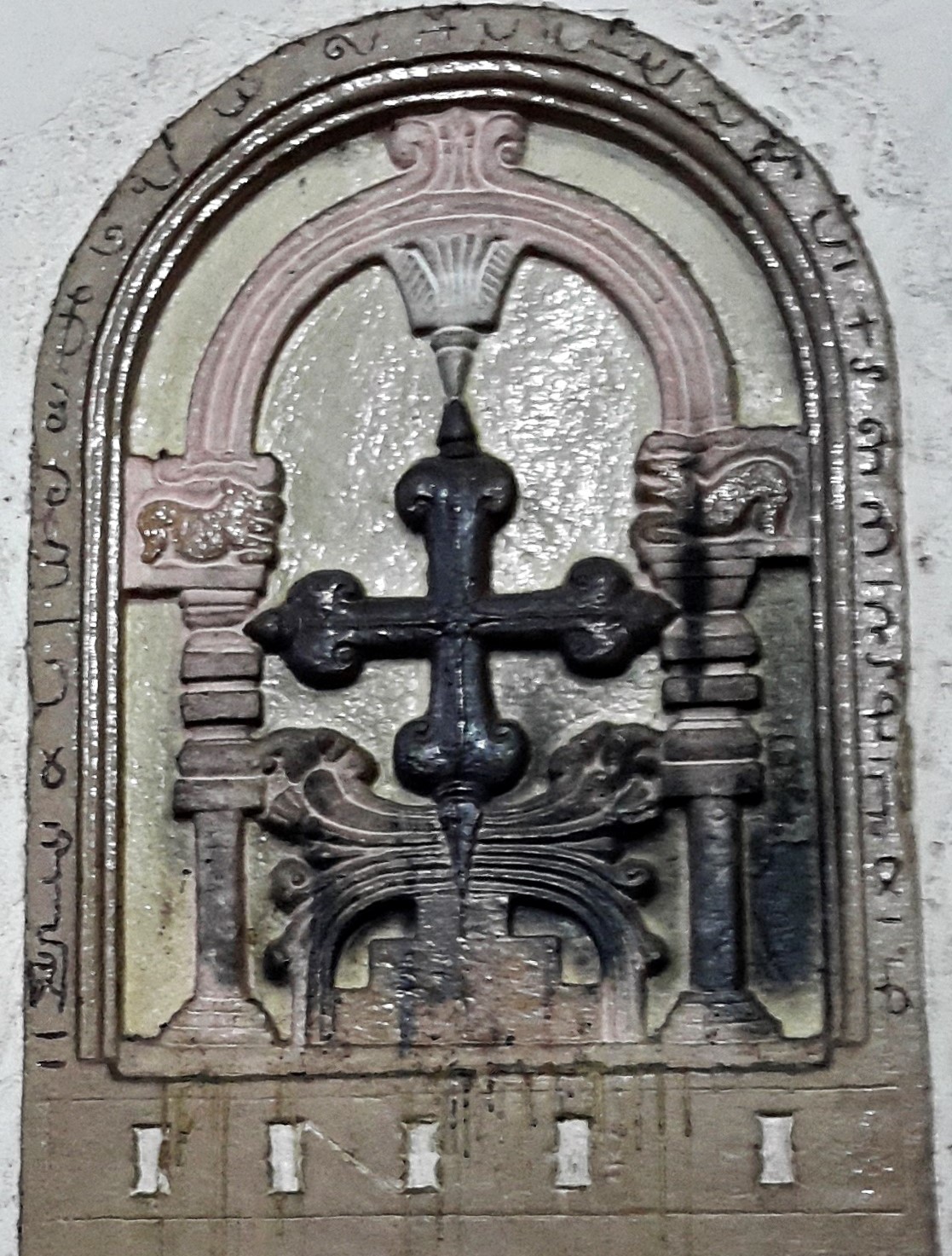
Like the other branches of the Saint Thomas Christian community, the Mar Thoma Church traces its founding to the tradition that the Apostle Thomas landed at the port of Muziris on the Malabar Coast around 52 CE, preached the Gospel, and established a number of early Christian communities in Kerala before proceeding to the eastern coast of India, where he is traditionally believed to have died at Mylapore, near modern Chennai. Community memory and later chronicles link this early Christian presence to the ancient maritime trade that linked Kerala with the Mediterranean, Persia, and West Asia.
2.2 The Portuguese Encounter and the Coonan Cross Oath
2.3 The Nineteenth-Century Reformation
3. Faith, Doctrine, and Identity
4. Organisation and Leadership
5. Language and Liturgy
6. Culture, Customs, and Social Life
7. Marriage and Wedding Traditions
The heart of the Mar Thoma marriage service is the Minnukettu, the tying of the Minnu a small gold pendant, traditionally shaped like a stylised leaf bearing a cross around the bride's neck. Following the reading of the Gospel and the joining of the couple's hands by the officiating minister, the groom ties the Minnu using a cord made from strands of thread drawn from the Manthrakodi, the ceremonial wedding sari. Immediately afterward, the groom drapes the Manthrakodi over the bride, marking her entry into his family; a married female relative of the groom then takes her place beside the bride to welcome her. The Minnu is worn by married Mar Thoma women as an enduring sign of their married status, much as the Manthrakodi itself is kept by a woman throughout her life. The wedding service is followed by a festive communal meal for family and guests.
8. Cuisine
- Appam and stew: lacy, fermented rice-and-coconut pancakes served with a mild coconut-milk vegetable or meat stew, a favourite for Sunday and festive breakfasts.
- Meat and fish preparations flavoured with black pepper, coconut, curry leaves, and vinegar, including duck roast and dry-roasted meat fry dishes associated with festive gatherings.
- Fish curries and banana-leaf-wrapped grilled fish, reflecting the community's coastal and riverine heritage in central Travancore.
- Festive breads and sweets such as achappam and Kerala-style plum cake, traditionally prepared for Christmas.
9. Traditional Dress and Ornaments
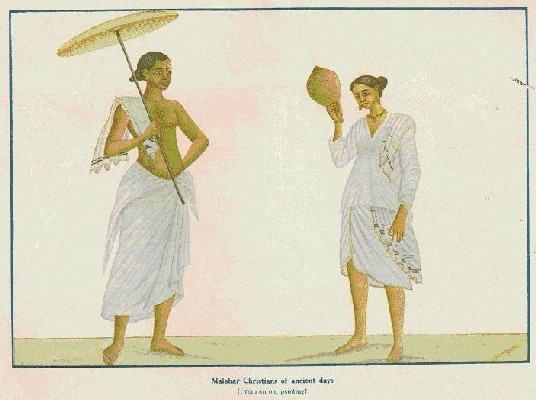
Traditional dress historically distinguished Kerala's Syrian Christian women, including Mar Thoma women, from other communities in the region. The Chatta and Mundu a fitted, high-necked white blouse worn with a white lower cloth and a pleated shoulder cloth was the customary everyday and formal attire of an earlier generation, while men traditionally wore a white mundu with a shirt or jubba for formal occasions. The Minnu, described above, remains the community's enduring symbol of marriage, worn by married women much as a wedding ring is worn elsewhere. Contemporary daily dress has largely converged with wider Kerala and Indian fashion, though traditional attire and the Manthrakodi remain prominent at weddings and important church occasions.
10. Feasts, Fasts, and the Church Calendar
11. The Maramon Convention
12. Education and Social Institutions
13. Diaspora
14. Notable Figures
14.1 Church Leaders
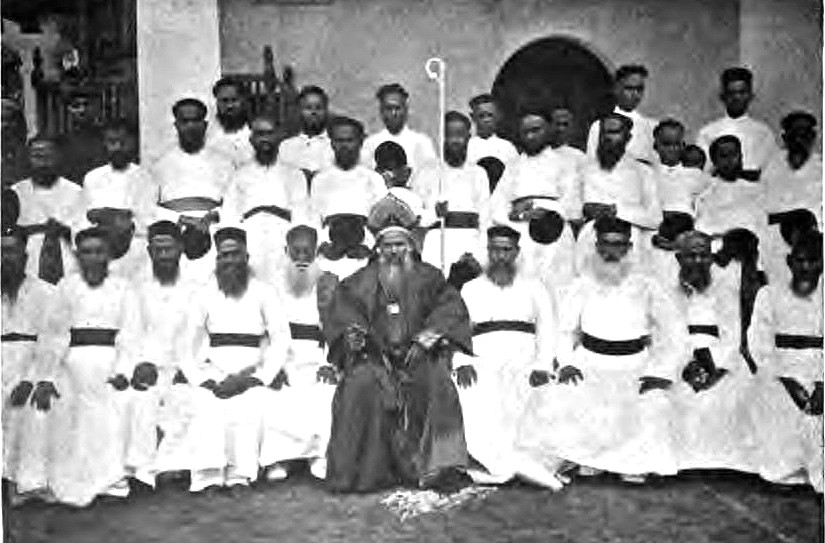
- Abraham Malpan (1796–1845) — priest and reformer whose teaching and liturgical revisions laid the foundations of the Mar Thoma reform movement.
- Mar Thoma I (Archdeacon Thomas) — the community leader consecrated after the Coonan Cross Oath of 1653, the first in the line of Mar Thoma prelates.
- Juhanon Mar Thoma — Metropolitan from 1949 to 1976, and a president of the World Council of Churches during his tenure.
- Philipose Mar Chrysostom (1918–2021) — Metropolitan and later Metropolitan Emeritus, noted for his exceptionally long service as a bishop of the church.
- Theodosius Mar Thoma — the twenty-first and current Metropolitan of the Mar Thoma Church.
14.2 Public Life and Scholarship
- P. J. Kurien — former Deputy Chairman of the Rajya Sabha, the upper house of the Indian Parliament.
- M. M. Thomas — theologian and public intellectual known for his writing on Christianity, ecumenism, and society in modern India.
- Abraham Kovoor (1898–1978) — rationalist and writer, from a Mar Thoma family background, known for his work investigating claims of the paranormal.
- A number of Mar Thoma laypeople and clergy took part in Kerala's twentieth-century political and social reform movements, including the campaign for responsible government in Travancore and India's independence movement.
15. Conclusion
References
- [1]
- [2]
- [3]
- [4]
- [5]
- [6]
- [7]
- [8]
- [9]
- [10]
- [11]
- [12]
- [13]
- [14]