

Kollan Community
Discover the Kollan community Kerala: traditional Malayalam blacksmiths & Vishwakarma artisans. Trace their ancient craft heritage, Sangam-era roots, & culture.
The Kollan Community of Kerala
Craft Heritage, History, and Culture of a Traditional Malayalam Metalworking Community
1. Introduction: Who Are the Kollan?
The Kollan are a Malayalam-speaking traditional artisan community of Kerala, historically associated with blacksmithing and ironwork the forging of agricultural tools, household implements, weapons, and building hardware that supported village life across the region for centuries. The Kollan form one of the constituent artisan groups collectively known in Kerala and Tamil Nadu as the Kammalar, and in the pan-Indian idiom as the Vishwakarma community, alongside carpenters (Asari), goldsmiths (Thattan), bronze and bell-metal workers (Moosari), and stone carvers (Kallasari).
Concentrated across Kerala, with smaller populations in neighbouring Tamil Nadu and Karnataka, the Kollan trace their craft identity to Vishwakarma, the divine architect and craftsman of Hindu tradition, said to be the maker of the gods' weapons, chariots, and celestial cities. This profile traces the community's documented history from early Tamil Sangam-era references to ironsmiths through its role in temple-building economies, its craft mythology and folklore, its customary life, and its place in Kerala's artisan heritage today.
2. Origins and Early History
2.1 Sangam-Era References
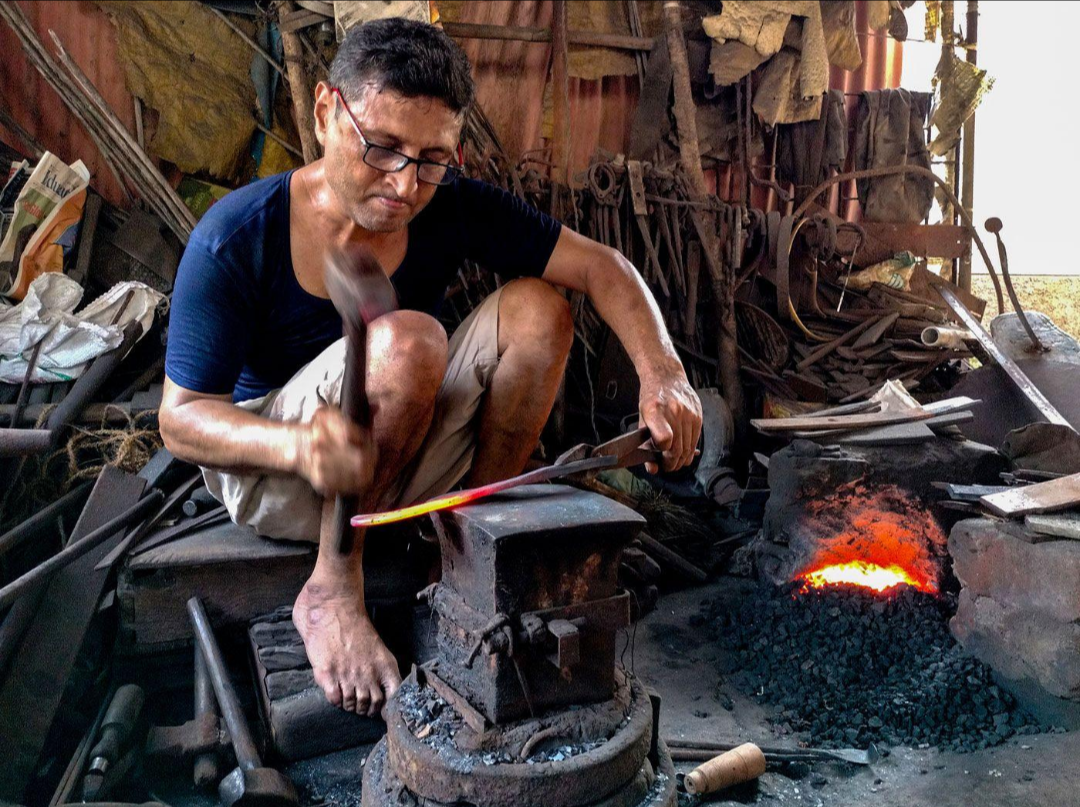
The word kollan is Dravidian in origin, deriving from the Tamil-Malayalam root meaning 'to forge' or 'to work metal,' and is among the oldest attested occupational terms in South Indian literature. Classical Tamil Sangam poetry — the Akananuru and Puranananuru anthologies, compiled in the early centuries CE — refer directly to ironsmiths as irumpu-cey-kollan ("the kollan who works iron") and describe the forge, the bellows-pipe, and the sparks of hammered iron as part of everyday village life. These references place skilled ironworking, and the community name associated with it, among the earliest documented craft occupations in the Tamil-Malayalam-speaking world, predating most other historical records of South Indian social organisation.
2.2 The Vishwakarma Craft Tradition
Community tradition and wider Vishwakarma mythology hold that the divine craftsman Vishwakarma had five sons — Manu, Maya, Tvashta, Shilpi, and Vishvajna — regarded as the mythic forebears of five hereditary craft lines: blacksmiths, carpenters, bronze/bell-metal casters, stonemasons, and goldsmiths. Within this framework, the Kollan represent the blacksmithing line. Prior to the standardisation of the pan-Indian "Vishwakarma" identity in the nineteenth and twentieth centuries, these craft groups were known in Kerala and Tamil Nadu collectively as the Kammalar, a term still in wide use, and their individual trades were organised around workshop-settlements called kudis (an ironworking settlement being a "Kolla Kudi").
2.3 Craftsmen and Temple Economies
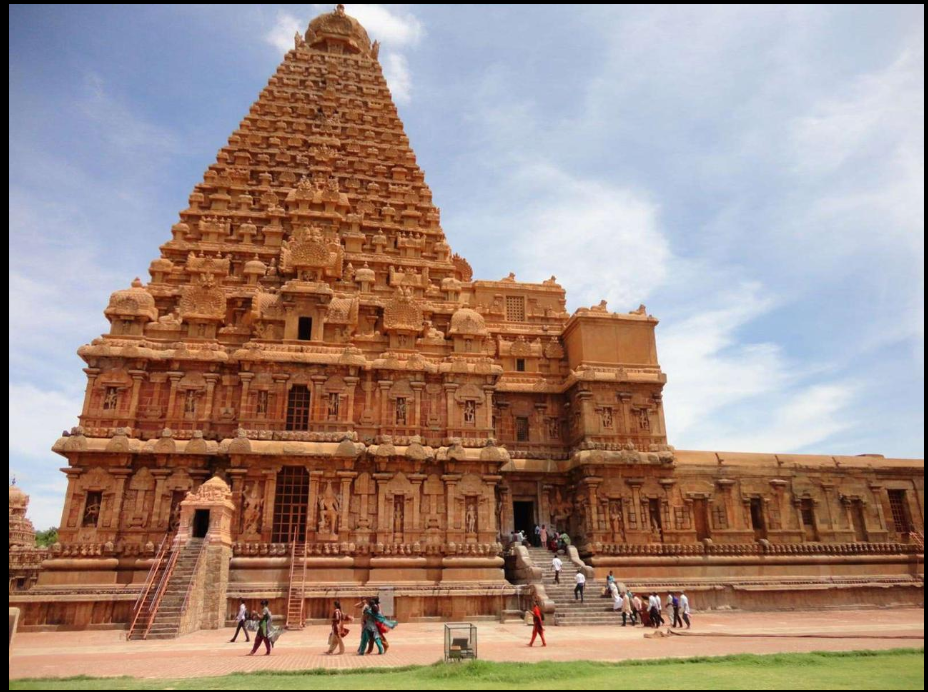
Through the medieval period, Kollan smiths, working alongside the other Kammalar trades, were integral to the artisan workforce that built and maintained South India's temple economy — producing tools for construction, ironwork and fittings for temple structures, and metal implements used in ritual and daily life alike. Kammalar craftsmen are recorded as contributors to major South Indian temple-building projects of the Chola and later periods, including the construction of the Brihadeeswara Temple at Thanjavur, completed around 1010 CE. Because their livelihoods were tied to construction cycles and royal or temple patronage, Kammalar communities historically combined a settled village presence with periods of itinerant work tied to major building projects.
3. Genetics and Population Ancestry
No dedicated, published population-genetics study of the Kollan or the wider Kerala Kammalar/Vishwakarma community as a distinct group could be identified at the time of writing. What can be said draws on the broader genetic literature on Kerala's population as a whole: Kerala's communities generally show a high proportion of Ancestral South Indian (ASI) and Ancient Ancestral South Indian (AASI) ancestry components relative to many North Indian populations, consistent with deep regional continuity going back thousands of years, alongside the usual variation in Y-chromosome and mitochondrial DNA lineages seen across South Indian occupational and religious communities shaped by centuries of local, in-group marriage.
4. Language
Malayalam is the mother tongue and primary language of the Kollan community in Kerala, spoken in the everyday dialect of the district or region in which a family resides. In Tamil Nadu and parts of Karnataka, Kammalar and Vishwakarma blacksmith families more often speak Tamil or Kannada as their first language, reflecting the wider regional distribution of Kammalar/Vishwakarma artisan groups across South India, of which the Malayalam-speaking Kollan form the Kerala branch. Traditional craft vocabulary — the names of tools, forging techniques, and metals — forms a distinct occupational lexicon still remembered within the community even as the trade itself has declined.
5. Religion and Festivals
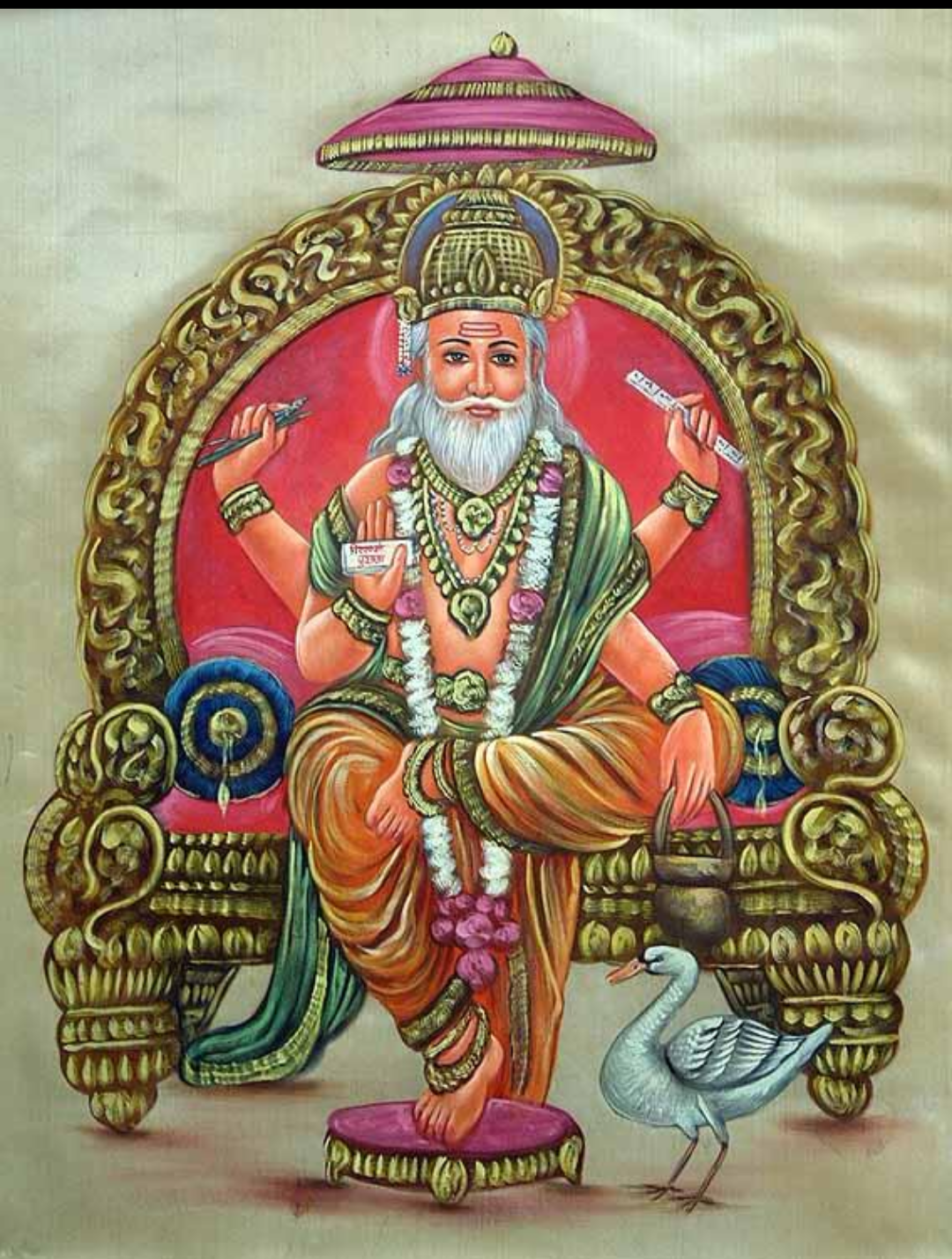
The Kollan are predominantly Hindu, with religious life centred on temple worship, household ritual, and reverence for Vishwakarma as the divine patron of craftsmanship and tools. The most distinctive community observance is Vishwakarma Puja (also called Vishwakarma Jayanti), an annual festival honouring Vishwakarma that falls on Kanya Sankranti in the Hindu calendar; on this day, artisans across India — including Kollan smiths and their descendants who have moved into other trades — traditionally clean, decorate, and worship their tools and equipment, reflecting the community's long-standing identity as custodians of skilled craft. Beyond this occupational festival, Kollan families participate in the wider cycle of Hindu festivals observed across Kerala, including Onam and Vishu, alongside temple festivals specific to their locality.
6. Culture, Customs, and Family Life
Kollan family life has traditionally been organised around the patrilineal household, with sons expected to learn the forge trade from their fathers in a hereditary apprenticeship model typical of South Indian craft communities. Marriages are generally arranged with family involvement, and cross-cousin marriage has historically been an accepted practice, consistent with broader South Indian kinship norms. Remarriage following divorce or widowhood is permitted within the community. Extended family and neighbourhood networks — including the historic kudi workshop-settlement structure — have traditionally provided mutual support in both economic and social matters.
A prosperous traditional Kammalar/Vishwakarma household in Kerala followed the regional tharavadu-style layout common to landed and artisan families alike: a poomukham (front verandah) opening into a central hall used for dining and rest, with additional rooms arranged around it — a domestic architecture shared broadly across Kerala's traditional communities rather than being unique to the Kollan alone.
7. Traditional Craft and Livelihood
The Kollan's defining traditional occupation was blacksmithing: forging and repairing agricultural implements (ploughshares, sickles, hoes), household tools (knives, locks, hinges), and, in earlier centuries, weapons and armour components for local rulers and warrior households. The village smithy, with its charcoal forge, hand-operated bellows, anvil, and hammer, functioned as an essential service institution in traditional Kerala village life, comparable in importance to the carpenter's and goldsmith's workshops run by related Kammalar trades.
From the twentieth century onward, industrialisation, the mass manufacture of tools and hardware, and the mechanisation of agriculture significantly reduced demand for hand-forged ironwork, and the traditional smithy went into steady decline across Kerala. In response, Kollan families have diversified broadly into agriculture, small business, government and private-sector employment, gold and metal trades, and modern professions, while a smaller number continue hereditary metalworking, often adapted to contemporary tools, machine-shop work, or artisanal ironcraft.
8. Folklore and Oral Tradition
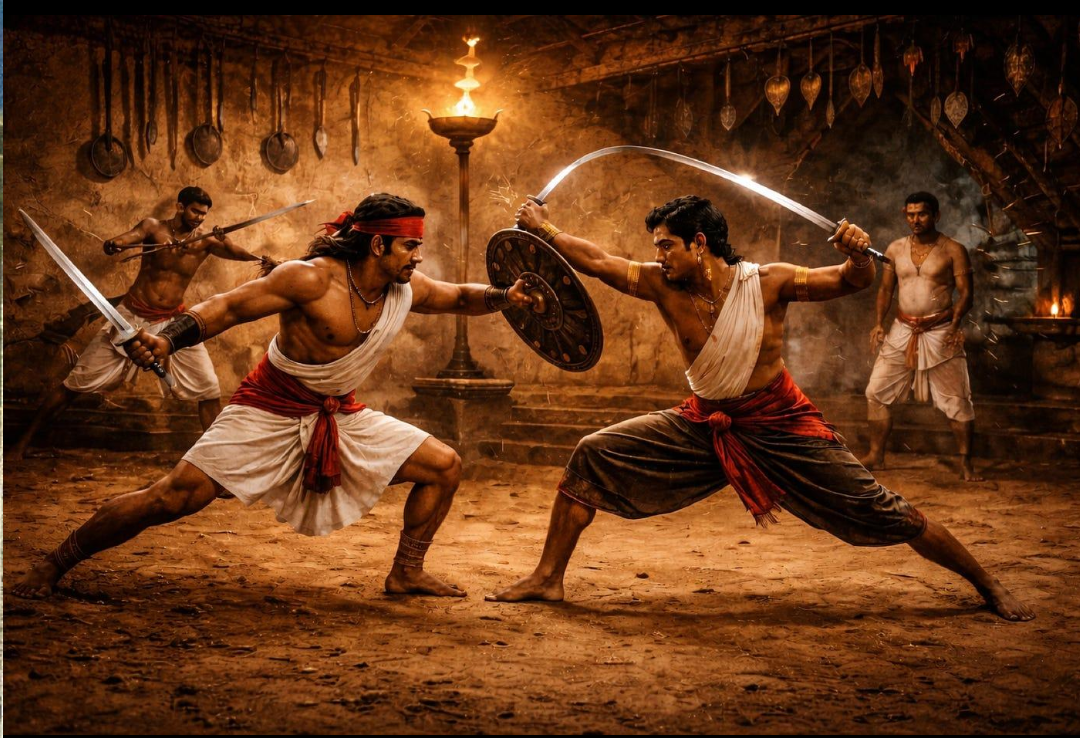
The Kollan appear in Kerala's ballad tradition as a recognisable craft figure. The Vadakkan Pattukal (the Northern Ballads), a body of medieval Malayalam oral epics from North Malabar recounting the deeds of legendary martial heroes, include episodes in which a Kollan smith forges armour and weaponry for the ballads' central figures — a detail reflecting the historical reliance of Kerala's martial households on local blacksmiths for arms and armour, and preserving the smith's craft role within the region's most celebrated oral literature.
Kerala folklore more broadly preserves the figure of the master craftsman through legends such as that of Perumthachan, the legendary master carpenter said to belong to the wider Vishwakarma craft lineage, whose tales of architectural genius and rivalry with his own son are still told across the state. While Perumthachan's legend is most closely tied to carpentry (Asari) rather than the ironsmith's trade specifically, it forms part of the same shared body of craft-community folklore that includes stories of skilled Kollan smiths and their forge-work, transmitted orally across generations of Kerala's artisan households.
9. Diaspora and Contemporary Distribution
The Kollan community remains concentrated in Kerala, with smaller populations in the neighbouring states of Tamil Nadu and Karnataka reflecting the wider historical spread of Kammalar/Vishwakarma artisan groups across South India. As with many Kerala communities, individual Kollan families have participated in the state's broader twentieth- and twenty-first-century migration patterns, including movement to Indian cities for education and employment and to the Gulf Cooperation Council states for work, though no community-specific diaspora institutions or population figures distinct from the general Kerala emigrant pattern were identified in available sources.
10. Community Organisation Today
Like other Kammalar/Vishwakarma trade groups in Kerala, the Kollan have formed community associations to represent shared social and welfare interests, consistent with the pattern of craft-based community organisation seen across South Indian artisan groups in the nineteenth and twentieth centuries. These associations engage in welfare activities, educational support, and the preservation of craft and cultural heritage relevant to their members.
11. Conclusion
The Kollan community's story is, at its core, a craft history: a Dravidian occupational name attested in Tamil poetry two thousand years ago, a mythological patron in Vishwakarma the divine smith, a functional role at the centre of village and temple economies for centuries, a presence in Kerala's oral ballad tradition as the maker of arms and armour, and a twentieth-century passage from the forge to a much wider range of occupations as industrialisation reshaped rural Kerala. From the ring of hammer on anvil described in Sangam-era verse to the Vishwakarma Puja still observed by artisan families today, the Kollan represent a living thread of continuity in Kerala's long tradition of skilled handwork.
References
- [1]
- [2]
- [3]
- [4]
- [5]
- [6]
- [7]
- [8]
- [9]
- [10]