

Basith Community
(Vasisth), a Hindu group from Jammu & Kashmir's Rajouri–Poonch belt. Learn about their Pahari language, farming traditions.
The Basith Community of Jammu & Kashmir
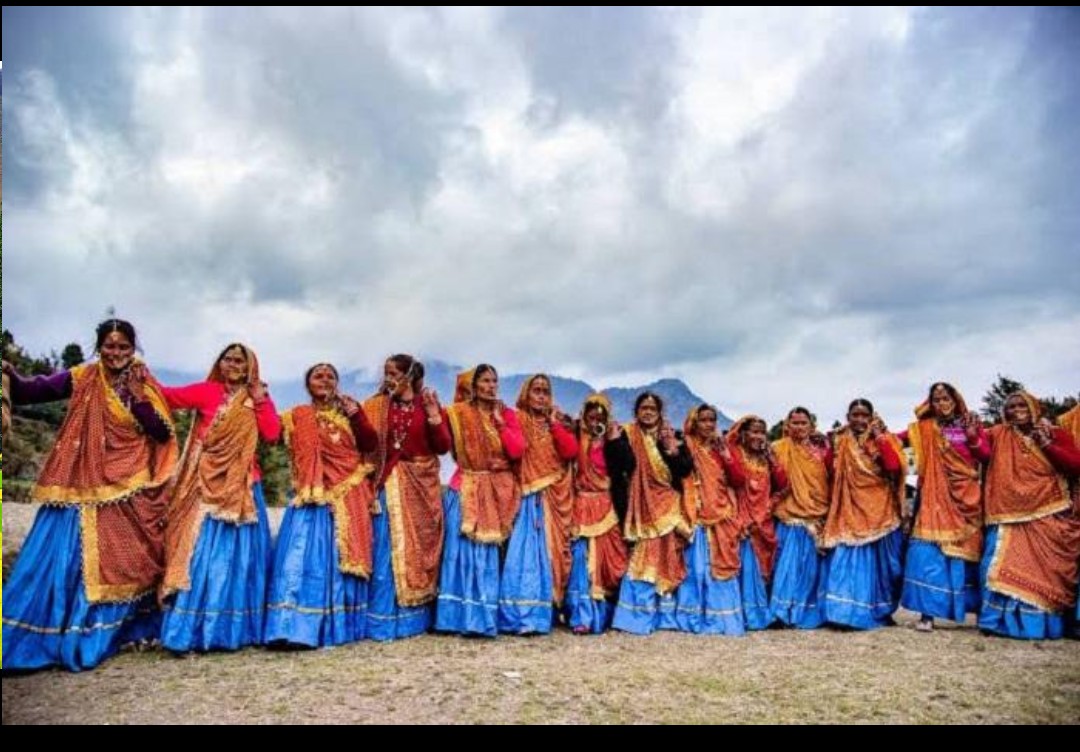
A Community Profile — Origins, Geography, Language, Religion, and Social Life
1. Introduction: Who Are the Basith?
The Basith (also recorded as Basit, Vasisth, or Bashishth Rajput, and known in some records as Asithi) are a small community concentrated chiefly in the Rajouri and Poonch districts of the Jammu region of the Indian union territory of Jammu and Kashmir, with a historical presence extending into the Mirpur area of what is now Pakistan-administered Kashmir. The community is Pahari-speaking, predominantly Hindu with a smaller Sikh minority, and today numbers only in the tens of thousands — making it one of the smaller and more localized communities of the Pir Panjal region.
The Basith have not been the subject of dedicated academic or genetic research in the way that larger, better-documented Indian communities have been. Reliable information about them is limited mainly to regional census records, gazetteers of the former princely state of Jammu and Kashmir, and short ethnographic notes compiled by demographic-survey organizations. This profile draws together what is documented and reliably reported about the community — its regional origins, population and geography, religion, language, and social life — and is deliberately conservative where the historical or genealogical record is thin, unverified, or contested.
2. Origins and Historical Background
Community tradition connects the name "Basith" (also rendered "Vasisth") to the Vedic sage Rishi Vashishtha, one of the most revered rishis of Hindu tradition, and the community's own oral genealogy accordingly places it within the broader Rajput fold under the name Vashisht (or Bashishth) Rajput. As with many North Indian community origin-narratives that trace descent to a Vedic sage or epic figure, this is a matter of oral and genealogical tradition rather than independently documented history, and is best understood as the community's own account of its ancestry.
A separate historical account, drawn from regional gazetteers of the former Jammu and Kashmir princely state, records that Basith families migrated into the Poonch region from Chamba, in the hill country of present-day Himachal Pradesh, during the nineteenth century, settling thereafter in the Rajouri–Poonch–Mirpur belt. Colonial-era census records (notably the 1931 Census of the Jammu Province) list the Basith as one of a small number of communities found almost exclusively in this corner of the state, with the great majority of the population recorded in the Mirpur and Rajouri areas.
Because these are two distinct traditions — a sacred-genealogical one and a regional-historical one — and because neither has been corroborated through independent scholarship, this profile presents both as community tradition and recorded local history respectively, rather than as settled fact.
3. Geography and Population
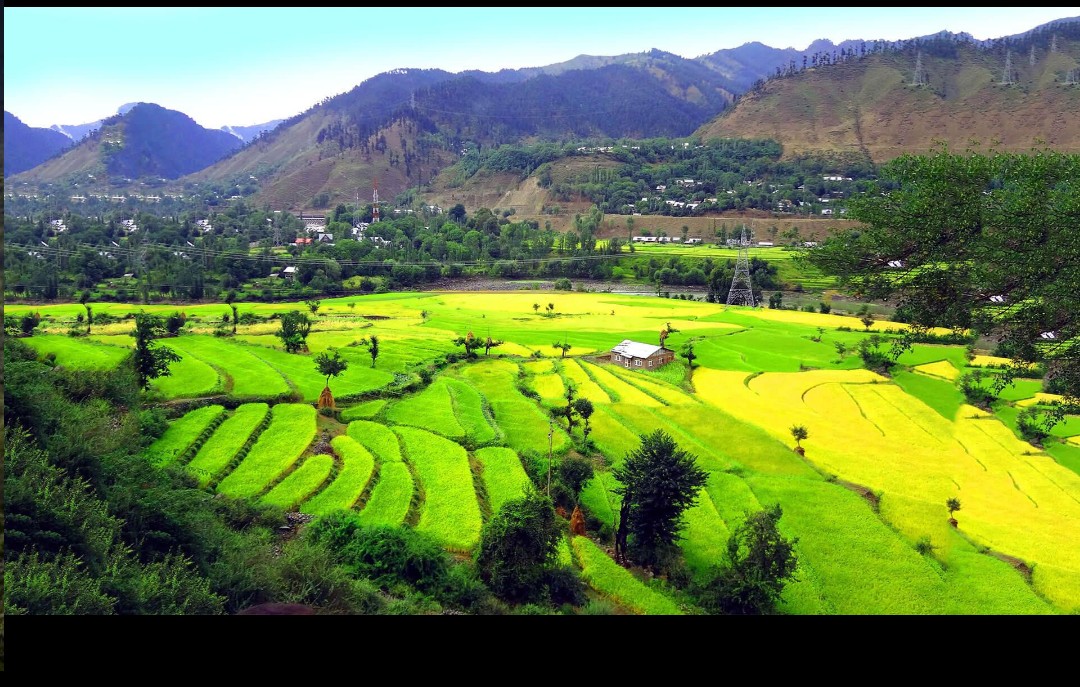
Historically, the Basith population was heavily concentrated in two areas of the former Jammu province: the Mirpur district, which after the 1947–48 Jammu and Kashmir war fell on the Pakistan-administered side of the Line of Control, and the Rajouri district, which remained part of India. Regional records from the early twentieth century indicate that close to the entire recorded Basith population lived in these two districts, with roughly half based in and around Mirpur town.
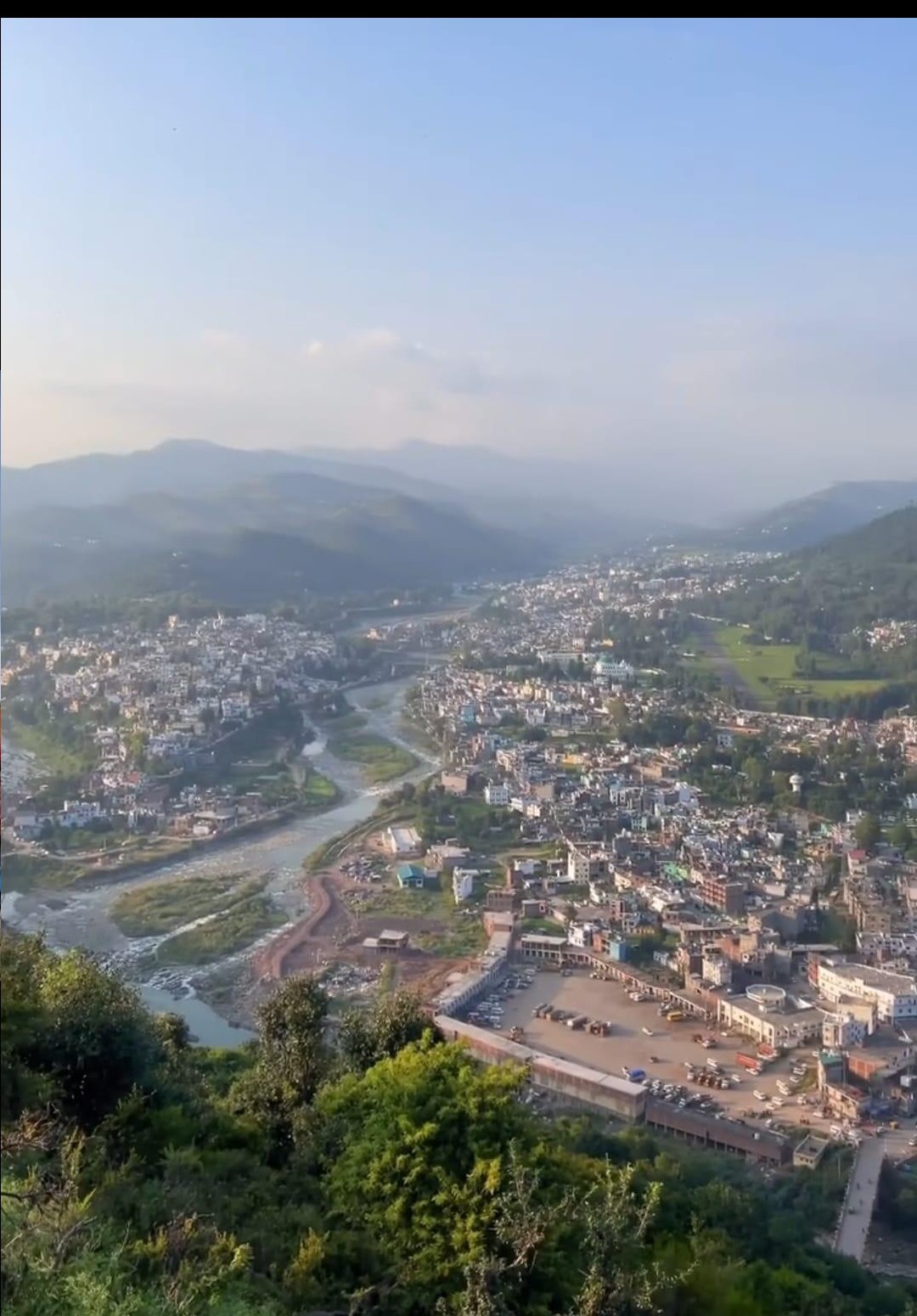
The partition of the former princely state in 1947–48 and the accompanying population movement across the new ceasefire line reshaped the community's geography considerably: the Mirpur region became overwhelmingly Muslim in the years that followed, while Hindu and Sikh communities from that area — the Basith among them — were displaced toward Rajouri, Nowshera, Jammu, and other areas on the Indian side. As a result, the community today is found predominantly in Rajouri district and, to a lesser extent, in Poonch and neighbouring parts of the Jammu division, with a very small presence recorded further afield in Ladakh.
Population figures for the Basith are small and vary somewhat by source and by how the group is classified. The 2001 Census of India recorded 18,866 members of the Vasisth caste in Jammu and Kashmir, while independent demographic surveys have placed the wider Basith population (Hindu and Sikh combined) at approximately 17,000–20,000 in more recent years. These are best treated as broad estimates rather than precise counts, given the absence of a dedicated, up-to-date census category for the group.
4. Religion
The great majority of the Basith are Hindu, following mainstream Hindu religious practice alongside the worship of local and family clan deities (kul devta) — a pattern typical of Rajput and Pahari communities across the Jammu hills. A smaller section of the community is Sikh; unlike most Sikh communities in the wider region, who are concentrated in Punjab, the Sikh Basith are based mainly in Jammu and Kashmir itself, alongside their Hindu kin. Relations between the Hindu and Sikh sections of the community are reported to be close, though intermarriage between the two religious groups is uncommon.
5. Language
The Basith speak a Pahari dialect — the broad family of hill dialects spoken across the Rajouri–Poonch belt, sometimes classified alongside or close to Dogri — as their home language. For communication outside the community, Basith speakers generally also use Hindi or Urdu, and smaller numbers report some knowledge of Kashmiri or, among the very small Ladakh-based population, Ladakhi. This layered, multilingual pattern is characteristic of the wider Pahari-speaking population of the Pir Panjal region, most of whom move comfortably between a home dialect and one or more regional or administrative languages.
6. Social Structure and Family Life
Like other Rajput and Pahari communities of the Jammu hills, the Basith are traditionally organized into patrilineal family and clan groups, and the community continues to be predominantly rural and agricultural in character. A number of features of Basith family life have been specifically noted in ethnographic surveys of the community: daughters are reported to share in parental inheritance, a departure from the son-only inheritance pattern more commonly described in many neighbouring communities, and women are described as contributing actively to household income and enjoying broadly equal status with men within the family. Basith households are also reported to favour comparatively small families, typically with around three children.
These specific claims come from limited ethnographic survey material rather than from broader academic study, and should be read as reported community characteristics rather than exhaustively verified findings.
7. Livelihood
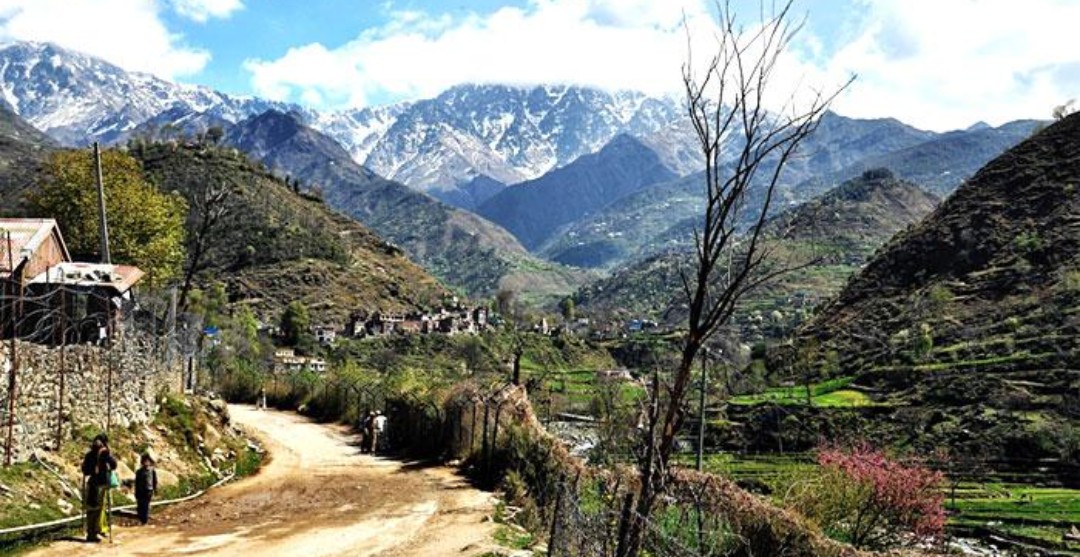
The Basith are traditionally and predominantly an agricultural community, engaged in farming in the hill and valley terrain of the Rajouri–Poonch belt. As with most agrarian communities of the region, livelihoods have historically centred on subsistence and small-scale commercial farming, supplemented in more recent generations by government service, small trade, and other rural livelihoods common across the Jammu hills — though detailed, dedicated economic data specific to the community is not available.
8. Contemporary Profile
Today the Basith remain a small, largely rural community based in and around Rajouri district, with smaller numbers in Poonch and elsewhere in the Jammu division. They form part of the wider mosaic of Pahari-speaking hill communities of the Pir Panjal region — a region historically shaped, like much of the former princely state, by the upheavals of 1947–48 and the resulting India–Pakistan Line of Control, which permanently divided what had been a single administrative and social landscape. Because the community is small and has not attracted sustained academic, genetic, or ethnographic study of the kind available for larger South Asian communities, publicly available information about Basith cuisine, dress, folklore, and notable individuals remains very limited, and this profile has deliberately avoided speculative or unverifiable claims in those areas.
9. Conclusion
The Basith of Jammu and Kashmir are a small, regionally rooted community whose documented history is inseparable from the broader story of the Rajouri–Poonch–Mirpur belt: a hill community with its own tradition of sage-lineage descent and a separately recorded history of nineteenth-century migration from Chamba, whose geography was reshaped by the partition of the former princely state in 1947–48. What can be said with reasonable confidence — their regional concentration, their Pahari speech, their predominantly Hindu (with a smaller Sikh) religious character, and a handful of reported social customs — sketches the outline of a distinct community, even where the fuller cultural and genealogical record available for larger, more studied communities does not yet exist in the public domain.
References
- [1]1. Census of India, 2001 — caste population data for Jammu and Kashmir (Vasisth), as cited in regional caste records.
- [2]2. Joshua Project. "Basith (Hindu traditions) in India." https://joshuaproject.net/people_groups/16528/IN
- [3]3. Joshua Project. "Basith (Sikh traditions) in India." https://joshuaproject.net/people_groups/18059/IN
- [4]4. newpakhistorian. "Caste, Tribe, Language and Religion of the Jammu Province according to the 1931 Census of India." https://newpakhistorian.wordpress.com/2021/03/29/caste-tribe-language-and-religion-of-the-jammu-province-according-to-the-1931-census-of-india/
- [5]5. newpakhistorian. "Tribes of Poonch" and "Tribes and Castes of Mirpur District." https://newpakhistorian.wordpress.com/tag/tribes-of-poonch/ ; https://newpakhistorian.wordpress.com/tag/tribes-and-castes-of-mirpur-district/
- [6]6. Wikipedia. "Basith." https://en.wikipedia.org/wiki/Basith
- [7]7. Wikipedia. "Pir Panjal Region (Jammu Division)." https://en.wikipedia.org/wiki/Pir_Panjal_Region_(Jammu_Division)
- [8]8. Britannica. "Kashmir: History, People, Conflict, Map & Facts." https://www.britannica.com/place/Kashmir-region-Indian-subcontinent