

kamma Community
Explore the Kamma community: a Telugu-speaking Hindu group from Andhra Pradesh & Telangana. Delve into their history, culture, and global diaspora.
Kamma Community
History, Culture, and Society of a Telugu Agrarian Community
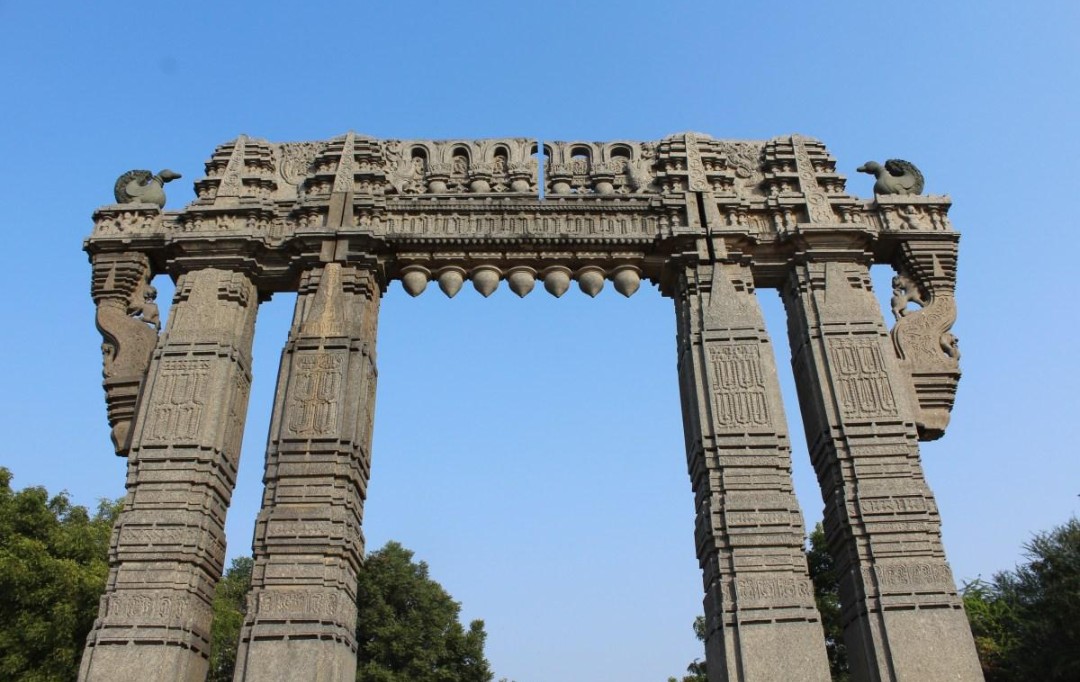
1. Introduction: Who Are the Kammas?
The Kamma are a Telugu-speaking Hindu community concentrated mainly in the coastal districts of Andhra Pradesh (particularly Krishna, Guntur, Prakasam, and West/East Godavari) and in neighbouring Telangana, with smaller but historically significant populations in Tamil Nadu and Karnataka. Classified today as a forward caste (they are not part of India's reservation system), the Kammas are widely described by scholars and journalists as one of the numerically small but socio-economically “dominant castes” of Andhra Pradesh, alongside communities such as the Reddys, Velamas, and Kapus.
Historically an agrarian community of cultivators and, in earlier centuries, soldiers and military commanders, the Kammas rose to particular prominence through landholding, education, and enterprise from the nineteenth century onward, and today have a substantial presence in Indian politics, agribusiness, industry, cinema, media, and the professions, as well as a sizeable diaspora in North America, the United Kingdom, and the Gulf countries.
This profile draws on published historical and ethnographic sources — including colonial-era ethnographic surveys, modern historical scholarship, and contemporary journalism — to summarise the community's traditional origins, its historical role in South Indian kingdoms, its social customs, and its place in modern Telugu society. Because caste origins in India are often reconstructed from fragmentary inscriptions, oral tradition, and colonial-era surveys rather than continuous written records, several points below (marked as such) remain traditional accounts or scholarly hypotheses rather than settled fact.
2. Etymology and Origins
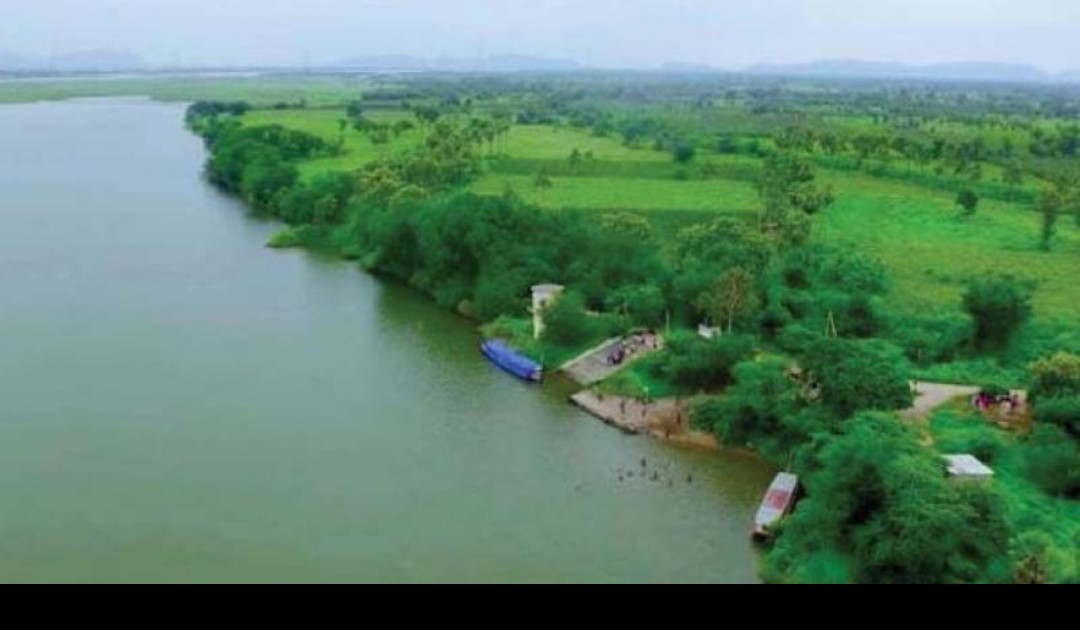
The precise origin of the name “Kamma” is debated, and no single theory is universally accepted among historians:
- Kammanadu theory: The most widely cited explanation links the name to Kammanadu (also called Kammarashtram), a historical region corresponding roughly to parts of the present-day Guntur and Prakasam districts of Andhra Pradesh, where inscriptions referring to the area appear from around the third century CE. On this view, the community took its name from the region it originally inhabited, in the same way several other Telugu communities (such as the Velama and Kapu) are associated with particular historical territories.
- The ear-ornament legend: A popular origin legend, recorded by the British ethnographer Edgar Thurston in the early twentieth century, holds that several related Telugu communities — including the Kammas, Velamas, and Reddis — descend from the sons of a legendary figure named Belthi Reddi. In this account, the son who recovered his mother's lost gold ear-ornament (called kamma in Telugu) became the ancestor of the Kammas. This is a folk etymology rather than a documented historical event, but it is widely retold within the community and in regional folklore.
- Buddhist/Pali theory: Another theory proposes a connection to the Pali/Sanskrit term kamma/karma, noting that the Krishna river valley in which the community is historically rooted was an important centre of early Buddhism, with archaeological sites such as Amaravati and Nagarjunakonda nearby.
- Kshatriya-descent traditions: Community genealogical traditions and some regional histories trace Kamma lineages to Kshatriya (warrior-caste) ancestry, associating various clans with earlier South Indian ruling dynasties such as the Telugu Chodas, Chalukyas, and Kakatiyas. As with comparable traditions among other South Asian communities, these genealogies are part of the community's own historical memory and are treated by professional historians as traditional claims rather than verified lineage records.
Given the limits of the surviving evidence, historians generally treat the community's early origins as a subject of ongoing scholarly discussion rather than a settled question.
3. Historical Development
3.1 Early and Kakatiya-Era History
Inscriptional evidence places Kamma family names and titles in the Krishna-Godavari delta region from at least the medieval period. During the Kakatiya dynasty (circa 12th–14th centuries CE), which ruled much of the Telugu-speaking Deccan from Warangal, individuals identified with Kamma lineages are recorded as military commanders, local chieftains, and temple patrons. Following the collapse of Kakatiya rule after the Delhi Sultanate's invasions in the fourteenth century, Kamma and related warrior clans were among the regional forces, such as those led by the Musunuri Nayakas, that briefly re-established Telugu rule in Warangal before the region fragmented into smaller principalities.
3.2 The Vijayanagara Period
The community's most celebrated historical association is with the Vijayanagara Empire (14th–17th centuries), the major Hindu empire of South India. Kamma Nayaka commanders and administrators are recorded as having served the Vijayanagara rulers, including during the reign of Krishnadevaraya, both in the empire's core territories and in the Tamil country, where Vijayanagara governors of Telugu origin (known as Nayakas) were appointed to administer conquered regions. This period saw significant Kamma migration southward into present-day Tamil Nadu, where their descendants are known today as Kammavar Naidus or, in some southern districts, Naickers. After the Vijayanagara Empire's power was broken at the Battle of Talikota in 1565, and more decisively after the fall of its successor state around the mid-seventeenth century, many Kamma families transitioned from military and administrative roles to landholding and agriculture.
3.3 The Golconda, Zamindari, and British Periods
Under the Qutb Shahi Sultanate of Golconda and later under Mughal and Nizam rule in the Deccan, and subsequently under British colonial administration in the Madras Presidency, Kamma families in coastal Andhra continued as prominent agriculturists and, in several cases, as hereditary zamindars (landed estate-holders). Zamindari families associated with the community included those of Challapalli and Munagala, among others, some of whom used their revenues to found schools, temples, and charitable institutions. The colonial-era Permanent Settlement and irrigation projects on the Krishna and Godavari rivers (notably the Krishna and Godavari anicuts, completed in the mid-nineteenth century) substantially increased the value and productivity of delta farmland, benefiting landowning communities, including many Kamma families, in these districts.
3.4 Twentieth Century to the Present
Following India's independence in 1947, land-reform and tenancy legislation in Andhra Pradesh reshaped the agrarian structure across the state. Landowning communities in coastal Andhra, including the Kammas, adapted to these changes and, from the 1960s and 1970s, were significant participants in the Green Revolution — the introduction of high-yielding crop varieties, expanded irrigation, and modern farming techniques — which increased agricultural output and, over time, generated capital that was reinvested in education, transport, agro-processing, and industry. From the mid-twentieth century onward, members of the community also became increasingly prominent in Telugu cinema, journalism, and, from the 1980s, in Andhra Pradesh state politics, most notably through the founding of the Telugu Desam Party (TDP) in 1982 by the actor N. T. Rama Rao.
4. Social Structure, Sub-groups, and Distribution
The Kamma community is organised, as in much of Hindu South India, around exogamous gotras (clan groupings) that regulate marriage, and around family surnames, many of which are believed to derive from ancestral villages, titles, or occupations. Commonly cited gotras recorded in ethnographic literature include Kashyapa, Vasishtha, Bharadwaja, Vallutla (or Valutla), Kondapadmati, and several others; commonly encountered surnames include Nandamuri, Nadendla, Yarlagadda, Vasireddy, Kolli, Gadde, Chowdary/Choudary, Naidu, and Nayudu, among many more, with titles varying somewhat by region (Chowdary and Naidu are common in Andhra Pradesh, while Naidu and Naicker are more common among Tamil Nadu Kammavars).
Nineteenth- and early twentieth-century colonial ethnographic surveys, such as those of Edgar Thurston, recorded several internal divisions within the community (for example, Pedda Kamma and Gadapa Kamma among others), reflecting historical distinctions of status, region, or occupation; these divisions have become far less socially significant in contemporary practice, and most Kammas today do not organise their identity around them.
Kammas constitute a numerically modest share of Andhra Pradesh's population — commonly estimated in scholarly and journalistic sources at roughly 4–6 percent statewide — but are noted for a concentration of landholding and economic influence, particularly in the Krishna and Guntur delta districts, that is disproportionate to their population share. The community today speaks Telugu as its mother tongue, with communities in Tamil Nadu and Karnataka also fluent in Tamil or Kannada respectively.
5. Religion and Language
The overwhelming majority of Kammas are Hindu, predominantly Vaishnavite or Shaivite by household tradition, though practice varies by family. Like many South Indian communities, most Kamma families maintain a kuladevata (family or clan deity) alongside devotion to pan-Hindu deities such as Venkateswara (of Tirupati), Lakshmi Narasimha, and various forms of the goddess. Among Kammavar communities that migrated to Tamil Nadu generations ago, the goddess Renukadevi (also worshipped as a form of the goddess associated with the sage Jamadagni and his son Parashurama in Puranic tradition) is venerated by some families as a kuladevata, reflecting the community's continuing devotional and cultural ties to their region of origin even after long settlement outside Andhra.
Telugu is the native language of the vast majority of Kammas, and the community has historically taken an active interest in Telugu literature, language promotion, and education. Sanskrit-derived ritual practice, common to Hindu communities across South India, is observed at temples, weddings, and life-cycle ceremonies, generally conducted by Brahmin priests as is customary in the wider Hindu tradition.
6. Culture, Customs, and Social Life
Kamma social life traditionally centred on the joint or extended family and on land: family identity, inheritance, and social standing were closely bound up with agricultural landholding for many generations, a pattern common to landowning agrarian communities across South India. Hospitality, respect for elders, and support for extended-family networks remain valued social norms. Many families maintain ties to ancestral villages in coastal Andhra even after moving to cities or abroad, and gatherings of extended kin for weddings, housewarmings, and religious observances remain an important part of community life.
Major festivals observed by the community follow the broader Hindu and Telugu calendar and include Ugadi (Telugu New Year), Sankranti (the harvest festival, of particular resonance for an agrarian community), Dasara, and Deepavali, along with temple festivals (jatharas) associated with local and family deities.
7. Marriage and Wedding Traditions
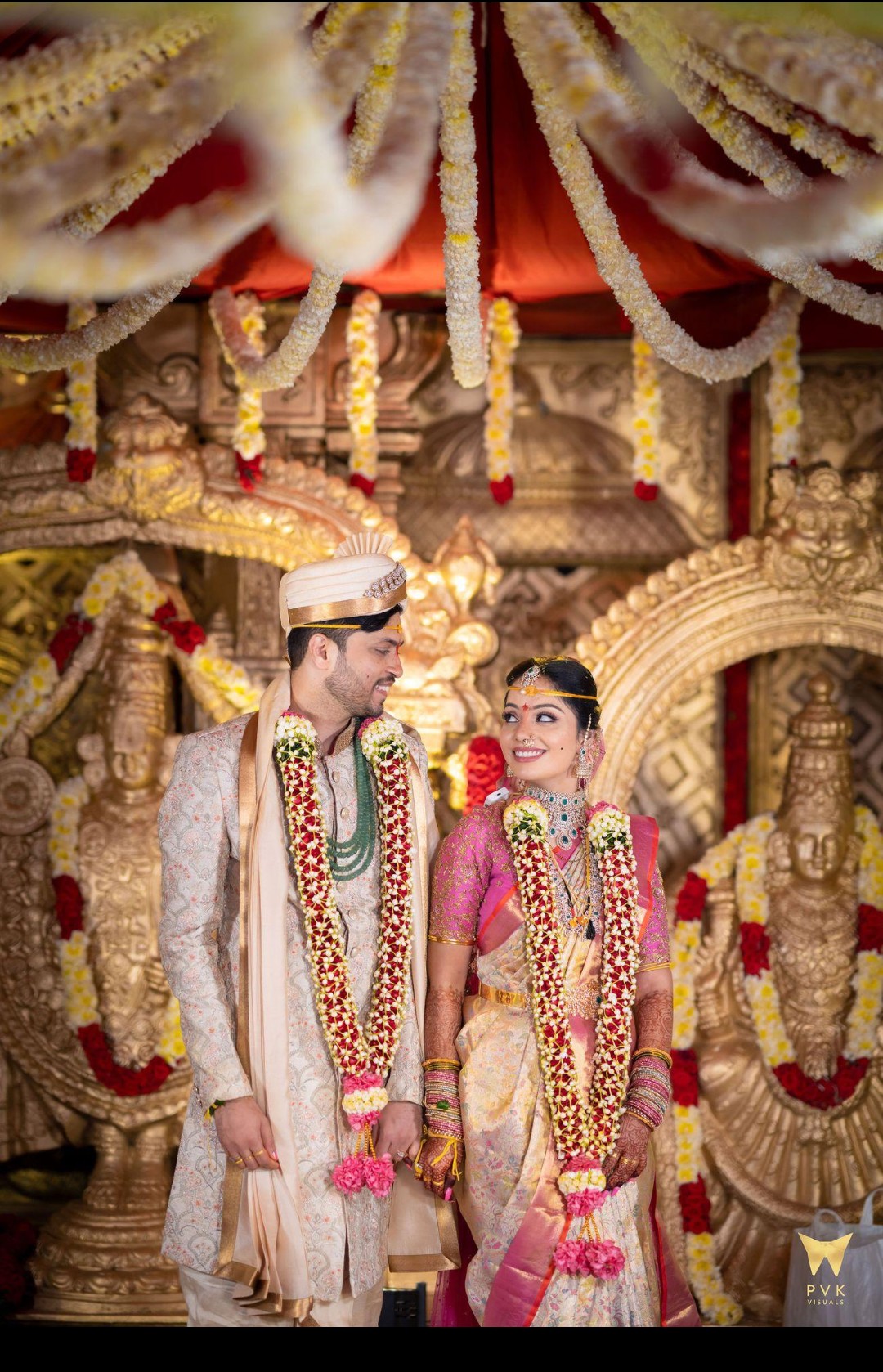
Kamma weddings follow the broader pattern of Telugu Hindu weddings, with some regionally and community-specific customs layered on top of the standard Vedic ceremony. Marriage has traditionally been arranged within the community (endogamous) and outside one's own gotra (exogamous), consistent with wider Hindu practice, although intercaste and inter-regional marriages have become more common in recent decades, particularly among urban and diaspora families.
A typical Kamma wedding includes several stages spread across two or more days:
- Nischitartham: The formal engagement ceremony, at which the two families exchange gifts and formally announce the match and the wedding date.
- Mangala Snanam: A ceremonial purifying bath taken by the bride and groom, separately, on the morning of the wedding.
- Kashi Yatra: A playful ritual in which the groom mock-departs on a pilgrimage to Kashi (Varanasi), symbolising renunciation, before being persuaded by the bride's father to accept marriage instead — a custom shared with many other Telugu and South Indian communities.
- Jeelakarra Bellam: The bride and groom place a paste of cumin seed and jaggery on each other's heads, symbolising their commitment to remain together through life's bitter and sweet moments.
- Kanyadanam and Saptapadi: The bride's father formally gives his daughter in marriage (Kanyadanam), followed by the couple taking seven steps and seven vows around the sacred fire (Saptapadi), the ritual core of a traditional Hindu wedding.
- Mangalsutra/Tali-tying: The groom ties the mangalsutra (a sacred thread or gold pendant) around the bride's neck, marking her as married — functionally similar to a wedding ring in Western custom.
- Appagintalu and reception: Concluding rituals in which the bride's parents formally entrust her to the groom's family, followed by a wedding feast (bhojanam) for guests, traditionally featuring an elaborate vegetarian and non-vegetarian spread.
As with most Indian communities, contemporary Kamma weddings increasingly blend these traditional rituals with modern event formats, and the exact sequence and emphasis of rituals can vary by family, region, and generation.
8. Cuisine
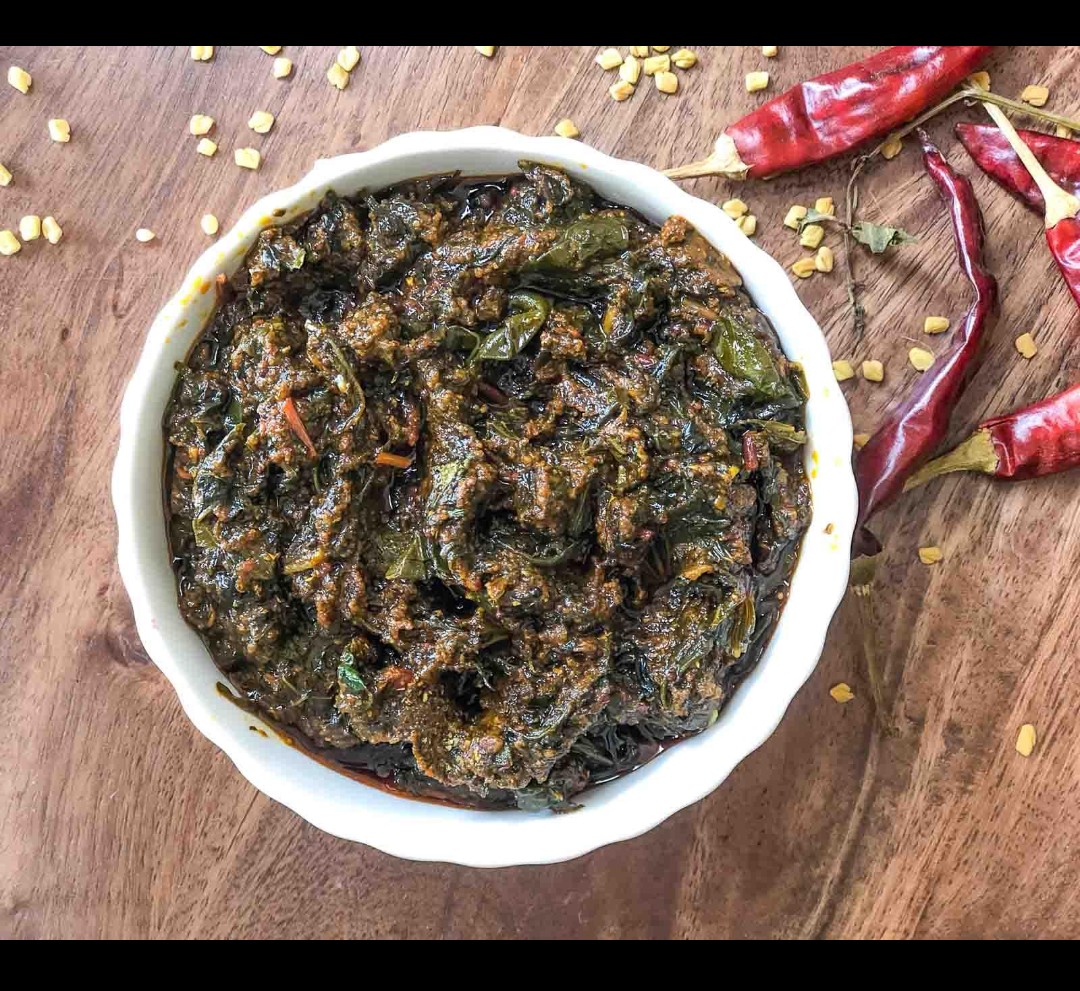
Kamma households, concentrated in the Krishna-Guntur delta, share in the wider culinary tradition of Coastal Andhra cuisine, which is generally recognised as among the spiciest regional cuisines in India, owing in part to the extensive local cultivation of Guntur chillies. Rice is the staple grain, typically served with a range of lentil preparations (pappu), vegetable curries, and pickles.
- Avakaya: A raw mango pickle made with mustard powder, red chilli powder, and sesame oil, considered one of the most iconic condiments of Andhra households and traditionally prepared in large batches during the summer mango season.
- Gongura dishes: Sour sorrel leaves (gongura) are used to make a tangy chutney (gongura pachadi) as well as meat preparations such as gongura mamsam, a dish strongly associated with the coastal Andhra table.
- Pesarattu: A savoury crepe made from whole green gram (moong dal), typically served with ginger chutney and upma, a popular breakfast dish across coastal Andhra.
- Pulusu and vepudu preparations: Tangy tamarind-based stews (pulusu) and dry-roasted vegetable or meat preparations (vepudu/vepachintha), reflecting the region's preference for balancing heat with tamarind's sourness.
- Festive dishes: Sweet preparations such as pootharekulu (a delicate paper-thin rice-starch sweet associated with the Godavari-Krishna belt) and boorelu (sweet stuffed rice-flour dumplings) are traditionally prepared for festivals and weddings.
Vegetarian and non-vegetarian food both feature in community life, with dietary practice varying by family and occasion; many households observe vegetarian meals on specific festival or temple days.
9. Traditional Dress and Ornaments
Traditional dress among Kamma families historically followed the wider conventions of Telugu and South Indian Hindu society rather than developing markedly distinct forms. Women traditionally wore, and continue to wear on formal and ceremonial occasions, silk sarees, with Kanchipuram (Kanjeevaram) silk sarees especially favoured for weddings; gold jewellery — including the mangalsutra, bangles, and earrings — plays an important role in bridal and festive dress, consistent with broader South Indian custom. Men traditionally wore a dhoti (mundu/panchi) with an angavastram (a cloth draped over the shoulder) for formal and religious occasions, a style broadly shared with other landowning Telugu communities of the same period. As across urban India generally, everyday dress today largely follows contemporary fashion, with traditional attire reserved mainly for weddings, festivals, and religious ceremonies.
10. Traditional Housing and Village Life
Historic Kamma homes in rural coastal Andhra typically followed the broader vernacular architecture of the region: spacious tiled-roof houses, often built around a central courtyard, reflecting the community's traditional role as landowning agriculturists with substantial rural residences. Village life traditionally revolved around agriculture, local temples, and, in some areas, hereditary zamindari estates that supported schools and religious institutions. As with much of India, the twentieth century saw a steady shift of families from village agricultural life toward towns and cities such as Vijayawada, Guntur, and Hyderabad, and subsequently abroad, a trend that has continued into the twenty-first century.
11. Education, Livelihoods, and Socioeconomic Profile
Historically an agrarian community whose wealth and status were closely tied to landownership, the Kammas invested significantly in modern education from the late nineteenth and early twentieth centuries onward, a period that saw the founding of numerous schools and colleges in Guntur and Krishna districts, in some cases funded by zamindari families. This early emphasis on education, combined with capital accumulated through agriculture, is widely credited by historians and social scientists with enabling the community's subsequent diversification into modern professions and enterprise.
Today, the community has a significant presence in agriculture and agribusiness, real estate and construction, the pharmaceutical and film industries, banking, engineering, medicine, and public administration. Kamma entrepreneurs have played a prominent role in the growth of Andhra Pradesh's and Telangana's private sector, including in food processing, media, and information technology, and the community is frequently described in socioeconomic surveys and journalistic accounts as among the wealthier landowning communities of the Telugu states.
12. Diaspora
From the second half of the twentieth century, and accelerating from the 1990s with the growth of the information-technology and engineering sectors, many Kamma families have emigrated from Andhra Pradesh and Telangana to other parts of India and abroad. Significant diaspora communities exist in the United States (including the San Francisco Bay Area, the New York/New Jersey area, and Texas), the United Kingdom, Canada, and Australia, as well as substantial numbers working in the Gulf Cooperation Council countries. Diaspora Telugu associations — including broad-based organisations such as the Telugu Association of North America (TANA) and the American Telugu Association (ATA), which serve the wider Telugu-speaking community rather than any single caste group — host regular cultural conventions, and Kamma families are active participants in these as well as in more community-specific social and matrimonial networks. Diaspora communities generally maintain Telugu-language practice at home, celebrate Telugu festivals, and retain strong family and philanthropic ties to their ancestral districts in Andhra Pradesh.
13. Notable Figures
13.1 Politics and Public Life
- N. T. Rama Rao (1923–1996): Iconic Telugu film actor who founded the Telugu Desam Party in 1982 and served multiple terms as Chief Minister of Andhra Pradesh.
- Nara Chandrababu Naidu (b. 1950): Senior Telugu Desam Party leader; has served multiple terms as Chief Minister of undivided and residuary Andhra Pradesh, and is credited with helping develop Hyderabad's information-technology sector in the 1990s.
- Nandamuri Lokesh (b. 1983) and other Nandamuri-family politicians: Members of the extended Nandamuri and Naidu political families remain active in Andhra Pradesh politics.
- N. G. Ranga (1900–1995): Prominent farmers'-movement leader and parliamentarian from Guntur district, regarded as one of the pioneers of the Indian kisan (peasant) movement.
13.2 Media and Business
- Ramoji Rao (1936–2024): Founder of the Eenadu newspaper group, Ramoji Film City, and the Margadarsi group of companies; one of the most influential media entrepreneurs in the Telugu states.
- Vasireddy Venkatadri Naidu (1761–1816): Zamindar who founded and developed the town of Amaravati in the early nineteenth century and undertook significant temple restoration and public works in the Krishna delta region.
13.3 Cinema
- The Nandamuri family: Beginning with N. T. Rama Rao, this family has produced multiple generations of leading Telugu film actors, including Nandamuri Balakrishna, Nandamuri Harikrishna, N. T. Rama Rao Jr. (Jr. NTR), and Nandamuri Kalyan Ram.
- Ghattamaneni Krishna (1943–2022) and the Ghattamaneni/Akkineni families: Krishna was a leading Telugu actor of the 1960s–80s; his son-in-law's family, the Akkinenis (including veteran actor Akkineni Nagarjuna and his son Naga Chaitanya), and the related Daggubati family (including actor Venkatesh) are also prominent in Telugu cinema.
- Mahesh Babu (b. 1975): Son of actor Krishna Ghattamaneni, and one of contemporary Telugu cinema's leading stars.
13.4 Literature and Social Reform
- Regional literary and educational patronage: Several Kamma zamindari and landowning families historically funded Telugu-medium schools, colleges, and literary institutions in Guntur and Krishna districts, contributing to the spread of modern education in the region during the late colonial period.
This list is illustrative of individuals whose Kamma community background is documented in published historical or journalistic sources; it is not exhaustive, and the community has produced many more individuals of note across public life, academia, and the professions.
14. Contemporary Reflections
Contemporary discussion of the Kamma community in scholarly and journalistic writing on Andhra Pradesh most often centres on two themes. The first is the community's disproportionate historical influence in landholding, cinema, media, and state politics relative to its modest population share, a pattern noted by sociologists studying “dominant castes” in South Indian states more broadly. The second is the community's transformation over roughly a century from a predominantly rural, agrarian identity to a highly urbanised and globally dispersed one, marked by heavy investment in education, professional migration, and diaspora settlement — a trajectory shared, to varying degrees, with several other landowning communities across South India.
As with many caste communities in modern India, questions of caste identity, endogamy, and political representation continue to be discussed within the community and in Andhra Pradesh's wider public life, particularly as younger and diaspora generations navigate changing social and marital norms.
15. Conclusion
The Kamma community's documented history reflects a trajectory from medieval military and administrative service under the Kakatiya and Vijayanagara kingdoms, through several centuries as a landowning agrarian community in the Krishna-Godavari delta, to a modern identity shaped by education, entrepreneurship, cinema, media, and political life across the Telugu-speaking states and a growing global diaspora. While the earliest chapters of the community's history rest on inscriptional fragments, colonial-era ethnography, and oral genealogical tradition rather than continuous documentary record, its more recent history — from the nineteenth-century zamindari era to its contemporary prominence in Andhra Pradesh and Telangana life — is well documented in historical and journalistic scholarship. Today, the Kammas remain one of the most economically and politically influential communities of the Telugu-speaking world, while continuing to maintain distinct family, culinary, and ceremonial traditions rooted in their agrarian coastal Andhra homeland.
References
- [1][1] Wikipedia. “Kamma (caste).” https://en.wikipedia.org/wiki/Kamma_(caste)
- [2][2] Wikipedia. “Kammanadu.” https://en.wikipedia.org/wiki/Kammanadu
- [3][3] Wikisource. “Castes and Tribes of Southern India/Kamma” (Edgar Thurston, 1909). https://en.wikisource.org/wiki/Castes_and_Tribes_of_Southern_India/Kamma
- [4][4] Wikipedia. “Vaduga.” https://en.wikipedia.org/wiki/Vaduga
- [5][5] Wikipedia. “Nandamuri.” https://en.wikipedia.org/wiki/Nandamuri
- [6][6] Wikipedia. “Eenadu.” https://en.wikipedia.org/wiki/Eenadu
- [7][7] Wikipedia. “Andhra cuisine.” https://en.wikipedia.org/wiki/Andhra_cuisine
- [8][8] Wikipedia. “Kuladevata.” https://en.wikipedia.org/wiki/Kuladevata
- [9][9] The Federal. “How Reddys, Kammas, Velamas made it to Hyderabad billionaires' list.” https://thefederal.com/states/south/andhra-pradesh/how-reddys-kammas-velamas-made-it-to-hyderabad-billionaires-list
- [10][10] Kamboj Society. “Kamma Community.” https://www.kambojsociety.com/post/kamma-community
- [11][11] Kammavar Kalyanamalai. “Kamma Community History and Origins.” https://www.kammavarkalyanamalai.com/naicker_naidu_history.php
- [12][12] Matrimonials India. “Kamma Caste and Gotra: Origins, Traditions, and Lineage.” https://www.matrimonialsindia.com/blog/kamma-caste.htm
- [13][13] The News Minute. “How caste is integral to the functioning of the Telugu film industry.” https://www.thenewsminute.com/article/how-caste-integral-functioning-telugu-film-industry-114627
- [14][16] Subhamastu. “The Origin of Kamma Community” and related wedding-ritual articles. https://blog.subhamastu.co/