

Lingayat Community
A community for Lingayats to explore ancestry, DNA connections, family history, heritage, culture, and the teachings of Basavanna.
Lingayats of Karnataka
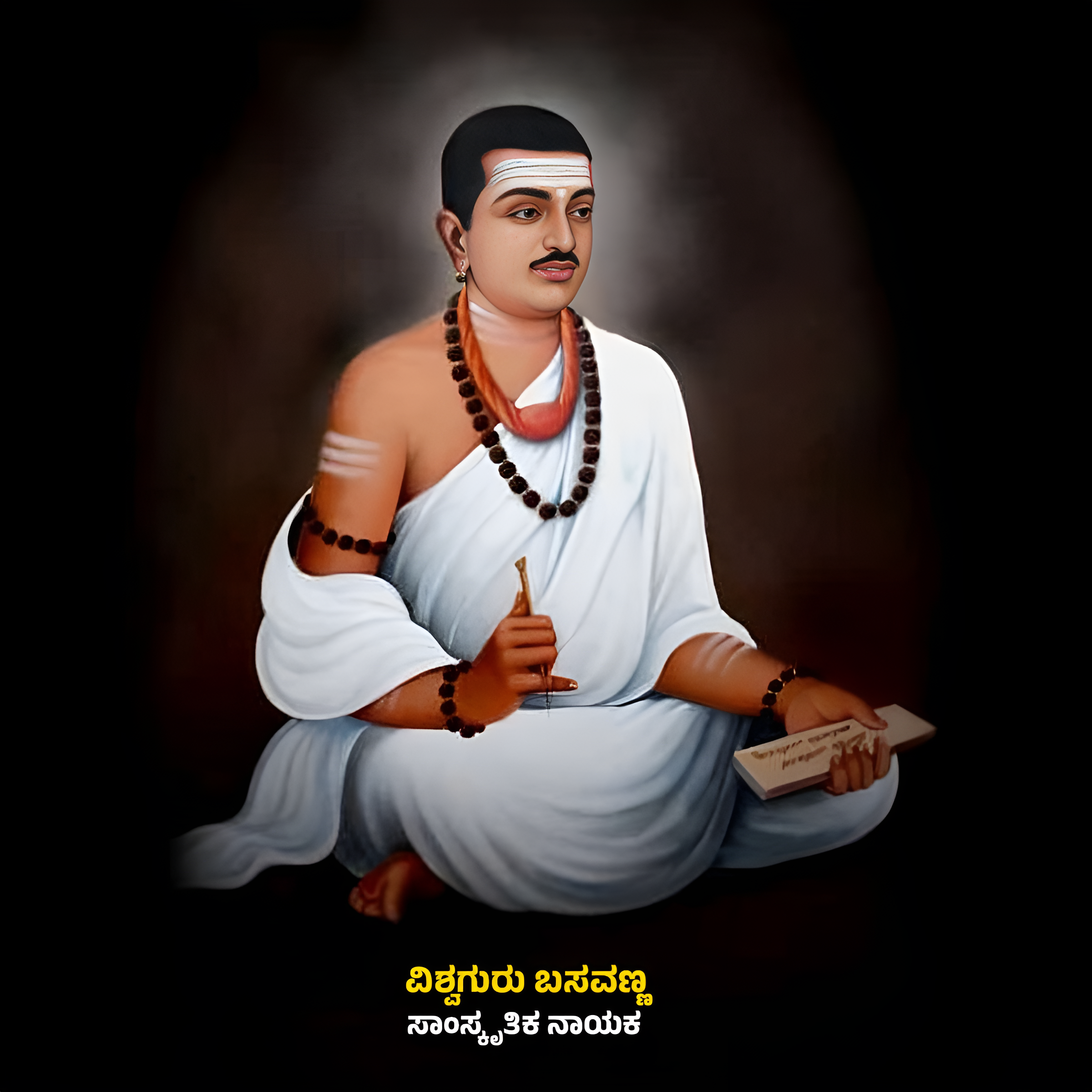
History, Philosophy, and Culture of the Veerashaiva–Lingayat Community
1. Introduction: Who Are the Lingayats?
The Lingayats are a Shiva-worshipping religious community of India, concentrated overwhelmingly in the state of Karnataka, with substantial populations in Maharashtra, Telangana, and Tamil Nadu, and smaller communities across the Indian diaspora in the United States, the United Kingdom, and Australia. They are also historically known as Veerashaivas ("ardent, heroic worshippers of Shiva"), and in older literature as Lingawants, Lingangis, or Sivabhaktas. Estimates place the Lingayat population of Karnataka at over 15.8 million, roughly 16-17 percent of the state, with about 6.7 million in Maharashtra and around 1.5 million in Telangana, making them one of the most numerically and politically significant communities in South India.
Lingayats are defined by their devotion to Shiva in the personal, portable form of the Ishtalinga, a small oval emblem that every adherent, regardless of gender or birth, wears at all times in a silver box on a necklace. The community traces its systematic origins to the 12th-century philosopher-statesman Basava (Basavanna) and is known historically for a strong ethic of social egalitarianism, opposition to caste distinctions and Brahmanical ritualism, and an emphasis on personal devotion over temple- and priest-mediated worship.
2. Origins and Historical Development
2.1 Pre-Basava Roots: The Sharana Movement
The intellectual and devotional roots of Lingayat thought are traced to the Sharana movement, which began in the 11th century in a region spanning northern Karnataka, an area that was at the time a stronghold of both Jainism and older forms of Shaivism, including the Kalamukha tradition. Inspired by the Tamil Nayanar Shaiva saints of the 7th-11th centuries, the Sharana movement emphasised direct, personal religious experience over dogmatic, text-bound ritual.
2.2 Basava and the Founding of the Community
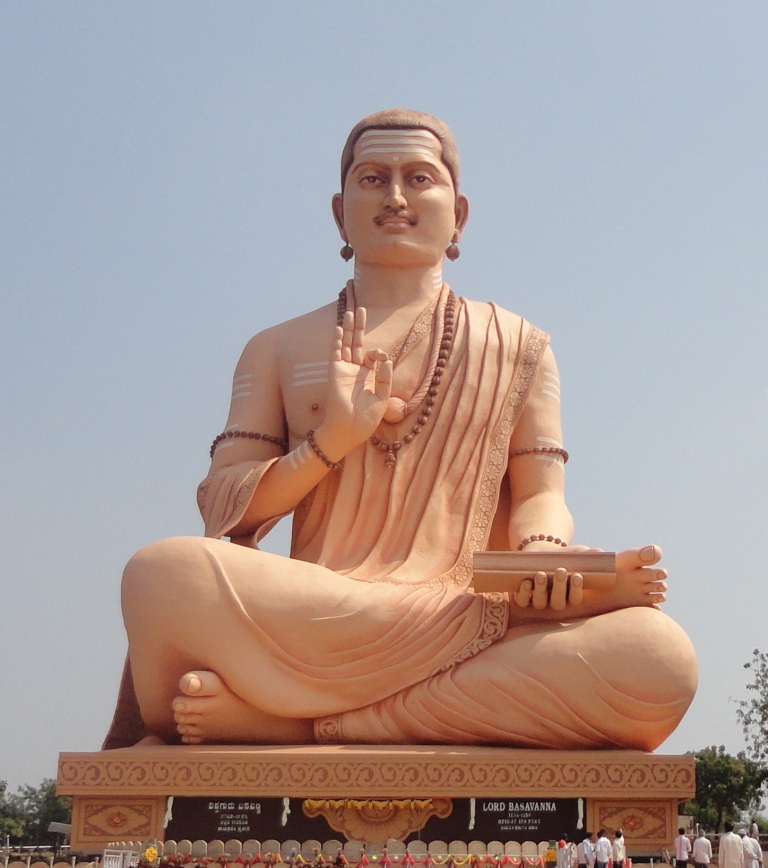
Basava (1131-1196 CE) was a Kannada poet, philosopher, and statesman who served as a minister in the court of the Kalachuri king Bijjala II (r. 1157-1167) at Kalyana in present-day Karnataka. Born into a Brahmin family with a Shaiva tradition, Basava developed and inspired a reformist devotional movement that rejected caste and gender discrimination, temple ritualism led by Brahmin priests, and the wearing of the sacred thread, replacing these with the universal practice of wearing a personal Ishtalinga as a constant reminder of one's devotion (bhakti) to Shiva. As chief minister, Basava also established the Anubhava Mantapa ("Hall of Spiritual Experience"), a unique public forum where men and women of all social backgrounds could gather to discuss spiritual and worldly questions -- an institution historians regard as remarkably democratic for its time.
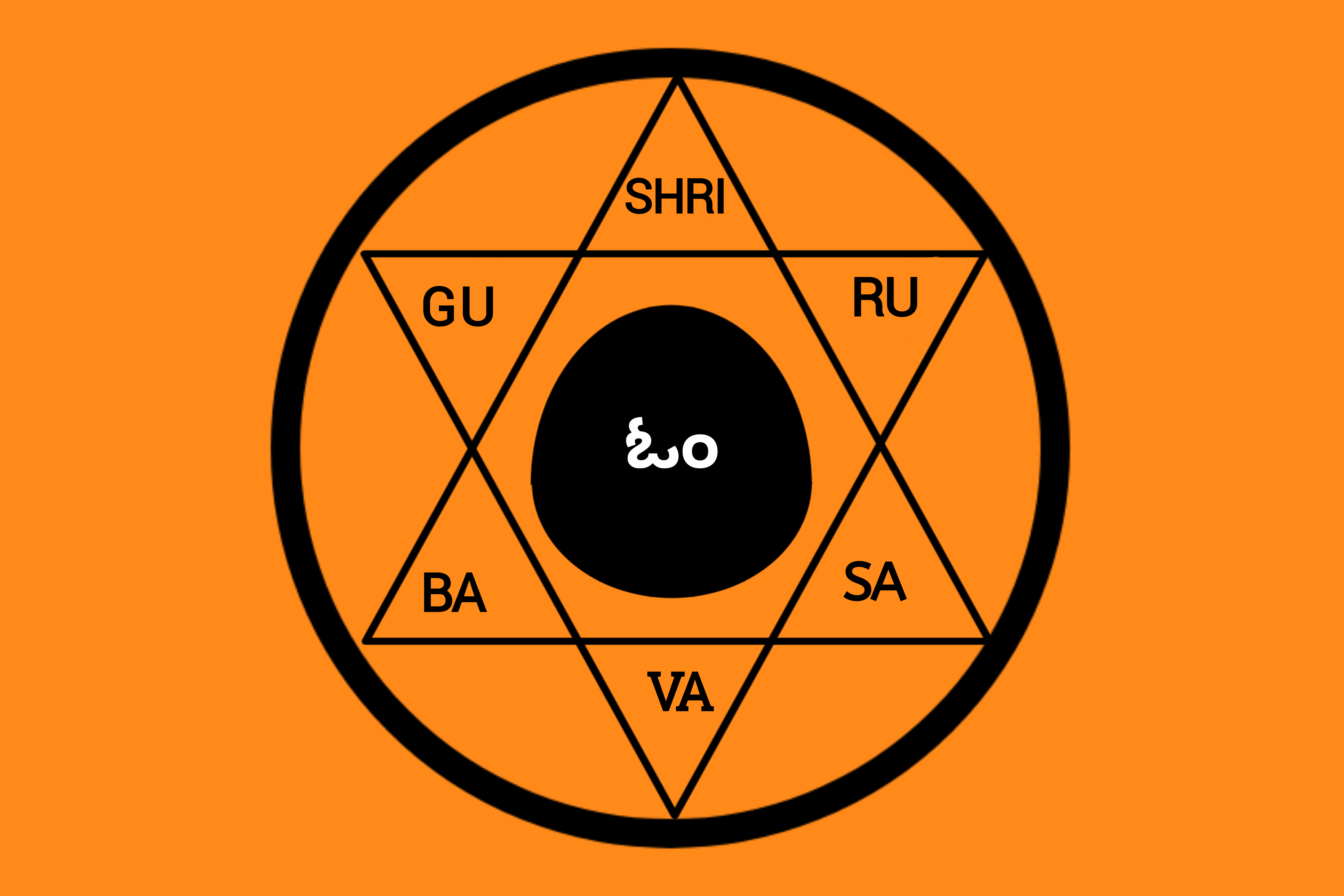
Basava's teachings survive in the form of Vachanas, pithy devotional poems composed in everyday Kannada rather than classical Sanskrit, which remain the philosophical and literary foundation of the Lingayat faith. Other major poet-saints of this founding generation include Allama Prabhu, who presided over the Anubhava Mantapa, and Akka Mahadevi, one of the most celebrated woman mystics of Indian religious history. After initial royal patronage, tensions arose between Basava's rejection of caste hierarchy and the traditional social order; following Bijjala's assassination in 1168, many Sharanas dispersed from Kalyana and carried the movement across a wider area of southern India.
2.3 Consolidation and Later History
After Basava's death, his nephew Channabasava is credited with organising the community and systematising Veerashaiva theology. In the 14th-15th centuries, Lingayats experienced a significant revival in northern Karnataka under the patronage of the Vijayanagara Empire, whose rulers sponsored major Lingayat texts such as the Shunyasampadane and an expanded Kannada version of the Basava Purana (1369), an epic poem narrating Basava's life. Lingayat warrior-merchants and generals played a notable military role for Vijayanagara, and a Lingayat dynasty, the Nayakas of Keladi (also called Ikkeri), later ruled the coastal Karnataka region until the late 18th century, building temples, seminaries, and trading towns.
During the colonial period, British administrators such as Francis Buchanan documented Lingayats as a wide and diverse conglomeration of castes and occupational groups united by a shared eclectic and relatively egalitarian religious identity that accepted converts from many social strata. In the 1871 and 1881 censuses, Lingayats were classified as Shudras, a categorisation the community contested for decades; in 1926, the Bombay High Court ruled that Veerashaivas were not Shudras. Through the 20th century, the community became increasingly prominent in education, journalism, the judiciary, and eventually electoral politics in Karnataka.
3. Lingayat and Veerashaiva: Terminology and Identity
The terms "Lingayat" and "Veerashaiva" have historically been used interchangeably, and most Lingayats consider Lingayatism a devotional sect within Hinduism, centred on Shiva worship in the Ishtalinga form. "Veerashaivism" is generally used to describe the broader philosophical and theological system, including its own account of five ancient teachers (Panchacharyas) said to have transmitted the faith even before Basava's time, while "Lingayat" more often refers to the modern community and its followers.
In recent decades, a section of community leaders and scholars has argued that Lingayatism, with its rejection of Vedic ritual authority and caste, constitutes beliefs and practices distinct enough to be recognised as a separate religion rather than a Hindu sect, a position that has been the subject of public debate and periodic political discussion in Karnataka, including a 2018 state-government recommendation that was not accepted by the central government. Other sections of the community, particularly those identifying more closely as Veerashaiva, consider Lingayats and Veerashaivas to be one and the same Hindu community. This is an ongoing, good-faith internal discussion within the community about identity and self-definition, rather than a settled historical fact, and views on it vary among Lingayats themselves.
4. Religious Beliefs and Philosophy
Lingayat theology centres on Shiva as the one Supreme Being, worshipped in the iconographic form of the Ishtalinga rather than in large temple icons. Philosophically, Lingayat thought has been described by scholars as a form of qualified monism or qualified non-dualism (similar in structure to the Vishishtadvaita of the 11th-century philosopher Ramanuja), in which the individual soul (Atman) is understood to be intimately united with, though not simply identical to, Shiva. Some traditional Veerashaiva scholars, such as Sripati in the Srikara Bhashya, articulated this as a Vedantic school in its own right.
A distinctive feature of Lingayat doctrine is the Shatsthala (six-stage) path of spiritual progress, which describes the soul's gradual journey from being a simple devotee, through stages of discipleship and receiving divine grace, to final union (aikya) with Shiva. Lingayats accept the broader Indian concept of karma and the transmigration of the soul, but traditionally hold that a sincerely devoted follower is living their last life and will be reunited permanently with Shiva at death rather than being reborn -- a belief that led some early Western observers to mistakenly conclude that Lingayats reject reincarnation altogether.
Central to Lingayat ethical life are the Panchachara, or five codes of conduct: Lingachara (daily worship of the Ishtalinga), Sadachara (attention to one's vocation and duty, guided by Basava's seven precepts against theft, violence, falsehood, self-praise, criticism of others, anger, and intolerance), Shivachara (recognising Shiva as supreme and upholding the equality of all people), Bhrityachara (compassion towards all living beings), and Ganachara (defence of the community and its values). Alongside these, the Ashtavarana describes eight protective observances, including reverence for one's Guru, constant wearing of the Linga, respect for wandering Shaiva ascetics (Jangamas), smearing of sacred ash (vibhuti), and recitation of the Namah Shivaya mantra.
Two further ideas anchor Lingayat social ethics: Kayaka, the principle that honest work and labour of any kind is itself a form of worship ("Kayakave Kailasa", or "work is heaven"), and Dasoha, the practice of selflessly sharing one's time, effort, and resources with the community and with religious mendicants. Together these concepts underline a philosophy in which spiritual merit is earned through ethical labour and generosity rather than through birth, ritual, or caste position.
5. Ishtalinga Worship and Religious Practice
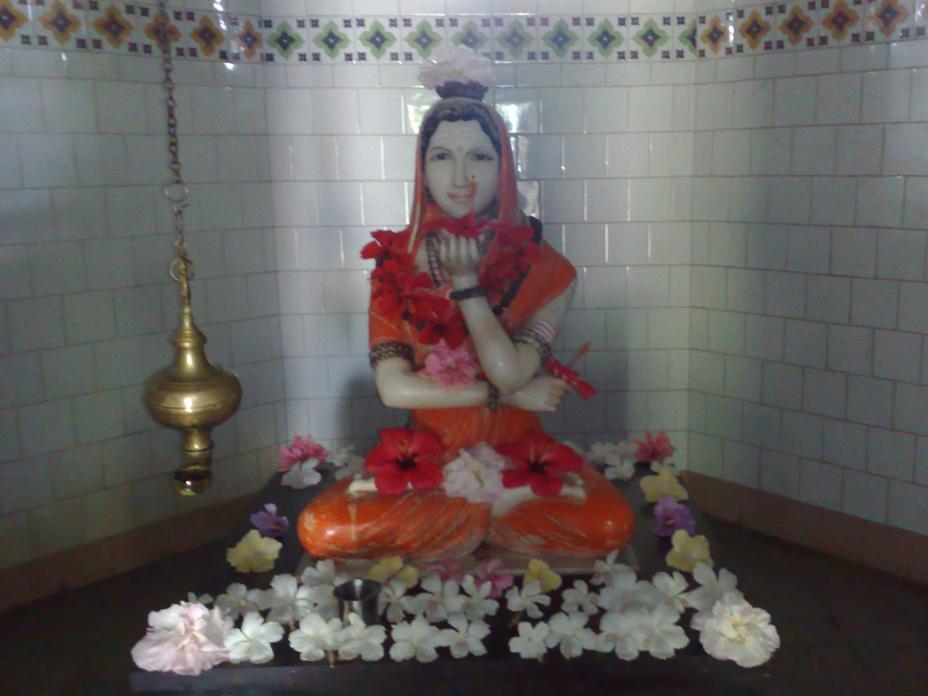
The Ishtalinga is a small, oval, blue-black stone icon coated in a durable paste and kept in a silver or wooden box worn on a necklace over the chest at all times, symbolising the deity dwelling within the devotee's own heart. Traditionally, the initiation ceremony of Lingadharane may take place when a child is still in the womb (around seven to eight months), when the family Guru performs a puja and gives an Ishtalinga to the mother; at birth this Linga is tied to the newborn. Between roughly eight and eleven years of age, the child receives formal Diksha (initiation) from the family Guru, learning the correct procedure for daily worship.
Each day, a devout Lingayat removes the Ishtalinga from its box, places it in the left palm, offers worship (puja), and meditates on becoming one with the Linga as part of a personal, twice- or thrice-daily devotional practice -- a form of worship that notably does not require the mediation of a Brahmin priest. Worship in Lingayat temples, where they exist, is led instead by Lingayat priests known as Jangamas.
Death rites are also distinctive: unlike the cremation practised in most Hindu traditions, deceased Lingayats are traditionally buried in a seated, meditative posture, holding their personal Linga, reflecting the belief in ultimate union with Shiva.
6. Scriptures and Literature

Lingayats do not accord ultimate scriptural authority to the Vedas, Puranas, or Brahmanical ritual texts, though the tradition does not reject Vedic learning outright; rather, it treats such texts as a means rather than a final authority, and several early Veerashaiva writers described their tradition as consistent with core Vedic and Upanishadic teaching. The primary and most sacred literature of the Lingayats is the Vachana Sahitya, a body of devotional free-verse poetry composed in Kannada by Basava and his contemporaries, including Allama Prabhu, Akka Mahadevi, and Siddharama.
Other key texts include the Basava Purana, a hagiographic epic on the life of Basava (composed in Telugu by Palkuriki Somanatha in the 13th century and rendered into Kannada by Bhima Kavi in 1369); the Shunyasampadane, a philosophical dialogue text built from discussions at the Anubhava Mantapa; the Siddhanta Shikhamani, a Sanskrit systematisation of Veerashaiva doctrine; and works such as Mantra Gopya and Karana Hasuge, associated with the broader Vachana tradition.
7. Social Structure and Contemporary Standing
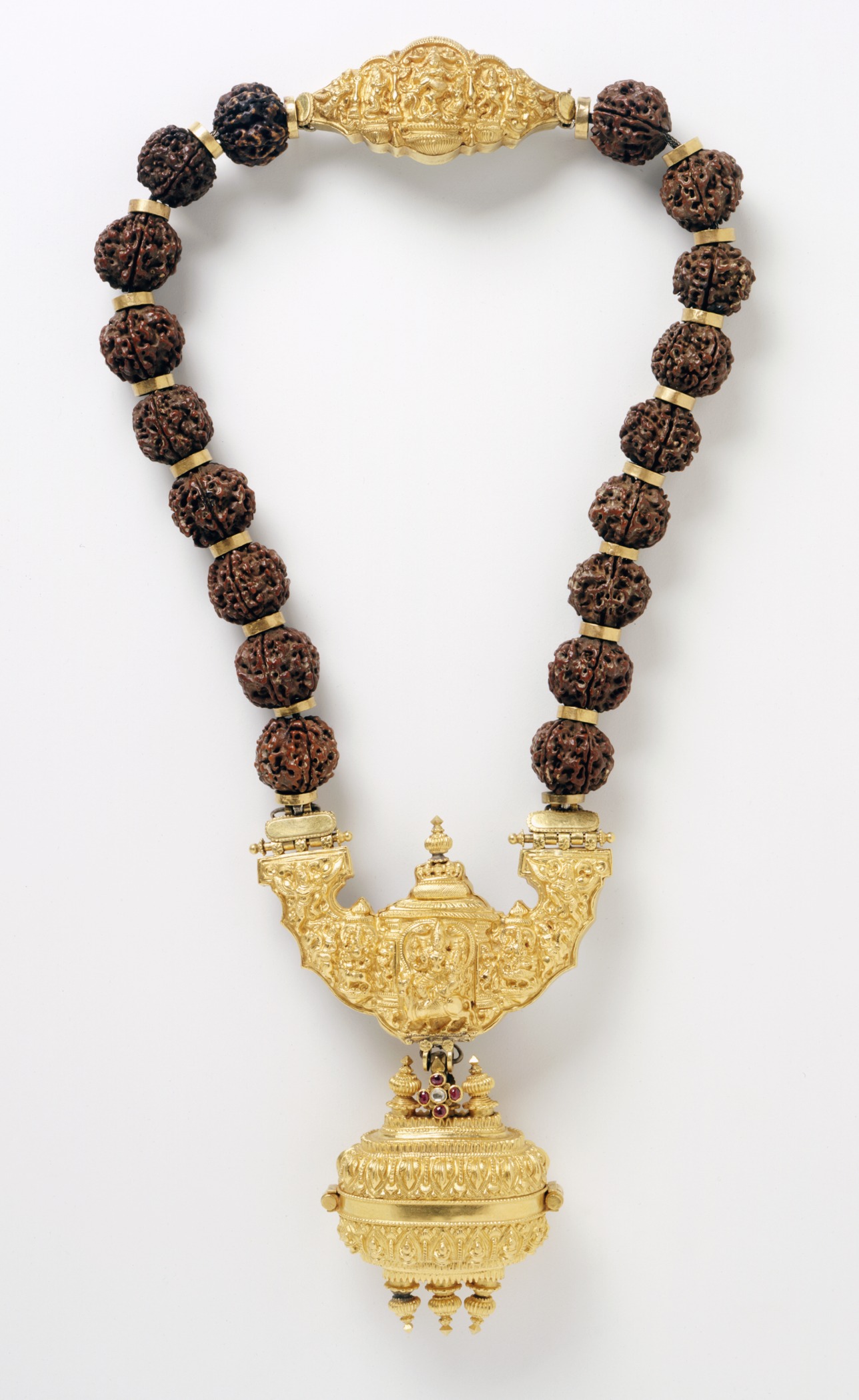
Today, the Lingayat community is internally diverse, comprising numerous sub-groups and occupational castes that were historically absorbed into the wider Veerashaiva-Lingayat fold, including trading, agricultural, and artisan groups. In Karnataka and Telangana, Veerashaiva-Lingayats receive Other Backward Class (OBC) reservation status at the state level, and a number of Lingayat sub-castes are separately recognised under OBC or Scheduled Caste categories by the central government, reflecting the socio-economic diversity within the community.
Lingayat mathas (monasteries), historically organised into more conservative Gurusthala institutions and the reform-oriented Virakta orders associated with Basava's ideals, continue to serve as important centres of education, philanthropy, and religious authority across Karnataka. The community has been especially influential in Karnataka's modern politics, business, agriculture, and education sectors, and has produced a number of the state's chief ministers over the decades.
8. Festivals and Worship
Alongside their distinctive Ishtalinga worship, Lingayats participate in many festivals shared with the broader Hindu calendar, including Shivaratri, which holds particular significance given the community's Shiva-centred faith, and Ganesha Chaturthi, which colonial-era records confirm was already being observed by Lingayat communities in the 19th century. The community also celebrates the jayantis (birth anniversaries) of Basava and other Sharana saints as major religious occasions. Many rural Lingayat households include images of Shiva, Parvati, and Ganesha in wedding invitations, reflecting the blending of Ishtalinga-centred devotion with wider South Indian Hindu practice.
Important Lingayat pilgrimage and worship sites include historic Shiva temples maintained by Lingayat priests rather than Brahmin priests, such as the Veerabhadra Temple at Belagavi (Yadur), as well as numerous samadhis (memorial shrines) of Lingayat saints across Karnataka.
9. Marriage and Wedding Traditions
Lingayat weddings are traditionally simple compared to some other South Indian communities, but are rich in distinct ritual and typically extend over three to four days. Common ceremonies include:
- Nandi puja - a pre-wedding ritual performed separately at the homes of the bride and groom, invoking the blessing of Nandi (Shiva's bull) for an obstacle-free wedding, and marking the raising of the first ceremonial pole of the wedding pandal (booth).
- Videghalne - an announcement ceremony in which the family priest formally announces the wedding to relatives and community elders, with betel leaves distributed as an auspicious gesture.
- Kashi Yatre - a playful pre-wedding custom in which the groom humorously pretends to renounce worldly life for a pilgrimage to Kashi (Varanasi), before being "persuaded" by the bride's uncle to proceed with the marriage; the ritual is typically accompanied by feasting and lighthearted teasing among relatives.
- Dev Karya and Ganesha puja - the wedding materials are placed before an image of Ganesha for blessings, followed by the application of turmeric (haldi) to the bride and groom by family members.
- Mandap puja and Var puja - rituals to sanctify the wedding hall, followed by the bride's father ceremonially washing the groom's feet and offering him new garments.
- Garlanding and the nuptial ceremony - the bride and groom exchange garlands across a ceremonial white cloth held between them while priests recite wedding mantras; in many Kannada weddings, a sacred thread or mangalsutra is tied by five married women as an auspicious symbol of the union.
- Kanyadaan and Griha Pravesha - the formal giving away of the bride, followed after the wedding by her ceremonial entry into the groom's household, and a concluding community feast reflecting the Lingayat value of Dasoha (communal sharing).
Because Lingayat social ethics emphasise simplicity and the equal dignity of labour, traditional Lingayat weddings have historically avoided excessive display, and community feasts have long served the additional social function of Dasoha, or shared provisioning, particularly for the less privileged.
10. Cuisine
Lingayat cuisine, especially as practised in North Karnataka (the historic heartland of the community around Dharwad, Hubballi, Belagavi, and Bijapur), is strictly vegetarian, reflecting the doctrine of Bhrityachara (compassion towards all creatures), and is built around millets rather than rice.
- Jolada rotti - a large, hand-flattened unleavened flatbread made from jowar (sorghum) flour, the staple bread of North Karnataka and a hallmark of traditional Lingayat households and eateries (khanavalis).
- Ennegayi (yenne badanekayi) - small brinjals (eggplants) stuffed with a spiced peanut-and-sesame masala and slow-cooked in oil, one of the most iconic accompaniments to jolada rotti.
- Palya and saaru - an array of sauteed vegetable and lentil dishes (palya) and thin, tangy soups (saaru), such as green gram curry (hesarukaal palya) and buttermilk curry (majjige saaru).
- Jhunka - steamed cubes of spiced gram (chickpea) flour, dusted with sesame seeds and coriander, a distinctive North Karnataka preparation.
- Chutney pudis - dry, roasted spice and lentil powders (such as shenga hindi, made from groundnuts) that are eaten with rotti and yoghurt or ghee, a practical way of adding protein and flavour to an otherwise simple vegetarian thali.
Devout Lingayat households traditionally also avoid alcohol, in keeping with the community's ethical code. Lingayat-run khanavalis (eateries) in cities such as Hubballi and Dharwad remain well known locally for serving this simple, home-style vegetarian thali.
11. Dress and Personal Symbols
The single most distinguishing visible marker of Lingayat identity is the Ishtalinga itself, worn at all times by both men and women in a small silver or wooden box on a cord or necklace, resting over the chest. Devout members may also wear a string of rudraksha beads and apply vibhuti (sacred ash) to the forehead and body as a daily devotional practice, both prescribed among the eight Ashtavarana observances.
Traditional everyday and ceremonial dress otherwise follows broader Kannada regional custom: men have traditionally worn a dhoti (panche) with an angavastram (upper cloth) or shirt, and women a sari, with regional variants of the nine-yard style historically common in parts of North Karnataka. At weddings, the groom's angavastram and the bride's sari-end (pallav) are ceremonially tied together during the nuptial rites as a symbol of the couple's union.
12. Folklore and Oral Tradition
The community's foundational memory is carried above all by the Vachanas, the pithy, direct free-verse poems of Basava, Akka Mahadevi, Allama Prabhu, and other 12th-century Sharanas, composed in everyday Kannada rather than Sanskrit specifically so that ordinary people, regardless of caste, gender, or education, could access spiritual teaching directly -- a deliberately democratising literary and oral tradition. These Vachanas continue to be recited, sung, and studied widely in Karnataka today, both as devotional literature and as some of the earliest and most celebrated works of Kannada literature.
The Basava Purana and the Shunyasampadane preserve a rich hagiographic and dialogic tradition recounting the lives and philosophical debates of the early Sharanas, and continue to inform community storytelling, religious teaching, and regional performing arts in Karnataka.
13. Prominent Figures
13.1 Founding Saints and Philosophers
- Basava (1131-1196) - founder-reformer of the Lingayat movement, Kannada poet, philosopher, and chief minister to the Kalachuri king Bijjala II.
- Allama Prabhu - 12th-century mystic philosopher who presided over the Anubhava Mantapa.
- Akka Mahadevi - 12th-century woman mystic and Vachana poet, among the most celebrated figures in Kannada devotional literature.
- Channabasava - Basava's nephew, credited with systematising Veerashaiva theology after Basava's death.
- Siddharama - 12th-century Sharana saint and philosopher associated with debates on karma recorded in the Shunyasampadane.
13.2 Modern Public Life
- B. S. Yediyurappa - veteran Karnataka politician and former Chief Minister of Karnataka, among the community's most prominent modern political figures.
- Siddaramaiah - Chief Minister of Karnataka, closely associated with public debate on Lingayat community identity in recent years.
This list is illustrative rather than exhaustive; the Lingayat community has produced a substantial number of religious leaders, scholars, writers, and political and business figures across Karnataka and beyond over the past nine centuries.
14. Diaspora
While the overwhelming majority of Lingayats remain concentrated in Karnataka, with significant populations in Maharashtra, Telangana, and Tamil Nadu (where the community is sometimes known as Veera Saiva Bandarathar), smaller diaspora communities exist in the United States, the United Kingdom, and Australia, generally as part of the broader wave of professional and skilled emigration from South India from the later 20th century onward. Diaspora Lingayat associations in these countries work to maintain community ties, Vachana study, and festival observance among members living abroad.
15. Conclusion
The Lingayats represent one of India's most historically significant devotional and social reform movements: a community founded on the 12th-century teachings of Basava and his fellow Sharanas, defined by the deeply personal practice of Ishtalinga worship, an ethical code built around honest work (Kayaka) and communal sharing (Dasoha), and an enduring literary legacy in the Kannada Vachanas. From the millet-based vegetarian cuisine of North Karnataka to the philosophical dialogues of the Anubhava Mantapa, and from distinctive wedding customs to a living tradition of daily personal devotion, the Lingayat community continues to occupy a central place in the religious, cultural, and civic life of Karnataka and the wider Kannada-speaking world.
References
- [1]1. Wikipedia. "Lingayats." https://en.wikipedia.org/wiki/Lingayats
- [2]2. Encyclopedia Britannica. "Lingayat: Hindu sect." https://www.britannica.com/topic/Lingayat
- [3]3. Encyclopedia Britannica. "Basava." https://www.britannica.com/biography/Basava
- [4]4. Wikipedia. "Basava." https://en.wikipedia.org/wiki/Basavanna
- [5]5. Wikipedia. "Vachana sahitya." https://en.wikipedia.org/wiki/Vachana_sahitya
- [6]6. Wikipedia. "Anubhava Mantapa." https://en.wikipedia.org/wiki/Anubhava_Mantapa
- [7]7. Wikipedia. "Basava Purana." https://en.wikipedia.org/wiki/Basava_Purana
- [8]8. Wikipedia. "Shunyasampadane." https://en.wikipedia.org/wiki/Shunyasampadane
- [9]9. Wikipedia. "Panchachara." https://en.wikipedia.org/wiki/Panchachara
- [10]10. Wikipedia. "Ashtavarana." https://en.wikipedia.org/wiki/Ashtavarana
- [11]11. Wikipedia. "Ishtalingam." https://en.wikipedia.org/wiki/Ishtalingam
- [12]12. Outlook Traveller. "North Karnataka Cuisine." https://www.outlookindia.com/traveller/cuisine/north-karnataka-cuisine
- [13]13. Indic Civilizational Portal. "The Vegetarian Karnataka Cuisine Primer." https://indicportal.org/the-vegetarian-karnataka-cuisine-primer/
- [14]14. LingayatMatrimony.com. "Wedding Customs - Lingayat." https://www.lingayatmatrimony.com/articles/wedding-customs-lingayat.php
- [15]15. Jothishi.com. "Lingayat Marriage: The Colourful Rituals and Traditions." https://jothishi.com/lingayat-marriage-the-colourful-rituals-and-traditions/
- [16]16. The Hindu. "Terms of separation." (Chandan Gowda, 23 March 2018) https://www.thehindu.com/opinion/lead/terms-of-separation/article23325308.ece
- [17]17. Schouten, J. P. (1995). Revolution of the Mystics: On the Social Aspects of Virasaivism. Motilal Banarsidass.
- [18]18. Ramanujan, A. K. (1973). Speaking of Siva. Penguin Classics.