What happened to the Indus valley people?
What happened to the Indus valley people?
A family on the road
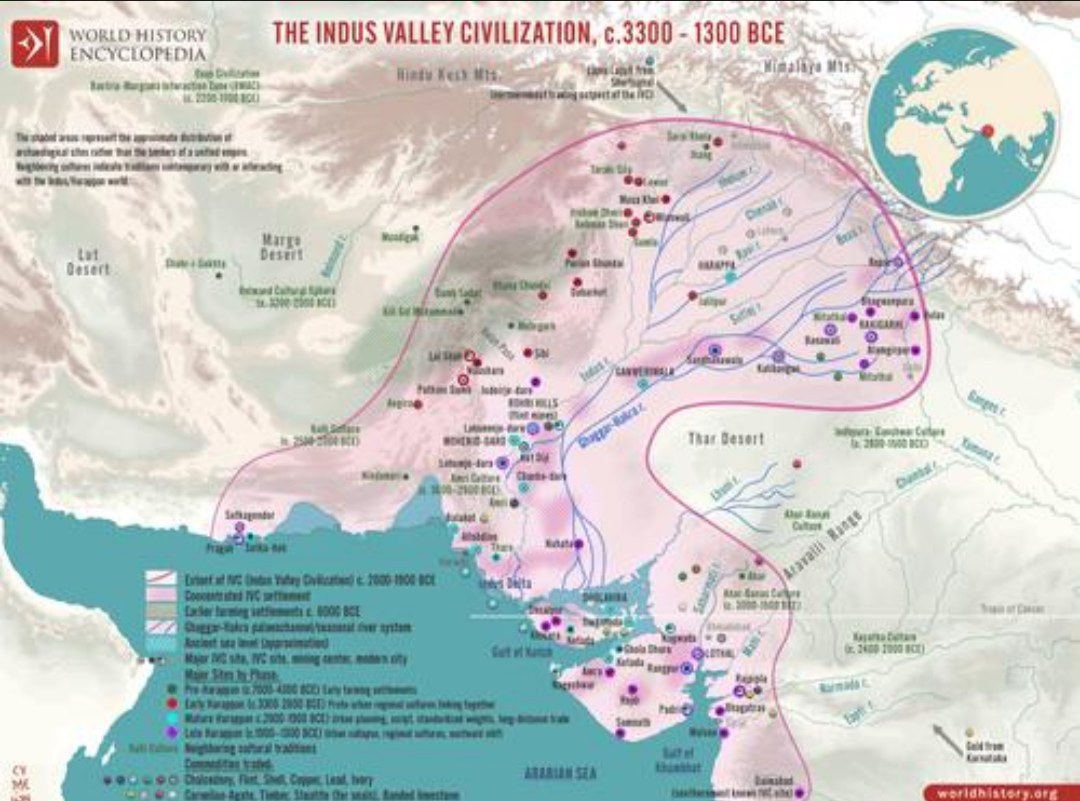
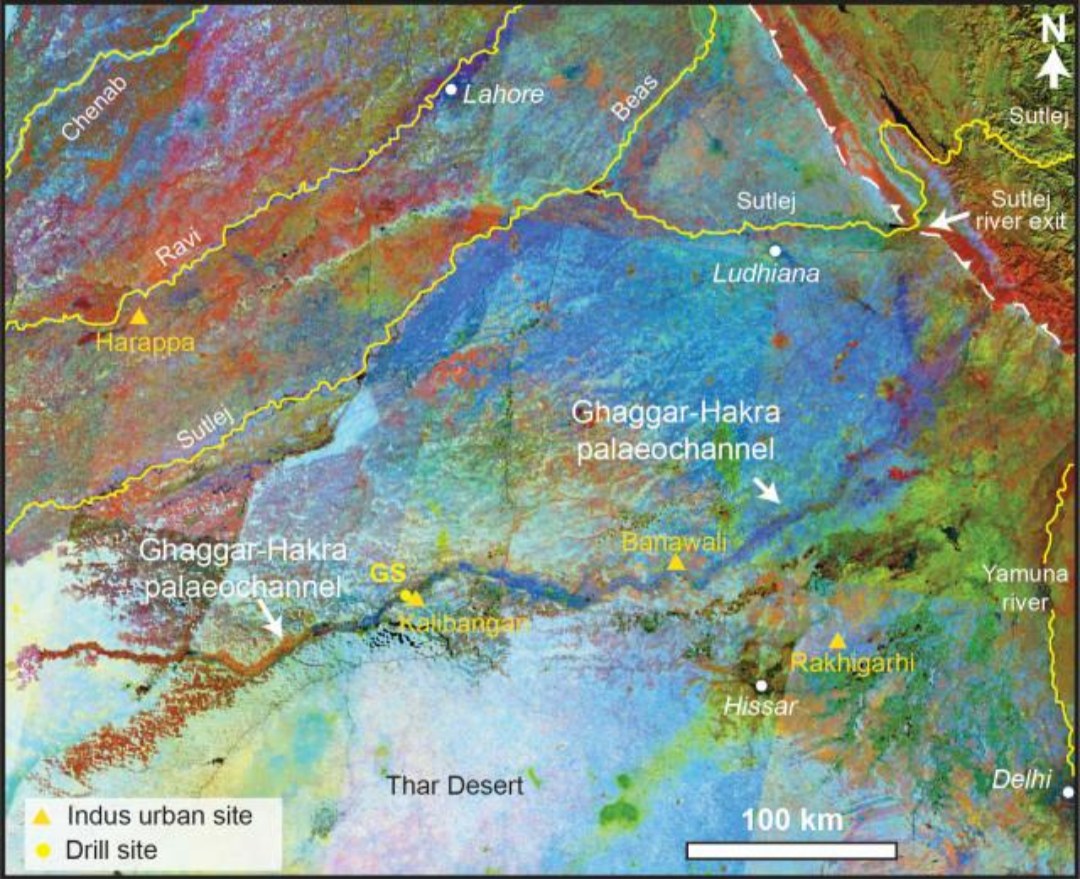
Picture a farming family in the Cholistan desert of what is now Pakistan, around 1800 BCE. For generations their village has stood beside the Ghaggar-Hakra river. In their grandparents' time the river was dependable, the summer rains came on time, and carts loaded with grain went off to the city markets. Now the river runs low for months. Some years the rain hardly comes. The traders who used to buy their grain come less often, and the city itself is not what it was.
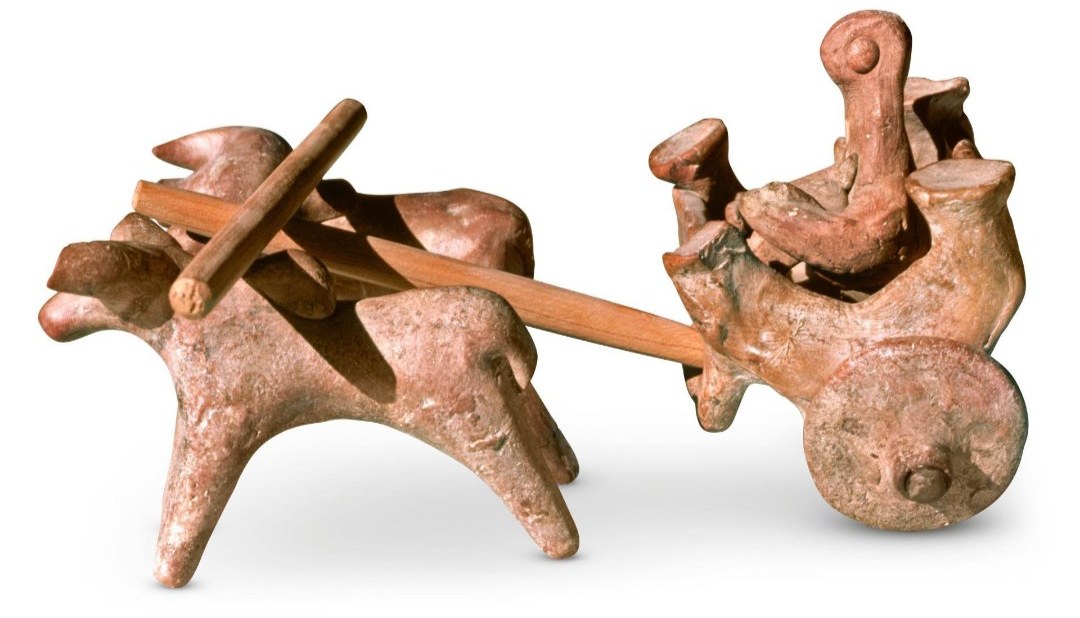
So they pack. Into a wooden cart pulled by two humped bullocks go sacks of barley and millet seed, clay pots, a copper knife and the women's shell bangles. The cattle walk behind. They head east, towards the plains of what is now Haryana, where the rains are steadier and where cousins settled a few years earlier.
This family is imagined. Everything around them is real. Toy carts of this design, made in terracotta, have been found in Indus towns, and bullock carts much like them still roll along Indian roads [1]. Indus farmers grew barley and millets [2]. And people really did leave this region. Rafique Mughal's surveys of Cholistan found that the dense cluster of villages from the age of the cities shrank to about fifty in the period that followed. Over the same centuries, villages multiplied to the east. By 1990 Mughal could list 563 sites of this later period in Haryana, Punjab, western Uttar Pradesh, Himachal Pradesh and Delhi [3].
The story most of us learned at school ends differently. The Indus Valley Civilisation, we were told, "declined" or "disappeared" about four thousand years ago, as if its people had walked off the edge of history. Hence the question in the title of this article. The answer, from excavations and from DNA, is easy to state. The cities ended. The people went on living, moving and marrying, and their descendants make up most of the population of South Asia today.
The world they left behind
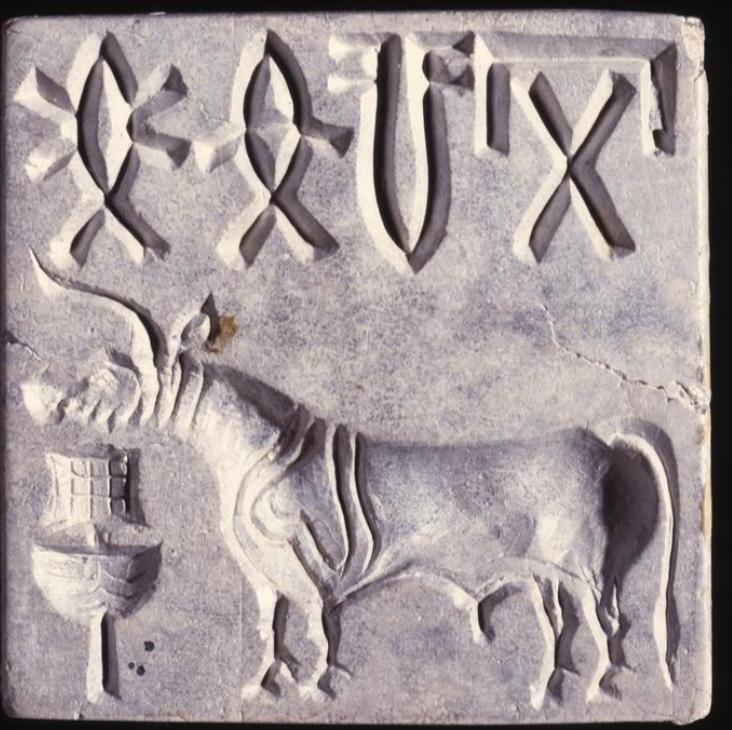
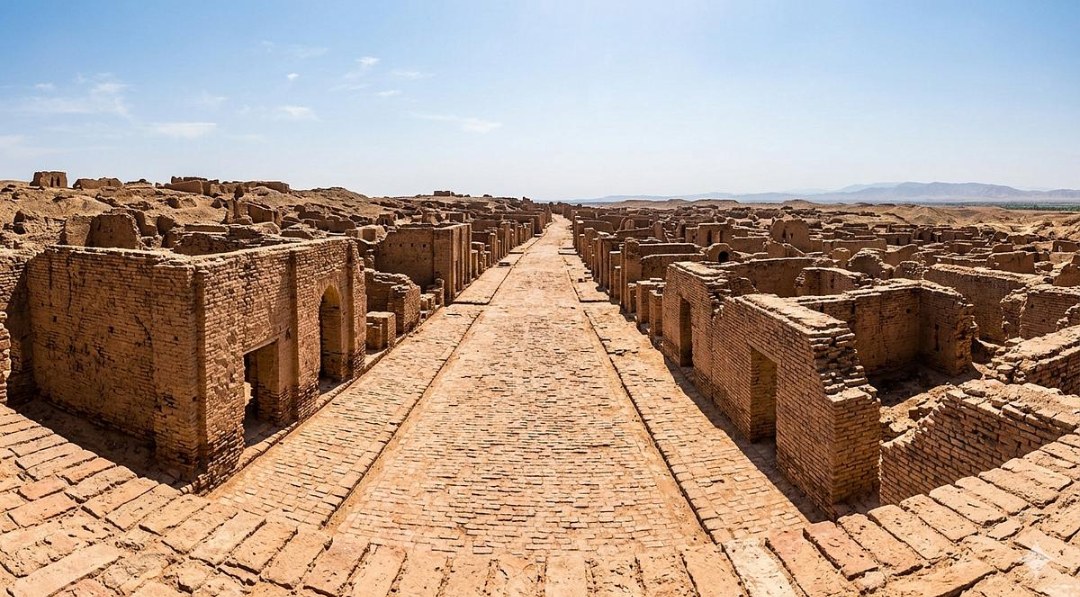
At its height, between about 2600 and 1900 BCE, the Indus world covered more ground than Egypt and Mesopotamia put together. Its cities, among them Harappa and Mohenjo-daro in Pakistan, Rakhigarhi in Haryana and Dholavira in Gujarat, had brick houses, covered drains and streets laid out on a grid. Across this huge area, traders used the same cubical stone weights and stamped goods with the same square seals, carved with animals and a few signs of a script nobody can read today [1, 4].
Their goods travelled far. Around 2300 BCE Sargon of Akkad, ruler of Mesopotamia, boasted that ships from Meluhha, the Mesopotamian name for the Indus region, docked at his capital. Mesopotamian texts list carnelian, timber and ivory among the goods of Meluhha [5]. Some Indus people went with their goods and stayed. Texts from about 2100 BCE describe Guabba, a settlement in the Lagash region of southern Iraq, where Meluhhans had their own granaries and gardens and one work team had a Meluhhan overseer [6].
At home, too, these were people on the move. The chemistry of the food and water a child takes in is locked into the enamel of their teeth, so teeth can show where a person grew up. Benjamin Valentine and colleagues studied teeth from the formal cemeteries at Harappa and at Farmana in Haryana. Nearly everyone buried there had grown up somewhere else. The towns were filled by migrants [7]. Mark Kenoyer, Douglas Price and James Burton found signs of the same at Harappa. Many of the women in their sample seem to be local, while several of the men buried near them came from outside [8].
This matters for what came next. The Indus people were used to travel. When the cities stopped working for them, leaving would have been a familiar choice.
When the cities stopped working
The trouble began with the weather. Mud from lake beds and from the floor of the Arabian Sea records weaker monsoons and drier years in north-west India around 4,200 to 4,100 years ago [9, 10]. Liviu Giosan and colleagues found that the Ghaggar-Hakra, which watered many Indus villages, was fed by monsoon rain in this period, with no supply from Himalayan glaciers. When the rain weakened, the river weakened too [11]. Trade with Mesopotamia dried up in the same centuries [5].
Life in the cities grew harder. Gwen Robbins Schug and colleagues examined skeletons from Harappa and found more injuries and infections in the later burials. Leprosy became more common, and tuberculosis appears for the first time. The poorest people, buried outside the formal cemeteries, suffered most [12].
Harappa did not empty overnight. Around 1700 BCE people still lived there. Houses had spread into the old streets and open spaces, and some neighbourhoods were crowded. Potters and other craftsmen kept working, though styles changed and a new kind of kiln came into use [13]. The dead were buried in a new way, in what archaeologists call Cemetery H, some in jars painted with peacocks, stars and small human figures [1]. But the seals and their writing went out of use, the standard weights disappeared, and the shared system that had held the Indus world together came apart [4].
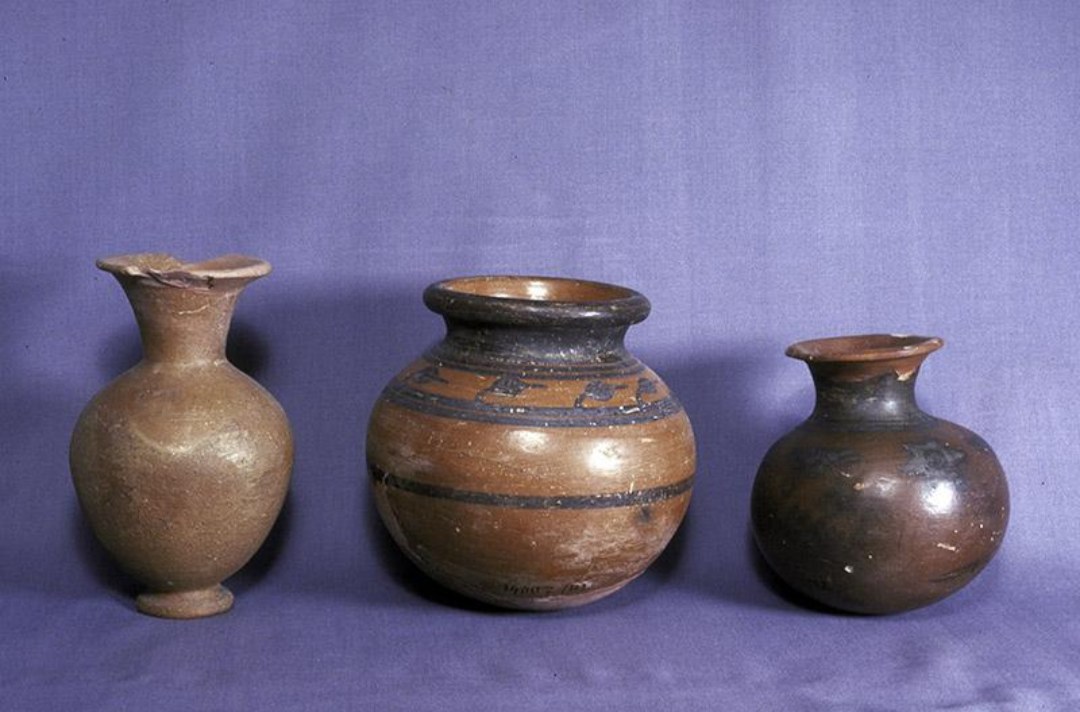
Gregory Possehl called what followed the Localization Era. Each region went its own way, with its own pottery and customs [4]. Cameron Petrie thinks "collapse" is the wrong word. The Indus world had always been varied, with different regions farming in different ways, and a move to smaller villages was a sensible answer to unreliable rain [14]. Adam Green adds that the Indus cities show no clear sign of kings, palaces or royal tombs [15]. When the cities faded, there may have been no royal dynasty to fall.
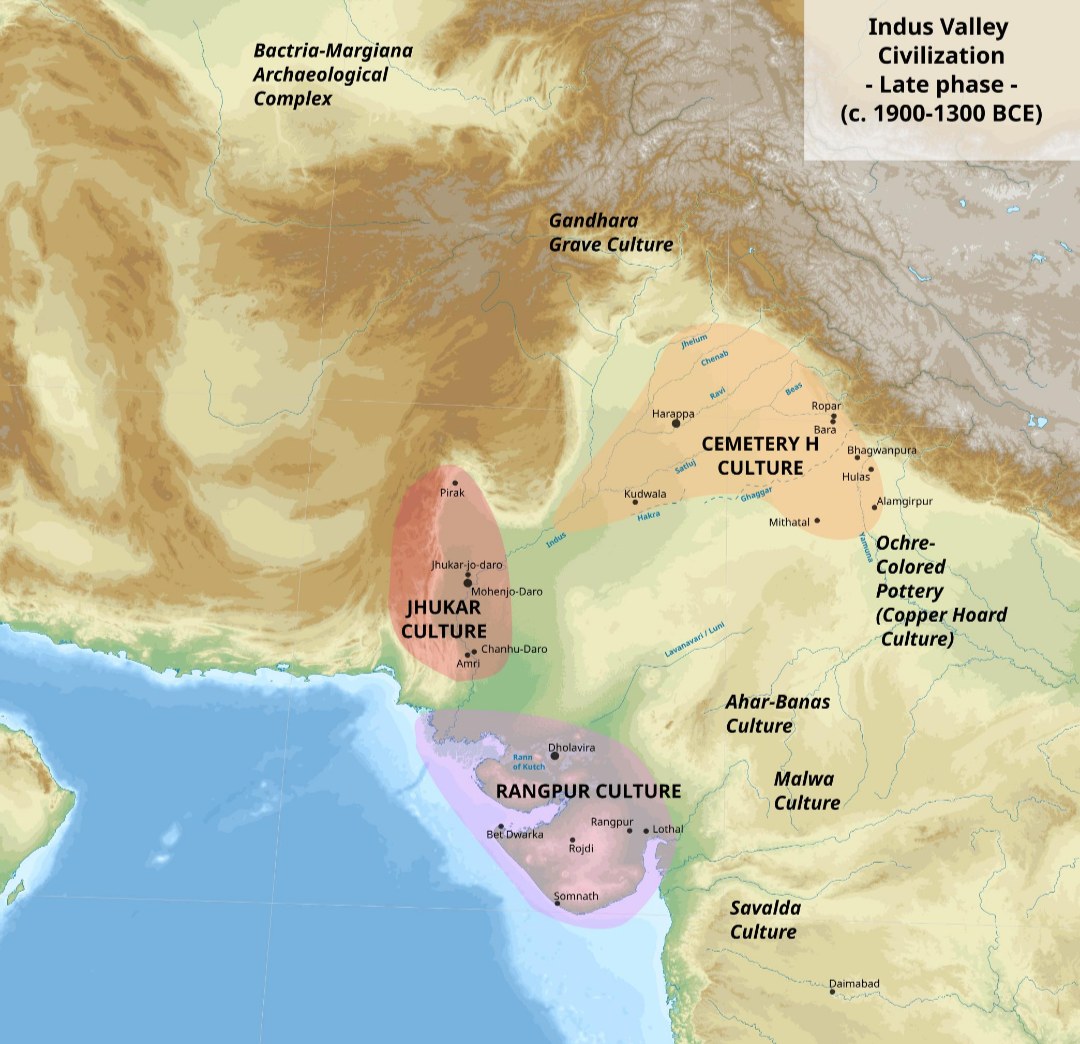
The roads east and south
Most families went east. Adam Green and Cameron Petrie mapped village sites around Rakhigarhi. As the cities declined, villages there grew denser in some places, and settlement shifted towards the north-east of the area they studied, where the monsoon was more reliable [16]. Further east, in the doab between the Ganga and the Yamuna, people of the Ochre Coloured Pottery culture made and buried copper tools and weapons, the so-called Copper Hoards, and kept in touch with the late Harappan world [17]. The elite burials at Sinauli near Baghpat belong to this period.
Others went south. In Gujarat the number of villages rose sharply after the cities faded, in what archaeologists call the Late Sorath and Rangpur phases [3, 4]. A few went further still. At Daimabad, on the Pravara river in Maharashtra, a village of about 2000 to 1800 BCE has left pottery scratched with signs of the Indus script [18]. That is hundreds of kilometres from the Indus, at the northern edge of the Deccan.
The migrants carried their farming with them. Cameron Petrie, Jennifer Bates and their colleagues dated seeds from Indus villages near Rakhigarhi and showed that people there grew rice, millets and tropical pulses in summer as well as wheat and barley in winter. Rice had long been thought of as a crop that arrived after the Indus age [2]. Farmers who could grow summer crops could settle wherever the monsoon fell and still feed their families [19].
A woman from Rakhigarhi
For a long time the story stopped there, with pots and maps of village sites. Then ancient DNA arrived.
About 4,500 years ago, a woman was buried in the cemetery of Rakhigarhi, one of the largest Indus cities, in today's Hisar district of Haryana. In 2019 Vasant Shinde and colleagues read part of her genome. It was the first genome recovered from inside an Indus city [20].
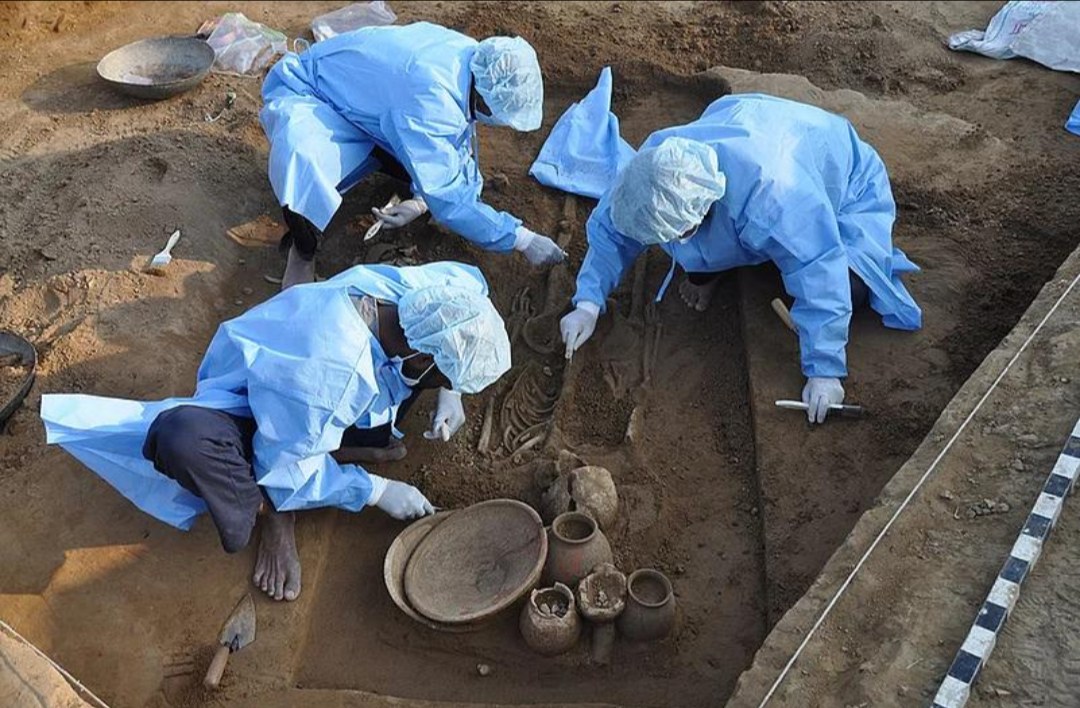
Her ancestry was a blend of two old strands. One came from South Asia's earliest hunter-gatherers, whose ancestors had arrived from Africa tens of thousands of years before. Geneticists call it AASI, short for Ancient Ancestral South Indian. The other is related to the ancient farmers and herders of Iran. That does not mean her family came from Iran. Shinde's team found that this strand had split from the line of the Iranian farmers more than 12,000 years earlier, before farming began anywhere in the region [20]. It was a local strand, with deep roots in or near South Asia.
She was not alone. The same year, Vagheesh Narasimhan and a large team published DNA from 523 ancient people from Iran, Central Asia and northern Pakistan [21]. Among them were eleven travellers whose DNA did not match their neighbours. Three had been buried at Gonur in Turkmenistan between about 2500 and 2000 BCE, and eight at Shahr-i-Sokhta in eastern Iran between about 3300 and 2000 BCE. Both towns traded with the Indus. Their DNA showed the same blend as the woman from Rakhigarhi. Narasimhan's team concluded that they were probably migrants from the Indus world, and named their genetic profile the Indus Periphery Cline. The two strands in it had come together between about 5400 and 3700 BCE, long before the first cities were built [21].
Following the trail into our own DNA
Here the story comes back to us. If the Indus people moved east and south and kept living, their DNA should still be present in South Asians today. It is, in large amounts.
In 2009 David Reich, Kumarasamy Thangaraj and their colleagues found that most Indians descend from a mix of two ancient populations, which they called Ancestral North Indians and Ancestral South Indians [22]. Narasimhan's team later showed that both carry a large share of Indus-related ancestry, at least about 70 percent for the northern population and about 55 percent for the southern one. In their words, people fitting on the Indus Periphery Cline "constitute the majority of the ancestors of present-day South Asians" [21].
The Indus descendants did not keep to themselves. In the second millennium BCE, new families arrived from the north-west. They were herders whose ancestors had lived on the steppe grasslands of Central Asia and southern Russia. They settled and married into local families, and their ancestry joined the mix. That mixing in the north formed the Ancestral North Indians. Over the next two thousand years, northern and southern populations married into each other as well. Priya Moorjani and colleagues dated this mixing to between about 4,200 and 1,900 years ago. Only after that did communities begin to marry mostly within their own groups [23].
The result is a population in which everyone is a blend. The largest recent study, by Elise Kerdoncuff and colleagues, analysed 2,762 Indian genomes and found that most Indians draw their ancestry from the same three sources: ancient farmers related to groups in Iran and Central Asia, South Asia's first hunter-gatherers, and Steppe herders [24]. What changes from one region or community to another is the proportion. A family in Punjab and a family in Tamil Nadu carry the same ingredients in different amounts. The GenomeIndia project, which has sequenced 10,000 people from 83 populations, will allow these proportions to be studied community by community [25].
Down to the south
Some of the longest journeys went south. Narasimhan's team proposed that the Ancestral South Indians formed after 2000 BCE, when people carrying Indus ancestry mixed with groups that had more hunter-gatherer ancestry [21]. That is the same period in which the archaeology shows villages spreading out of the Indus heartland.
The south they reached was already farmed. From about 3000 BCE, villagers in what is now Karnataka and Andhra Pradesh herded cattle and grew millets and pulses. They left behind great mounds of burnt cattle dung, the ash mounds of sites such as Utnur and Budihal. Dorian Fuller, Nicole Boivin and Ravi Korisettar used new radiocarbon dates to trace how this southern farming world grew over the third and second millennia BCE [26]. Families arriving from the north would have met these villagers, settled among them and married into their communities.
If this picture is right, part of the ancestry of people in Tamil Nadu, Kerala, Karnataka and Andhra Pradesh came down from the Indus plains. The genetic statistics support it well, but they rest on modern DNA, a handful of ancient travellers and one woman from Rakhigarhi. No ancient genome from South India of this period has yet been studied, and new samples may change the details.
The voice we cannot hear
We can follow the Indus people's DNA, but we cannot hear them speak. Their script survives on thousands of seals and tablets, collected in Iravatham Mahadevan's concordance of 1977 [27]. Most inscriptions are only a few signs long, and no bilingual text has turned up to unlock them.
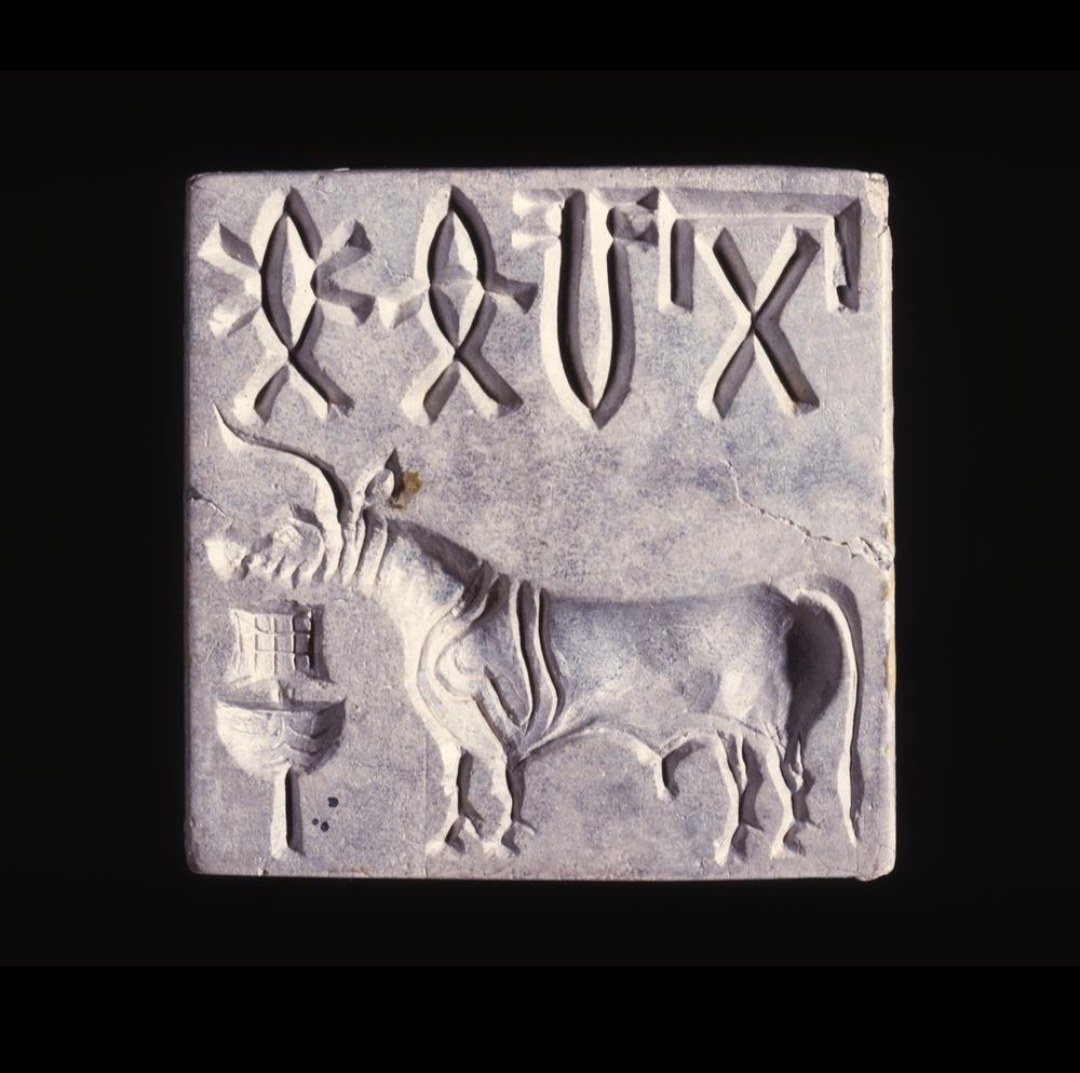
Asko Parpola and Mahadevan both argued that the language was an early form of Dravidian [28]. The idea has some support. Brahui, a Dravidian language, is still spoken in Baluchistan, close to the Indus heartland. Vishnupriya Kolipakam and colleagues estimated that the Dravidian languages share an ancestor about 4,500 years old [29], which places it in the Indus age. Narasimhan's team noted that Ancestral South Indian ancestry lines up closely with Dravidian languages today and suggested that early Dravidian may have travelled south with Indus migrants. They also offered another possibility, in which Dravidian came from the southern side of the mix [21].
Other scholars read the evidence differently. Michael Witzel found borrowed words in the Rigveda that point, in his view, to a lost language of the Punjab related to Munda [30]. In 2004 Steve Farmer, Richard Sproat and Witzel argued that the Indus signs were not writing at all [31]. Rajesh Rao and colleagues replied with a statistical study showing that the signs follow patterns like those of written languages [32]. The debate goes on. For now, the language of the Indus people is unknown.
What they left in our homes
Some of their legacy needs no decipherment. Cotton is one part of it. The earliest cotton fibres in South Asia come from a grave at Mehrgarh in Baluchistan, from the sixth millennium BCE [33], and the Indus people wore and traded cotton cloth. Wheat, barley, millets, rice and pulses, the crops of their fields, are still the crops of South Asia. Mark Kenoyer has traced other threads that run from the Indus to the present: shell bangles, bead-making, humped zebu cattle, and the bullock cart [1].
Religion is harder to trace. John Marshall, who announced the discovery of the civilisation in 1924, described a Mohenjo-daro seal showing a figure seated among animals as a "proto-Śiva" [34]. Many books repeat the idea. Doris Srinivasan examined it closely in 1984 and did not find the identification convincing [35]. Asko Parpola has proposed many links between Indus and later Indian religion [36]. B.B. Lal argued for strong continuity, pointing to the fire altars at Kalibangan and to everyday customs [37]. Until the script is read, these ideas rest on how we interpret pictures.
Whose ancestors were they?
In India, the Indus past is claimed often and loudly. Some writers call it the Sindhu-Sarasvati civilisation and treat it as Vedic. In 2019 the Rakhigarhi study's lead author, Vasant Shinde, told a press conference in Delhi that the results set aside the theory of Aryan migration. Scroll.in later reported that several of his co-authors disagreed [38]. In 2024 NCERT revised a Class 12 history chapter to stress "unbroken continuity for 5,000 years" [39]. On 5 January 2025, Tamil Nadu Chief Minister M.K. Stalin announced a prize of one million US dollars for deciphering the Indus script, and described the civilisation as the ancestral home of the Sangam-age Tamils [40].
Genetics answers the question differently. Indus-related ancestry is found across the subcontinent, in the north and the south, in tribal and caste communities, and among Hindus, Muslims, Sikhs, Christians and others. It is the largest share of ancestry in most South Asians [21]. The descendants of that imagined family on the road from Cholistan could be living today in Haryana, in Gujarat, in Karnataka, or in all three. The Indus people are the ancestors of most of us.
What we still do not know
Much of this story still rests on thin evidence. We have one ancient genome from inside an Indus city, and none from the villages of the later period, from the Ganga plain or from South India in the second millennium BCE. The routes families took south are inferred from statistics and village maps, and nobody has yet traced them in ancient DNA. The language of the Indus people is unknown and their script is unread. New genomes from Late Harappan sites in Haryana and Gujarat, and from early farming villages in the Deccan and the south, would fill many of these gaps.
References
- [1]Kenoyer, Jonathan Mark. Ancient Cities of the Indus Valley Civilization. Karachi: Oxford University Press and American Institute of Pakistan Studies, 1998.
- [2]Petrie, Cameron A., Jennifer Bates, Thomas Higham, and Ravindra N. Singh. "Feeding Ancient Cities in South Asia: Dating the Adoption of Rice, Millet and Tropical Pulses in the Indus Civilisation." Antiquity 90, no. 354 (2016): 1489–1504.
- [3]Mughal, M. Rafique. "The Decline of the Indus Civilization and the Late Harappan Period in the Indus Valley." Lahore Museum Bulletin 3, no. 2 (1990).
- [4]Possehl, Gregory L. The Indus Civilization: A Contemporary Perspective. Walnut Creek, CA: AltaMira Press, 2002.
- [5]Ratnagar, Shereen. Encounters: The Westerly Trade of the Harappa Civilization. Delhi: Oxford University Press, 1981.
- [6]Vermaak, Petrus S. "Guabba, the Meluhhan Village in Mesopotamia." Journal for Semitics 17, no. 2 (2008): 454–471.
- [7]Valentine, Benjamin, et al. "Evidence for Patterns of Selective Urban Migration in the Greater Indus Valley (2600–1900 BC): A Lead and Strontium Isotope Mortuary Analysis." PLoS ONE 10, no. 4 (2015): e0123103. doi:10.1371/journal.pone.0123103.
- [8]Kenoyer, J. Mark, T. Douglas Price, and James H. Burton. "A New Approach to Tracking Connections between the Indus Valley and Mesopotamia: Initial Results of Strontium Isotope Analyses from Harappa and Ur." Journal of Archaeological Science 40, no. 5 (2013): 2286–2297.
- [9]Staubwasser, M., F. Sirocko, P.M. Grootes, and M. Segl. "Climate Change at the 4.2 ka BP Termination of the Indus Valley Civilization and Holocene South Asian Monsoon Variability." Geophysical Research Letters 30, no. 8 (2003): 1425.
- [10]Dixit, Yama, David A. Hodell, and Cameron A. Petrie. "Abrupt Weakening of the Summer Monsoon in Northwest India ~4100 yr Ago." Geology 42 (2014): 339–342. doi:10.1130/G35236.1.
- [11]Giosan, Liviu, et al. "Fluvial Landscapes of the Harappan Civilization." Proceedings of the National Academy of Sciences 109, no. 26 (2012): E1688–E1694. doi:10.1073/pnas.1112743109.
- [12]Robbins Schug, Gwen, et al. "Infection, Disease, and Biosocial Processes at the End of the Indus Civilization." PLoS ONE 8, no. 12 (2013): e84814. doi:10.1371/journal.pone.0084814.
- [13]Meadow, Richard H., and Jonathan Mark Kenoyer. "Recent Indus Discoveries and Highlights from Excavations at Harappa: 1998–2000." Indo-Koko-Kenkyu (Indian Archaeological Studies) 22 (2001): 19–36.
- [14]Petrie, Cameron A. "Diversity, Variability, Adaptation and 'Fragility' in the Indus Civilization." In The Evolution of Fragility: Setting the Terms, edited by Norman Yoffee. Cambridge: McDonald Institute for Archaeological Research, 2019.
- [15]Green, Adam S. "Killing the Priest-King: Addressing Egalitarianism in the Indus Civilization." Journal of Archaeological Research 29 (2021): 153–202.
- [16]Green, Adam S., and Cameron A. Petrie. "Landscapes of Urbanization and De-Urbanization: A Large-Scale Approach to Investigating the Indus Civilization's Settlement Distributions in Northwest India." Journal of Field Archaeology 43, no. 4 (2018): 284–299. doi:10.1080/00934690.2018.1464332.
- [17]Coningham, Robin, and Ruth Young. The Archaeology of South Asia: From the Indus to Asoka, c. 6500 BCE–200 CE. Cambridge: Cambridge University Press, 2015.
- [18]Archaeological Survey of India, Aurangabad Circle. "Ancient Site and Remains at Daimabad." Accessed October 2026. https://www.asiaurangabadcircle.com/monument_detail.php?id=27.
- [19]Petrie, Cameron A., et al. "Adaptation to Variable Environments, Resilience to Climate Change: Investigating Land, Water and Settlement in Indus Northwest India." Current Anthropology 58, no. 1 (2017): 1–30. doi:10.1086/690112.
- [20]Shinde, Vasant, et al. "An Ancient Harappan Genome Lacks Ancestry from Steppe Pastoralists or Iranian Farmers." Cell 179, no. 3 (2019): 729–735. doi:10.1016/j.cell.2019.08.048.
- [21]Narasimhan, Vagheesh M., et al. "The Formation of Human Populations in South and Central Asia." Science 365, no. 6457 (2019): eaat7487. doi:10.1126/science.aat7487.
- [22]Reich, David, Kumarasamy Thangaraj, Nick Patterson, Alkes L. Price, and Lalji Singh. "Reconstructing Indian Population History." Nature 461 (2009): 489–494. doi:10.1038/nature08365.
- [23]Moorjani, Priya, et al. "Genetic Evidence for Recent Population Mixture in India." American Journal of Human Genetics 93, no. 3 (2013): 422–438. doi:10.1016/j.ajhg.2013.07.006.
- [24]Kerdoncuff, Elise, et al. "50,000 Years of Evolutionary History of India: Impact on Health and Disease Variation." Cell 188, no. 13 (2025): 3389–3404. doi:10.1016/j.cell.2025.04.027.
- [25]Bhattacharyya, Chandrika, et al. (GenomeIndia Consortium). "Mapping Genetic Diversity with the GenomeIndia Project." Nature Genetics 57, no. 4 (2025): 767–773. doi:10.1038/s41588-025-02153-x.
- [26]Fuller, Dorian Q., Nicole Boivin, and Ravi Korisettar. "Dating the Neolithic of South India: New Radiometric Evidence for Key Economic, Social and Ritual Transformations." Antiquity 81 (2007): 755–778.
- [27]Mahadevan, Iravatham. The Indus Script: Texts, Concordance and Tables. Memoirs of the Archaeological Survey of India 77. New Delhi: Archaeological Survey of India, 1977.
- [28]Parpola, Asko. Deciphering the Indus Script. Cambridge: Cambridge University Press, 1994.
- [29]Kolipakam, Vishnupriya, et al. "A Bayesian Phylogenetic Study of the Dravidian Language Family." Royal Society Open Science 5 (2018): 171504. doi:10.1098/rsos.171504.
- [30]Witzel, Michael. "Substrate Languages in Old Indo-Aryan (Ṛgvedic, Middle and Late Vedic)." Electronic Journal of Vedic Studies 5, no. 1 (1999): 1–67.
- [31]Farmer, Steve, Richard Sproat, and Michael Witzel. "The Collapse of the Indus-Script Thesis: The Myth of a Literate Harappan Civilization." Electronic Journal of Vedic Studies 11, no. 2 (2004): 19–57.
- [32]Rao, Rajesh P.N., Nisha Yadav, Mayank N. Vahia, Hrishikesh Joglekar, R. Adhikari, and Iravatham Mahadevan. "Entropic Evidence for Linguistic Structure in the Indus Script." Science 324, no. 5931 (2009): 1165. doi:10.1126/science.1170391.
- [33]Moulherat, Christophe, Margareta Tengberg, Jérôme-F. Haquet, and Benoît Mille. "First Evidence of Cotton at Neolithic Mehrgarh, Pakistan: Analysis of Mineralized Fibres from a Copper Bead." Journal of Archaeological Science 29, no. 12 (2002): 1393–1401.
- [34]Marshall, John, ed. Mohenjo-daro and the Indus Civilization. 3 vols. London: Arthur Probsthain, 1931.
- [35]Srinivasan, Doris. "Unhinging Śiva from the Indus Civilization." Journal of the Royal Asiatic Society 116, no. 1 (1984): 77–89. doi:10.1017/S0035869X00166134.
- [36]Parpola, Asko. The Roots of Hinduism: The Early Aryans and the Indus Civilization. New York: Oxford University Press, 2015.
- [37]Lal, B.B. The Sarasvatī Flows On: The Continuity of Indian Culture. New Delhi: Aryan Books International, 2002.
- [38]Daniyal, Shoaib. "Two New Genetic Studies Upheld Aryan Migration Theory. So Why Did Indian Media Report the Opposite?" Scroll.in, 12 September 2019.
- [39]Scroll Staff. "NCERT Revises Class 12 History Textbook to Cast Doubts about Aryan Migration Theory." Scroll.in, 4 April 2024.
- [40]Press Trust of India. "CM Stalin Announces $1 Million Prize for Decoding Indus Valley Script." Business Standard, 5 January 2025.