

Bengali Brahmins Community
Explore the rich heritage of Bengali Brahmins, a scholarly community rooted in Bengal's history. Delve into their origins, gotras, surnames, culture, and DNA
Bengali Brahmins: History, Culture, DNA Ancestry & Gotras
A comprehensive community profile — origins, gotras, surnames, genetics, customs, cuisine, diaspora, and legacy
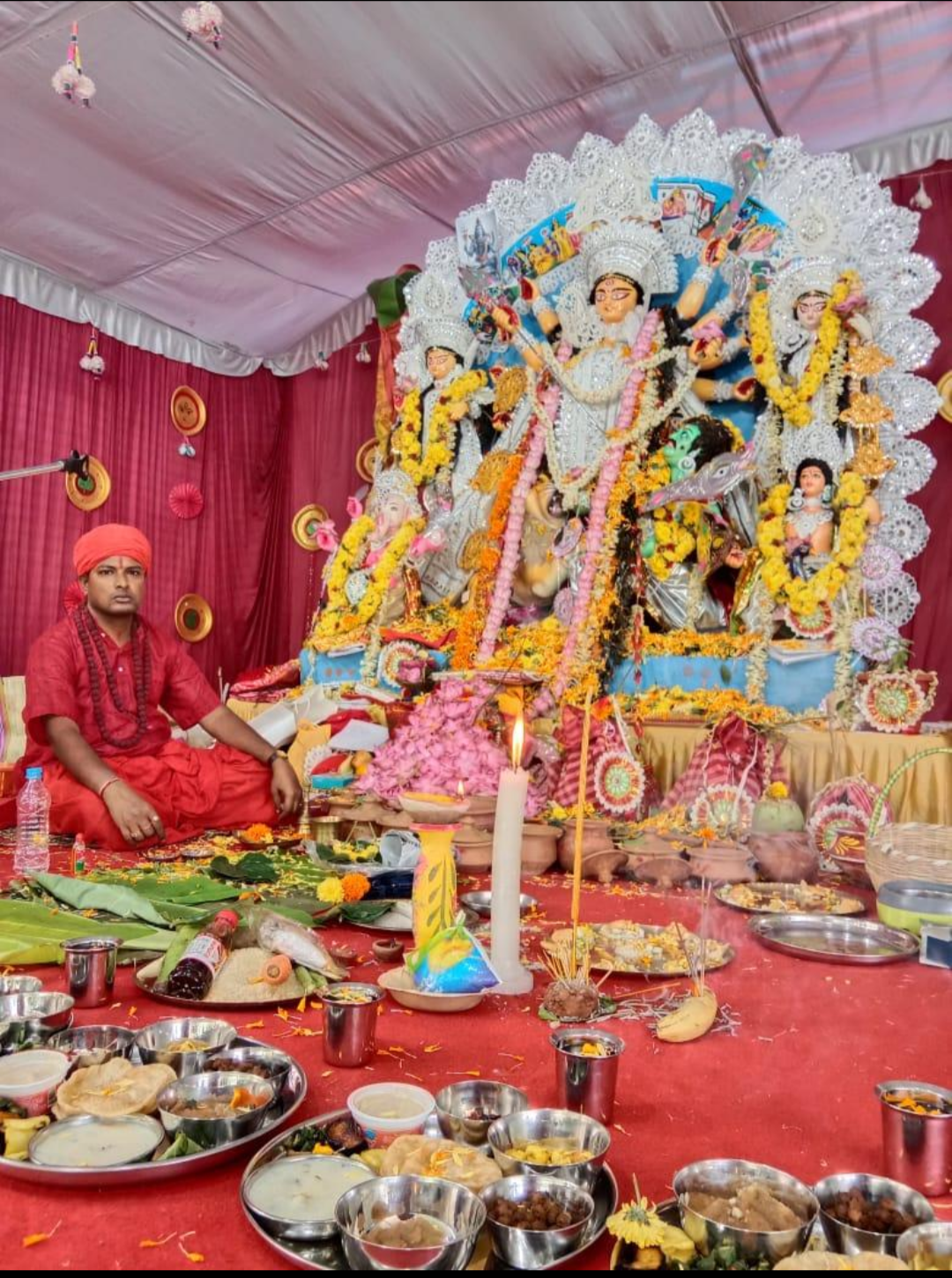
Table of Contents
1. Introduction: Who Are the Bengali Brahmins?
The Bengali Brahmins are a Bengali-speaking priestly and scholarly community with roots across the historic Bengal region — today divided between the Indian state of West Bengal and the country of Bangladesh. For over a thousand years, the community has been closely associated with Sanskrit learning, temple and household priesthood, classical logic and grammar, and, from the nineteenth century onward, with the literary, scientific, and reformist movements that reshaped modern Bengali intellectual life.
Members of the community are traditionally organized into extended patrilineal lineages, each associated with a gotra (a spiritual lineage traced to a Vedic sage) and a regional heritage tracing back to specific towns and river-valley tracts of old Bengal. This profile surveys the community's traditional origins, its genetic ancestry as documented in population studies, and the language, religion, scholarship, customs, cuisine, dress, and diaspora that define its identity today.
2. Origins and Early History
Bengal lay at the eastern edge of the early Vedic and Vedantic world, and its integration into mainstream Brahmanical culture is generally understood by historians to have occurred later and more gradually than in the Gangetic heartland. Inscriptions from the Mauryan and Gupta periods point to an early Brahmanical presence in parts of northern Bengal, but it was under the patronage of successive dynasties — the Palas, and later the Senas — that Sanskritic scholarship, temple worship, and organized priestly settlement expanded significantly across the delta.
2.1 The Adisura Legend and the Kanauj Migration
Community tradition holds that a Bengal king remembered as Adisura, dissatisfied with the state of ritual learning in his realm, invited five Brahmin scholars from Kanyakubja (modern Kannauj, in present-day Uttar Pradesh) to settle in Bengal and revive Vedic education sometime around the eleventh century CE, during or after the decline of the Pala dynasty. Later tradition names five founding gotras associated with these migrant lineages: Shandilya, Bharadwaj, Kashyap, Vatsya, and Savarna.
Historians treat the Adisura narrative as a foundational legend rather than a documented event; the earliest surviving versions of the story appear centuries after its purported date, and similar migration legends exist among priestly communities in neighboring Odisha and Mithila. What the tradition does capture, in broad strokes, is a genuine and gradual historical process: the movement of Sanskrit-trained priestly and scholarly lineages into Bengal from the wider Gangetic plain across the early medieval period, a process that intensified under royal and landholding patronage during the Sena era (circa eleventh–thirteenth centuries CE).
2.2 Regional Branches: Rarhi, Varendra, and Vaidik
Bengali Brahmin lineages are traditionally associated with particular geographic tracts of old Bengal, reflecting where different founding families are believed to have settled. Those associated with the Rarh region — the drier upland tract southwest of the Bhagirathi–Hooghly river — are known as Rarhi. Those associated with Varendra, the tract north and east of the Padma and Ganges rivers (largely in present-day northern Bangladesh and North Bengal), are known as Varendra or Barendra Brahmins. A third group, the Vaidik Brahmins, trace their arrival to later waves of Sanskrit-trained migrants, including scholars associated with a documented arrival of learned Brahmins from southern India during the Sena period. These regional branches functioned historically as broad kinship and marriage networks rather than as ranked categories, and today survive mainly as heritage identifiers and surname associations rather than as functioning social divisions.
2.3 Colonial-Era Transformation
Under British colonial rule, Calcutta (Kolkata) emerged as the administrative and educational capital of eastern India, and Bengali Brahmin families — alongside the Baidya and Kayastha communities — were prominent among the professional, literary, and reformist classes that came to be broadly described as the bhadralok (the 'genteel' or educated urban class) of colonial Bengal. Access to English-medium and Sanskrit College education positioned many Brahmin families at the center of the intellectual ferment of the nineteenth century, discussed further in Section 14.
3. Common Bengali Brahmin Gotras
A gotra is a spiritual lineage traced back to one of the ancient Vedic sages (rishis), and it is recorded and referenced at weddings, the sacred thread ceremony, and other Sanskrit rites. Tradition holds that the founding Brahmin families who settled in Bengal belonged to a small number of original gotras, and that most Bengali Brahmin surnames in use today trace back to one of these lineages:
- Shandilya — associated with surnames such as Bandyopadhyay (Banerjee) and Chattopadhyay (Chatterjee).
- Bharadwaj — associated with the surname Mukhopadhyay (Mukherjee).
- Kashyap — associated with surnames including Bhattacharya and several Chatterjee lines.
- Vatsya — associated with families such as the Sanyals of the Varendra branch.
- Savarna — the fifth of the traditionally recognized founding gotras.
Beyond these five, individual families may report a range of other gotras reflecting later migrations and marriages, and the same surname can sometimes be associated with more than one gotra across different family lines. A family's specific gotra is generally preserved through oral tradition and is confirmed with an officiating priest at the time of a wedding or sacred thread ceremony.
4. Bengali Brahmin Surnames
Bengali Brahmin surnames are, for the most part, Sanskritized or Anglicized forms of older village or occupational titles, many of them built from the Sanskrit suffix -upadhyaya (teacher) or referencing a family's ancestral village. The table below lists some of the most common surnames along with their general meaning or origin:
| Surname | Also written as | General meaning / origin |
|---|---|---|
| Bandyopadhyay | Banerjee | From an ancestral village association; -jee derives from a reduced form of upadhyaya, 'teacher.' |
| Chattopadhyay | Chatterjee | Sanskritized form of an earlier village-based title; -jee again reflects upadhyaya, 'teacher.' |
| Mukhopadhyay | Mukherjee | Possibly from 'Mukhati' (an ancestral village) or 'mukhya' ('chief'), combined with a teacher title. |
| Gangopadhyay | Ganguly | Associated with the Ganga (Ganges) river tract; a teacher title combined with a place reference. |
| Bhattacharya | Bhattacharjee | From 'bhatta,' a title for a learned scholar, combined with acharya, 'teacher' or 'preceptor.' |
| Chakraborty | Chakravarti | From the Sanskrit chakravartin, historically an honorific title of wide dominion, later adopted as a family name. |
| Lahiri | — | Toponymic, referring to an ancestral village in the Barendra (Varendra) region. |
| Sanyal | — | Believed to derive from an ancestral village name; associated with the Varendra branch. |
| Maitra | Moitra | Toponymic, referring to an ancestral village associated with the sage Maitreya. |
| Goswami | — | From Sanskrit go-swami, 'master,' historically associated with religious teachers and Vaishnava lineage-holders. |
| Acharya | Acharjee | From the Sanskrit acharya, meaning 'teacher' or 'preceptor.' |
This list is illustrative rather than exhaustive; Bengali Brahmin family surnames also include Ghoshal, Bagchi, Nag, Purkayastha, Vidyalankar, Tarkalankar, and many others, several of which originated as honorific scholarly titles awarded for accomplishment in Sanskrit learning rather than as inherited family names.
5. Genetics and DNA Ancestry
Bengal occupies a genetically distinctive position within South Asia, situated at the convergence of Indo-Aryan, indigenous South Asian, and East/Southeast Asian ancestry streams. Population-genetic studies of Bengali communities, including Bengali Brahmins specifically, offer insight into the deep demographic history behind the community's traditional origin narratives.
5.1 Paternal (Y-DNA) Lineages
Multiple Y-chromosome surveys of Bengali populations report that Bengali Brahmin men carry an elevated frequency of haplogroup R1a, and specifically its R1a-Z93 subclade, compared to many other Bengali communities — with some studies reporting frequencies in the range of roughly 55 to 65 percent. This haplogroup is associated with Bronze Age Eurasian steppe pastoralist ancestry and the spread of Indo-Aryan languages across South Asia, and its comparatively high frequency among Bengali Brahmins is broadly consistent with the community's traditional narrative of priestly migration from the Gangetic heartland.
5.2 Maternal (mtDNA) Lineages and the East Asian Signal
Maternal-line DNA among Bengali populations more broadly reflects deep indigenous South Asian ancestry, particularly haplogroup M and its subclades, alongside a distinctive East and Southeast Asian genetic signature that is more pronounced in Bengal than in most other Indo-Aryan-speaking regions of India. Genome-wide studies attribute this Southeast Asian component to an Austroasiatic-associated migration into eastern India dated to roughly 3,500–4,000 years ago, which mixed extensively with the region's indigenous population before the later spread of Indo-Aryan language and culture into the delta.
5.3 Autosomal Ancestry
On the genome-wide level, Bengali Brahmins are reported in several studies to carry the highest proportion of Ancestral North Indian (ANI) ancestry among Bengali communities, reflecting a comparatively greater degree of Indo-Aryan genetic input layered atop the region's older Ancestral South Indian (ASI) and East Asian-related genetic base. As with similar findings for priestly communities elsewhere in India, ancestry proportions vary across studies, sample sizes, and reference populations, and individual genetic-testing results may differ from community-level averages.
This section summarizes findings from published population-genetics literature and consumer genomics research; ancestry estimates vary by study, sample size, and reference panel, and individual results from DNA testing may differ from community-level averages.
6. Community Organization, Priesthood, and Scholarship
Historically, Bengali Brahmin families combined the roles of temple and household priest (purohit), Sanskrit teacher (pandit), landholder, and, from the colonial period onward, professional, administrator, and man of letters. Family identity is organized around the gotra — a lineage traced to one of a small number of Vedic sages — which governs ritual practice and is recorded at major life-cycle ceremonies, alongside surnames such as Bandyopadhyay (Banerjee), Chattopadhyay (Chatterjee), Mukhopadhyay (Mukherjee), Gangopadhyay (Ganguly), Bhattacharya, Chakraborty, and Sanyal, among many others, most of which derive from Sanskrit titles denoting scholarly or priestly rank.
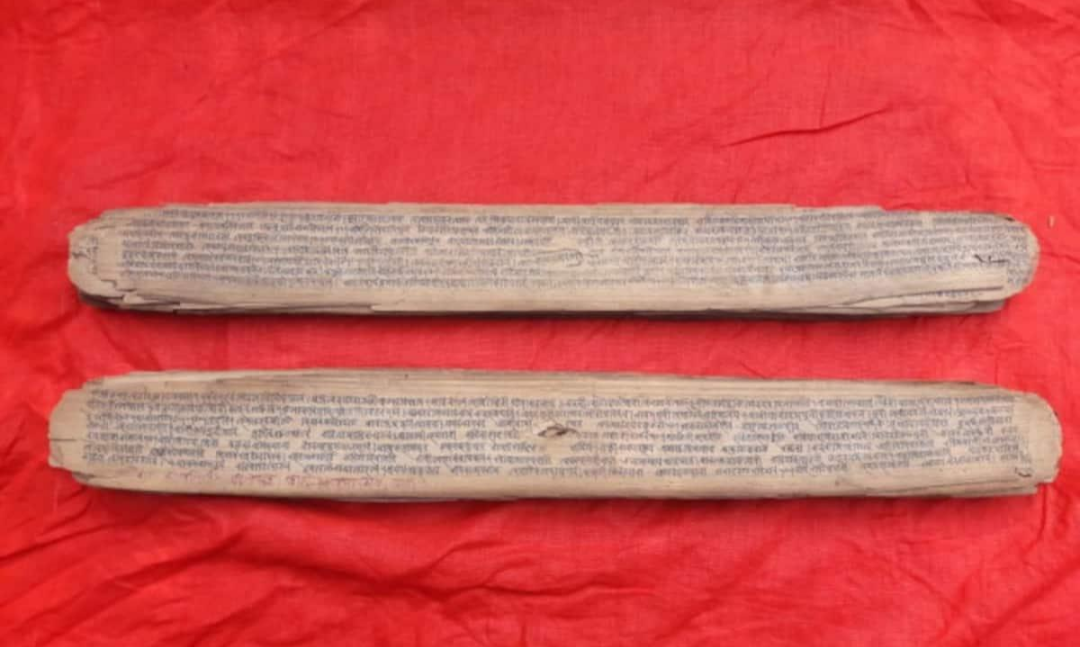
Education has long been a defining community value. Village and small-town Sanskrit schools known as chatuspathis or tols trained generations of scholars in grammar, logic, ritual law, and scripture, and family libraries of palm-leaf and paper manuscripts were carefully preserved and copied across generations — a scribal tradition that made Bengali Brahmin households important custodians of Sanskrit textual heritage.
7. Language and Religious Life
The everyday and literary language of the community is Bengali, one of the major languages of the Indo-Aryan family, while Sanskrit has historically served as the exclusive language of ritual, scripture, and formal scholarship. Bengali Brahmin priests conduct worship using Sanskrit mantras drawn from the Vedas, Puranas, and Tantric ritual manuals, while religious teaching, storytelling, and devotional singing are conducted in Bengali.
7.1 Shaktism, Vaishnavism, and Religious Diversity
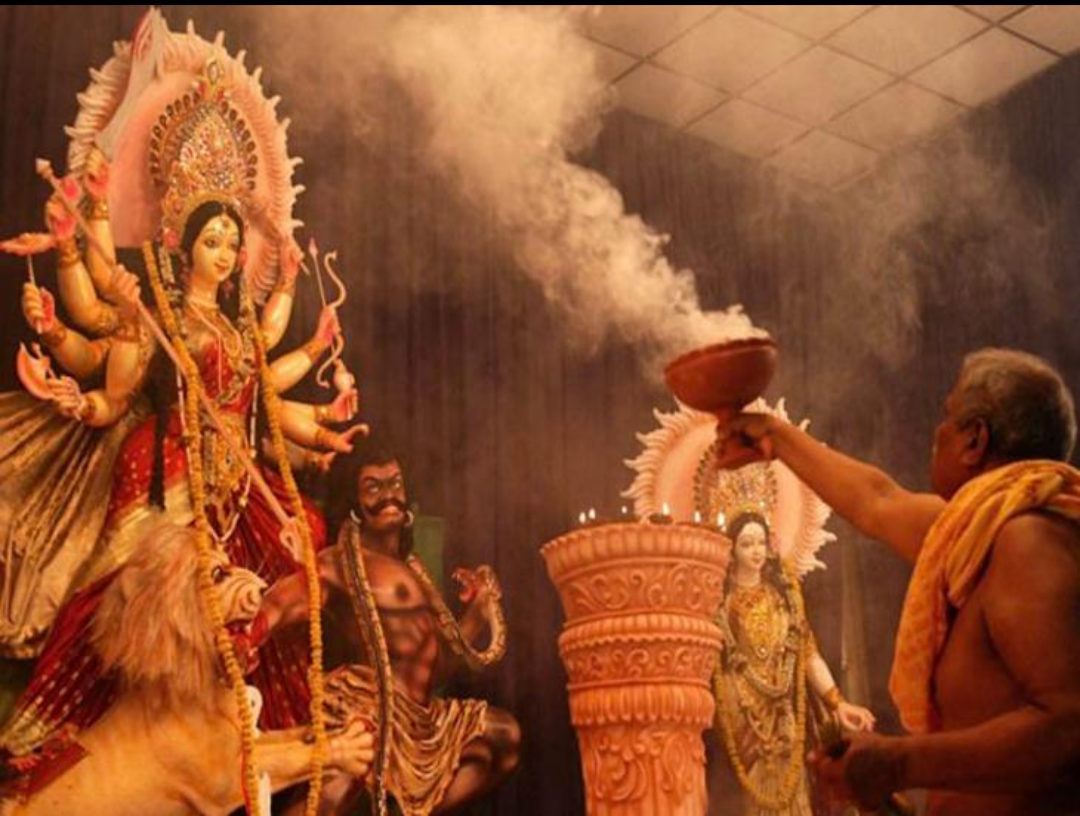
Religious practice within the community spans several major Hindu traditions. Shakta worship — devotion to the Goddess in her many forms, especially Durga and Kali — has a particularly strong presence in Bengal, and Brahmin priests officiate the great communal Durga Puja and Kali Puja festivals each autumn. Gaudiya Vaishnavism, the devotional tradition centered on Krishna and associated with the sixteenth-century saint Chaitanya Mahaprabhu, also draws deeply from Brahmin participation, particularly around its historic center at Nabadwip in what is now West Bengal's Nadia district.
7.2 Nabadwip and the Navya Nyaya Tradition
From the medieval period onward, Nabadwip developed into one of premodern India's foremost centers of Sanskrit learning, sometimes described by later observers as the 'Oxford of the East.' Brahmin scholars based in and around Nabadwip developed the Navya Nyaya ('New Logic') school of philosophical analysis, alongside advanced study of grammar, poetics, and religious law, drawing students from across the subcontinent to its chatuspathis. The town's dual identity as both a seat of rigorous logical scholarship and, following the birth of Chaitanya Mahaprabhu there around 1486, a major center of Vaishnava devotion, remains a defining feature of Bengali Brahmin intellectual history.
8. Rites of Passage: The Sacred Thread Ceremony
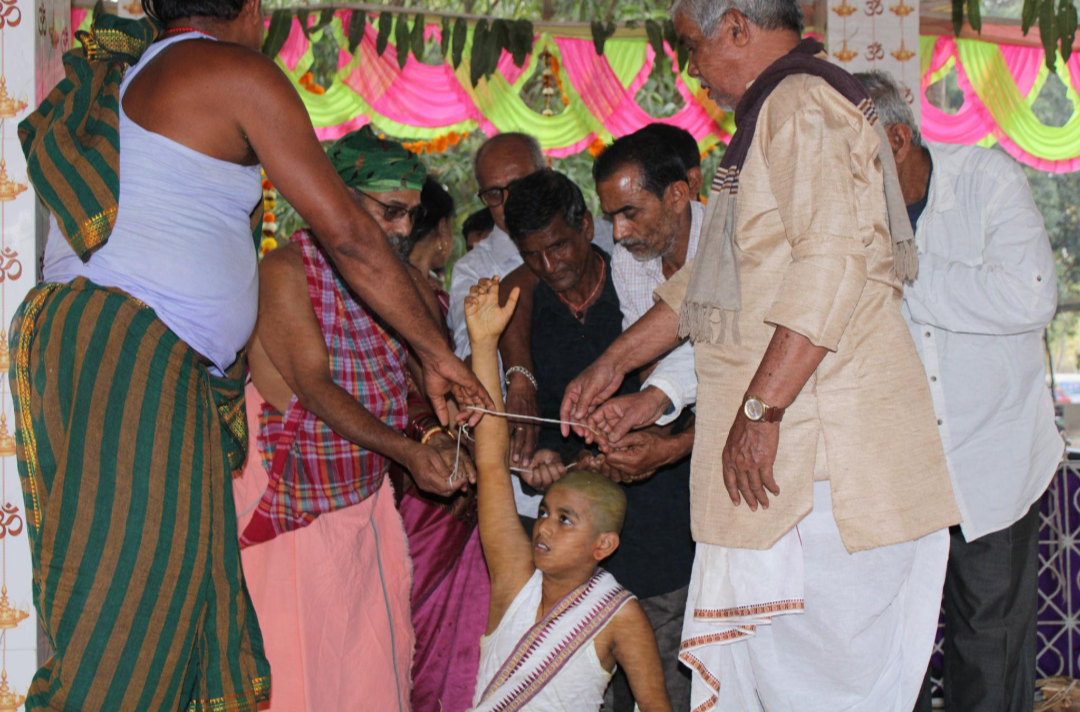
The upanayana, known in Bengali as poita or upobeet, is the community's central rite of passage for boys, traditionally performed between the ages of seven and eleven. During the ceremony, a sacred thread is placed over the boy's left shoulder by an officiating priest, marking his formal initiation into Vedic study and, symbolically, a second or spiritual birth. The ceremony includes the whispering of the Gayatri mantra by the boy's preceptor, and is typically followed by a period in which the initiate observes specific conduct and dietary discipline. Poita ceremonies remain an important family and community occasion, often celebrated with an accompanying feast for relatives and neighbors.
9. Culture, Customs, and Festivals
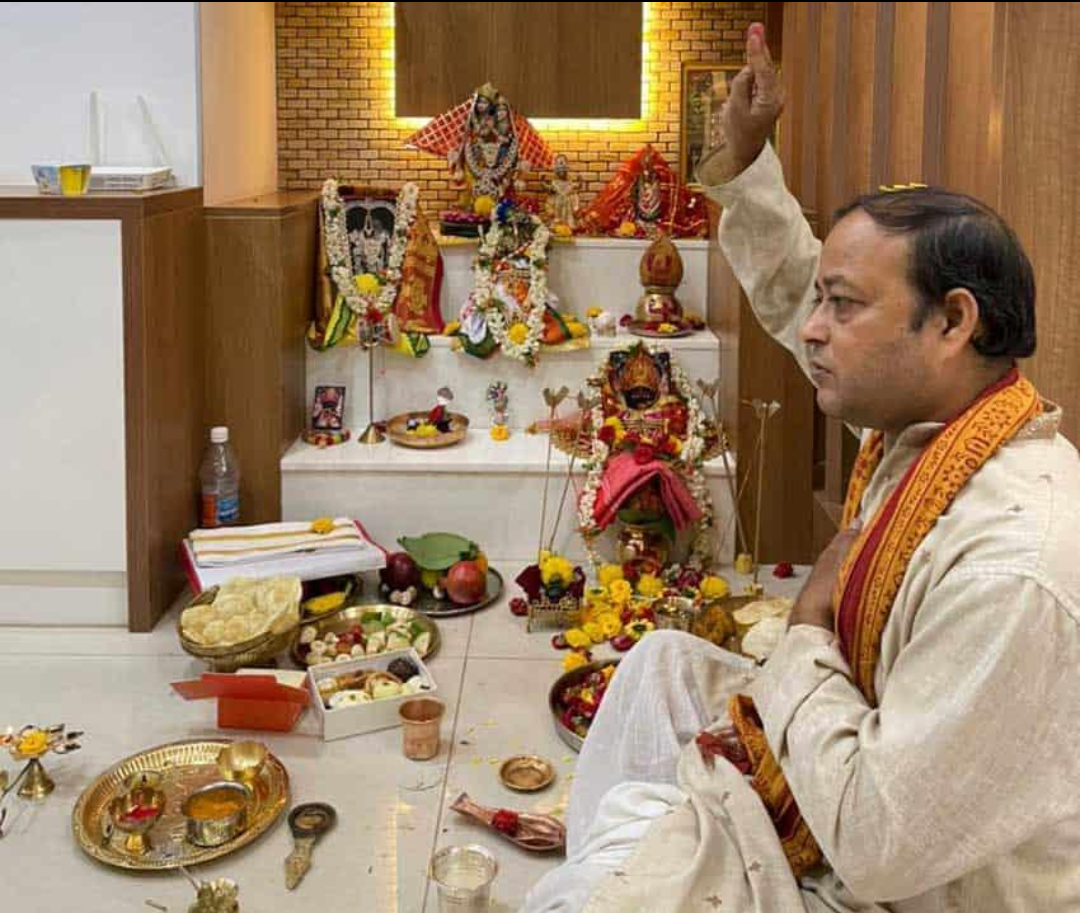
Bengali Brahmin households traditionally maintain a household deity (thakur) and a small home shrine, with daily worship (puja) performed by family members or an engaged priest. Beyond regular household ritual, the community's calendar is marked by major festivals rooted in Bengali religious life:
- Durga Puja — the five-day autumn festival honoring the goddess Durga, Bengal's largest and most significant religious and cultural celebration, in which Brahmin priests conduct elaborate daily rites before elaborately sculpted clay images.
- Saraswati Puja — celebrating the goddess of learning and the arts each spring, of particular resonance for a community that has long emphasized scholarship.
- Kali Puja and Dol Yatra (Holi) — major autumn and spring festivals respectively, observed with home and community worship.
- Rash Yatra — a major Vaishnava festival especially associated with Nabadwip, commemorating episodes from the life of Krishna.
Life-cycle rites (samskaras) — including naming ceremonies, the sacred thread ceremony, marriage, and funeral rites — are conducted according to Sanskrit ritual texts under the guidance of a family priest, and remain central markers of Bengali Brahmin religious identity.
10. Cuisine
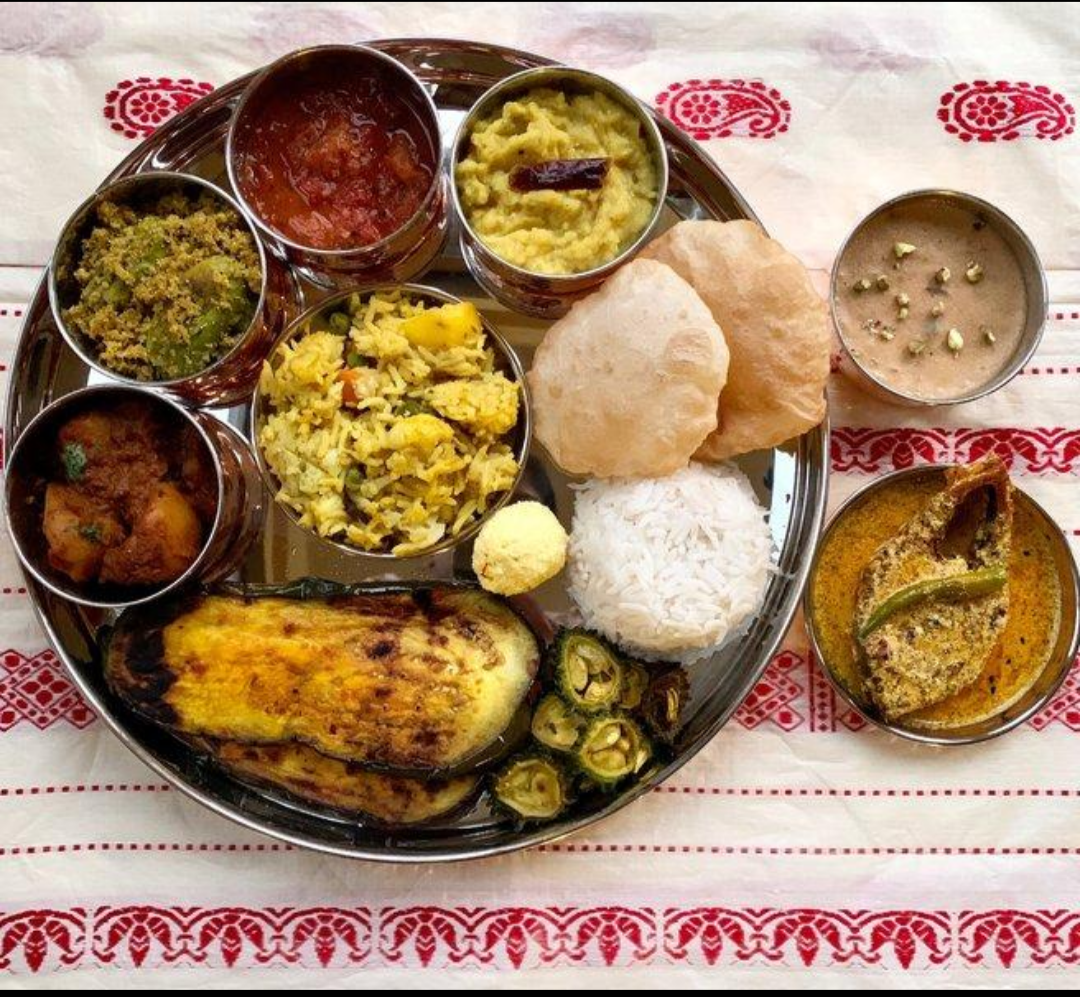
Bengali Brahmin households share in the broader culinary heritage of Bengal, built around rice, freshwater fish, mustard oil, and a distinctive five-spice blend known as paanch phoron, while also maintaining a strong tradition of elaborate vegetarian cooking tied to temple offerings and festival worship.
- Bhog — the vegetarian food offered to the deity during puja and afterward distributed among worshippers, typically including khichuri (a spiced rice-and-lentil dish), labra (a mixed-vegetable curry), payesh (a rice pudding sweetened with milk and jaggery), and fried items such as luchi (deep-fried flatbread) and beguni (fried eggplant fritters).
- Niramish dishes — a rich tradition of onion- and garlic-free vegetarian cooking developed for occasions of ritual fasting and religious observance, using mustard oil, ginger, and whole spices to create depth of flavor without alliums.
- Everyday Bengali fare — shared broadly across the region's Hindu households, including maacher jhol (light fish curry), shukto (a mildly bitter mixed-vegetable stew traditionally opening a full meal), and an extensive repertoire of milk-based sweets such as sandesh and rasgulla.
Feasting is closely tied to the ritual calendar, with elaborate offerings and family meals marking Durga Puja, Saraswati Puja, and other festival days, as well as life-cycle ceremonies such as the sacred thread ceremony and weddings.
11. Traditional Dress and Ritual Attire
Traditional Bengali dress, shared broadly across Bengali Hindu society, remains closely associated with priestly and ceremonial contexts among Brahmin families.
- Dhuti and panjabi — a long, wrapped garment (dhuti) worn by men with a loose kurta-like upper garment (panjabi), the standard formal and ceremonial dress for men, worn by priests while conducting worship and by families during festivals and life-cycle rites.
- Uttariyo — a plain cotton or silk shoulder-cloth worn by officiating priests during ritual ceremonies, along with the sacred thread (poita) itself, worn diagonally across the chest by initiated men.
- Tant and Garad sarees — fine handwoven cotton sarees (tant) and plain white silk sarees with a colored border (garad), traditionally worn by women, particularly during Durga Puja and other religious occasions; the garad saree in particular carries strong ritual association with puja mornings.
Contemporary daily dress has largely converged with mainstream Bengali and pan-Indian fashion, with traditional dhuti-panjabi and saree ensembles reserved chiefly for festivals, weddings, and religious ceremonies.
12. Traditional Learning Institutions and Architecture
The chatuspathi or tol — a small Sanskrit school, often run out of a scholar's own home or a dedicated hall — was the primary institution of traditional Bengali Brahmin education for centuries, training students in grammar, logic, poetics, and ritual law under a single teacher (a system that continued to flourish in centers such as Nabadwip well into the colonial period). Household architecture among landed Brahmin families historically followed the broader Bengali thakurbari or bonedi-bari pattern: a courtyard house often incorporating a dedicated thakur dalan, an open-columned hall used for the annual worship of the family deity during major festivals such as Durga Puja.
13. Folklore and Literary Tradition
Bengali Brahmin scholars and poets were central to the development of the Mangal-Kavya tradition, a genre of medieval Bengali narrative verse composed between roughly the thirteenth and eighteenth centuries in praise of regional deities such as the snake goddess Manasa and the goddess Chandi. The sixteenth-century poet Mukundaram Chakravarti composed the celebrated Chandimangal, considered one of the masterpieces of medieval Bengali literature, while the eighteenth-century court poet Bharatchandra Ray composed the Annadamangal. These long narrative poems, sung and performed orally for village audiences for generations before being committed to writing, wove together Sanskritic religious themes with the everyday texture of rural Bengali life, and remain foundational texts of Bengali literary history.
14. The Bengal Renaissance and Intellectual Legacy
Bengali Brahmin scholars played a central role in the Bengal Renaissance, the nineteenth-century flowering of literary, scientific, religious, and social-reform activity centered on Calcutta. Raja Ram Mohan Roy, widely regarded as a founding figure of the movement, drew on his own Sanskritic and Persianate education to found the Brahmo Sabha in 1828 (the forerunner of the Brahmo Samaj), a reformist religious movement that campaigned against practices such as sati and championed rational, monotheistic worship.
Ishwar Chandra Vidyasagar, born Ishwar Chandra Bandyopadhyay, studied at Calcutta's Sanskrit College and became one of the era's foremost educators, credited with modernizing the Bengali prose style and script, founding numerous schools for girls, and leading the successful campaign for the Hindu Widows' Remarriage Act of 1856. Later in the century, novelists Bankim Chandra Chattopadhyay and Sarat Chandra Chattopadhyay helped establish the modern Bengali novel, while the polymath Rabindranath Tagore — poet, composer, and educator, and Asia's first Nobel laureate in 1913 — brought Bengali literature to a global audience during the final decades of the Renaissance.
15. Diaspora
From the late nineteenth century onward, professional and educational migration carried Bengali Brahmin families first to other parts of India — particularly Delhi, Mumbai, and Bangalore — and later, from the mid-twentieth century, overseas. Significant diaspora communities exist today in the United States, United Kingdom, and Canada, concentrated in university towns and technology and finance hubs, as well as smaller communities across Europe, Australia, and the Gulf states. Diaspora families and cultural associations actively maintain Bengali-language worship, Durga Puja celebrations, and community gatherings that draw participants from across national boundaries, alongside continued engagement with Bengali literature, music, and cinema.
16. Prominent Figures
16.1 Religious and Scholarly Figures
- Ramakrishna Paramahamsa (1836–1886) — mystic and religious teacher whose disciples founded the Ramakrishna Mission, a major modern Hindu monastic and educational order.
- Raja Ram Mohan Roy (1772–1833) — founder of the Brahmo Sabha and a central figure of the Bengal Renaissance.
- Ishwar Chandra Vidyasagar (1820–1891) — educator, Sanskrit scholar, and social reformer, credited with modernizing Bengali prose and script.
16.2 Literature, Arts, and Public Life
- Rabindranath Tagore (1861–1941) — poet, composer, and Asia's first Nobel laureate in Literature (1913).
- Bankim Chandra Chattopadhyay (1838–1894) — novelist and author of Vande Mataram, regarded as a founding figure of the modern Bengali novel.
- Sarat Chandra Chattopadhyay (1876–1938) — one of the most widely read Bengali novelists of the early twentieth century.
- Mukundaram Chakravarti (16th century) — poet of the Chandimangal, a landmark of medieval Bengali literature.
16.3 Modern Public Life, Sport, and Popular Culture
- Sourav Ganguly (born 1972) — former captain of the Indian national cricket team and former president of the Board of Control for Cricket in India (BCCI).
- Ashok Kumar, Kishore Kumar, and Anoop Kumar (Ganguly brothers, 20th century) — pioneering siblings of Hindi cinema, born into a Bengali Brahmin family originally from Bikrampur in present-day Bangladesh.
This list is illustrative rather than exhaustive; the community has produced a large number of scholars, scientists, jurists, athletes, and civic leaders across Bengal and the diaspora over the past two centuries.
17. Frequently Asked Questions
Who are the Bengali Brahmins?
Bengali Brahmins are a Bengali-speaking priestly and scholarly community native to the historic Bengal region, spanning present-day West Bengal (India) and Bangladesh, traditionally associated with Sanskrit learning, temple and household priesthood, and — from the nineteenth century onward — a leading role in Bengal's literary and reform movements.
What are the main regional branches of Bengali Brahmins?
The three most commonly cited branches are Rarhi (associated with the Rarh tract southwest of the Bhagirathi–Hooghly river), Varendra or Barendra (associated with the region north and east of the Padma and Ganges rivers), and Vaidik (associated with later waves of Sanskrit-trained migrant scholars).
What are common Bengali Brahmin gotras?
Tradition traces most Bengali Brahmin lineages to five founding gotras: Shandilya, Bharadwaj, Kashyap, Vatsya, and Savarna, each linked to particular family surnames, as detailed in Section 3.
What are common Bengali Brahmin surnames?
Widely found surnames include Bandyopadhyay (Banerjee), Chattopadhyay (Chatterjee), Mukhopadhyay (Mukherjee), Gangopadhyay (Ganguly), Bhattacharya, Chakraborty, Lahiri, Sanyal, Maitra, Goswami, and Acharya, among others — see the surname table in Section 4.
What does Bengali Brahmin DNA ancestry show?
Population-genetic studies report that Bengali Brahmin men carry a comparatively high frequency of Y-DNA haplogroup R1a-Z93, linked to Indo-Aryan migration, alongside the broader indigenous South Asian and East/Southeast Asian ancestry found across Bengal more generally. See Section 5 for a fuller discussion.
What festivals do Bengali Brahmins celebrate?
Durga Puja, Saraswati Puja, Kali Puja, Dol Yatra (Holi), and the Nabadwip-linked Rash Yatra are among the major festivals in the community's religious calendar, alongside Sanskrit life-cycle rites such as the sacred thread ceremony.
18. Conclusion
The Bengali Brahmins represent a community whose identity has been shaped, over roughly a millennium, by the interplay of Sanskritic scholarship, regional religious devotion, and, in the modern era, a leading role in Bengal's literary and social transformation. From the chatuspathis of medieval Nabadwip to the reformist salons of colonial Calcutta, and from the sung verses of the Mangal-Kavya poets to the global reach of Rabindranath Tagore's poetry, the community's story is one of sustained engagement with language, learning, and religious life — a thread that continues through its institutions, festivals, and diaspora communities today.
References
- [1]1. Wikipedia. "Bengali Brahmins." https://en.wikipedia.org/wiki/Bengali_Brahmins
- [2]2. Wikipedia. "Kulin Brahmin." https://en.wikipedia.org/wiki/Kulin_Brahmin
- [3]3. Wikipedia. "Nabadwip." https://en.wikipedia.org/wiki/Nabadwip
- [4]4. Wikipedia. "Brahmo Samaj." https://en.wikipedia.org/wiki/Brahmo_Samaj
- [5]5. Wikipedia. "Raja Ram Mohan Roy." https://en.wikipedia.org/wiki/Raja_Ram_Mohan_Roy
- [6]6. Wikipedia. "Ishwar Chandra Vidyasagar." https://en.wikipedia.org/wiki/Ishwar_Chandra_Vidyasagar
- [7]7. Wikipedia. "Mangal-Kāvya" and "Manasamangal Kāvya." https://en.wikipedia.org/wiki/Mangal-K%C4%81vya
- [8]8. Britannica. "mangal-kavya." https://www.britannica.com/topic/mangal-kavya
- [9]10. Zenodo. "The Origin of the Bangla People: An Integrative Population Genomics Perspective." https://zenodo.org/records/18453005
- [10]11. Wikipedia. "Upanayana." https://en.wikipedia.org/wiki/Upanayana
- [11]12. Bengali renaissance overview, Dharmapedia Wiki. https://en.dharmapedia.net/wiki/Bengali_renaissance
- [12]13. gcollections.crl.edu. "Nabadwip: Sanskrit Learning and Manuscript Culture." https://gcollections.crl.edu/node/2168