

Kapol Community
Explore the Kapol Vania community of Saurashtra, Gujarat: origins in the Amreli–Bhavnagar belt, Pushtimarg faith, role in building Bombay, cuisine, diaspora, notable people and what DNA can reveal about Kapol ancestry.
THE KAPOL COMMUNITY
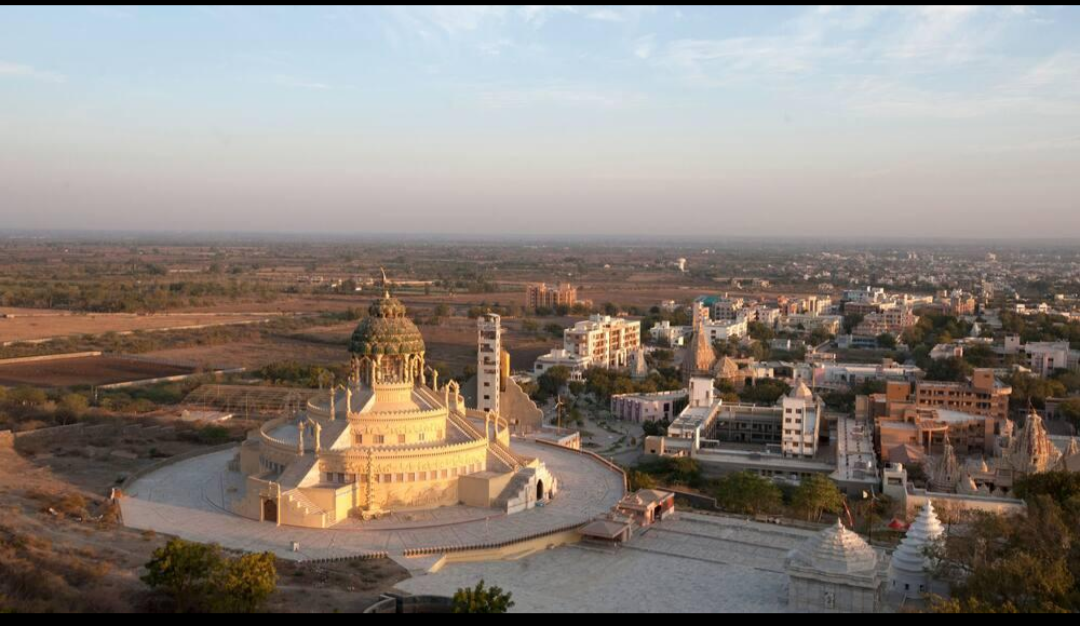
Merchants of Saurashtra: Geography, History, Culture and Ancestry
Introduction: Who Are the Kapols?
The Kapols (also written Kapole, and known as Kapol Vania, Kapol Bania or Kapol Samaj) are a Gujarati Hindu merchant community belonging to the broad Vaishya or Vania stratum of western India. Their homeland is the southern and south-eastern part of the Saurashtra (Kathiawar) peninsula, a dry, coastal region of small market towns, ports and former princely states. From this base, Kapol traders moved over three centuries into Surat, Bombay and the wider Indian Ocean trade, becoming one of the communities that helped turn Bombay into India's commercial capital.
Unlike communities defined by a single founding ancestor or a conversion event, the Kapols are best understood as a people of a place: a cluster of trading families from a specific belt of Saurashtrian towns who married among themselves, worshipped together and organised their own institutions. This profile brings together what encyclopaedic, historical and community sources say about Kapol geography, origins, faith, customs, food, dress, diaspora and notable members, and flags clearly where information is community tradition rather than documented history.
Etymology of the Name "Kapol"
The name is generally traced to the Sanskrit word kapola, which literally means "cheek". Why a merchant caste carries this name is not settled. Different community traditions offer different explanations, ranging from a link to an old place or settlement name in Saurashtra to purely mythological origin stories. Historians have not confirmed any of these, so the safest statement is that "Kapol" is an old caste name of Sanskrit origin whose original meaning for the community has been lost or retold in several ways.
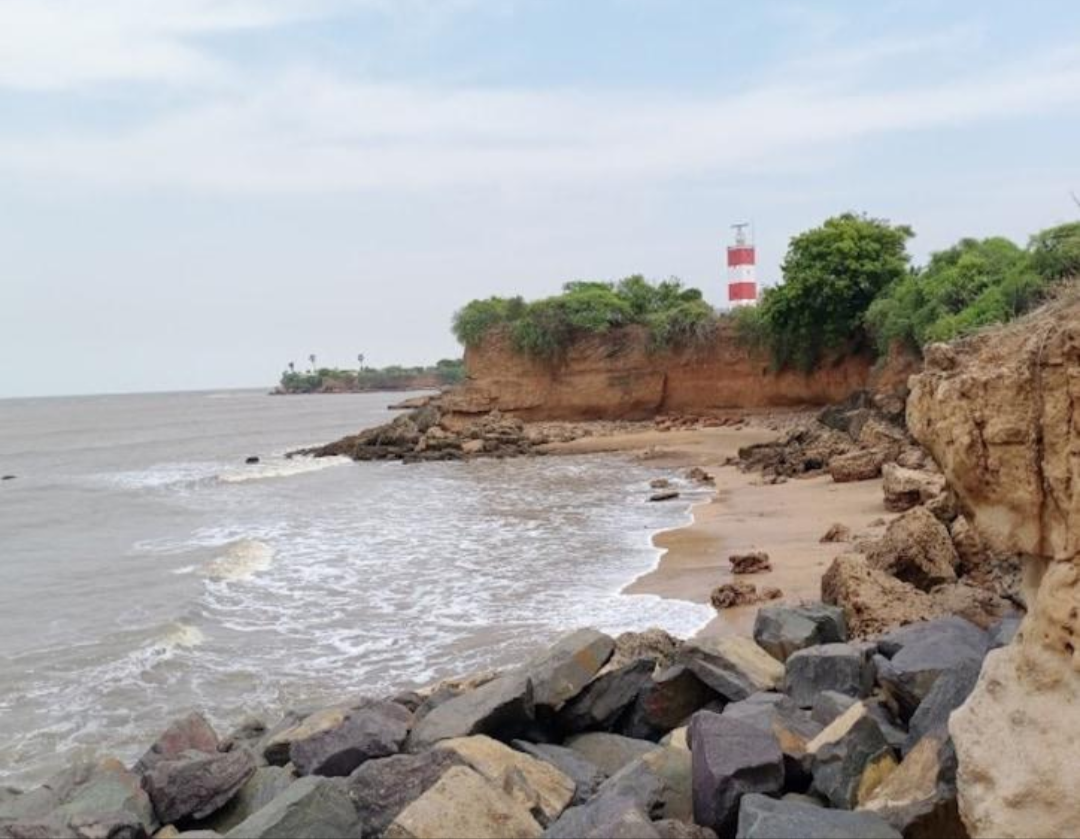
Geography: The Kapol Homeland
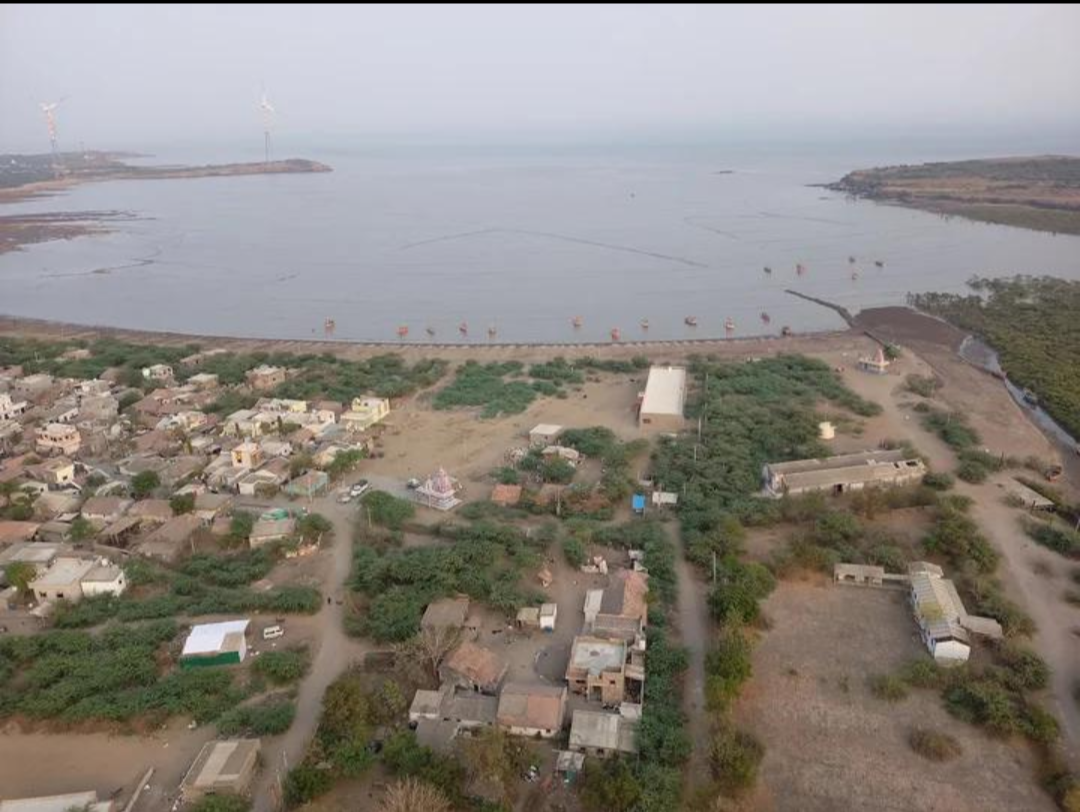
Kapol families historically lived in a compact belt of towns in what are now the Amreli and Bhavnagar districts of Gujarat. Places most often associated with the community include:
- Mahuva – a coastal trading town on the Gulf of Khambhat; the reformer Karsandas Mulji was born at Vadal near Mahuva.
- Rajula and Jafrabad – small ports and market towns on the southern Saurashtra coast.
- Amreli, Lathi and Savarkundla – inland market towns of the old Gaekwad and Kathiawar states.
- Sihor – an old town near Bhavnagar, once a seat of the Gohil rulers.
- Ghogha – a historic port near Bhavnagar from which Kapol merchants sailed and migrated to Bombay.
This is a semi-arid landscape of black-cotton soil, groundnut and cotton fields, small creeks and fishing harbours, ruled until 1948 by a patchwork of princely states such as Bhavnagar, Gondal and the Gaekwad's Amreli division. Its ports looked outward to the Gulf of Khambhat, Surat and the Arabian Sea, which explains why trading families of this region were drawn so early into maritime commerce.
Origins and Early History
Written records of the Kapols before the seventeenth century are scarce. Like most Gujarati Vania groups, the community was probably formed through the gradual consolidation of trading lineages in a particular region, which then became endogamous (marrying within the group) and took on a shared name, deities and institutions. Community histories maintain their own origin stories, but these are best read as tradition rather than verified history.
The Kapols enter documented history through trade. By the seventeenth century Kapol merchants were active at Surat, then the great port of Mughal India. Bhimji Parekh (c. 1610–1680), a Kapol Bania broker and textile dealer for the East India Company at Surat, is remembered as one of the first Indian merchants to respond to British invitations to settle in Bombay, and is credited with trying to bring the first printing press to the island in the 1670s. Historians of Indian Ocean trade also describe Kapol Banias among the merchant-bankers whose credit networks financed both Indian and European commerce in western India.
In 1756 a Kapol merchant named Rupaji Dhanji moved from Ghogha to Bombay. His family line later produced Sir Mangaldas Nathubhai, and he is remembered as a founding figure of the Kapol community in the city. Between the seventeenth and nineteenth centuries many more Kapol families followed, settling especially in the Bhuleshwar, Kalbadevi and Girgaum areas of the old Indian town.
The Kapols and the Making of Bombay
Nineteenth-century Bombay is where Kapol history becomes most visible. The community was governed by a caste council (panchayat) led by a titular head, the Sheth, who also acted as an intermediary with the colonial government. In the late nineteenth century this role was held by Sir Mangaldas Nathubhai (1832–1890), an industrialist and philanthropist who used his position to support education and social reform.
The same period produced the community's most famous dissenter. Karsandas Mulji (1832–1871), a Kapol journalist, campaigned in his weekly Satyaprakash for widow remarriage and against the conduct of certain Vaishnava religious heads. Caste leaders tried to excommunicate him but could not win enough support within the community. His writing led to the Maharaj Libel Case of 1862 in the Bombay Supreme Court, which Mulji won, making him a landmark figure in Indian press freedom and social reform. His story was retold in the 2024 film Maharaj.
The Kapols also left lasting institutions in the city. Madhav Baug in Bhuleshwar, a nineteenth-century temple complex and community hall, hosted meetings of the freedom movement, including gatherings addressed by Mahatma Gandhi. A hospital founded in 1925 with Kapol support, originally Sir Harkisandas Narottamdas Hospital, survives today as the Sir H. N. Reliance Foundation Hospital. In 1939 Khushaldas Kurji Parekh founded the Kapol Co-operative Bank to serve less prosperous members; it became a scheduled bank in 1998 but later went into liquidation.
Religion and Belief
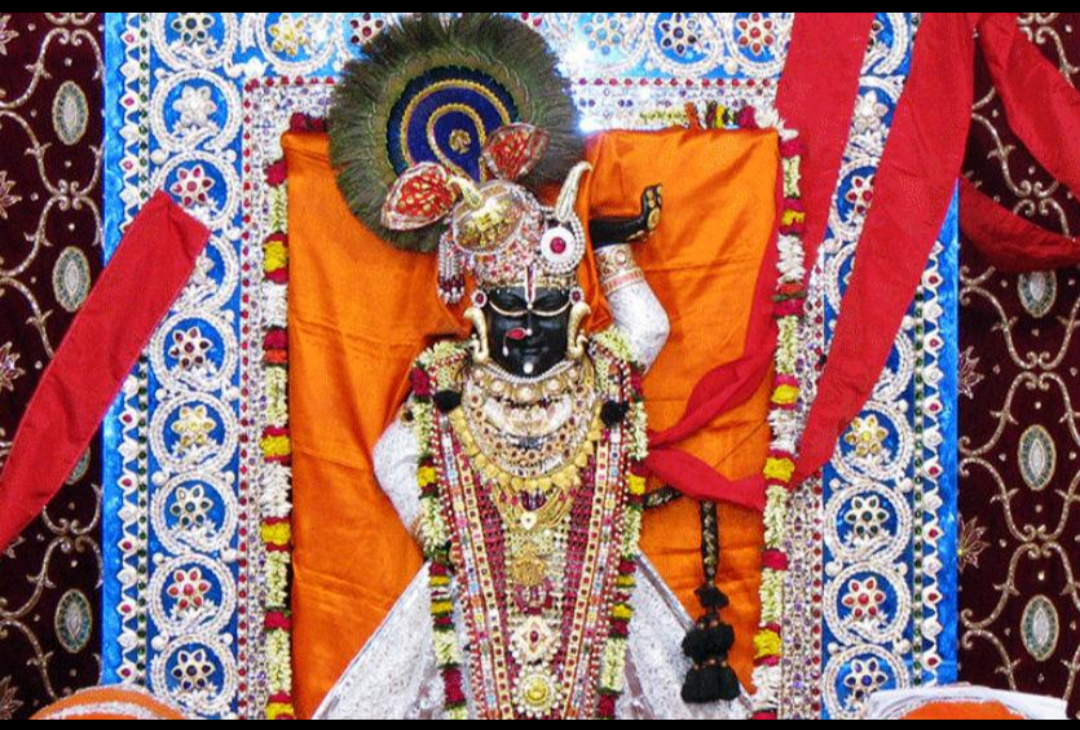
Kapols are Hindus, and the great majority are Vaishnavas of the Pushtimarg, the devotional tradition founded by Vallabhacharya in the sixteenth century, which centres on loving service (seva) to Krishna, especially in his child form as Shrinathji. Pushtimarg has deep roots among Gujarati merchant castes, and Kapol homes typically keep a small shrine, observe the havelis' festival calendar and make pilgrimages to Nathdwara in Rajasthan. The relationship with religious authority has not always been simple, as the Maharaj Libel Case showed, but devotion to Krishna remains central to Kapol identity.
Like other Gujarati castes, Kapol families also honour a kuldevi (lineage goddess), whose shrine is visited for important life events such as a child's first haircut or after a wedding. The specific kuldevi varies by family and lineage, so families are best guided by their own elders and priests here.
Language
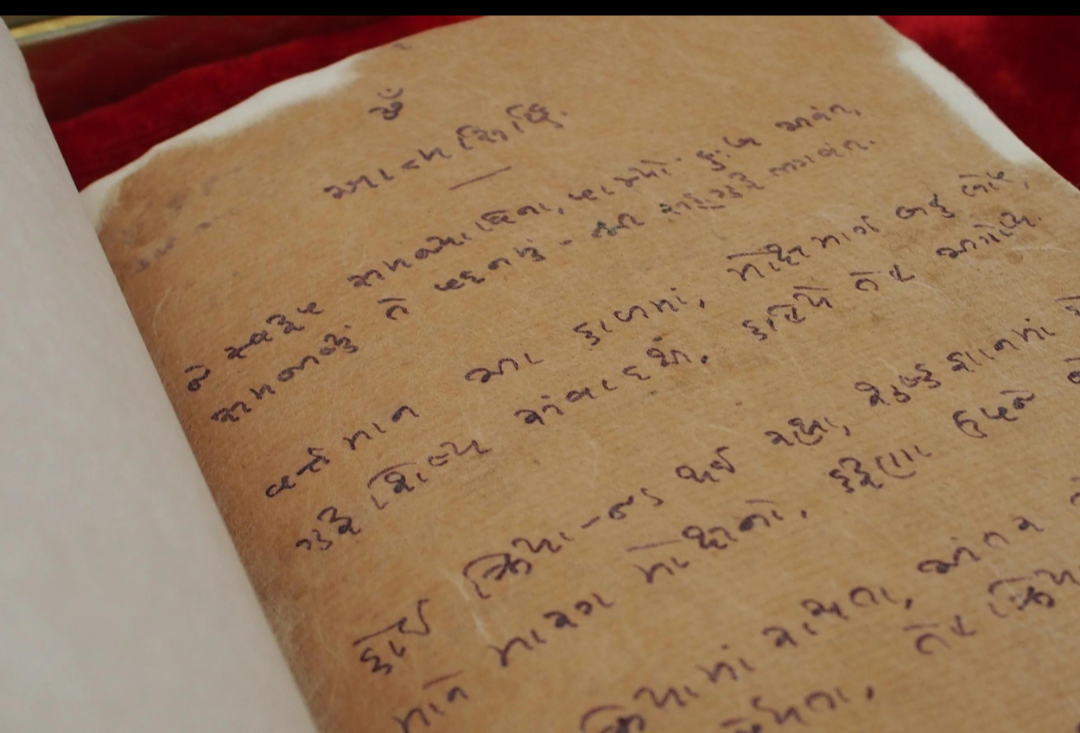
Kapols speak Gujarati, traditionally in its Kathiawari (Saurashtrian) form, which has its own vocabulary, intonation and expressions. In Mumbai, families often shift towards a city Gujarati mixed with Hindi, Marathi and English, while diaspora families commonly speak English at home with Gujarati kept for elders, food and festivals.
Social Structure and Community Organisation
The Kapols are traditionally endogamous: marriage within the community has long been preferred, while marriages within the same lineage are avoided. Common surnames include Parekh, Mehta, Sheth, Shah, Gandhi, Dalal and Vora, though these surnames are shared widely across Gujarati Vania and other communities, so a surname alone does not identify a family as Kapol.
Community life is organised through mandals, trusts and welfare bodies. Examples include the Kapole Shreyas Mandal (history and welfare), Shree Vile Parle Kapol Utkarsh Mandal (education, hostels and scholarships), the Poona Kapol Mitra Mandal (marriage bureau), Global Kapol Vikas (a worldwide network) and the community magazine Kapol Mitra. The community also maintains low-cost holiday homes, such as the Kapol Sanatorium facilities at Lonavala and Deolali–Nashik, for members' use.
Customs, Family Life and Marriage
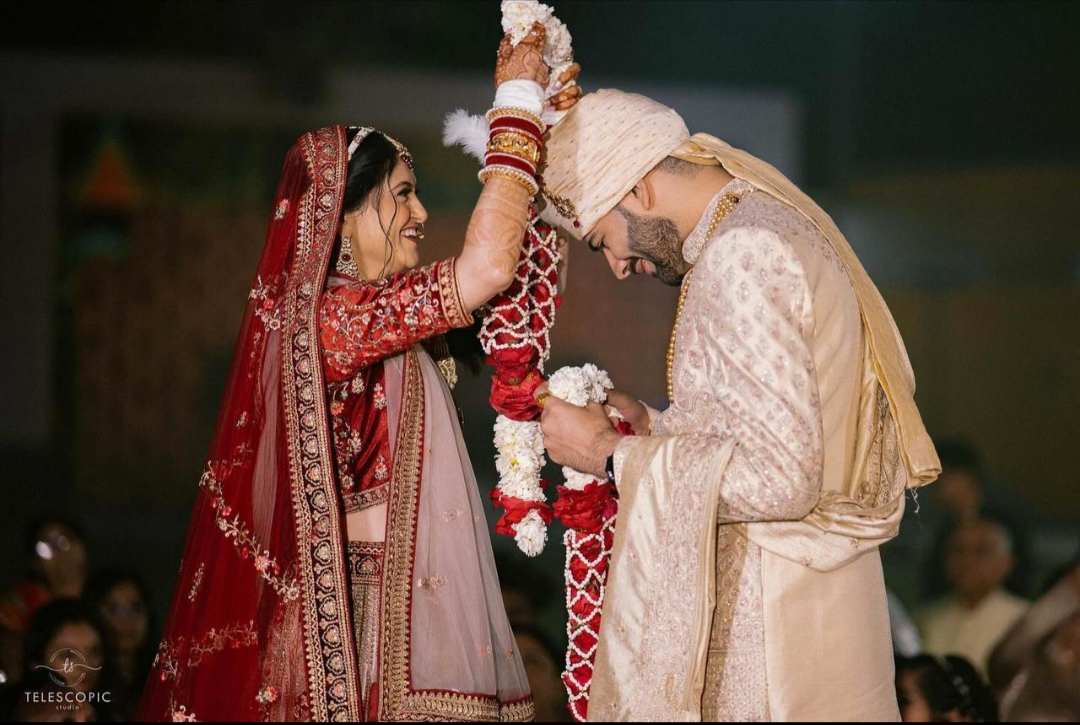
Kapol life-cycle rituals follow the broader Gujarati Hindu pattern. A Kapol wedding typically includes a sagai (engagement), the installation of Ganesh (Ganesh sthapana), mandap muhurat, the haldi or pithi ceremony with turmeric paste, mehndi, and often a garba or dandiya raas evening, followed by the Vedic wedding with saptapadi and kanyadaan. Family events tend to be vegetarian, and many Pushtimargi households time ceremonies by the religious calendar.
Festivals that matter most include Diwali and the Gujarati New Year (Bestu Varas), when merchant families perform chopda pujan, the blessing of new account books; Navratri; Janmashtami, celebrated with special fervour in Pushtimargi homes; Annakut, the offering of a mountain of food to Krishna; and Uttarayan, the kite festival.
Cuisine
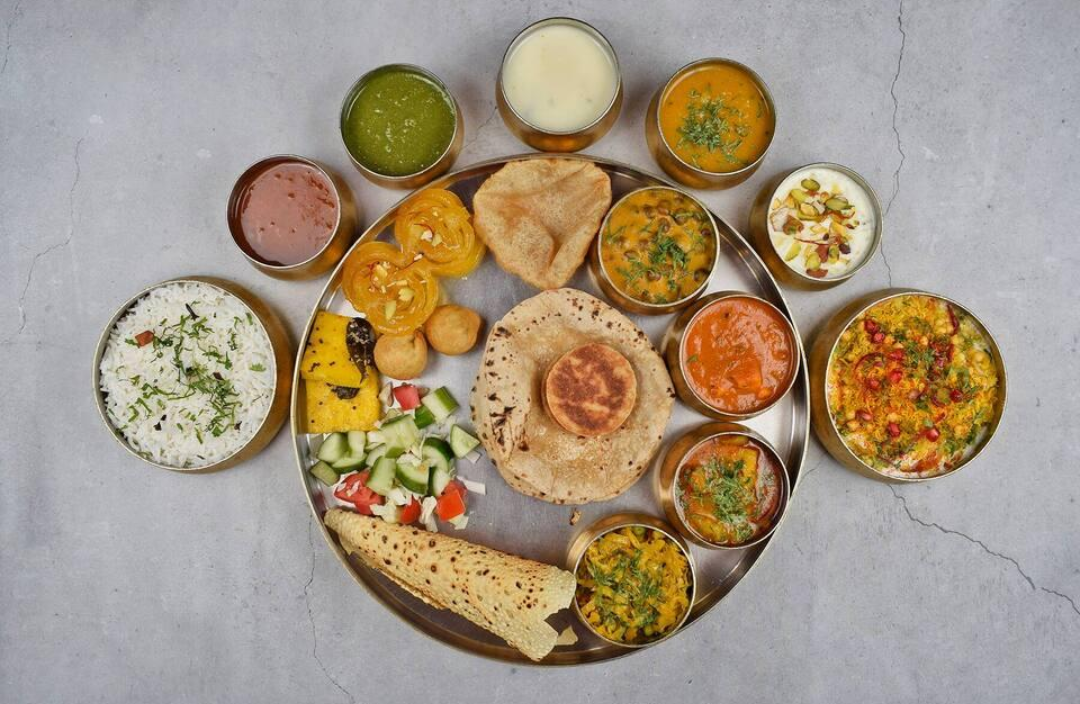
Kapol food is Saurashtrian Gujarati vegetarian cooking, typically without meat, fish or eggs, and in stricter Pushtimargi households sometimes without onion and garlic for temple-offered food. Compared with the sweeter food of Ahmedabad, Kathiawari cooking is spicier and leans on millets, groundnut oil and buttermilk. Typical dishes include:
- Bajra no rotlo – thick pearl-millet flatbread, eaten with garlic chutney, jaggery and ghee.
- Sev tameta nu shaak – a tangy tomato curry topped with gram-flour sev.
- Ringan no olo – roasted, mashed brinjal, the Kathiawari cousin of baingan bharta.
- Kadhi-khichdi – a light yogurt curry with rice-and-lentil khichdi, the classic everyday supper.
- Thepla, khakhra and dhokla – snacks and travel foods made famous by Gujarati traders.
- Undhiyu – a winter mixed-vegetable dish associated with Uttarayan.
- Shrikhand, mohanthal and ghughra – sweets for weddings, Diwali and temple offerings (prasad).
Pushtimarg has also shaped the kitchen: the elaborate food offerings made to Krishna in havelis have influenced festive menus at home.
Dress
Traditional Kapol dress follows Kathiawari and Gujarati Vania styles. Older-generation men wore a dhoti or pyjama with angarkha or kediyu tops and a pagdi (turban) on formal occasions; nineteenth-century Bombay merchants were known for distinctive turbans. Women traditionally wear the sari in the seedha pallu (front-drape) Gujarati style, with bandhani (tie-dye) and patola silks prized for weddings, and a gharchola (red-and-white or red-and-green checked sari) often worn by brides. Today everyday dress is fully modern and urban, with traditional dress reserved for weddings and festivals.
Physical Traits
Kapols, like most Gujarati communities, show a wide range of appearance, and no single physical type defines the community. Skin tones generally range from light wheatish to medium brown, with dark hair and brown eyes most common, and occasional lighter eyes in some families. Physical appearance is a poor guide to caste or community: the differences within a community are usually far larger than the average differences between neighbouring communities, which is why genetic testing is far more informative than looks.
Occupations and Economic Life
Trade, brokerage and banking are the community's traditional occupations. Historically Kapols worked as cloth merchants, shroffs (money-changers and bankers), commodity traders and brokers for European companies. In the twentieth century they moved into diamonds, textiles, stock broking, chartered accountancy, medicine, law, engineering and IT, while many families still run small and medium businesses in Mumbai and Gujarat. Saving, thrift and community lending, institutionalised through bodies like the Kapol Co-operative Bank, have long been part of the community's economic culture.
Population Size and Distribution
India's census has not counted castes separately since 1931, so there is no official figure for the Kapol population. Community bodies describe it as a small but well-organised community, and it is reasonable to think of it in the range of a few hundred thousand people worldwide, though this is an estimate rather than a measured number. The largest concentration is in Mumbai and its suburbs, especially Vile Parle, Ghatkopar, Malad, Borivali and older areas like Bhuleshwar; followed by Gujarat (Amreli, Bhavnagar, Rajkot, Surat, Ahmedabad) and Pune.
Diaspora
Like other Gujarati trading communities, Kapol families moved abroad in waves. Some went to East Africa (Kenya, Uganda and Tanzania) during the colonial period, and many of these later resettled in the United Kingdom in the 1960s–70s. From the 1970s onward, professionals moved to the United States, Canada, the Gulf states, Singapore, Hong Kong and Australia. Global networks such as Global Kapol Vikas help connect these scattered families.
Small Cultural Things
- Chopda pujan: worshipping new account books at Diwali, a ritual that captures the community's merchant identity.
- Bestu Varas visits: going from house to house on the Gujarati New Year with greetings of "Saal Mubarak".
- Haveli culture: visiting the local Pushtimarg haveli for darshan, with its fixed daily timings and music (haveli sangeet).
- Kathiawari speech: the distinctive Saurashtrian accent and words that elders keep alive even in Mumbai.
- Matrimonial networks: community magazines and marriage bureaus that keep the community endogamous across cities and countries.
- Holiday homes: community sanatoria at hill stations that families have visited for generations.
Genetic Ancestry: What We Know and What We Don't
No published genetic study has sampled the Kapol community specifically. What we do have are studies of Gujarati populations in general, including Gujarati Vania and Patel groups and the widely used "Gujarati Indians" (GIH) sample of the 1000 Genomes Project. The points below are therefore expectations based on the region and similar communities, not measured Kapol results. Building real Kapol data is exactly what the GenoConnect community feature is designed to do.
Ancestral components: AASI, Indus farmer and Steppe
Modern Indians are usually modelled as a mixture of three deep sources: Ancient Ancestral South Indians (AASI), the indigenous hunter-gatherers of the subcontinent; Indus Valley–related or Iranian-farmer-related ancestry; and Steppe ancestry from Central Asian pastoralists who arrived in the second millennium BCE. North-western Indian groups, including Gujaratis, typically have the highest Indus/Iranian-farmer-related share, a moderate AASI share and a moderate Steppe share. Upper and middle caste Gujarati groups usually carry somewhat more Steppe ancestry than the average Gujarati, but less than groups from Punjab or the north-west frontier.
| Component | Expected pattern for Kapols (indicative only) |
|---|---|
| Indus / Iranian-farmer-related | Likely the largest single component, as in most Gujarati populations |
| AASI | Moderate; lower than in south and east Indian groups |
| Steppe | Moderate, broadly comparable to other Gujarati Vania groups |
| Status | Unmeasured for Kapols – awaiting community samples |
Haplogroups
Haplogroups trace a single line of descent: the Y-chromosome from father to son, and mitochondrial DNA (mtDNA) from mother to all her children. In Gujarati populations the most common Y-DNA haplogroups are R1a (often associated with Steppe-related ancestry), L, J2, H and R2, with smaller amounts of others. Common mtDNA haplogroups belong largely to the South Asia–specific M lineages (such as M3, M30 and M2), alongside U (especially U2 and U7), R5, W and others. Kapols are likely to show a similar mix, but the exact frequencies, and whether certain Kapol lineages share recent common paternal ancestors, can only be known through testing.
Closest genetic relatives
The Kapols are expected to be genetically closest to other Saurashtrian and Gujarati merchant and upper-caste communities, such as Sorathiya, Modh, Lad and other Vania groups, Lohanas and Bhatias, and Gujarati Brahmin and Patel communities, reflecting centuries of shared geography. Because the Kapols are endogamous, they may also show signs of a modest founder effect, meaning many members share small segments of DNA from a limited set of common ancestors, as is typical of Indian castes. The Kapols are a Hindu community with no tradition of conversion, so the question of a source community, which matters to some Christian or Muslim groups, applies differently here: the more useful question is which neighbouring groups Kapol families most overlap with.
Notable Figures
- Bhimji Parekh (c. 1610–1680) – Surat broker for the East India Company and early settler in Bombay, credited with bringing the first printing press to the city.
- Rupaji Dhanji (18th century) – merchant who moved from Ghogha to Bombay in 1756 and is regarded as a founding figure of the Kapol community there.
- Sir Mangaldas Nathubhai (1832–1890) – industrialist, philanthropist and Sheth of the community in Bombay.
- Karsandas Mulji (1832–1871) – journalist and reformer, editor of Satyaprakash and winner of the Maharaj Libel Case of 1862.
- Dr. Gordhandas Bhagwandas Narottamdas (1887–1975) – physician associated with founding a community hospital in Mumbai.
- Dr. Jivraj Mehta (1887–1978) – physician, freedom-movement figure and the first Chief Minister of Gujarat.
- Vipin Reshammiya and Himesh Reshammiya – music director father and his son, the composer, singer and actor.
Conclusion
The Kapol story is one of a small community from a dry corner of Saurashtra that reached far beyond its size. From the market towns of Amreli and Bhavnagar, Kapol merchants moved to Surat and Bombay, financed trade, built temples, hospitals and banks, and produced one of nineteenth-century India's boldest reformers. Today Kapol families live from Mumbai to London and New Jersey, held together by Pushtimarg devotion, Kathiawari food and dense community networks. What remains largely unwritten is the community's genetic story: its deep ancestry, its paternal and maternal lineages and its closest relatives. That is a chapter Kapol families can now help write themselves.
Frequently Asked Questions
Who are the Kapols?
The Kapols are a Gujarati Hindu Vania (merchant) community from the southern Saurashtra peninsula, best known for their role in the trade and institutions of Bombay.
Where do Kapols originally come from?
From towns in present-day Amreli and Bhavnagar districts of Gujarat, including Mahuva, Rajula, Jafrabad, Amreli, Lathi, Savarkundla, Sihor and the port of Ghogha.
What does the word "Kapol" mean?
It derives from the Sanskrit kapola (cheek). The reason the community carries this name is explained differently in different traditions and has not been established historically.
What religion do Kapols follow?
Kapols are Hindus, mostly Vaishnavas of the Pushtimarg tradition of Vallabhacharya, devoted to Krishna as Shrinathji.
Are Kapols the same as Lohanas or Bhatias?
No. They are distinct Gujarati trading communities with separate histories and marriage circles, though they share a region, a commercial culture and likely a good deal of ancestry.
What language do Kapols speak?
Gujarati, traditionally in its Kathiawari form; diaspora families often speak English as well.
What are common Kapol surnames?
Parekh, Mehta, Sheth, Shah, Gandhi, Dalal and Vora are common, but these surnames are shared with many other Gujarati communities.
How many Kapols are there?
There is no official count, because the Indian census does not record most castes. Community estimates suggest a small population, likely a few hundred thousand worldwide.
Who is the most famous Kapol in history?
Karsandas Mulji, the reformer who won the Maharaj Libel Case of 1862, is probably the best-known; Dr. Jivraj Mehta, Gujarat's first Chief Minister, is another.
What is the Kapol genetic makeup?
No study has measured it yet. Based on Gujarati data, Kapols are expected to have Indus/Iranian-farmer-related ancestry as the largest component, with moderate AASI and Steppe ancestry.
Which haplogroups are common among Kapols?
Not yet measured. Gujarati groups commonly carry Y-DNA R1a, L, J2, H and R2, and mtDNA M lineages, U2, U7, R5 and W.
How can I learn more about my Kapol ancestry?
Talk to elders about your ancestral town and kuldevi, and take a DNA test with GenoConnect to see your ancestry breakdown, haplogroups and relatives, while contributing to the first Kapol genetic profile.
References
- [1]Wikipedia. "Kapol community." https://en.wikipedia.org/wiki/Kapol_community
- [2]Wikitia. "Kapol Community." https://wikitia.com/wiki/Kapol_Community
- [3]Wikipedia. "Karsandas Mulji." https://en.wikipedia.org/wiki/Karsandas_Mulji
- [4]Wikipedia. "Satyaprakash." https://en.wikipedia.org/wiki/Satyaprakash
- [5]Subramanian, Lakshmi (1987). "Banias and the British." Modern Asian Studies 21(3): 473–510.
- [6]Masselos, Jim (1974). Towards Nationalism. Bombay: Popular Prakashan.
- [7]The Gazetteer of Bombay City and Island, Vol. 1 (1909), p. 297.
- [8]Greater Bombay District Gazetteer, "People." Government of Maharashtra.
- [9]Nilkanth, Mahipatram Rupram (1877). Uttam Kapol Karsandas Mulji Charitra.
- [10]Madhavbaug. "History." https://madhavbaug.org/history
- [11]Kapol Sanatorium. https://www.kapolsanatorium.com/
- [12]Global Kapol Vikas. https://globalkapolvikas.com/
- [13]Narasimhan, V. M. et al. (2019). "The formation of human populations in South and Central Asia." Science 365(6457).
- [14]1000 Genomes Project Consortium (2015). "A global reference for human genetic variation." Nature 526.