

Kerala Brahmin Community
Explore the Namboodiri community, Malayali Brahmins of Kerala. Discover their ancient history, unique culture, Vedic traditions, and societal role.
Namboodiri Community: History, Culture & Society of Kerala’s Brahmins
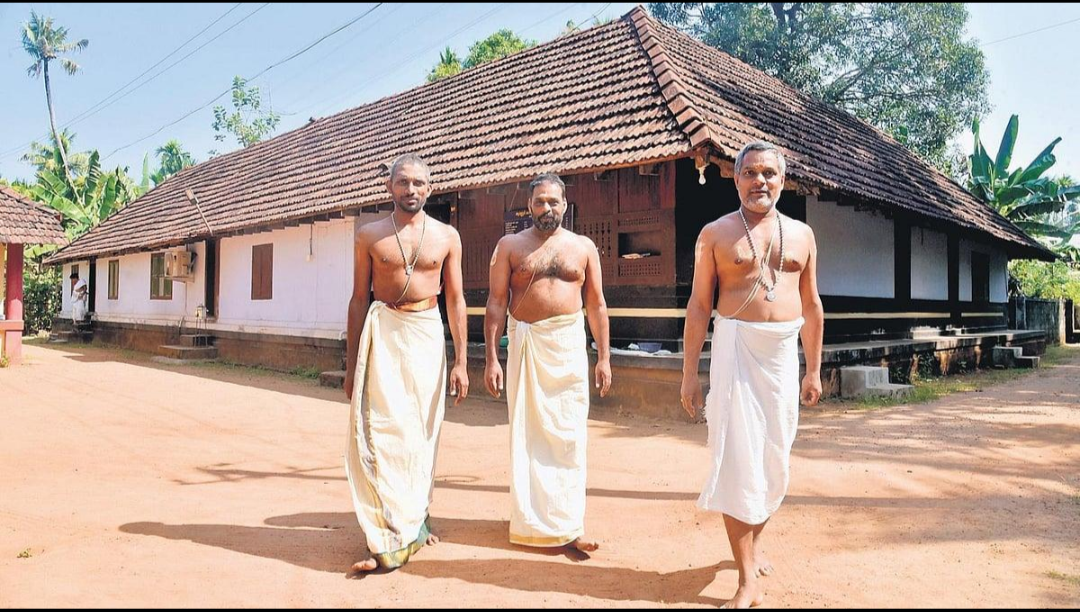
1. Introduction: Who Are the Namboodiris?
The Namboodiris (also spelled Nambudiri, Nampoothiri, or Namboothiri) are the Malayali Brahmin community native to Kerala, on India’s southwestern coast. For much of Kerala’s medieval and early modern history, they occupied the apex of the region’s caste hierarchy, functioning not merely as a priestly class but, together with the matrilineal Nair aristocracy, as the state’s dominant landholding elite — a position colonial administrators and anthropologists described as the jenmi (landlord) system.
Unlike Brahmin communities elsewhere in India, who are generally organized as one caste among several holding comparable ritual status, the Namboodiris were traditionally described as standing “above and outside” the political systems of Kerala’s kingdoms, wielding religious authority that in some respects outranked the region’s kings. This profile draws on published anthropological studies, historical scholarship, and community records to outline the Namboodiris’ origins, historical role, customs, and place in contemporary Kerala. As with most Indian caste communities, the earliest chapters of their history rest on legend, inscriptional fragments, and oral tradition rather than continuous documentary record, and several points below are noted as such.
2. Etymology and Origins
The name “Namboodiri” is generally understood to derive from Malayalam roots associated with “one possessing” (a share of) Vedic knowledge or land, though, as with many caste names in South India, no single etymology is treated as definitive.
- The Parashurama legend: According to the Keralolpatti (a traditional legendary history of Kerala compiled in written form around the eighteenth century), the sage-warrior Parashurama — regarded in Puranic tradition as an avatar of Vishnu — reclaimed the land of Kerala from the sea by hurling his axe, and subsequently brought Brahmin families to settle it, organizing them into sixty-four gramams (villages), thirty-two in the Tulu-speaking region of present-day coastal Karnataka and thirty-two in Malayalam-speaking Kerala. Those who settled in Kerala are traditionally identified as the ancestors of the Namboodiris. This account is a foundational community legend rather than a verifiable historical event, though it is deeply embedded in Namboodiri and broader Kerala tradition.
- Migration theories: Historians broadly agree that Brahmin communities migrated into Kerala from further north, though they differ on route, period, and mechanism. One widely cited view holds that migration occurred via Tulu Nadu (coastal Karnataka) between roughly the first and ninth centuries CE, intensifying from around the ninth century as local Chera rulers and other regional kings brought in Brahmins as priests, ministers, and administrators. A separate scholarly theory, associated with the historian T. P. Mahadevan, proposes that the Namboodiris descend from Tamil-country Brahmins of the Sangam era who moved west into Malabar, a hypothesis based partly on the community’s distinctive purva-shikha (forward-facing hair-tuft) practice, which differs from the tuft style of Tamil Brahmin communities such as the Iyers.
- Political and religious context: Some scholars connect the consolidation of Namboodiri influence to Kerala’s transition from Buddhist and Jain influence toward Brahminical Hinduism in the early medieval period, with land grants to temples and Brahmin settlements (brahmadeya villages) providing an economic base for the community’s later dominance.
Because the surviving evidence is fragmentary, professional historians generally treat the community’s precise origins and date of arrival as an open scholarly question rather than a settled fact.
3. Historical Development
3.1 The Gramam System and Early Settlement
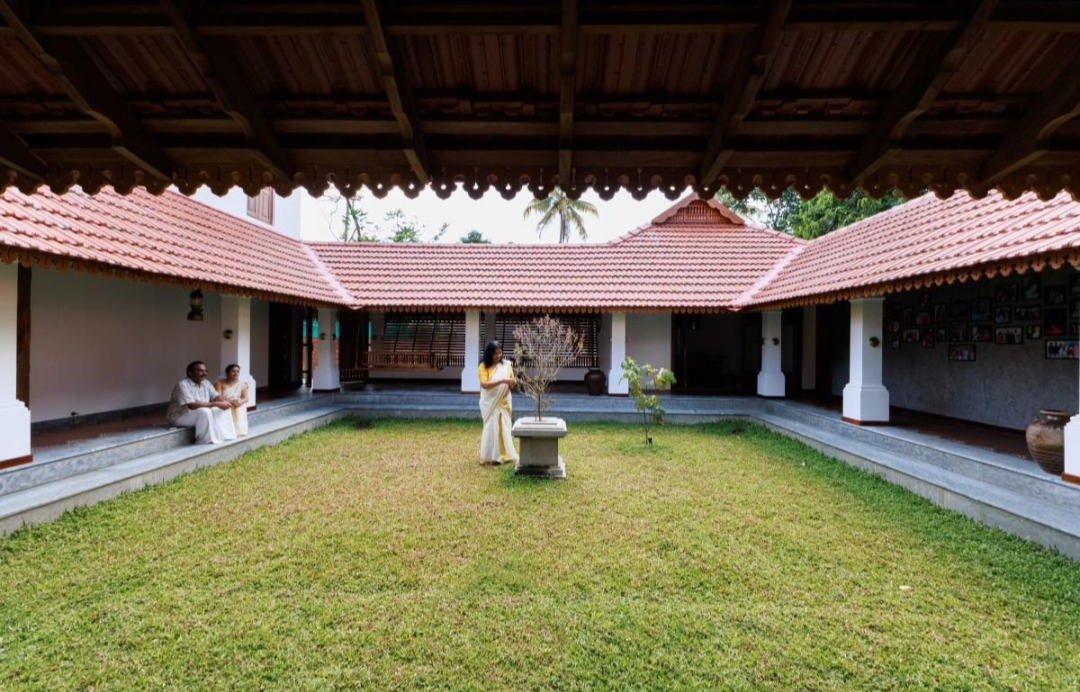
Each of Kerala’s thirty-two traditional Namboodiri gramams was organized around a central temple, with an assembly (sabha or yogam) of Namboodiri elders exercising religious and secular authority over the surrounding area. Namboodiri households, known as illams (or manas), were typically dispersed across the gramam’s territory rather than clustered into villages in the conventional sense. Scholars date the height of this classical Namboodiri system to roughly the twelfth through seventeenth centuries, a period during which the community consolidated its position as Kerala’s leading landowners and ritual authorities, headed nominally by a figure known as the Azhvanchery Thamprakkal.
3.2 Relations with Kings and the Nair Aristocracy
A distinctive feature of Kerala’s traditional social order was the division of temporal power (held by Kshatriya and Nair-caste rulers and chieftains) from religious and, to a significant degree, economic authority (held by the Namboodiris as major landowners and temple trustees). Namboodiri men customarily formed marital alliances outside strict Brahmin endogamy — a practice known as sambandham — with women of the matrilineal Nair, Warrier, and Kshatriya communities, and even with some royal families. Because Nair society followed marumakkathayam (matrilineal inheritance), children of these unions belonged to their mother’s matrilineal household and community rather than to the Namboodiri caste, while within Namboodiri illams themselves, generally only the eldest son married a Namboodiri woman and continued the patrilineal line, to keep ancestral property from being divided.
3.3 Vedic and Ritual Traditions
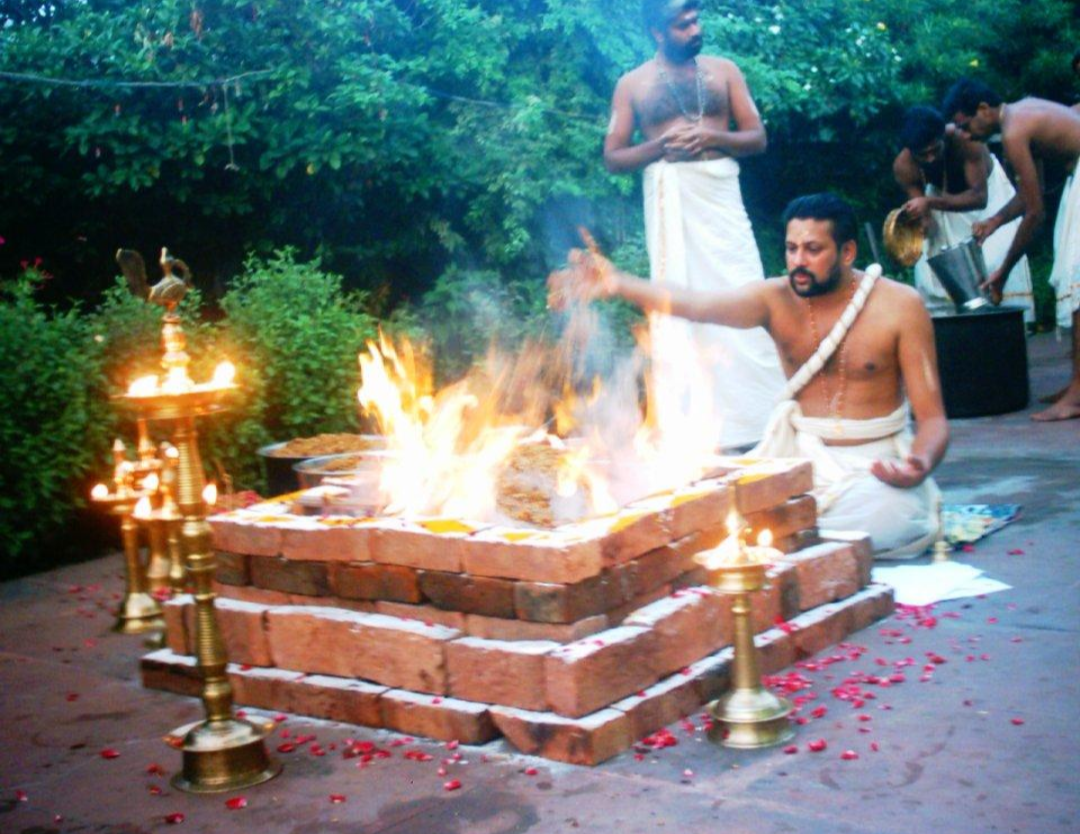
The Namboodiris are particularly noted among Indologists for having preserved, with unusual continuity, forms of Vedic shrauta ritual — including elaborate soma sacrifices such as the agnicayana and atiratram — that had largely died out or been simplified elsewhere in India. Their traditions of Vedic chanting, particularly of the Rigveda and Samaveda, oral transmission methods, and tantric temple ritual manuals have attracted sustained academic interest, including detailed ethnographic documentation by scholars such as Frits Staal in the twentieth century.
3.4 Colonial Period and the Jenmi System
Under British administration in the Malabar region (and under the princely states of Cochin and Travancore elsewhere in Kerala), Namboodiri illams were recognized and reinforced as hereditary landlords (jenmis), with Nair and other tenant-cultivators (kudiyans) working the land under various tenurial arrangements. Colonial land-revenue policy, which in many cases treated jenmi rights as equivalent to full private ownership on the British model, is generally seen by historians as having entrenched and, in some respects, intensified pre-existing Namboodiri landholding privileges through the nineteenth and early twentieth centuries.
3.5 Reform Movements and Twentieth-Century Change
By the early twentieth century, internal reform sentiment was growing within the community, driven partly by exposure to modern education and partly by concern over the social costs of restrictive customs — including enforced celibacy or delayed marriage for many younger sons and for unmarried Namboodiri women (antharjanams), as well as the community’s isolation from broader currents of change in Kerala society. The Namboodiri Yogakshema Sabha, founded in 1908 at Aluva, became the community’s principal reform organization, campaigning for modern education, an end to child marriage, and reform of marriage practices. In 1919, the Sabha resolved to permit and encourage marriage of all Namboodiri men within the community rather than only the eldest son, a position later given legal effect through the Madras Namboodiri Act (1933) and the Madras Marumakkathayam Act (1933), which recognized sambandham unions as regular marriages for purposes of inheritance. Writers, playwrights, and activists associated with the movement — most notably V. T. Bhattathiripad, whose 1929 play Adukkalayil Ninnu Arangathekku (“From the Kitchen to the Stage”) dramatized the confined lives of Namboodiri women — helped galvanize wider public support for reform. These changes, followed by the sweeping Kerala Land Reforms beginning in 1957 under the state’s first elected government (led by Chief Minister E. M. S. Namboodiripad, himself from the community), abolished the jenmi system, redistributed land to tenants, and permanently ended the economic basis of traditional Namboodiri dominance.
4. Social Structure, Sub-groups, and Distribution
Namboodiri society was traditionally stratified into several ranked sub-groups, reflecting distinctions of ritual purity, scholarly specialization, and historical status — commonly cited categories include the Adhyan (or Aduvahan) Namboodiris of the highest rank, various Vaidika (ritual-specialist) lineages devoted to particular Vedic recensions, and other functional groupings tied to specific temple or ceremonial roles. Related but distinct communities in the wider Malayali Brahmin fold include Embranthiris (originally Tulu Brahmins who adopted Namboodiri customs), Pushpakans, and several Ambalavasi (“temple-dwelling”) castes that ranked below Namboodiris but above Nairs in the traditional hierarchy.
Namboodiri families are organized into exogamous gotras in the wider Brahminical tradition, and marriage was traditionally endogamous within the caste and gramam network while remaining exogamous by gotra. Today, Namboodiris are found throughout Kerala, with historical concentrations in gramams across the Malabar, Cochin, and Travancore regions, and represent a small fraction of Kerala’s population — commonly estimated at under one percent of the state.
5. Religion and Language
Namboodiris are Hindu and have traditionally specialized in Vedic and Vedantic scholarship, temple priesthood (santhi), and tantric ritual expertise; many Kerala temples continue to appoint Namboodiri priests, and tantris (chief ritual authorities) at major temples are frequently drawn from the community. Malayalam is the community’s mother tongue, though Sanskrit has traditionally held a central place in Namboodiri religious and intellectual life, and community speech patterns and vocabulary — noted by linguists for retaining archaic and Sanskritized forms — have been studied as a distinct sociolect within Malayalam.
6. Culture, Customs, and Social Life
Traditional Namboodiri life centered on the illam, an extended patriarchal household, in contrast to the matrilineal tharavads of the neighboring Nair community. Daily life was structured around an elaborate cycle of purity observances, ritual bathing, and ceremonial worship of household and temple deities. The sixteen traditional life-cycle rites (shodasakriyas) prescribed in Brahminical tradition — including the sacred-thread ceremony (upanayanam) and Vedic study (Vedarambham) — were, and to a considerable extent remain, central markers of Namboodiri identity, along with continued observance of agnihotra (daily fire ritual) among more traditional households.
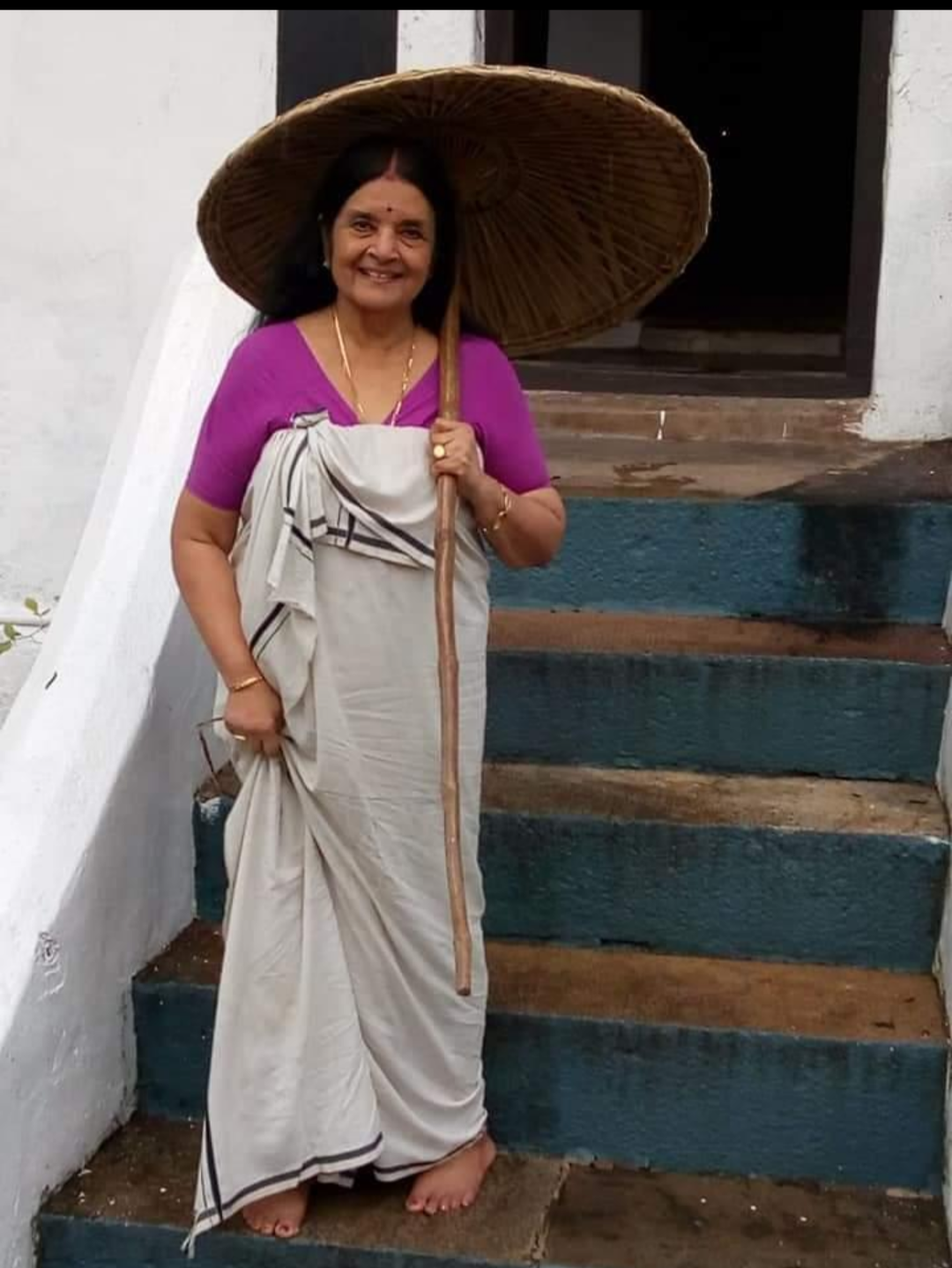
Namboodiri social life was historically marked by strict rules of ritual distance even from other Brahmin and high-caste communities, and by a notably restrictive social role for Namboodiri women, who traditionally observed seclusion, wore a distinctive covering garment when appearing in public, and — before twentieth-century reforms — married comparatively rarely given the custom limiting regular Namboodiri marriage largely to eldest sons. Major festivals observed follow the wider Kerala Hindu calendar, including Onam, Vishu, and Thiruvathira, alongside temple festivals and family ceremonies tied to ancestral illams.
7. Marriage and Ritual Traditions
A traditional Namboodiri wedding (veli) follows Vedic ritual form, sharing its core structure — including kanyadanam (the ceremonial giving away of the bride) and circling the sacred fire — with Brahminical weddings elsewhere in India, while incorporating regional Kerala customs and, historically, an emphasis on astrological matching and careful verification of the groom’s ritual lineage and eligibility. Historically significant were the sambandham alliances described above, through which many Namboodiri men (other than the family’s inheriting son) formed relationships with Nair, Warrier, or Kshatriya women without conferring full marital or inheritance status on their Namboodiri side — a practice increasingly criticized from the early twentieth century as it left many Namboodiri women without prospects for marriage within their own community, and which was formally ended following the reforms described above.
8. Cuisine
Namboodiri households historically maintained a strict vegetarian, and largely satvic, culinary tradition shaped by Brahminical dietary rules and Kerala’s regional produce, distinct in emphasis from the wider Malayali diet.
- Sadya: The elaborate vegetarian banana-leaf feast associated with festivals such as Onam, featuring rice paired with an array of curries, dry preparations (thoran), and a payasam dessert course — a format shared across Kerala’s Hindu communities but historically refined in Namboodiri and temple kitchens.
- Kootukari and Erissery: Vegetable-and-lentil preparations enriched with coconut, considered staples of traditional Namboodiri and Kerala Brahmin cooking.
- Payasam varieties: Sweet milk- or coconut-milk-based dessert preparations, served on festive and ceremonial occasions, with numerous varieties distinguished by base ingredient (rice, jackfruit, lentil).
- Pulissery and moru curry: Yogurt-based preparations flavored with turmeric and curry leaves, reflecting the wider use of buttermilk and yogurt in Kerala Brahmin cooking as a cooling counterpart to spicier regional fare.
- Namboodiri cooking traditionally avoided onion and garlic in many ritual contexts, consistent with wider satvic dietary norms, and observed periodic fasting tied to the ritual calendar.
9. Traditional Dress
Traditional Namboodiri dress for men centered on a plain white mundu (dhoti), often worn with minimal upper-body covering in accordance with ritual practice, and a sacred thread (poonool) for the initiated. Namboodiri women, known as Antharjanams (“inner-chamber women,” reflecting their traditional seclusion), historically wore a distinctive white mundu along with an upper covering cloth and carried a cadjan-leaf umbrella (marakkuda) when appearing in public, a practice noted by colonial-era observers as visually distinguishing Namboodiri women from other Kerala communities.
10. Traditional Housing: The Illam
The illam (also called mana) — the traditional Namboodiri ancestral home — was typically a spacious residence organized, like many elite Kerala houses, around a central open courtyard (nadumuttam), often including a private shrine room (poomukham or household deity room), separate quarters reflecting purity distinctions between family members and visitors, and adjoining land supporting the household’s agricultural income. Many historic illams, some architecturally significant, survive today, with some converted into heritage residences, museums, or ashram-like institutions following the decline of the traditional landholding economy after the 1957 land reforms.
11. Education, Livelihoods, and Socioeconomic Profile
Namboodiris historically combined landownership with a strong tradition of Sanskrit and Vedic scholarship, and Namboodiri households frequently supported scholars, poets, and ritual specialists as part of their religious duties. Following the twentieth-century reforms and land redistribution, the community underwent a significant socioeconomic transition, with many families moving from agrarian landlordism into modern professions, including law, medicine, engineering, academia, and, notably, continued specialization in temple priesthood and Vedic scholarship, an area in which the community retains a prominent role in Kerala today. Contemporary community organizations, including the Yogakshema Sabha (re-established in 1976), continue to advocate on issues including temple employment for Namboodiri priests and, more recently, calls for minority-community recognition given the community’s small and, some community leaders argue, economically strained population base since the land reforms.
12. Notable Figures
- Adi Shankara (traditionally dated c. 788–820 CE): The influential Advaita Vedanta philosopher is traditionally held to have been born at Kalady in Kerala; while some traditions associate his birth family with the Namboodiri community, this remains a matter of traditional biography rather than settled historical record.
- Melpathur Narayana Bhattathiri (16th–17th century): Sanskrit scholar and poet, celebrated as the author of the devotional epic Narayaneeyam, composed at the Guruvayur temple.
- V. T. Bhattathiripad (1896–1982): Writer, playwright, and leading figure of the Namboodiri social reform movement; his work is widely credited with catalyzing reform of restrictive marriage customs within the community.
- E. M. S. Namboodiripad (1909–1998): Marxist theorist and politician who became the first Chief Minister of Kerala in 1957, leading India’s first democratically elected communist government and overseeing the land reforms that ended the traditional jenmi system, including within his own community.
- Uroob (P. C. Kuttikrishnan) and other Malayalam literary figures: Several prominent Malayalam writers and scholars have come from Namboodiri or related Kerala Brahmin backgrounds, reflecting the community’s long-standing association with Sanskrit and Malayalam letters.
This list is illustrative of individuals whose Namboodiri background is documented in published historical or biographical sources; it is not exhaustive.
13. Contemporary Reflections
Scholarly and journalistic discussion of the Namboodiri community today generally centers on two themes. The first is the community’s dramatic historical arc — from a position of near-unmatched religious and economic dominance in pre-modern Kerala to a small, and in some respects economically diminished, community following the mid-twentieth-century land reforms and the earlier dismantling of restrictive marriage customs. The second is the community’s continuing, distinctive role as custodians of Vedic ritual, Sanskrit scholarship, and Kerala temple traditions, an area in which Namboodiri priests and scholars retain a prominent and, among Indologists, closely studied position, even as the community’s social and economic footprint has been transformed.
14. Conclusion
The documented history of the Namboodiris reflects a trajectory from a legendary Brahmin settlement of ancient Kerala, through several centuries as the region’s dominant landholding and ritual authority under the gramam and jenmi systems, to a twentieth-century period of internal reform and land redistribution that dismantled the community’s traditional economic and social privileges. Throughout these changes, the Namboodiris have maintained a distinctive body of Vedic ritual practice, temple priesthood, and Sanskrit scholarship that continues to shape Kerala’s religious life today, even as the community itself has become a comparatively small part of the state’s contemporary social landscape.
References
- [1]Wikipedia. “Nambudiri.” https://en.wikipedia.org/wiki/Nambudiri
- [2]Encyclopedia.com / everyculture.com. “Nambudiri Brahman – History and Cultural Relations.” https://www.everyculture.com/South-Asia/Nambudiri-Brahman-History-and-Cultural-Relations.html
- [3]Namboothiri Websites, Calicut. “The Namboothiri Community – A History.” https://namboothiri.com/articles/history.htm
- [4]Namboothiri Websites, Calicut. “Namboothiri Yogakshema Sabha – Milestones.” https://namboothiri.com/articles/yogakshemasabha.htm
- [5]Namboothiri Websites, Calicut. “Yogakshema Sabha (Welfare Association).” https://namboothiri.com/articles/yogakshema-sabha.htm
- [6]Namboothiri Websites, Calicut. “Culture.” https://namboothiri.com/articles/culture.htm
- [7]Wikipedia. “Illam.” https://en.wikipedia.org/wiki/Illam
- [8]Wikipedia. “E. M. S. Namboodiripad.” https://en.wikipedia.org/wiki/E._M._S._Namboodiripad
- [9]Manu S. Pillai. “EMS Namboodiripad’s journey from god to reason.” https://manuspillai.com/2017/09/03/ems-namboodiripads-journey-from-god-to-reason-25-march-2017
- [10]Wikipedia. “Land reform in Kerala.” https://en.wikipedia.org/wiki/Land_reform_in_Kerala
- [11]Simple Wikipedia. “Adi Shankara.” https://simple.wikipedia.org/wiki/Adi_Shankara
- [12]Deccan Herald. “Kerala’s Namboothiri Brahmins demands minority status for them.” https://www.deccanherald.com/india/keralas-namboothiri-brahmins-demands-minority-status-for-them-482335.html
- [13]National Virtual Library of India. “Sadya – Kerala Cuisine.” https://ic.nvli.in/cuisine/kerala