

Vilakkithala Nair Community
Explore the Vilakkithala Nair community: a Malayalam-speaking Hindu group from South Kerala. Discover their rich history as Travancore's physician-warriors.
Vilakkithala Nair: History, Culture, and Ancestry of Kerala's Physician-Warrior Community
Origins, Travancore Palace Service, Marriage Customs, and Present-Day Status of a Distinct Nair Sub-Community
Table of Contents
1. Introduction
The Vilakkithala Nair are a Malayalam-speaking Hindu community found principally in the southern parts of Kerala, historically concentrated in the old South Travancore region (much of which lies in today's Thiruvananthapuram district and the adjoining Kanyakumari district of Tamil Nadu). They form one of the many sub-divisions within the broader Nair community of Kerala, a social grouping traditionally classified within the Shudra varna of the Hindu caste order, though occupying a distinct place within it.
Traditionally associated with palace and battlefield medicine — the men serving as physicians (vaidyars) and the women as midwives — the Vilakkithala Nair are remembered in community history as the hereditary medical attendants of the Travancore royal household and army. Today the community is officially recognised by the Government of Kerala as an Other Backward Class (OBC), and it maintains an active associational life through the Samasta Kerala Vilakkithala Nair Samajam, one of the oldest Nair sub-caste organisations in the state.
As with many Kerala caste histories, the community's early origins rest on a mix of traditional genealogical claims, entries in medieval caste-classification texts, and colonial and post-colonial records, rather than on a single continuous documentary record. Later chapters — from the late nineteenth century onward — are considerably better documented through community publications, government service records, and press coverage.
2. Etymology and Origins
The name "Vilakkithala" is generally explained within the community as a compound of two Malayalam elements: vilakku (meaning "explanation," "lamp," or by extension, "clarification/enlightenment") and thala or thalavan ("head" or "leader"). Community sources gloss the name broadly as referring to a leading or explanatory role connected to the royal palace, and the group is accordingly described as an "intermediate" Nair community with a specific hereditary function rather than a purely territorial or occupational label of the kind seen in some other Nair sub-groups.
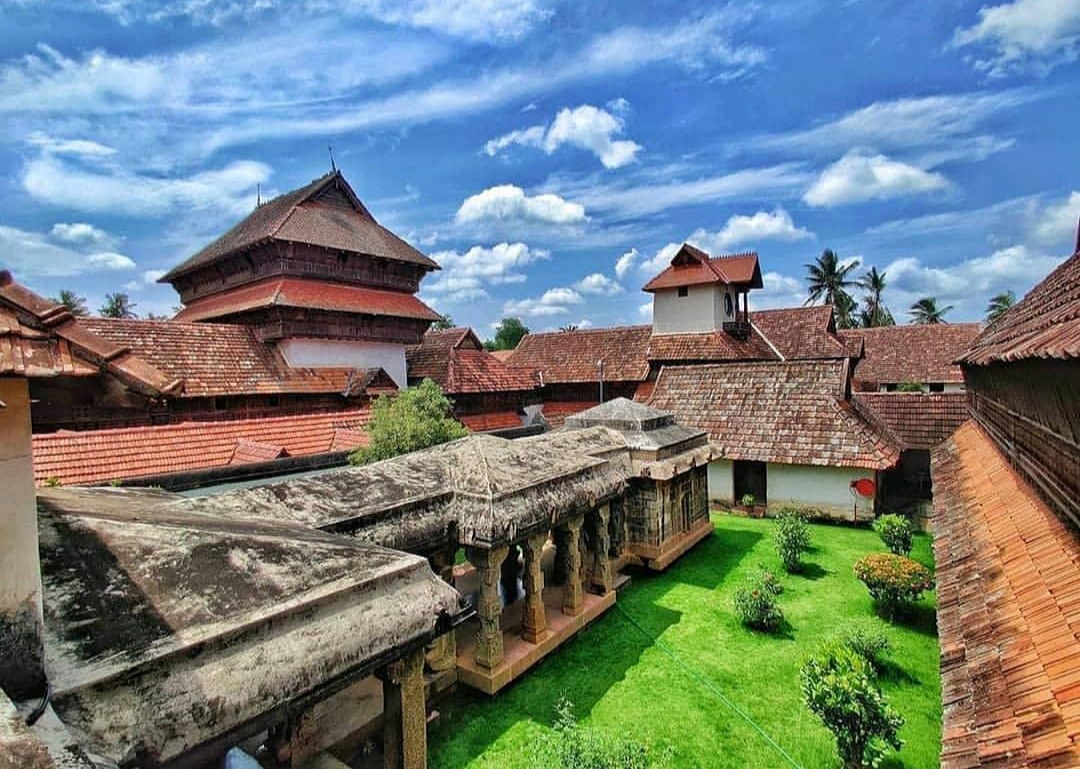
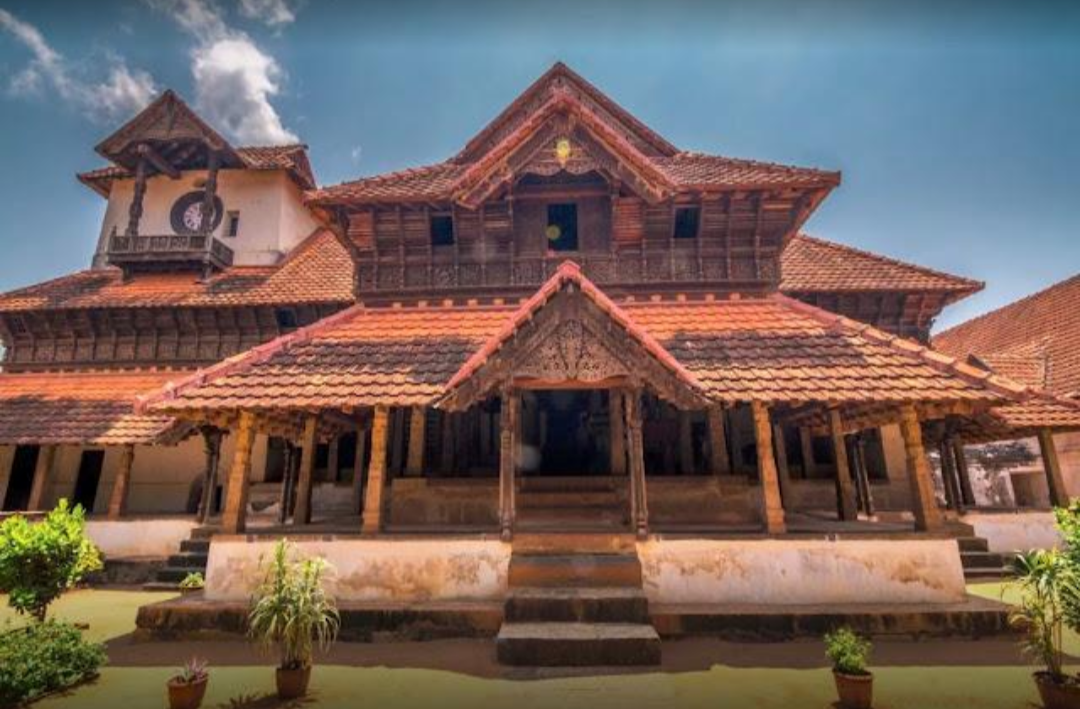
Community tradition places the group's origins in Tamil Nadu, from where it is said to have migrated into the Travancore region in the medieval period and settled principally around Padmanabhapuram (in present-day Kanyakumari district), which served as the capital of the old Travancore kingdom before the capital shifted to Thiruvananthapuram.
Two textual references are cited within community literature for the antiquity of the name:
- Keralolpathi — a traditional Malayalam chronicle of Kerala's origins believed to have been compiled around the sixteenth century CE, in which a group called "Valakithalavan" is mentioned among the minor sub-sects of the Kerala Shudra classification.
- A caste-determination text attributed in tradition to Adi Shankaracharya, which similarly lists the group among the sub-divisions of the Malayali Shudra community.
As with most Kerala sub-caste etymologies, these are traditional textual references rather than independently verified historical documentation, and the precise dating and authorship of the Keralolpathi itself remains a subject of scholarly debate.
3. Historical Development
3.1 The Travancore Palace and Army
Community accounts trace an early episode to the kingdom of Thali in South Travancore (then under a "Southenkoor" ruler), where, on the advice of a Siddha yogi from Madurai, a physician named Narayanan — versed in the traditional Chinthamani system of medicine — was brought to the palace to treat the queen. In recognition of this service, the ruler is said to have granted the "Vaidya Kudumbam" (physician family) residence in the area closest to the palace, a detail the community cites as evidence that the Vilakkithala Nair were never treated as an untouchable or excluded group, unlike some other communities under the Travancore caste order.
3.2 Military-Medical Service
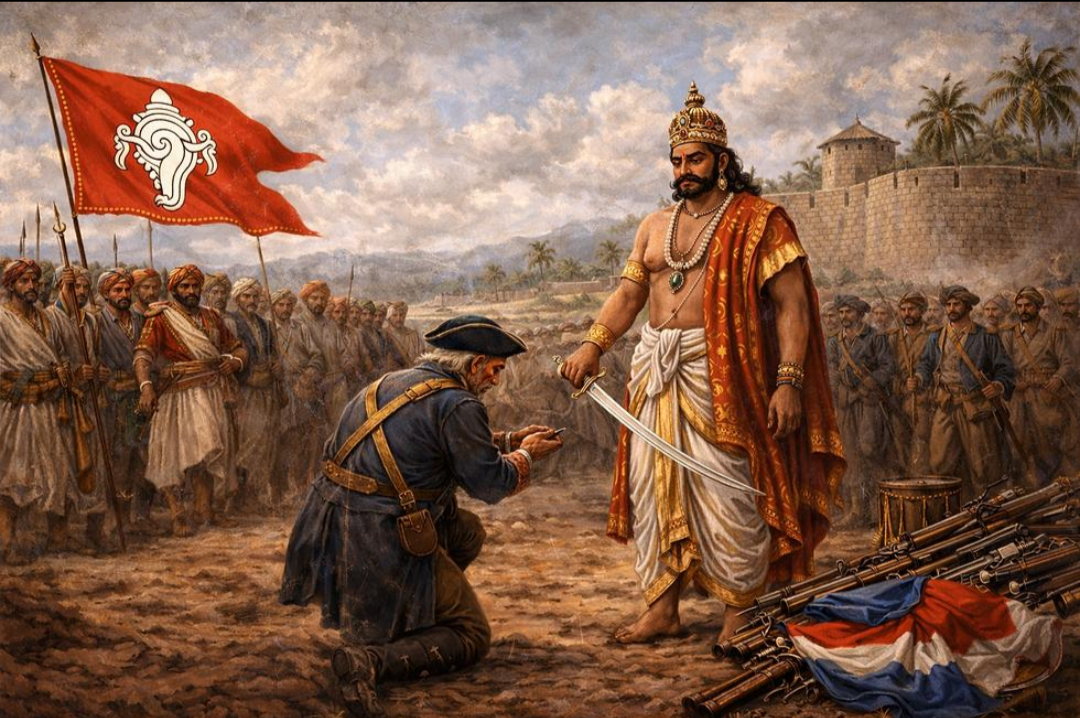
The community's most consistently repeated historical claim concerns its role as battlefield medics for the Travancore Nair army. Vilakkithala Nair men are said to have tended wounded soldiers during conflicts including the Battle of Kulachal (1741), in which Travancore under Marthanda Varma defeated the Dutch East India Company, and in subsequent Travancore campaigns. Because of this service, community men who provided medical care were addressed with the honorific "Vaidyar" appended to their names — a title that, according to community accounts, persisted as a mark of family status for generations even after descendants had left the practice of medicine, in the same way that occupational titles often outlived occupations among Kerala's traditional service castes.
Community sources also record that Vilakkithala Nair men served within the wider Nair Brigade of Travancore, a military formation whose institutional descendant is identified in community literature with the Madras Regiment of the modern Indian Army, and that Malayali representation within that regiment has historically included many from Nair sub-communities, including the Vilakkithala Nair.
3.3 Association with the Travancore Royal Temple
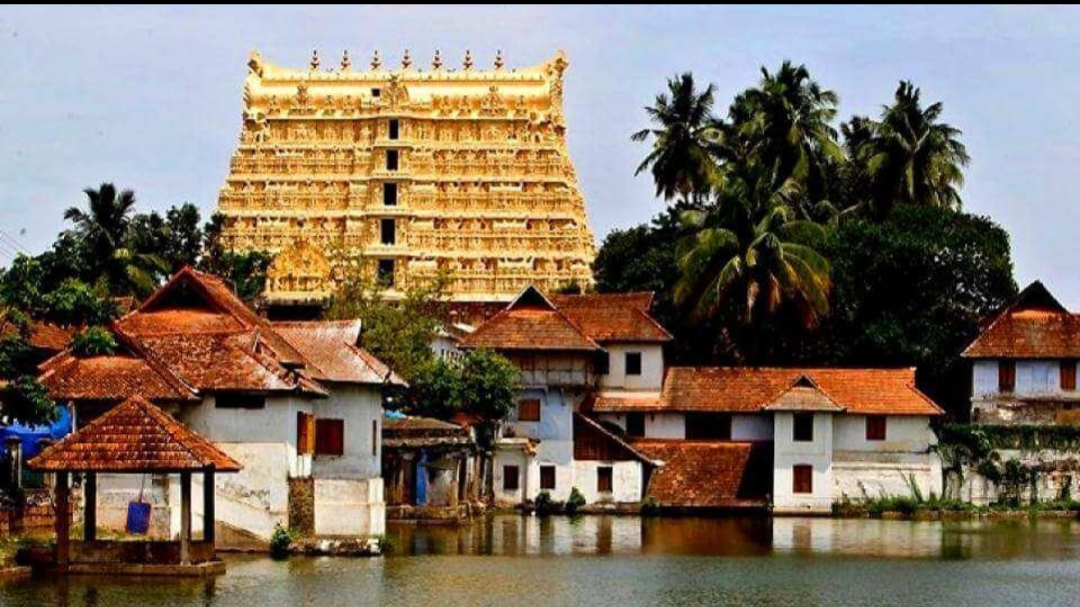
The community also highlights a continuing ceremonial association with the Sree Padmanabhaswamy Temple in Thiruvananthapuram, the royal temple of the erstwhile Travancore ruling family, noting that Vilakkithala Nair individuals have traditionally participated in the temple's Aarat Ezhunnallathu (ceremonial procession) rituals.
4. Traditional Occupation
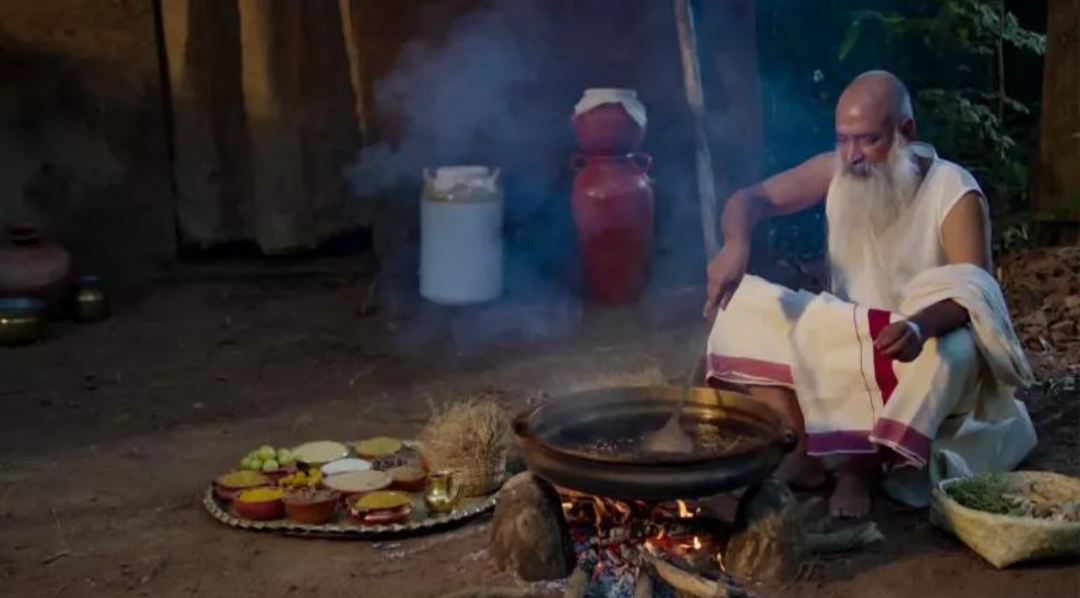
Medicine is the occupation most closely identified with the community in its own historical memory. In old South Travancore, men who practised the family's traditional medical craft were known as Vaidyars, while women served as midwives, with community accounts noting that midwifery services were, in the traditional social order, extended mainly to higher-status households. Traditional family properties in the vicinity of the old Padmanabhapuram Fort are cited within community literature as physical traces of this history.
Community publications name individual physicians associated with particular specialisations — for instance, practitioners remembered locally as pediatric and ophthalmic vaidyars — though such figures are documented primarily in community oral history and internal publications rather than in independent scholarly sources.
The community also credits a historical figure, Shadanandan Nair (see Section 9), with formally linking the community to the ancient physician-sage Sushruta, regarded in the Indian medical tradition (Ayurveda) as a founding figure of surgery; the Vilakkithala Nair Sabha marks November 1 each year as a commemorative day connected to this medical lineage.
5. Marriage Customs and Family Life
No independently documented marriage ritual is recorded as unique to the Vilakkithala Nair; the community's own literature does not describe a separate wedding tradition, and it is understood to have followed the marriage customs of the wider Travancore Nair community rather than a distinct rite of its own.
Within that wider Nair tradition, two ceremonies historically structured marriage and kinship. The first, known as Thalikettu Kalyanam (or Kettu Kalyanam), was a ritual pre-puberty ceremony in which a tali (a marriage token comparable to a mangalasutra) was tied for a girl, typically by a man of the same caste, a linked Nair lineage, or in some regions a Nambudiri Brahmin; the ceremony conferred ritual status rather than establishing a lasting conjugal bond, and was often performed for several girls of a tharavad (matrilineal family house) together to share costs. The second, Sambandham, was the customary union between a man and woman that followed, and which — unlike Thalikettu Kalyanam — could involve cohabitation and children.
Nair family life was traditionally organised around the tharavad, a matrilineal joint family descended from a common female ancestor, under the marumakkathayam system of inheritance through the mother's line. This system, along with the practice of Thalikettu Kalyanam and Sambandham, was progressively reformed by Travancore-era legislation from 1912 onward (see Section 9) and had ceased to be practised in its historical form by the mid-twentieth century; contemporary Vilakkithala Nair marriages, like those of other Nair sub-groups today, generally follow conventional Hindu wedding customs rather than these historical rites.
6. Social Structure and Classification
Within the wider and highly stratified Nair social order — which historically comprised over a hundred recognised sub-divisions differentiated by hereditary occupation, ritual status, and regional custom — the Vilakkithala Nair occupied a position associated with a specialised palace and military-medical function rather than with either the highest-ranking landholding Nair lineages (such as Kiriyathil or Illathu Nair) or with service occupations regarded as ritually lower.
In present-day Kerala administrative classification, this distinction persists: several Nair sub-castes, including Kiriyathil Nair, Illathu Nair, and Swaroopathil Nair, are categorised as Forward Castes (General Category), while others — including Veluthedathu Nair, Vilakkithala Nair, Chakkala Nair, and Vaniya Nair — are listed as Other Backward Classes (OBC) by the Government of Kerala. This classification is reflected in official recruitment records; Kerala Public Service Commission rank lists, for example, routinely record "OBC — Vilakkithala Nair" as a distinct community category for the purpose of reservation in public employment.
The community's own view, consistent with rulings on comparable Nair sub-castes, is that this OBC status is an administrative category intended for social and educational upliftment and does not affect the group's standing as part of the Nair (Shudra varna) community within the Hindu social order.
7. Religion, Temple Life, and Customs
The Vilakkithala Nair are Hindu and follow the broader religious practices of Kerala's Nair community, including reverence for family deities alongside pan-Hindu worship. The community's own literature emphasises that, unlike some castes historically subjected to exclusion, the Vilakkithala Nair faced no restrictions on temple entry, use of public roads, dress, or access to Vedic learning.
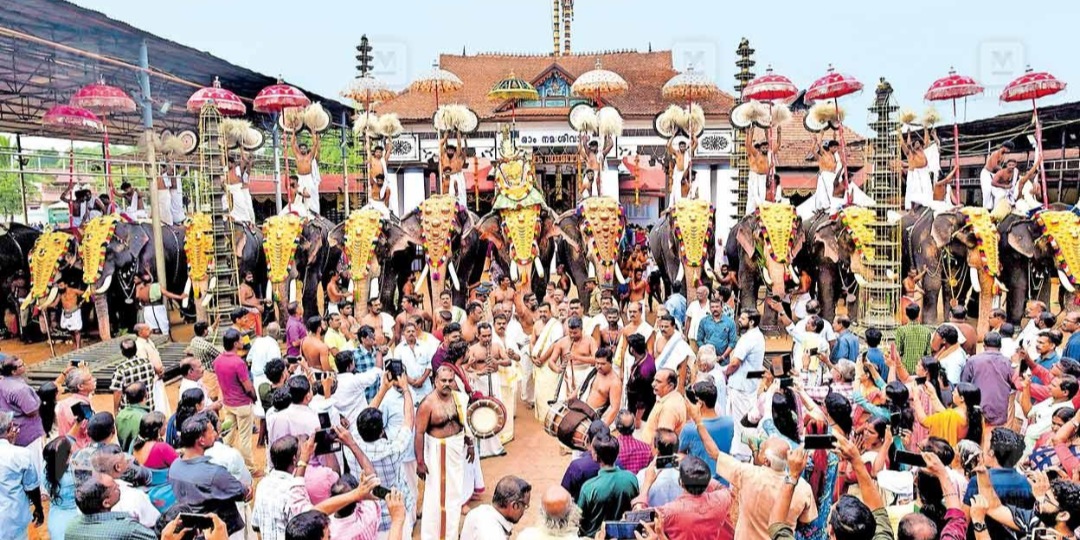
A notable present-day institutional link is with the Vaikom Mahadeva Temple in Kottayam district, one of Kerala's most prominent Shiva temples and the site of the landmark Vaikom Satyagraha of the 1920s. The Vilakkithala Nair Samajam's taluk union conducts a Thalapoli — a traditional Kerala temple procession in which participants, often women and girls, carry lit lamps and floral offerings (thalam) in a ceremonial line — at the temple, reflecting the community's continuing participation in Kerala's shared temple-festival culture.
8. Demographics and Geographic Distribution
No census or government survey publishes population figures specific to the Vilakkithala Nair as a distinct sub-caste; Indian census data records broad community categories, and Kerala's OBC lists identify the group by name for reservation purposes without an accompanying population count. Community tradition places its historical heartland in the old South Travancore area — chiefly around Padmanabhapuram in present-day Kanyakumari district and the wider Thiruvananthapuram region — with the Samasta Kerala Vilakkithala Nair Samajam's continuing activity (including its Kottayam-district Thalapoli at the Vaikom Mahadeva Temple) indicating a presence extending into central Kerala as well.
For context, the broader Nair community of which the Vilakkithala Nair are one sub-group has been estimated at roughly 14.9% of Kerala's population in independent survey data, with the heaviest concentrations in Kollam, Kannur, and Thiruvananthapuram districts; these figures describe the pan-Nair population as a whole and are not broken down by sub-caste, so they should not be read as specific to the Vilakkithala Nair alone.
9. Social Reform and Community Organisation
The Vilakkithala Nair community's modern organisational history is closely tied to the broader wave of Nair social reform that swept Travancore from the late nineteenth century, a movement aimed at ending internal sub-caste divisions, reforming marriage customs (including the matrilineal marumakkathayam system), and securing property and inheritance rights for Nair women and their children.
- Shadanandan Nair, born at Kalkulam in Thiruvithamkoor (Travancore), is credited by community sources as the founder, around 1899–1900, of the Samasta Kerala Vilakkithala Nair Samajam, making it one of the earliest Nair sub-caste organisations in the region. He is remembered in community literature for working alongside prominent Travancore reformers of the period, including C. V. Raman Pillai and C. Krishna Pillai, and for having presented a resolution at the 1904 Nair Unification Conference held in Thiruvananthapuram — a landmark meeting in the wider movement to unify Kerala's many Nair sub-castes under a common identity. He remains the community's principal named historical figure; no other individuals are documented by name in available community or independent sources as prominent Vilakkithala Nair personalities, past or present.
- The community's reform-era publications included journals such as Samudaya Ranjini, associated with Shadanandan Nair, which campaigned against sub-caste distinctions and outdated marriage customs within the Nair community.
- The community notes its subsequent inclusion within the bylaws of the Nair Service Society (NSS), the pan-Nair organisation founded by Mannathu Padmanabhan in 1914, alongside numerous other Nair sub-groups, and cites its own participation in the wider Nair movement's role in the 1936 Temple Entry Proclamation, which opened Hindu temples in Travancore to all Hindu castes.
This reform period paralleled broader Travancore-wide legal changes affecting the Nair community as a whole, including the Nair Regulation of 1912 (governing marriage and property), reforms to the matrilineal joint-family system in 1925–26, and comparable legislation in the neighbouring princely state of Kochi in 1920 and 1937.
No verifiable current contact address, phone number, or registration details for the Samasta Kerala Vilakkithala Nair Samajam could be confirmed from published sources at the time of writing; readers seeking to contact the organisation are best directed to the Samajam's own website, listed in the References below.
10. Contemporary Profile
Today the Vilakkithala Nair community is represented by the Samasta Kerala Vilakkithala Nair Samajam (also styled Vilakkithala Nair Saba), headquartered in Thiruvananthapuram, which maintains community outreach, cultural activities such as the Vaikom Thalapoli, and a public information presence. The community continues to be formally recognised in Kerala's OBC list, which affects eligibility for reservation in state government employment and education, and its members appear across the range of professions typical of contemporary Kerala society, while the community's historical association with traditional medicine and military-medical service remains its most distinctive marker of identity.
No genetic or DNA haplogroup studies specific to the Vilakkithala Nair have been published in available scientific literature. Broader population-genetics research on Kerala's Nair community exists, but findings from that research describe the Nair category as a whole and cannot be attributed to this sub-group specifically without dedicated study.
11. Conclusion
The documented history of the Vilakkithala Nair reflects a trajectory shaped by a specialised hereditary role — as palace physicians, army medics, and midwives — within the old Travancore kingdom, textual mentions in traditional Kerala caste-classification works, and, from the turn of the twentieth century, active participation in the broader Nair social reform movement that reshaped marriage, property, and caste-unity questions across Travancore. While the community's earliest chapters rest on traditional chronicles and internal genealogical memory rather than continuous independent documentation, its modern organisational history — from Shadanandan Nair's founding of the Samajam around 1899–1900 through to its present-day recognition as an Other Backward Class under the Kerala government — is comparatively well recorded. The community continues to maintain its distinct identity within Kerala's wider and highly diverse Nair social fabric through its associational life and its continuing ties to temple customs such as the Vaikom Thalapoli.
12. References
1. Wikipedia. "Vilakkithala Nair." https://en.wikipedia.org/wiki/Vilakkithala_Nair
2. Wikipedia. "Veluthedath Nair." https://en.wikipedia.org/wiki/Veluthedath_Nair
3. Wikipedia. "Caste system in Kerala." https://en.wikipedia.org/wiki/Caste_system_in_Kerala
4. Wikipedia. "Kettu Kalyanam." https://en.wikipedia.org/wiki/Kettu_Kalyanam
5. Wikipedia. "Nair ceremonies and customs." https://en.wikipedia.org/wiki/Nair_ceremonies_and_customs
6. Wikipedia. "Demographics of Nair community." https://en.wikipedia.org/wiki/Demographics_of_Nair_community
7. Samasta Kerala Vilakkithala Nair Samajam. "Vilakkithala Nair" (community homepage). https://vilakkithalanair.com/vilakkithala-nair/
8. Samasta Kerala Vilakkithala Nair Samajam. "History of Vilakkithala Nair." https://vilakkithalanair.com/history-of-vilakkithala-nair/
9. The Hindu. "Cabinet revises quota norms," 5 March 2014. https://www.thehindu.com/news/national/kerala/cabinet-revises-quota-norms/article5753765.ece
10. Manorama Online. "വൈക്കം മഹാദേവ ക്ഷേത്രത്തിൽ ഭക്തിസാന്ദ്രമായി താലപ്പൊലി," 18 November 2024. https://www.manoramaonline.com/district-news/kottayam/2024/11/18/vaikom-mahadeva-temple-thalapoli-processions.html
11. Kerala Public Service Commission, District Office, Alappuzha. Rank List RL 548/19 (OBC category records, including "OBC-Vilakkithala Nair" entries). https://www.keralapsc.gov.in/sites/default/files/2019-10/rl-548-19-doa.pdf
12. Vaikom Sree Mahadeva Temple, official site — temple history and rituals. https://vaikomtemple.org
13. TheSouthFirst. "Vaikom Mahadeva Temple in Kerala to shed caste-based restrictions," 31 March 2025. https://thesouthfirst.com/kerala/vaikom-mahadeva-temple-in-kerala-to-shed-caste-based-restrictions/