

Viswakarma Community
Viswakarma Community: A traditional artisan community of India known for craftsmanship in metalwork, carpentry, stone carving, jewelry making, and temple architecture.
The Vishwakarma Community of India
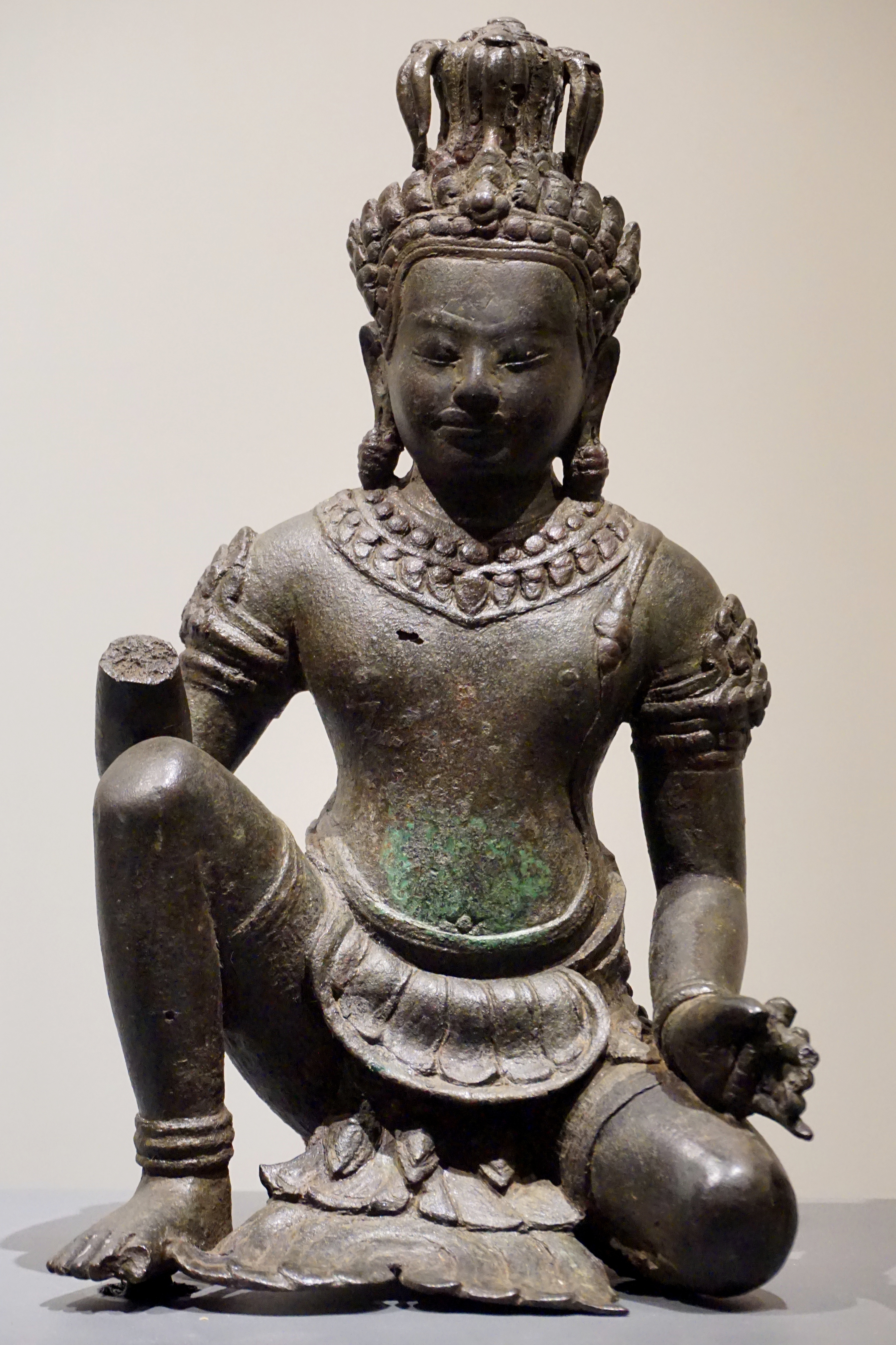
History, Mythology, Culture, and Contemporary Life of India's Traditional Artisan and Craftsman Community
1. Introduction: Who Are the Vishwakarma?
The Vishwakarma community, also written as Viswakarma, Bishwakarma, or Vishwabrahmin, is a large social group found across India whose members have traditionally worked in skilled crafts: carpentry, blacksmithing, bronze and metal casting, stone masonry and sculpture, and goldsmithing. You'll find Vishwakarmas in nearly every Indian state, as well as in Nepal and in South Asian diaspora communities abroad. They trace their identity back to Vishvakarma, the Hindu deity worshipped as the divine architect and master craftsman of the universe.
The community is usually described as having five main occupational branches (carpenters, blacksmiths, bronze and metal casters, stonemasons, and goldsmiths) which, according to community tradition, correspond to the five sons of Vishvakarma. In reality, the community today works more like a loose network of many regionally distinct caste groups, including the Panchal, Suthar, Kammalar, Viswabrahmin, and Sutradhar among others, who share this common origin story and the name "Vishwakarma" rather than functioning as one centrally organized caste.
2. Vishvakarma: The Patron Deity
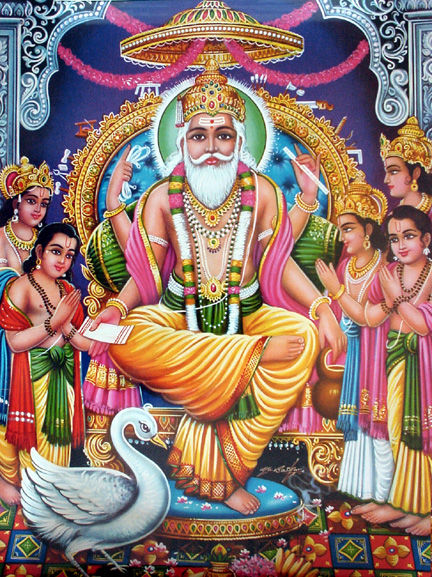
Vishvakarma appears in the tenth book of the Rigveda, one of Hinduism's oldest scriptures, where he's described as an all-seeing figure with eyes, faces, arms, and feet on every side, a kind of personification of universal creative power. Later Puranic and epic literature identifies him as the celestial architect and craftsman of the gods. He's credited with building the palaces and cities of the gods, fashioning divine weapons such as Indra's vajra (thunderbolt), and constructing the city of Indraprastha for the Pandavas in the Mahabharata. Tradition also credits him with revealing the Sthapatya Veda, a body of knowledge covering architecture, mechanics, and the traditional sixty-four arts and crafts.
Vishvakarma is usually depicted as an elderly but powerfully built figure with four arms, holding tools of the craftsman's trade such as a hammer, chisel, and measuring instruments, often shown seated or riding an elephant. He's worshipped as the patron deity of engineers, architects, artisans, and industrial workers, and remains one of the most widely invoked deities among working professionals in India today.
3. Origins and Historical Development
Community tradition holds that the five artisan sub-groups descend from the five sons of Vishvakarma: Manu, Maya, Tvastar, Shilpi, and Vishvajna, regarded as the founding ancestors (and gotras, or clan lineages) of the blacksmith, carpenter, bronze-caster, stonemason, and goldsmith branches respectively. Whether these five occupational groups historically intermarried as a single endogamous unit, or developed and organized separately before later being drawn together under a common "Vishwakarma" identity, isn't fully settled in the historical record. Scholars note this is a common feature of caste formation across India, where originally distinct occupational groups gradually consolidated a shared identity and origin myth over time.
The community's most detailed origin narrative is recorded in the Vishwakarma Puranam. Its core mythic content, including a well-known legend of an invincible fortress on the coast of Sri Lanka built of lodestone, whose celibate artisan-inhabitants lost their spiritual power after being married off to women sent by a rival king (leading to the fortress's destruction and the scattering of the Vishwakarmas across the subcontinent as working craftsmen), was most likely compiled and written down during the 17th or 18th century, in the early colonial period.
Historians of medieval Indian craft, such as Vijaya Ramaswamy, have documented that specialized artisan and craftsman guilds working in temple construction and metalwork existed across peninsular India from at least the early medieval period, closely tied to the patronage economy of temple-building dynasties such as the Vijayanagara Empire. These professional guilds are generally regarded by historians as the practical, economic ancestors of today's Vishwakarma communities, a lineage distinct from, though later merged with, the community's separate religious and mythological self-understanding as descendants of the deity Vishvakarma.
4. The Five Traditional Craft Divisions
Below is a summary of the five traditional occupational branches associated with the Vishwakarma community, along with the craft each has historically specialized in. In practice, many individuals and families within the community today work in modern professions such as engineering, industry, business, and services, while still identifying with this traditional five-fold craft heritage.
| Traditional Craft | Associated Son of Vishvakarma | Common Regional Names | Typical Products |
|---|---|---|---|
| Blacksmiths | Manu | Lohar, Kollar, Kammari | Iron tools, agricultural implements |
| Carpenters | Maya | Suthar, Sutar, Tatchar, Badhai, Khati | Woodwork, furniture, chariots/carts |
| Bronze/Metal Casters | Tvastar | Kannar, Tamrakar, Kanchari | Bell-metal and bronze idols, vessels |
| Stonemasons / Sculptors | Shilpi | Kartatchar, Silpi, Moortikar | Temple sculpture, stone carving |
| Goldsmiths | Vishvajna | Tattar, Sonar, Swarnakar, Ausula/Kamsali | Jewellery, ornaments |
5. Regional Names and Sub-Communities
Because the Vishwakarma identity spans almost the entire Indian subcontinent, the community goes by a wide range of regional and linguistic names, and includes numerous locally rooted sub-castes. The table below covers some of the principal regional names and associated groups. It's meant to be illustrative rather than exhaustive, since naming conventions vary further at the district and sub-caste level.
| Region | Common Community Name | Notable Sub-groups / Surnames | Primary Language(s) |
|---|---|---|---|
| North India (Punjab, Haryana, Delhi, UP, Rajasthan) | Vishwakarma, Panchal Brahmin | Panchal, Dhiman, Jangid, Tarkhan, Ramgarhia (Sikh) | Hindi, Punjabi, Haryanvi |
| Gujarat / Rajasthan / Maharashtra | Suthar, Panchal | Gajjar, Mistry, Pancholi, Jangid | Gujarati, Marathi, Rajasthani |
| Tamil Nadu | Kammalar / Vishwa Brahmin | Kannar, Kollar, Tattar, Tatchar/Sutar, Kartatchar | Tamil |
| Karnataka | Vishwakarma | Kulachar, Uttaradi, Matachar, Badiger | Kannada |
| Andhra Pradesh / Telangana | Viswabrahmin / Viswakarma | Kamsali, Kammari, Kanchari, Vadrangi, Silpi | Telugu |
| Kerala | Vishwakarma | Asari (carpenters), Kollan (blacksmiths), Musari, Thattan (goldsmiths) | Malayalam |
| Odisha / West Bengal / Eastern India | Bishwakarma / Sutradhar | Maharana, Sutradhar | Odia, Bengali |
In Punjab and among the Sikh diaspora, Vishwakarma artisans (chiefly carpenters and blacksmiths) who adopted Sikhism are generally known as Ramgarhia Sikhs, a community with its own distinct and well-documented history, particularly within the United Kingdom and Canada, where it forms one of the most prominent Sikh communities. In Nepal, the corresponding community is generally known by the surname Bishwakarma or Vishwakarma.
6. Social Position and Status
The Vishwakarma community's traditional social position varies quite a bit by region and has long been a subject of both internal community assertion and outside scholarly discussion. Many Vishwakarma sub-groups have historically claimed Brahmin status, describing themselves as "Vishwakarma Brahmins" or "Vishwa Brahmins," based on their descent from the deity Vishvakarma, their traditional role in temple-building and ritual craft, and practices such as wearing the sacred thread (janeu). This claim to Brahmin status is an important part of community identity in several regions, though it hasn't been uniformly accepted by other Brahmin communities or by wider society, and formal caste classification of Vishwakarma sub-groups differs from state to state.
Reflecting this variation, some Vishwakarma sub-castes are officially listed as Other Backward Classes (OBC) in states such as Andhra Pradesh, Telangana, and Uttar Pradesh, while in other states and regions the community isn't classified as OBC at all. Because "Vishwakarma" functions as an umbrella identity covering dozens of distinct, regionally rooted castes, formal government classification, social status, and economic circumstances vary considerably from one Vishwakarma sub-group and region to the next. No single generalization applies to the community as a whole across India.
7. Festivals and Religious Observance
7.1 Vishwakarma Puja (Vishwakarma Jayanti)
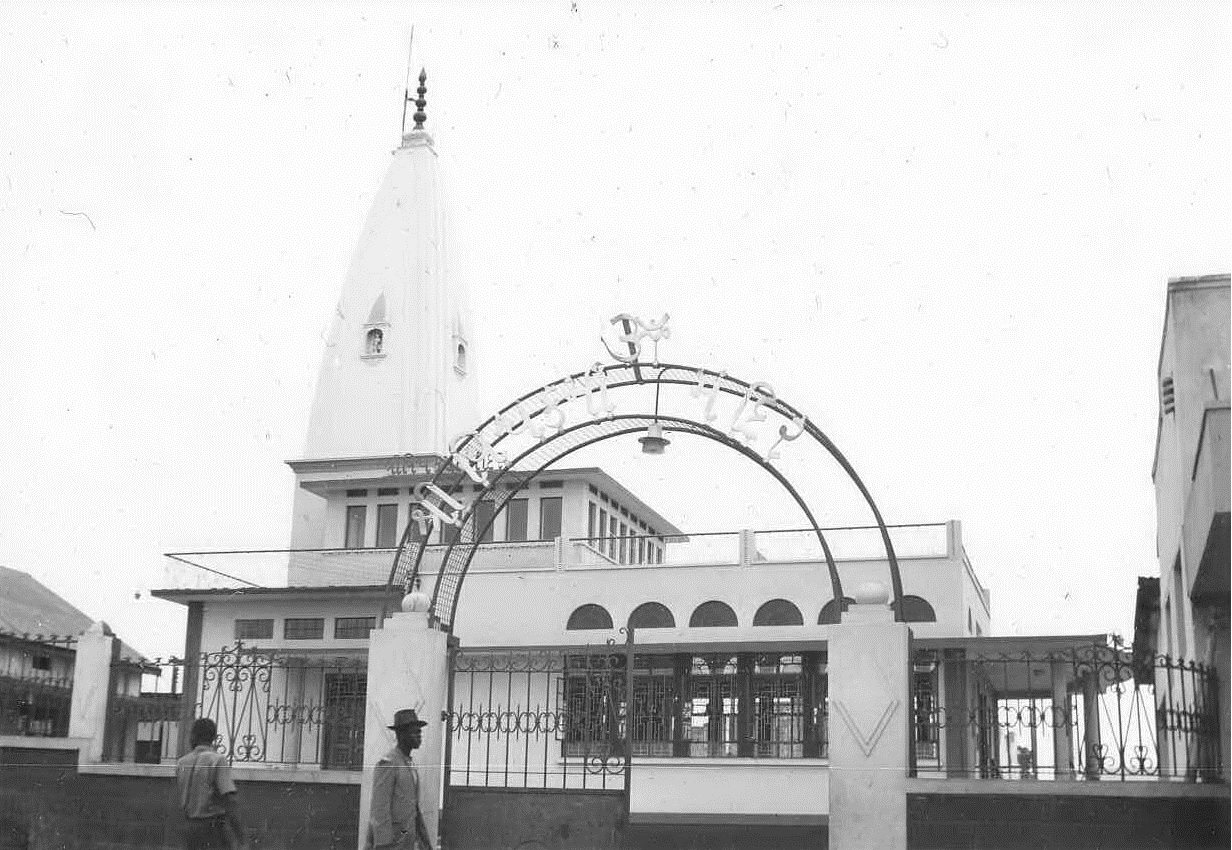
The community's main festival is Vishwakarma Puja, also called Vishwakarma Jayanti, observed every year, usually on 16 or 17 September, to mark Kanya Sankranti, the solar transition into the sign of Virgo in the Hindu calendar. On this day, artisans, engineers, industrial workers, and factory employees across India clean, decorate, and ritually worship their tools, machinery, and workplaces, seeking Vishvakarma's blessing for safety, skill, and prosperity in their trade. The festival is celebrated with particular prominence in West Bengal, Odisha, Assam, Bihar, Jharkhand, Uttar Pradesh, and Karnataka, where it's often marked with community feasts, kite-flying, and workplace celebrations, and stands as a regional or restricted public holiday in several states.
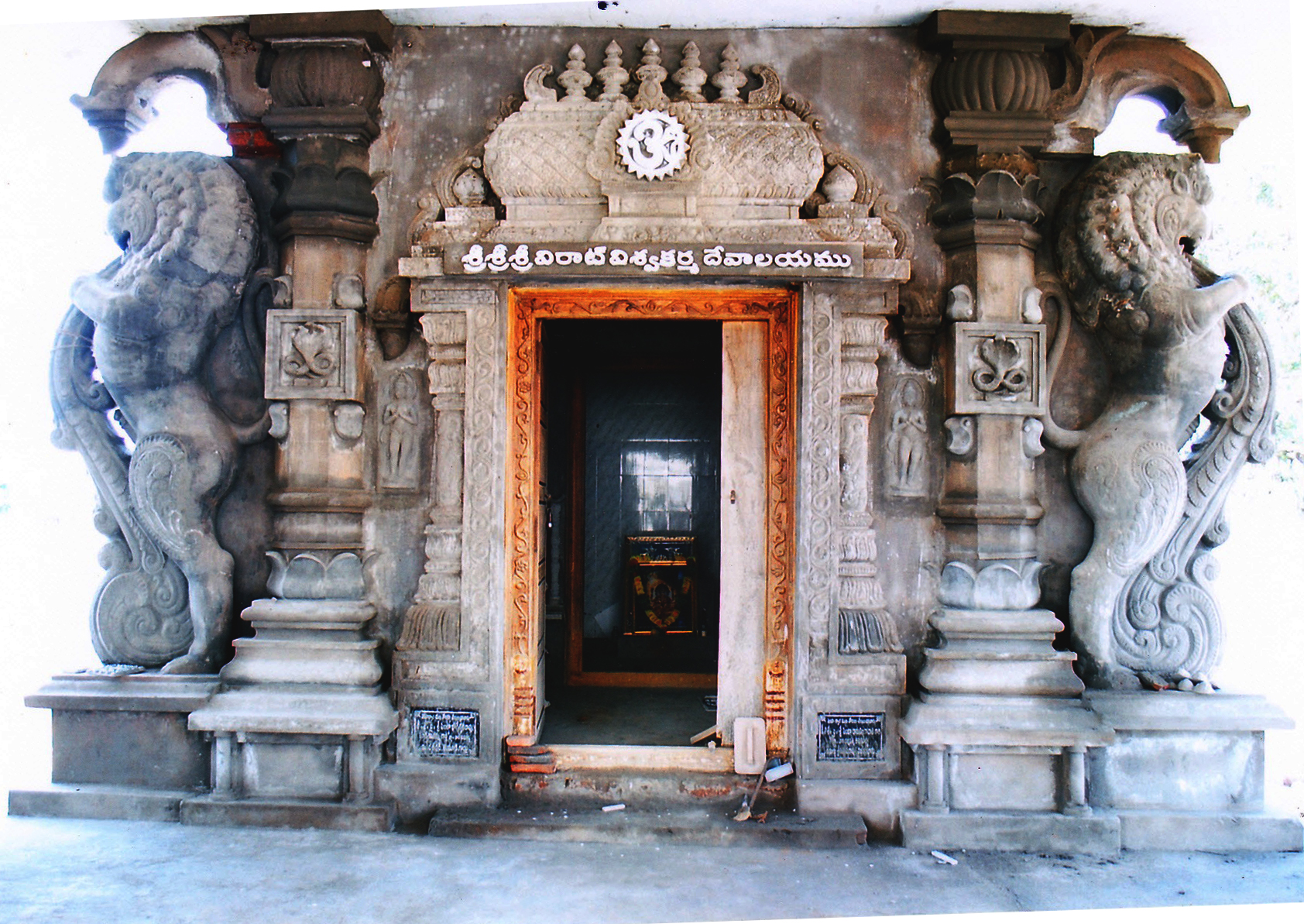
While Vishwakarma Puja holds special meaning for the Vishwakarma community as devotees of their patron deity, it's also widely observed by the broader Indian workforce, including engineers, factory workers, and mechanics from all communities, as a day honoring craftsmanship and industry in general.
8. Occupations and Economic Life
Historically, Vishwakarma families practiced their craft as a hereditary, family-based occupation, often organized into local guilds that supplied villages, towns, and temple-building projects with tools, furniture, metalwork, sculpture, and ornaments. This craft-based economy was closely tied to patronage from temples, royal courts, and agrarian village communities, and it adapted over centuries to changing political and economic conditions.
In India today, members of the Vishwakarma community work across a very wide range of occupations. While many families continue traditional trades such as carpentry, blacksmithing, goldsmithing, stone sculpture, and metal casting, a large and growing share of the community, especially in urban areas, has moved into modern engineering, architecture, manufacturing, business, and professional services. This reflects the community's long-standing association with technical and mechanical skill.
8.1 The PM Vishwakarma Scheme
In September 2023, the Government of India launched the PM Vishwakarma Yojana, a central government scheme that provides financial support, skill training, modern tool kits, and market access to traditional artisans and craftspeople working with their hands and tools across 18 recognized trades, including carpentry, blacksmithing, goldsmithing, pottery, and stone-carving. It's worth noting that the scheme uses the term "Vishwakarma" in a broad, occupational sense to describe hands-on artisans and craftspeople generally, rather than referring exclusively to members of the Vishwakarma caste community. Beneficiaries are drawn from many different communities across India who practice these traditional trades. By late 2025, government figures showed that over 2.7 crore (27 million) artisans had enrolled in the scheme nationwide.
9. Culture and Customs
- Family and clan structure: Vishwakarma communities are typically organized into patrilineal clans or gotras, often named for the traditional five sons of Vishvakarma or for later sub-caste founders. Many regional groups, such as the Panchal community, follow strict clan exogamy (marrying outside one's own gotra) as a marriage rule.
- Sacred thread and ritual practice: In several regions, Vishwakarma men traditionally wear the sacred thread (janeu) and perform Brahminical rites of passage, reflecting the community's self-identification with priestly and Brahminical status in those areas.
- Guru-shishya craft transmission: Traditional skills like woodworking, metal casting, temple sculpture, and jewellery-making have historically been passed down within the family through direct apprenticeship from parent to child, preserving regional artistic and technical styles across generations.
- Temple and idol craftsmanship: Vishwakarma artisans, particularly stonemasons and bronze-casters, have played a central and lasting role in the construction and decoration of Hindu temples across India. Many renowned traditions of temple sculpture and bronze idol-casting, including the lost-wax bronze casting associated with regions of Tamil Nadu and Odisha, are historically linked to Vishwakarma craftsmen.
- Community associations: Numerous Vishwakarma Samaj (community) associations, trusts, and welfare organizations operate at state and national level across India, supporting education, matrimonial networks, and cultural events within the community.
10. Marriage and Family Traditions
Marriage practices within the Vishwakarma community follow the broader Hindu pattern of gotra exogamy: a person is expected to marry outside their own gotra, or clan lineage, while still marrying within the wider Vishwakarma community. Some regional traditions record five ceremonial clans, Sanaga, Abhuvana, Sanatana, Pratanan, and Suparna, said to descend from sons of Shiva, Tvashta, Vishnu, Indra, and Surya respectively, and used alongside standard Brahminical gotras such as Bharadwaja, Kashyap, and Atri for matching horoscopes and clan lineage before marriage.
Weddings are generally arranged by families, with priests and elders selecting an auspicious date and time (muhurtam) through horoscope matching. Pre-wedding rituals in several regions include a haldi-style ceremony in which the bride and groom are separately smeared with turmeric and oil and given a ceremonial bath at their respective homes, followed by the exchange of new clothes. On the wedding day itself, couples typically rise early, bathe, dress in traditional attire, and begin the ceremony with offerings to Hindu deities, most often invoking Vishvakarma alongside family deities. Details vary widely by region and language group, since the Vishwakarma umbrella covers dozens of distinct linguistic and cultural communities, and today many families also use dedicated Vishwakarma and Panchal matrimonial platforms to find matches within the wider community.
11. Traditional Crafts and Techniques
The Vishwakarma community's craft traditions are built on knowledge passed down through families over many generations, historically without formal schooling, through direct apprenticeship from father to son or within extended workshop households. Several techniques associated with the community are recognized as significant achievements in the history of Indian art and engineering:
- Lost-wax bronze casting (madhuchchhishta vidhana): a technique in which a wax model of a statue is coated in clay, then heated so the wax melts away and molten bronze is poured into the resulting mould. This method, associated historically with Vishwakarma metalworking guilds in Tamil Nadu and Odisha, produced the celebrated bronze sculptures of the Chola period, regarded among the finest achievements of Indian metallurgy and art.
- Temple stone carving and sculpture: stonemasons and sculptors (Shilpis) within the Vishwakarma tradition were responsible for carving the intricate figures, pillars, and decorative reliefs found on Hindu temples across India, working according to detailed proportional systems laid down in shastric texts.
- Vastu Shastra and Sthapatya Veda: bodies of traditional knowledge covering architectural design, proportion, orientation, and construction technique, historically preserved and transmitted within Vishwakarma and Sthapati families, and still consulted today in both traditional temple building and, increasingly, in contemporary architecture and interior design.
- Woodworking and chariot-building: carpenters within the community historically built everything from temple chariots (used in festival processions) to agricultural equipment, furniture, and, in more recent history, components for textile mills and other early industrial machinery.
12. Temple Architecture Legacy
Some of India's most celebrated temple monuments were designed and built by generations of craftsmen from Vishwakarma and related Sthapati lineages. The Brihadeeswara Temple in Thanjavur, Tamil Nadu, built in the 11th century during the reign of the Chola king Raja Raja Chola I and recognized today as a UNESCO World Heritage Site, is one frequently cited example of this architectural legacy, admired even by modern engineers for the construction methods used to raise its massive stone tower. The broader tradition of Dravidian temple architecture, along with regional schools of temple building in Odisha, Karnataka, and elsewhere in India, similarly rests on many centuries of accumulated craft knowledge developed and preserved within these artisan lineages.
13. Notable Figures
Because caste identity is rarely stated in public biographical sources, comprehensive and independently verifiable lists of individuals from Vishwakarma sub-communities are limited. One figure whose background and public work are well documented is Dr. V. Ganapati Sthapati (1927 to 2011), a Tamil Nadu-born temple architect, sculptor, and Padma Bhushan awardee who came from a hereditary Sthapati family within the Vishwakarma craft tradition traced to the sage Mamuni Mayan. He served for nearly three decades as principal of the Government College of Architecture and Sculpture in Mamallapuram, trained generations of sthapatis in traditional temple design and stone carving, and wrote extensively on Vastu Shastra and the Sthapatya Veda, helping bring wider public and scholarly attention to this architectural tradition.
14. Notable Organizations and Contemporary Presence
A large number of caste and community associations use the "Vishwakarma" or "Vishwa Brahmin" name at state and national level, engaging in educational scholarships, matrimonial services, welfare activities, and advocacy on issues of government classification and reservation status. Given the community's occupational identity, Vishwakarma individuals and associations are also frequently involved in trade bodies and artisan guilds connected to carpentry, metalwork, jewellery, and construction trades.
15. Diaspora
Vishwakarma-descended communities have a notable presence outside India, most visibly through the Ramgarhia Sikh community, which has an established and prominent presence in the United Kingdom, Canada, and other parts of the Sikh diaspora, maintaining its own gurdwaras and community organizations. Vishwakarma and Bishwakarma-surnamed communities are also present in Nepal, including among the Nepali diaspora in the Gulf states, Southeast Asia, and the West. Broader Indian emigration since the mid-20th century, particularly to the Gulf Cooperation Council states, the United Kingdom, North America, and Southeast Asia, has carried smaller Vishwakarma community populations from across India into these diaspora settings. They're generally integrated within the wider Indian or regional-language diaspora rather than forming a single unified overseas community body.
16. Conclusion
The Vishwakarma community stands as one of India's most geographically widespread and occupationally distinctive social groups, uniting dozens of regionally rooted artisan castes, carpenters, blacksmiths, metal casters, stonemasons, and goldsmiths, under a shared devotion to Vishvakarma, the Vedic and Puranic deity of craftsmanship and architecture. From ancient temple-building guilds to modern engineering and manufacturing professions, and from the household worship of Vishwakarma Puja to today's government initiatives supporting traditional artisans, the community's long relationship with skilled making and building remains a living and evolving thread in Indian social and cultural life.
References
- [1][1] Wikipedia. "Vishwakarma community." https://en.wikipedia.org/wiki/Vishwakarma_community
- [2][2] Wikipedia. "Vishvakarma." https://en.wikipedia.org/wiki/Vishvakarma
- [3][3] Britannica. "Vishvakarma | Hinduism, Deity, Mythology, Constructions, God of Craftsmen & Architects, & Holidays." https://www.britannica.com/topic/Vishvakarman
- [4][4] Wikipedia. "Panchal." https://en.wikipedia.org/wiki/Panchal
- [5][5] Wikipedia. "Suthar." https://en.wikipedia.org/wiki/Suthar
- [6][6] Wikipedia. "Bishwakarma." https://en.wikipedia.org/wiki/Bishwakarma
- [7][7] Wikipedia. "Chari (surname)." https://en.wikipedia.org/wiki/Chari_(surname)
- [8][8] IndianNetzone. "Vishwakarma Caste." https://www.indianetzone.com/vishwakarma_caste
- [9][9] Delhi Legislative Assembly. First Report on OBC classification (Badhai, Panchal, Ramgarhia-Sikh, etc.). https://delhiassembly.delhi.gov.in/sites/default/files/2023-06/viia-obc-1r.pdf
- [10][10] Ramaswamy, Vijaya. "Vishwakarma Craftsmen in Early Medieval Peninsular India." Journal of the Economic and Social History of the Orient, 47(4), 2004.
- [11][11] Varghese K., George. "Globalisation Traumas and New Social Imaginary: Visvakarma Community of Kerala." Economic and Political Weekly, 38(45), 2003. JSTOR 4414253.
- [12][12] Invest India. "PM Vishwakarma Scheme: Empowering Artisans." https://www.investindia.gov.in/blogs/pm-vishwakarma-scheme-empowering-artisans
- [13][13] India Brand Equity Foundation (IBEF). "PM Vishwakarma Yojana: Empowering India's Skilled Workforce." https://www.ibef.org/government-schemes/pm-vishwakarma-yojana
- [14][14] Press Information Bureau, Government of India. "Cabinet approves Rs 13,000 crore for PM Vishwakarma scheme." https://www.pib.gov.in/
- [15][15] All India Radio News (newsonair.gov.in). "Government says 2.72 crore artisans enrolled under PM Vishwakarma scheme," 1 December 2025. https://www.newsonair.gov.in/government-says-2-72-crore-artisans-enrolled-under-pm-vishwakarma-scheme
- [16][16] Vedantu. "Vishwakarma Puja 2025 Date, Rituals & Significance Explained." https://www.vedantu.com/blog/vishwakarma-puja
- [17][17] Rudraksha Ratna. "Vishwakarma Jayanti 2026 | Date, Significance, Puja Vidhi, Mantras & History." https://www.rudraksha-ratna.com/articles/vishwakarma-puja
- [18][18] Wikipedia. "V. Ganapati Sthapati." https://en.wikipedia.org/wiki/V._Ganapati_Sthapati
- [19][19] Wikipedia. "Panchal." https://en.wikipedia.org/wiki/Panchal (marriage and clan exogamy)
- [20][20] Indica Today. "Migration of Tamil Architecture: Challenges of Preserving Hindu Traditions in Arts, Architecture and Crafts." https://www.indica.today/research/conference/migration-of-tamil-architecture-hindu-traditions/
- [21][21] Economic Daily. "Common Rituals and Customs of Vishwakarma Matrimony." https://economicdaily.wordpress.com/2011/11/21/common-rituals-and-customs-of-vishwakarma-matrimony/
- [22]This document draws on the cited encyclopedic, academic, and news sources as of August 2026. Community status, caste classification, and self-identification (including claims to Brahmin status) vary by region and remain the subject of ongoing scholarly and community discussion. This summary presents them descriptively rather than judging their validity.