

Lohanas Community
Explore the Lohana community: Raghuvanshi merchants of Sindh, Kutch and Saurashtra, their history, kuldevis, Jalaram Bapa, cuisine, East African diaspora and genetic ancestry.
THE LOHANA COMMUNITY
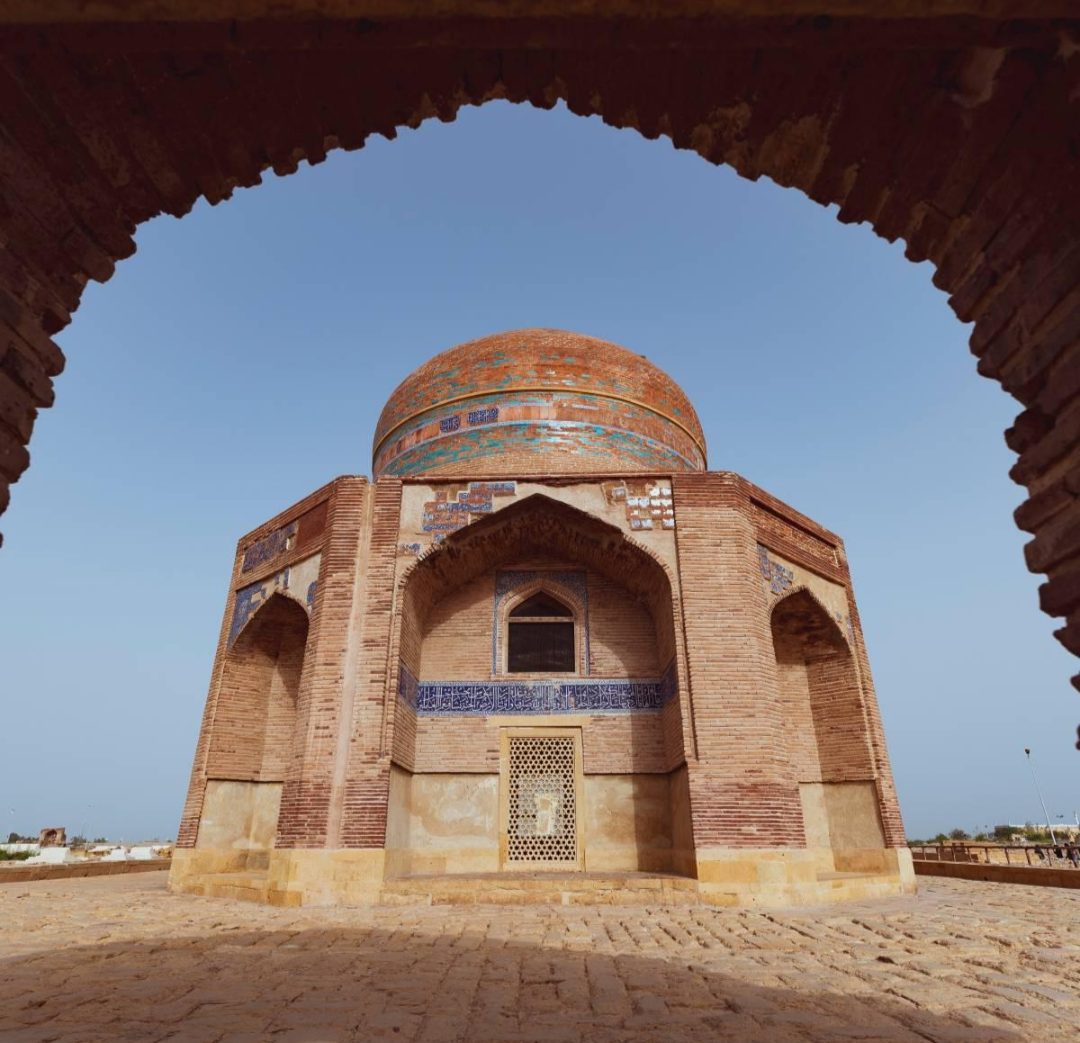
Origins, Geography, Culture, Ancestry and Diaspora of the Raghuvanshi Merchants of Sindh, Kutch and Saurashtra
Introduction: Who Are the Lohanas?
The Lohanas are a Hindu mercantile community whose homeland lies in the lower Indus valley of Sindh and the neighbouring coastal regions of Kutch and Saurashtra (Kathiawar) in Gujarat. For centuries they have been known across western India, the Arabian Sea and East Africa as traders, commission agents, shopkeepers, moneylenders and, more recently, industrialists and professionals. The community describes itself as Raghuvanshi Kshatriya, tracing its descent from Lava, the son of Lord Rama, and many Lohanas still use the word Raghuvanshi as a proud alternative name for themselves.
The Lohanas are best understood as a regional community shaped by a shared geography rather than by a single village or kingdom. Their story moves from Sindh into Kutch and Kathiawar, and from there to Mumbai, Muscat, Zanzibar, Kampala, Nairobi, Leicester and London. The community is also historically important as the source population from which several other well-known communities emerged, most notably the Muslim Memons and Khojas, and a large part of the Hindu population of Sindh. This profile brings together what is reliably known about the Lohanas' geography, origins, social organisation, customs, food, dress and diaspora, and sets out what genetics can and cannot yet tell us about the community.
| At a glance | Column 2 |
|---|---|
| Homeland | Sindh (Pakistan), Kutch and Saurashtra (Gujarat, India) |
| Religion | Predominantly Hindu (Vaishnav and Shakta traditions); historic Nanakpanthi/Sikh-influenced practice among Sindhi Lohanas |
| Languages | Gujarati, Kutchi, Sindhi; Hindi and English in cities and abroad |
| Traditional occupation | Trade, commission agency, grain, cotton and cloth dealing, moneylending, shipping-linked commerce |
| Patron saint | Jalaram Bapa of Virpur (1799–1881) |
| Major diaspora | Mumbai, East Africa, United Kingdom, Gulf countries, USA, Canada |
Etymology of the Name "Lohana"
Community tradition links the name Lohana to Lohargadh or Lohkot, a fort or city said to have been founded by Lava, son of Rama. Some writers identify this place with Lahore, which in popular etymology is also connected to Lava (Lavapuri), while others place it in the Multan or northern Sindh region. A second popular explanation derives the word from loha, meaning iron, and interprets the Lohanas as an iron-strong warrior people, "Lohrana" or "lords of iron". Neither derivation can be proven from early documentary evidence, and historians treat both as community traditions. What they share is a strong self-image of Kshatriya origin that the community has carried into its later mercantile life.
Geography: Homeland and Regional Spread
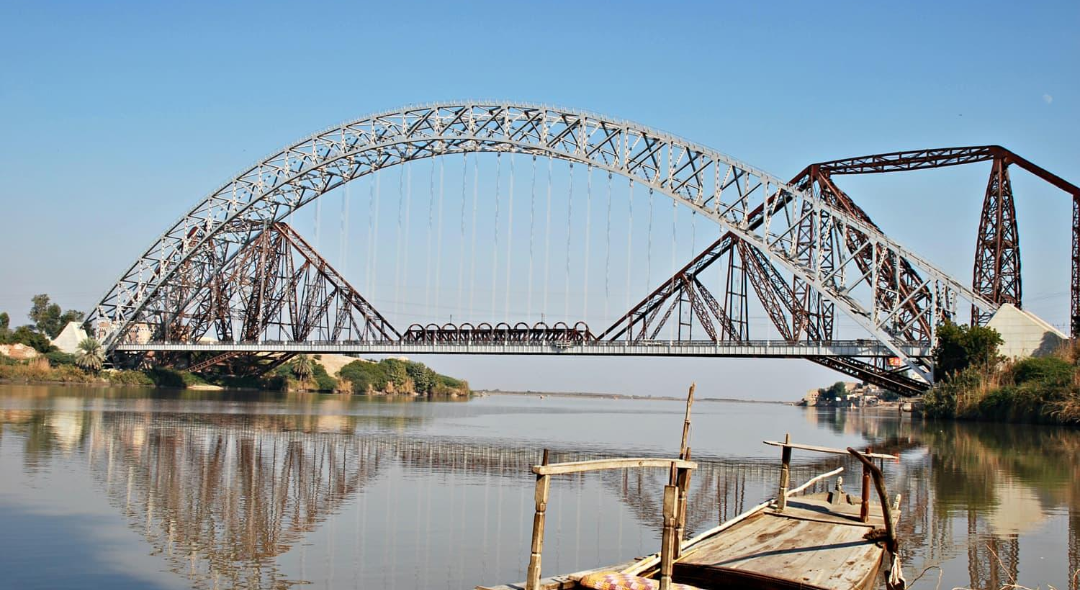
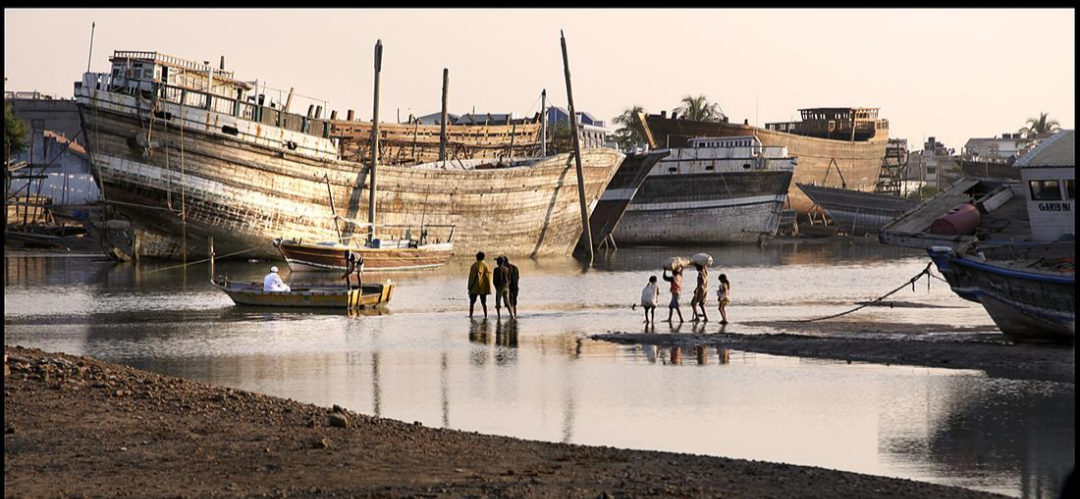
The Lohana world is a geography of rivers, salt deserts and ports. Its earliest remembered homeland is the Indus plain, from Multan in the north down to Thatta and the delta in the south. From Sindh, Lohana families moved eastwards in waves into Kutch, crossing or skirting the Rann, and then into the Kathiawar peninsula. Ports such as Mandvi, Mundra, Porbandar, Jamnagar (Navanagar), Veraval and Bhavnagar connected them to the sea trade of the Arabian Sea, while inland towns such as Rajkot, Gondal, Junagadh, Jetpur, Morbi, Virpur and Amreli became centres of trade in grain, cotton and cloth.
- Sindh: the ancestral land, especially Thatta, Hyderabad, Shikarpur, Sukkur and Karachi. After 1947 most Sindhi Lohanas migrated to India, settling in Ulhasnagar, Mumbai, Ahmedabad, Kutch (Adipur, Gandhidham), Rajasthan, Madhya Pradesh and Delhi.
- Kutch: Bhuj, Mandvi, Anjar, Mundra and the towns of Vagad, home to Kutchi Lohanas with a strong maritime and Gulf connection.
- Saurashtra (Kathiawar): Rajkot, Jamnagar, Porbandar, Junagadh, Gondal, Jetpur and Virpur, the heartland of Halai and Kathiawadi Lohanas.
- Mainland Gujarat and Mumbai: Ahmedabad, Vadodara, Surat and Mumbai, where Lohanas form an important part of the commercial classes.
Origins and Early History
According to community tradition, the Lohanas are Suryavanshi Kshatriyas descended from Lava, who is believed to have ruled from Lohkot. Lohana bards and genealogists (the Barots and Bhats who kept family records) describe a long period of rule in the north-west, followed by migration southwards into Sindh. These accounts are best read as origin traditions; the documentary record becomes clearer in the medieval period, when the Lohanas appear in Sindhi and Arab-era sources as an established population of the lower Indus.
A central figure in Lohana memory is Dada Jasraj, a Lohana chief remembered as a heroic warrior who died defending his people and their cattle against invaders, traditionally dated to the thirteenth century. Many Lohana families still revere Jasraj as a sacred ancestral hero. The community's turn from arms to trade is usually explained by the political upheavals of medieval Sindh: as Sindh came under successive Muslim dynasties, Lohanas became the region's principal Hindu traders, revenue officials and clerks.
From roughly the thirteenth to the seventeenth century, groups of Lohanas moved into Kutch and Saurashtra, often encouraged by Rajput rulers such as the Jadejas who valued their skills in trade and administration. Some families in Sindh converted to Islam during the same period. Tradition holds that a group of Lohanas in Thatta embraced Islam in the fifteenth century under the Sufi preacher Sayyid Yusufuddin Qadri, becoming the Memons, while other Lohana families became followers of the Ismaili pirs and formed the Khoja community. In this sense the Lohanas sit at the root of several of western India's most successful trading communities, Hindu and Muslim alike.— the nineteenth century Lohanas were prominent in the commerce of the Kathiawar princely states and of the British port of Bombay, and they had begun to follow the sea routes to Muscat, Zanzibar and the East African coast. The twentieth century brought two great dispersals: Partition in 1947, which uprooted Sindhi Lohanas, and the Africanisation policies of the 1960s–70s, culminating in the 1972 expulsion of Asians from Uganda, which brought thousands of Lohana families to Britain.
Regional Sub-groups and Social Structure
The Lohana community is internally divided by region of settlement, and these divisions traditionally shaped dialect, custom and marriage circles:
- Halai Lohanas — from the Halar region of Saurashtra (around Jamnagar); the largest Gujarati branch.
- Kutchi Lohanas — settled in Kutch, speaking Kutchi, with long ties to Mumbai and the Gulf.
- Ghoghari Lohanas — named after the port of Ghogha near Bhavnagar.
- Kathiawadi / Sorathia Lohanas — from central and southern Saurashtra (Sorath).
- Sindhi Lohanas — the Lohanas of Sindh, including the Amils (historically administrators and clerks) and Bhaibands (traders); many Sindhi Hindu surnames ending in -ani trace back to Lohana families.
The basic unit of Lohana kinship is the atak, a patrilineal clan name. Tradition speaks of several hundred ataks, and each is associated with an ancestor, a kuldevi (clan goddess) and often a surapura (a heroic ancestor worshipped at a family shrine). Marriage within the same atak is traditionally avoided. Common Lohana surnames include Thakkar, Thakrar, Kotecha, Majithia, Raichura, Ruparelia, Popat, Chandarana, Dattani, Kariya, Lakhani, Kakkad, Somaiya, Madhvani, Mirani, Rachh, Morjaria, Hindocha, Tanna, Unadkat, Bhayani, Kotak and many more; among Sindhi Lohanas surnames such as Advani, Lalwani, Jethwani and Mirchandani are common, though not every bearer of these names is Lohana.
Social life was historically organised through the Lohana mahajan, a local caste council that managed community property, settled disputes and supported needy families. Today the Shri Lohana Mahaparishad, an apex body founded in the early twentieth century, coordinates hundreds of local mahajans in India and abroad, and Lohana community halls (wadis) and hostels exist in most Gujarati towns. In India, Lohanas are generally counted in the general category.
Religion and Belief
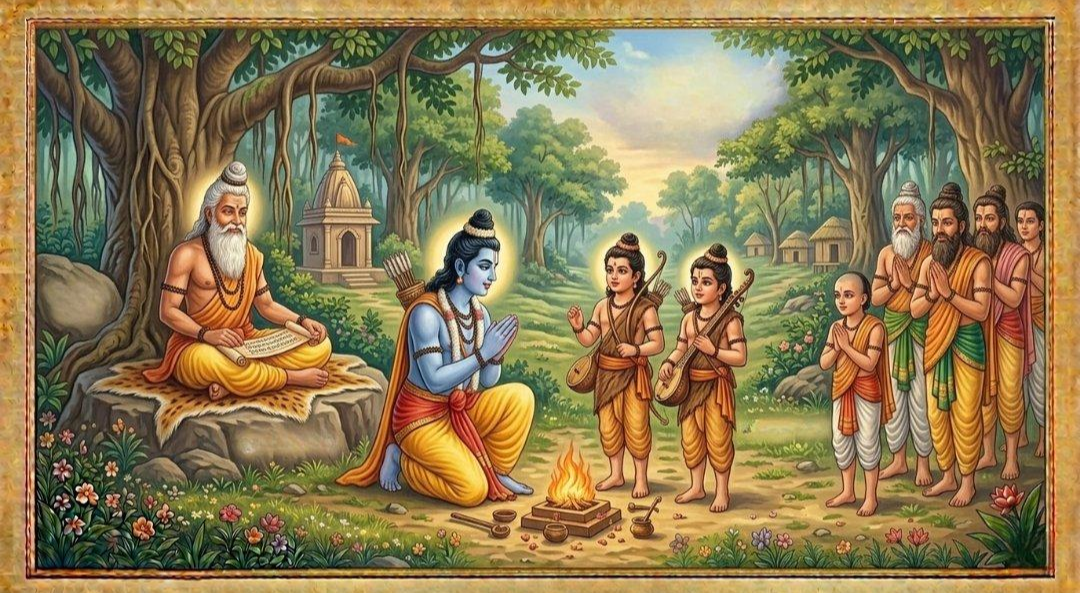
Most Lohanas are Hindus with strong Vaishnav leanings, particularly devotion to Rama (as Raghuvanshis), Krishna (Shrinathji and the Pushtimarg tradition are popular in Gujarat) and to their clan goddesses. Harsiddhi Mata is widely revered as a principal kuldevi, alongside many atak-specific goddesses. The Sindhi Lohanas venerate Jhulelal (Dariyalal or Uderolal), the river deity of the Indus, and celebrate Cheti Chand as their new year; many historically also followed Guru Nanak's teachings and kept the Guru Granth Sahib at home without seeing any contradiction with Hinduism.
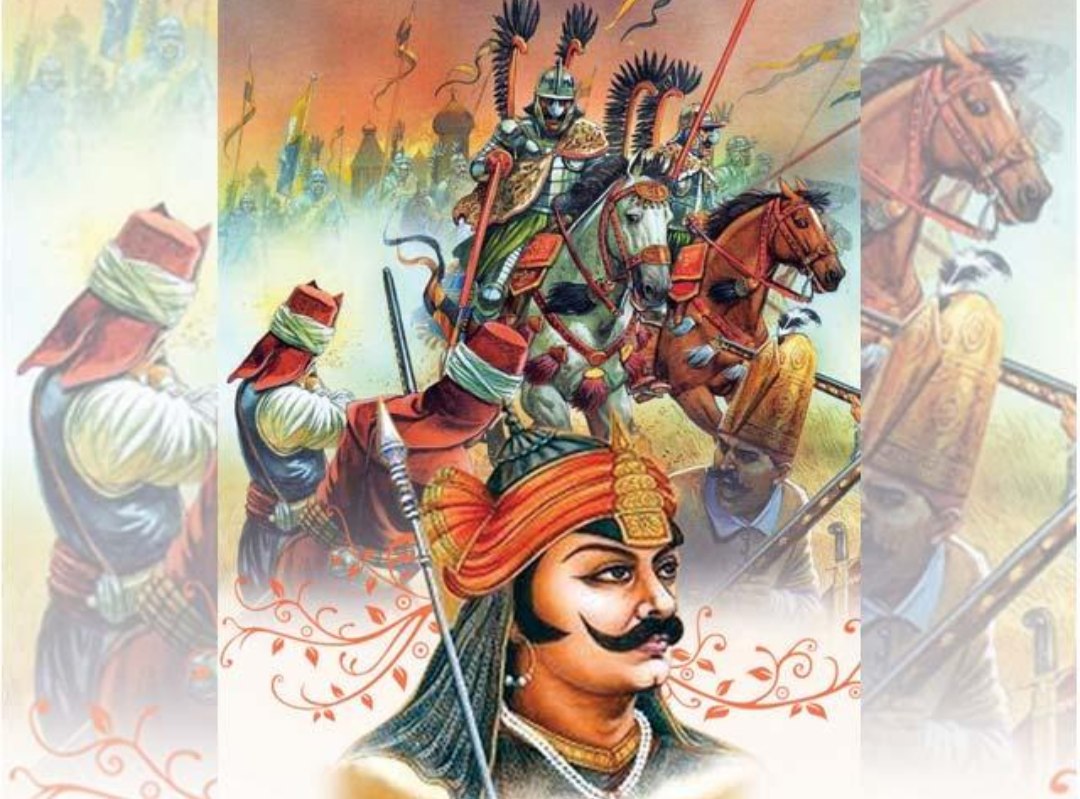
The best-loved figure of Lohana devotion is Jalaram Bapa (1799–1881) of Virpur near Rajkot, a Lohana saint who devoted his life to feeding the hungry. His sadavrat (free kitchen) at Virpur is famous for having fed pilgrims for nearly two centuries without accepting donations in recent decades. Jalaram temples are now found wherever Lohanas live, from Leicester to Nairobi, and Jalaram Jayanti (Kartik Sud Saptami, a week after Diwali) is the community's most characteristic festival. The greeting "Jai Jalaram" is a common marker of Lohana identity.
Language
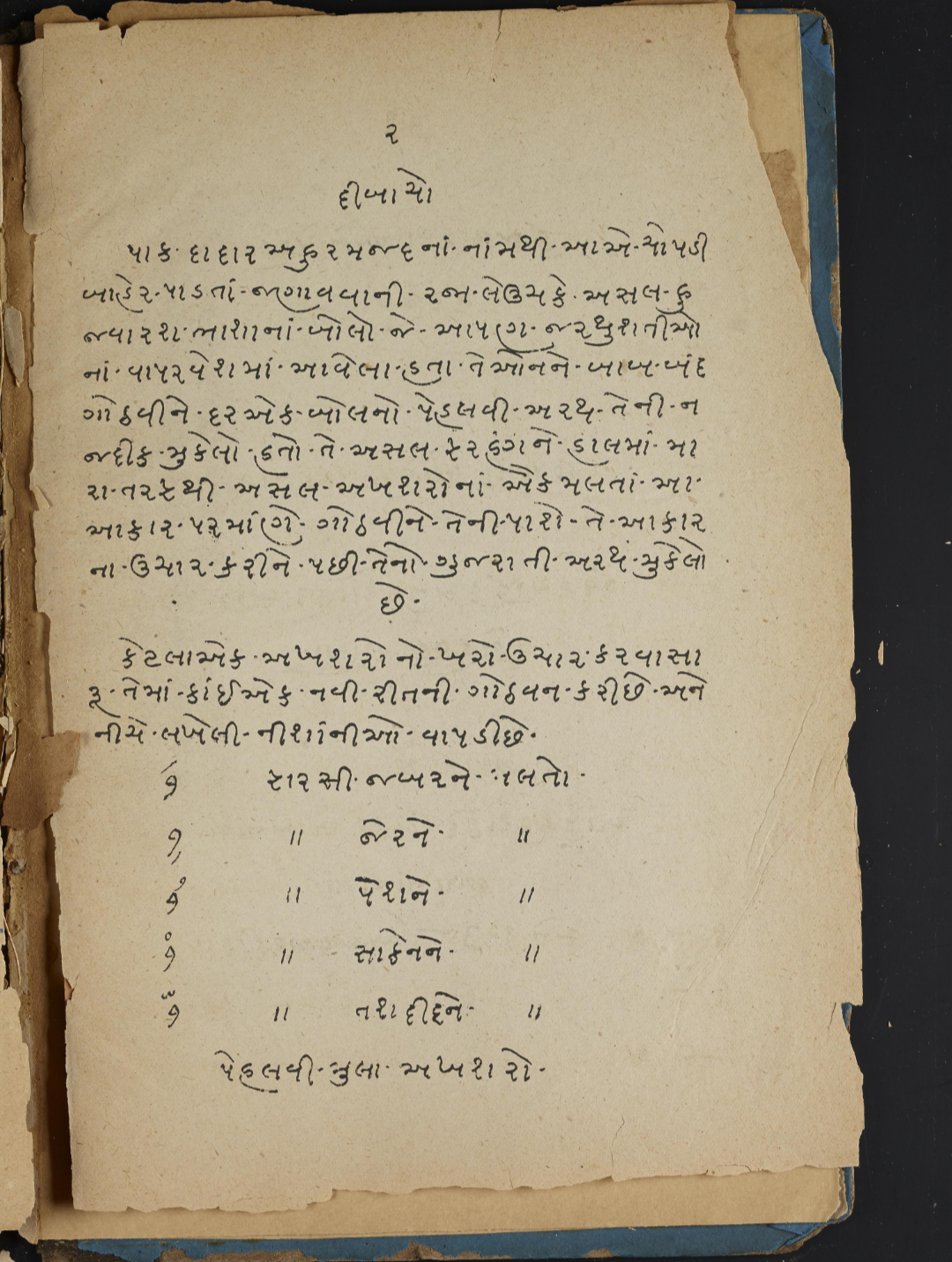
Gujarati is the main language of the Lohanas of Saurashtra and mainland Gujarat, usually in its Kathiawadi form. Kutchi Lohanas speak Kutchi at home, a language closely related to Sindhi, and Sindhi Lohanas speak Sindhi. Historically Lohana traders kept accounts in commercial scripts such as Khudabadi (also called Wanikko or Lohanki), a mercantile script of Sindh, and in Gujarati bookkeeping style. In the diaspora, Gujarati and English are used side by side, and Swahili words still survive in the speech of older East African Lohanas.
Customs, Family Life and Marriage
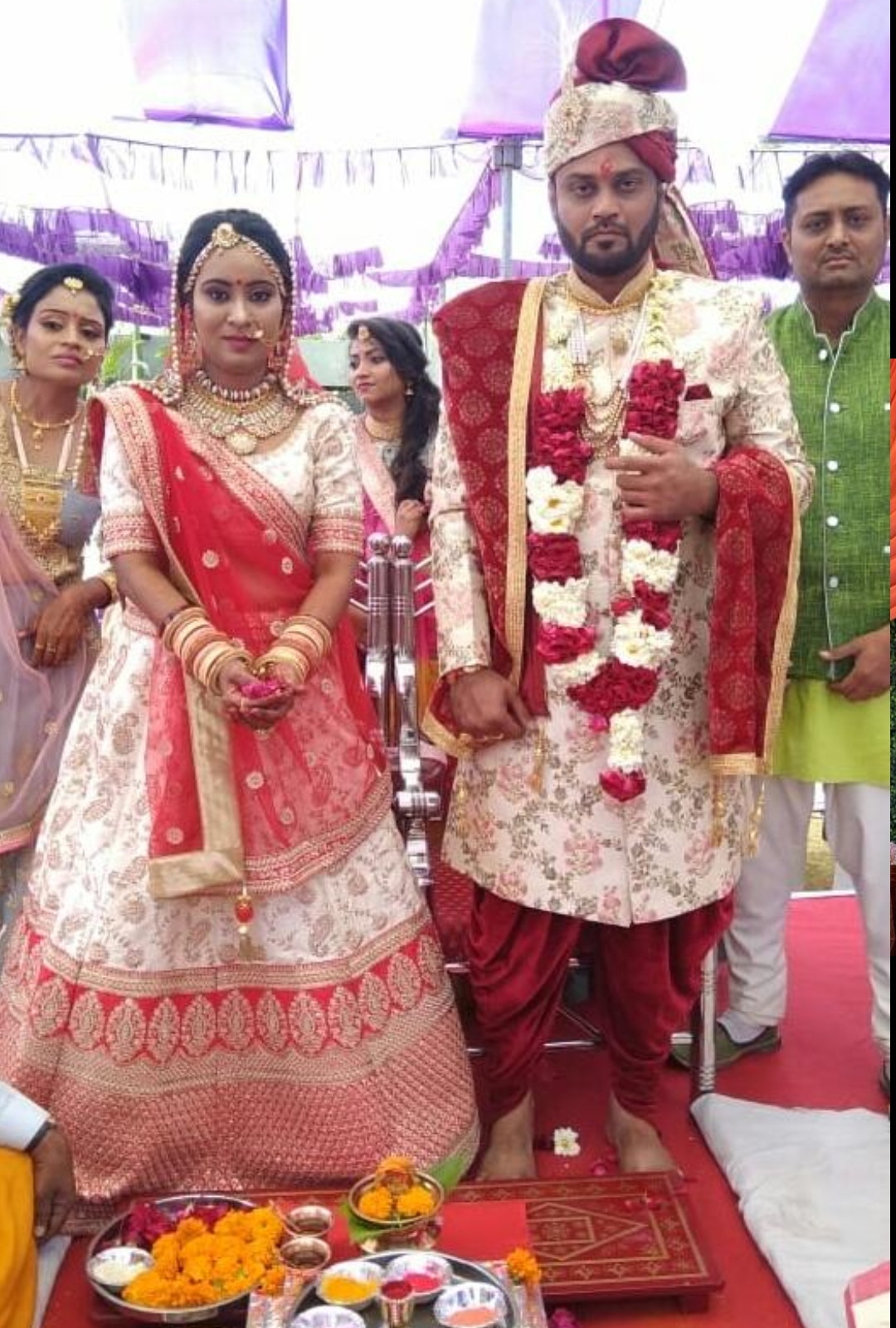
Lohana family life has traditionally centred on the joint family and the family business. Marriage follows Hindu Vedic rites with strong Gujarati and Kathiawadi features. Typical stages include the sagai or chandlo (engagement), Ganesh sthapana, mandap muhurat, mameru (gifts from the bride's maternal uncle), pithi (turmeric ceremony), the garba or dandiya-raas night, the varghodo (groom's procession) and the hast-melap and pheras. Many families visit their kuldevi temple before or after the wedding, and a newborn child may be taken for its first head-shaving (babri or mundan) to the kuldevi's shrine.
Small but distinctive habits mark Lohana life: the custom of offering food first to a guest or to a passing sadhu, inspired by Jalaram Bapa; the keeping of a family shrine to a surapura or sati; the opening of new account books (chopda pujan) on Diwali; Navratri garba; the use of the respectful title Thakkar; and a strong ethic of community service through langar-style meals at Jalaram temples.
Cuisine
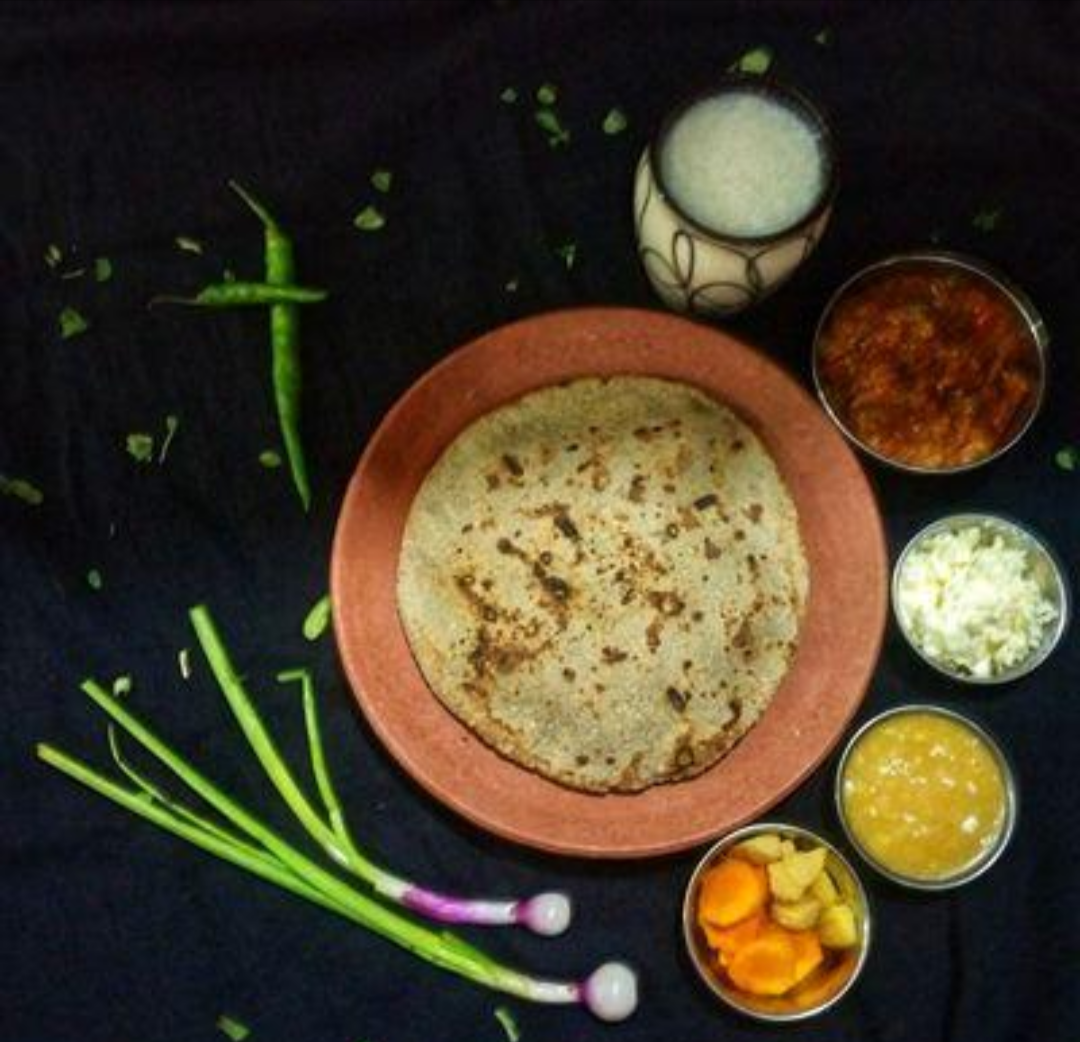
Gujarati and Kutchi Lohanas are largely vegetarian, and many avoid onion and garlic on religious occasions. Their food is classic Kathiawadi and Kutchi: robust, spiced and slightly sweet. Sindhi Lohanas, by contrast, traditionally ate fish and meat, and their cuisine reflects the Indus valley. Well-known dishes in Lohana homes include:
- Thepla, dhebra and khakhra — spiced flatbreads that travel well, a favourite of trading families on the move.
- Bajra no rotlo with ringan no olo — millet bread with smoky mashed brinjal, a Kathiawadi staple.
- Kadhi-khichdi — the everyday comfort meal, and the classic prasad of Jalaram temples.
- Sev tameta, lasaniya bataka and undhiyu — Saurashtra favourites, undhiyu especially in winter.
- Dabeli and Kutchi pakwan — snacks associated with Kutch.
- Sai bhaji, Sindhi kadhi and dal pakwan — signature dishes of Sindhi Lohana households.
- Sweets such as mohanthal, magas, sukhdi and shrikhand — served at weddings and festivals; East African Lohanas also adopted mandazi, cassava chips and mogo.
Dress and Appearance
Traditional Lohana dress follows regional Gujarati and Sindhi styles. In rural Saurashtra, older men wore the dhoti or chorno with a kediyu (pleated short jacket) and a pheta or safo (turban), while merchants in towns wore the angarkha and later the dhoti-kurta with a Gandhi cap. Women wore chaniya-choli with an odhni, or the Gujarati seedha-pallu saree, often in bandhani (tie-dye) from Jamnagar and Kutch and with Kutchi mirror embroidery. Gold and silver jewellery, including heavy anklets and the mangalsutra, marked married women. Sindhi Lohana women traditionally wore the cholo and suthan (loose trousers) with a dupatta. Today Lohanas dress like other urban Gujaratis and Sindhis, returning to bandhani, gharchola sarees and kediyu-style outfits at weddings and Navratri.
In physical appearance, Lohanas show the wide range of variation typical of north-western South Asian populations. Many have wheatish to fair complexions and medium builds, but there is considerable diversity within the community, and appearance is not a reliable guide to ancestry. DNA is.
Genetic Ancestry: What We Know and What We Are Discovering
Most South Asians today can be modelled as a mixture of three deep ancestral sources: AASI (Ancient Ancestral South Indian, the earliest hunter-gatherers of the subcontinent), Indus Valley farmer-related ancestry (Iranian-related farmers who mixed with AASI to form the people of the Harappan civilisation and its periphery), and Steppe ancestry (from Bronze Age pastoralists of the Central Asian steppe who arrived in the second millennium BCE). Older studies described the same picture using two composite groups, ANI (Ancestral North Indian) and ASI (Ancestral South Indian).
Published genetic studies have not yet produced a dedicated, large-sample analysis of the Lohana community, and most Lohanas will not find their community named in academic papers. Based on geography and on studies of neighbouring Gujarati and Sindhi populations, Lohanas are expected to carry relatively high Indus farmer-related ancestry, a substantial steppe component, and a comparatively lower AASI share than populations further south and east. The precise proportions, and how they differ between Halai, Kutchi, Sindhi and other Lohana branches, are exactly what GenoConnect's community feature sets out to measure.
| Ancestry component | Expected picture for Lohanas (to be confirmed by testing) |
|---|---|
| Indus farmer-related | Likely the largest single component, reflecting deep roots in the Indus valley |
| Steppe-related | Likely significant, comparable to other north-western upper-caste and mercantile groups |
| AASI | Present in every Lohana, but likely lower than in central, eastern and southern Indian groups |
Haplogroups: Paternal (Y-DNA) and Maternal (mtDNA)
Y-chromosome haplogroups trace a strict father-to-son line; mitochondrial haplogroups trace a mother-to-child line. Community-specific haplogroup frequencies for Lohanas have not been published in detail, but lineages common in Sindh and Gujarat give a guide to what Lohana testers are likely to see:
- Y-DNA: R1a (especially the R1a-Z93 branch associated with steppe-related ancestry), L1a (L-M27, frequent in Sindh, Baluchistan and Gujarat), J2, R2, H and G. Patterns of Y-DNA sharing between ataks could one day reveal which surnames share a common founder.
- mtDNA: a majority of South Asian-specific M lineages, together with U7, W, R and HV lineages that are especially characteristic of north-west India and Pakistan.
Closest Genetic Relatives
Because several communities historically branched off from the Lohanas, genetics offers a powerful way to test old traditions. The communities Lohanas are most likely to cluster with include Memons and Khojas (communities of Lohana origin by tradition), Bhatias and Kutchi Bhanushalis, other Sindhi Hindu communities, Gujarati Vanias and Kathiawadi groups. For a Memon or Khoja tester, close relatedness to Lohana samples could support the conversion narrative their community preserves; for a Lohana tester, the pattern of matches can show whether a family's lineage leans towards Sindh, Kutch or Saurashtra.
None of this can be read from a reference paper alone. The more Lohanas who test, the clearer the community's genetic portrait becomes, at the level of branch, region and even atak.
Population Size
India has not published caste-wise population figures since the 1931 census, so any estimate of Lohana numbers is approximate. Community organisations and outside estimates commonly place the Gujarati Lohana population at somewhere around one to two million in India, with figures rising considerably if Sindhi communities of Lohana descent are included. Several hundred thousand more live abroad, with the largest concentrations in the United Kingdom and East Africa. All such figures should be treated as indicative rather than exact.
Occupations and Economic Life
Trade has been the defining occupation of the Lohanas for centuries. In Saurashtra and Kutch they were grain and cotton merchants, commission agents (dalals), cloth dealers and moneylenders who financed farmers and princely states. In East Africa, Lohana dukawallas (shopkeepers) pioneered retail trade in remote towns and later moved into sugar, textiles, manufacturing and import-export. In modern India and the diaspora, Lohanas are prominent in banking and finance, pharmaceuticals and chemicals, edible oils, textiles, retail, real estate and the professions, including accountancy, medicine, law, engineering and IT.
Migration and Diaspora
Lohana migration follows the monsoon trade winds. From Kutch and Saurashtra, merchants sailed to Muscat and the Gulf and down the Swahili coast to Zanzibar and Mombasa in the nineteenth century. The building of the Uganda Railway and the expansion of British rule in East Africa drew many more Lohanas to Kenya, Uganda and Tanganyika, where families such as the Madhvanis and Mehtas became leading industrialists. After Idi Amin expelled Uganda's Asians in 1972, thousands of Lohana families resettled in Britain, particularly in Leicester and north-west London (Harrow, Wembley), where they rebuilt businesses within a generation. Today there are significant Lohana communities in the United Kingdom, Kenya, Uganda, Tanzania, the UAE, Oman, the USA, Canada, Australia and New Zealand, linked through bodies such as the Lohana Mahaparishad and local Lohana community associations.
Sindhi Lohanas experienced a different dispersal. Partition in 1947 forced most Hindu Sindhis to leave their homeland, and they resettled across India and, later, in trading hubs from Hong Kong and Singapore to the Canary Islands, Lagos and Panama.
Prominent People
- Jalaram Bapa (1799–1881) — saint of Virpur, revered for his free kitchen and selfless service; the best-known spiritual figure of the community.
- Dada Jasraj — legendary Lohana warrior-king remembered as an ancestral hero.
- Muljibhai Madhvani (1894–1958) — founder of the Madhvani Group in Uganda, one of East Africa's largest industrial houses.
- Nanji Kalidas Mehta (1887–1969) — East African industrial pioneer and founder of the Mehta Group, also known for philanthropy in Porbandar.
- Uday Kotak (b. 1959) — founder of Kotak Mahindra Bank, one of India's leading private-sector banks.
- Lord Dolar Popat (b. 1953) — Ugandan-born British businessman and member of the House of Lords.
Alongside these figures, thousands of Lohana families have built businesses, temples, schools, hostels and charitable trusts across Gujarat, Mumbai, East Africa and Britain. (Editors: please verify community affiliation for any further names before publication.)
Conclusion
The Lohana story is one of continuity through movement. A community that remembers itself as Raghuvanshi Kshatriyas of the Indus became the merchants of Sindh, Kutch and Kathiawar, gave rise to the Memons and Khojas, and carried Jalaram Bapa's ethic of feeding others from Virpur to Nairobi and Leicester. Its traditions, from atak and kuldevi to kadhi-khichdi and garba, remain strongly alive. What remains to be written is the community's genetic history: how much Indus, steppe and AASI ancestry Lohanas carry, which paternal and maternal lineages run through their ataks, and how closely they relate to their neighbours and to the communities that branched from them. That chapter will be written by Lohanas themselves, one DNA test at a time.
Frequently Asked Questions
Q. Who are the Lohanas?
The Lohanas are a Hindu mercantile community originating in Sindh and settled mainly in Kutch and Saurashtra in Gujarat, with a large diaspora in Mumbai, East Africa and the UK. They describe themselves as Raghuvanshi Kshatriyas, descendants of Lava, son of Lord Rama.
Q. Are Lohanas Kshatriyas or Vaishyas?
By tradition and self-identity, Lohanas consider themselves Kshatriyas who took up trade over the centuries. Socially and occupationally they have long functioned as a merchant community.
Q. What is the kuldevi of the Lohanas?
Harsiddhi Mata is widely regarded as a principal kuldevi, but each atak (clan) traditionally has its own kuldevi and family deities, so the answer differs between families.
Q. Who is Jalaram Bapa?
Jalaram Bapa (1799–1881) was a Lohana saint from Virpur, near Rajkot, famous for his free food kitchen. He is the most revered figure in the community, and Jalaram Jayanti is celebrated a week after Diwali.
Q. What are common Lohana surnames?
Thakkar, Thakrar, Kotecha, Majithia, Raichura, Ruparelia, Popat, Chandarana, Dattani, Kariya, Lakhani, Somaiya, Madhvani, Kotak and many others. Surnames alone do not prove community membership, as several are shared with other groups.
Q. Are Memons and Khojas descended from Lohanas?
Community traditions of both the Memons and the Khojas trace much of their ancestry to Lohanas who converted to Islam in Sindh and Gujarat from around the fifteenth century. Genetic testing can help individual families explore this link.
Q. Are Sindhis and Lohanas the same?
Not exactly. Many Sindhi Hindus, including Amils and Bhaibands, are of Lohana origin, but Sindhi is a regional and linguistic identity that includes other communities as well.
Q. What is the genetic makeup of the Lohana community?
No large published study has focused on Lohanas. Based on neighbouring populations, they are expected to have high Indus farmer-related ancestry, a notable steppe component and a lower AASI share than many other Indian groups. GenoConnect's community feature aims to measure this directly.
Q. What Y-DNA and mtDNA haplogroups do Lohanas have?
Detailed Lohana-specific data are not yet published. Testers from the region commonly carry Y-DNA haplogroups such as R1a, L1a, J2, R2 and H, and mtDNA lineages such as M, U7, W and R. Your own test will show your exact lineages.
Q. Which communities are genetically closest to Lohanas?
Q. Are Lohanas vegetarian?
Most Gujarati and Kutchi Lohanas are vegetarian, while Sindhi Lohanas have traditionally eaten fish and meat.
Q. How many Lohanas are there?
There is no official count, since India has not published caste data since 1931. Estimates usually place Gujarati Lohanas at roughly one to two million in India, with a large diaspora.
Q. How can I learn more about my Lohana ancestry?
Family records from Barots and Bhats, atak and kuldevi traditions and community mahajans are valuable starting points. A GenoConnect DNA test adds your ancestry composition, haplogroups and genetic matches with other Lohanas and neighbouring communities.
References
- [1]Wikipedia. "Lohana." https://en.wikipedia.org/wiki/Lohana
- [2]Wikipedia. "Jalaram." https://en.wikipedia.org/wiki/Jalaram
- [3]Shri Lohana Mahaparishad (official community body).
- [4]Joshua Project. "Lohana in India." https://joshuaproject.net
- [5]Enthoven, R.E. The Tribes and Castes of Bombay (1920–22).
- [6]Gazetteer of the Bombay Presidency, Vol. V (Cutch, Palanpur and Mahi Kantha) and Vol. VIII (Kathiawar).
- [7]Narasimhan, V.M. et al. (2019). "The formation of human populations in South and Central Asia." Science 365.
- [8]Reich, D. et al. (2009). "Reconstructing Indian population history." Nature 461.