

Parmar Community
Unravel your Parmar Rajput ancestry with GenoConnect. Explore the rich history, vibrant culture, and unique genetics of India's Paramara community
The Parmar Community
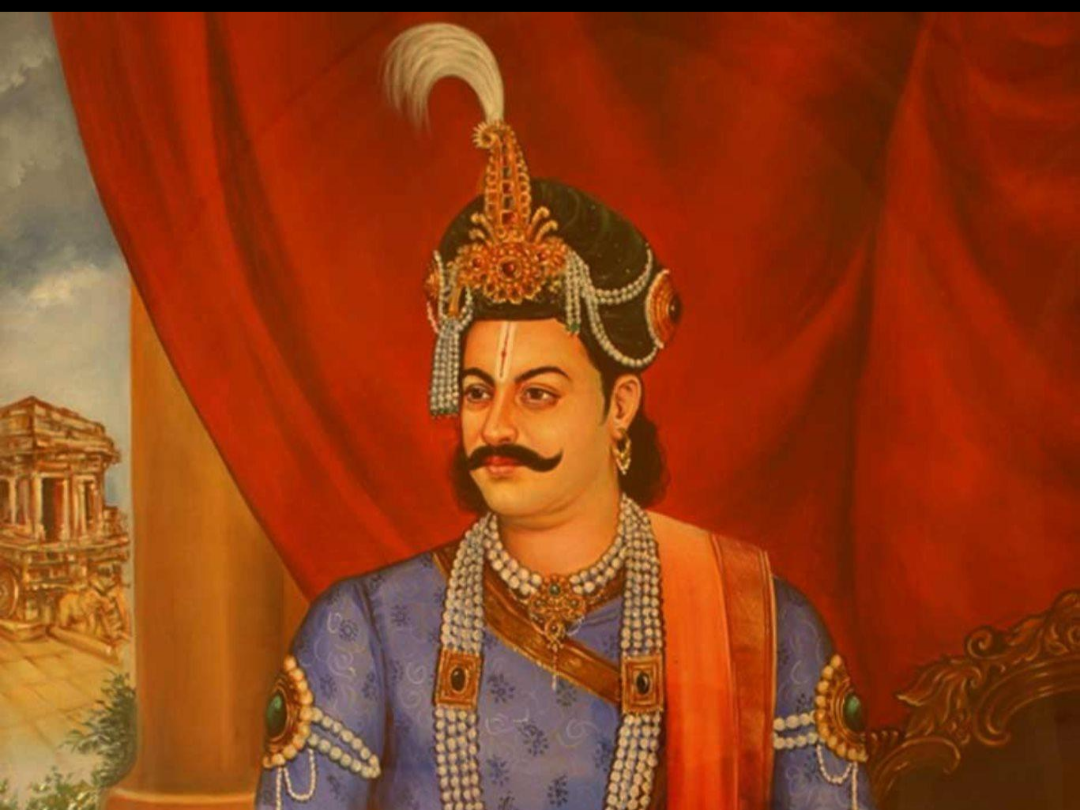
History, Culture, and Genetics of the Paramara (Panwar / Pawar) Rajput Clan
Table of Contents
1. Introduction: Who Are the Parmars?
The Parmar (also spelled Paramara, and rendered as Panwar or Pawar in many regions) are one of the most historically significant Rajput clans of India, traditionally counted among the four Agnivanshi, or “fire-born,” clans of Rajput tradition, alongside the Chauhan (Chahamana), Pratihar (Pratihara), and Solanki (Chaulukya). The clan's most celebrated legacy is the Paramara dynasty, which ruled the Malwa region of west-central India from its capitals at Ujjain and later Dhar between the 9th and 14th centuries, reaching its zenith under the philosopher-king Raja Bhoja in the 11th century.
Today, communities carrying the Parmar, Panwar, or Pawar name are spread across a wide swathe of India, including Rajasthan, Gujarat, Madhya Pradesh, Maharashtra, Punjab, Haryana, Uttarakhand, Himachal Pradesh, Uttar Pradesh, Bihar, and Jharkhand, as well as across the border in Sindh, Pakistan. In parts of Vidarbha in Maharashtra, the community is also known as Bhoyar or Bhoyar Pawar, while in the broader Marathi-speaking world the surname most often appears simply as Pawar or Puar.
This profile traces the clan's traditional origin narrative and dynastic history, surveys what population genetics can and cannot say about Rajput ancestry, and documents the customs, cuisine, dress, architecture, folklore, and notable historical figures associated with the Parmar name.
2. Origins and Early History
2.1 The Agnikula (Fire-Born) Legend
Clan tradition traces the Parmars to the Agnikula (“fire-lineage”) legend, according to which the sage Vashishtha performed a fire sacrifice at Mount Abu in Rajasthan to create warriors who could defend dharma. From the sacrificial fire pit emerged a hero who, according to the legend, was named Paramara (from the Sanskrit for “slayer of the enemy”) and was granted Abu, Dhar, and Ujjain as his domain. This origin story, first recorded in literary form in the 11th-century Navasahasankacharita of the court poet Padmagupta, is a foundational charter myth shared, in variant forms, by all four Agnivanshi clans, and it is best understood as a medieval legitimizing narrative rather than a literal historical account.
Historians generally agree that the Paramaras, like the other Agnivanshi lineages, emerged as a distinct ruling clan around the 9th century, when a number of new regional dynasties consolidated power in Rajasthan, Gujarat, Madhya Pradesh, and Uttar Pradesh as the authority of the Gurjara-Pratihara empire weakened. Early Paramara rulers are recorded as feudatories of the Rashtrakuta dynasty, governing the Malwa region from a base at Ujjain.
2.2 Rise to Sovereignty
Around 972 CE, the Paramara ruler Siyaka took advantage of the Rashtrakutas' weakening grip and sacked their capital, Manyakheta, establishing the Paramaras as an independent power in their own right. Under Siyaka's successor Vakpati Munja, a noted general, poet, and patron of literature, the Malwa kingdom grew into a major regional power, with Dhara (modern Dhar) established as the dynastic capital. Munja's court attracted celebrated poets and scholars, including Padmagupta, Dhanika, and Halayudha, laying the cultural foundations that his nephew Bhoja would later build upon.
3. The Paramara Dynasty of Malwa
3.1 The Golden Age of Raja Bhoja (r. c. 1010–1055 CE)
The Paramara dynasty reached its political and cultural peak under Raja Bhoja, still remembered in Indian tradition as one of the great scholar-kings of the subcontinent. Bhoja's kingdom, at its height, stretched from Chittor in the north to the Konkan coast in the south, and from the Sabarmati River in the west to Vidisha in the east, bringing him into recurring conflict with the Chalukyas of Kalyani, the Kalachuris of Tripuri, and the Chandelas of Bundelkhand.
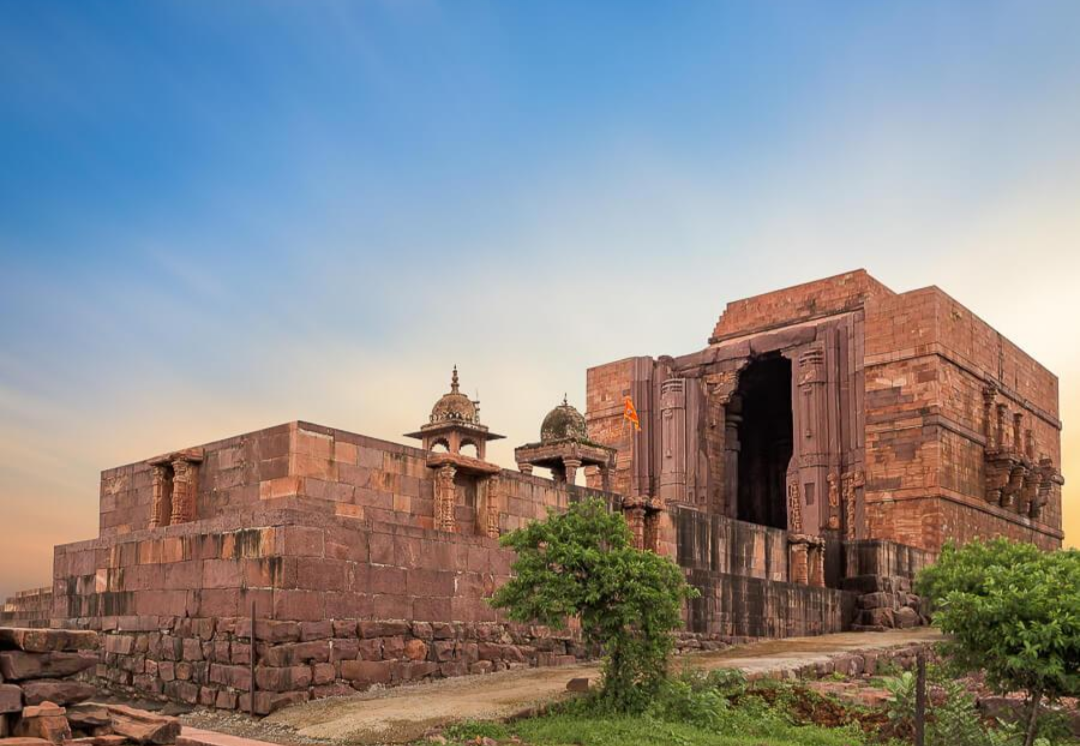
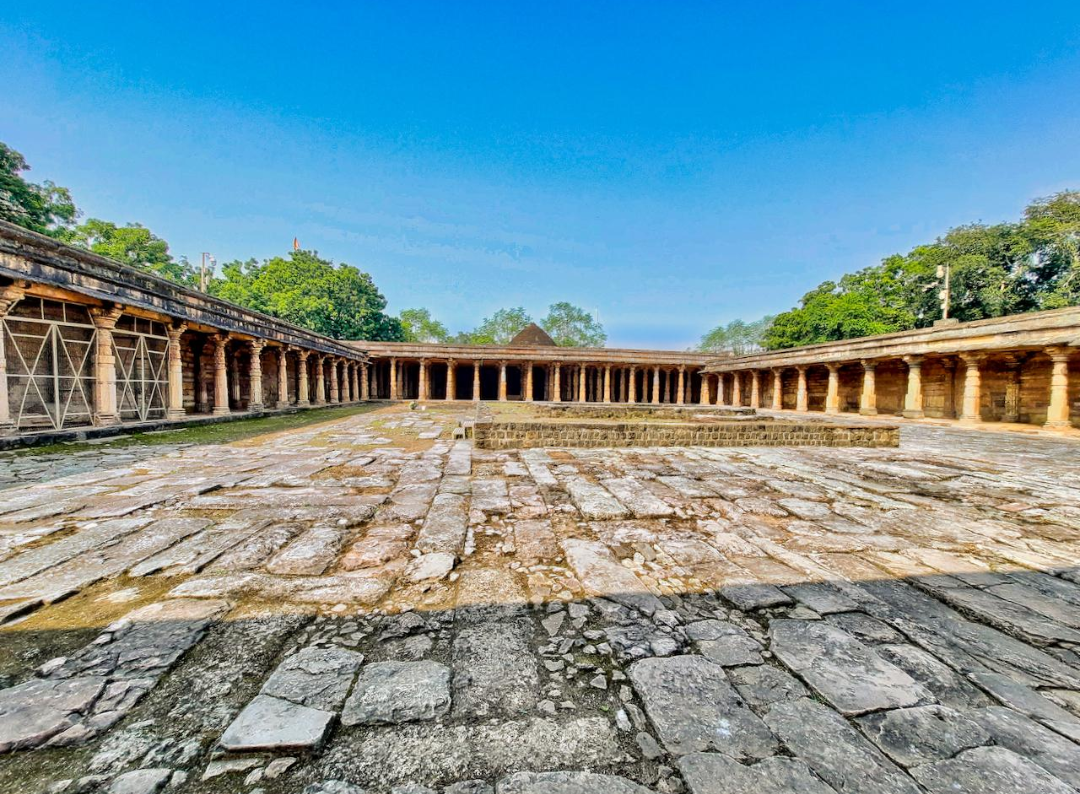
Bhoja's reputation, however, rests as much on his intellectual and architectural patronage as on his military campaigns. He is credited as the author of treatises spanning grammar, poetics, architecture, yoga, and even veterinary medicine, including the Sarasvati-Kanthabharana (a Sanskrit grammar and rhetoric text) and works such as Samarangana Sutradhara on architecture and Raja Marga on statecraft. He founded the Bhoj Shala in Dhar, a centre for Sanskrit learning, and under his patronage Dhar and Ujjain developed into seats of scholarship spoken of in later tradition alongside Nalanda and Taxila. His most famous surviving architectural legacy is the Bhojeshwar Temple near modern Bhopal, dedicated to Shiva and housing one of India's largest monolithic Shivalingas, though the temple itself was left unfinished.
3.2 Decline and the End of Paramara Rule
After Bhoja's death around 1055 CE, the kingdom faced renewed invasions from the Chalukyas and the Kalachuris of Tripuri. Later rulers such as Udayaditya and Naravarman managed periods of recovery and restoration, including repairs to the Mahakaleshwar temple at Ujjain, but the dynasty never fully regained Bhoja's territorial reach. Over the following two centuries Paramara power in Malwa gradually weakened under pressure from neighbouring dynasties, and the line came to a definitive end in 1305, when the last significant Paramara ruler, Mahalakadeva, was defeated and killed by the forces of the Delhi Sultanate under Alauddin Khilji.
4. Branches and Geographic Spread
Long before the fall of Malwa, branches of the Paramara clan had already established themselves elsewhere in India, and further migrations followed the dynasty's decline. The clan today is represented by several distinct regional branches:
4.1 The Paramaras of Mount Abu and Vagad
A separate branch of the Paramara clan ruled at Mount Abu and its capital Chandravati from the late 10th to the late 13th century, and other Paramara lines governed the Vagad region around Dungarpur-Banswara. These Abu-region Paramaras are the ancestors of several later Rajput lineages, including the Rehwar (Rahevar) clan of northern Gujarat, who trace their descent to the medieval Paramara rulers of Mount Abu and Chandravati and, after their dispersal from Abu in the late 13th century, settled across the Banaskantha and Sabarkantha regions.
4.2 The Sodha of Amarkot (Sindh)
An important offshoot of the Parmars, the Sodha clan, established its own kingdom at Amarkot (Umarkot) in the Sindh region, now in Pakistan. Tradition holds the Sodha line was founded around the 12th century by Rao Sodho, a descendant of the Abu Paramaras. The Sodha Ranas of Amarkot ruled for several centuries and are best remembered in Mughal history for sheltering the fugitive emperor Humayun in 1542, an episode discussed further in the notable-figures section below. The Sodha kingdom was eventually absorbed as a vassal of Jodhpur State in the 18th century, and its rulers later came under British paramountcy; a titular Rana of Amarkot continues the lineage in present-day Pakistan.
4.3 The Powar / Pawar of Maharashtra and the Bhoyar of Vidarbha
In the Marathi-speaking regions of Maharashtra and Madhya Pradesh, the Parmar name survives chiefly as Pawar or Puar. Beyond the Maratha-era ruling houses discussed in Section 6, the Pawar name is carried by agricultural communities across the Deccan, and in the rice-growing Wainganga tract of the Vidarbha region a distinct community known as Bhoyar or Bhoyar Pawar (sometimes rendered Powar) has long been settled as a farming community, with its own local titles and customary organisation.
This section reflects historically documented branches and ruling lines associated with the Parmar/Paramara name; it does not address every community that has separately adopted the surname across different regions of India.
5. Genetics and DNA Ancestry
No large, dedicated population-genetics study of the Parmar clan specifically has been published; the genetic picture below is drawn from broader research on Rajput populations of North and Central India, within which Parmar/Panwar lineages are traditionally counted, and it should be read as background context rather than a clan-specific finding.
5.1 Paternal (Y-DNA) Lineages
Studies of Rajput populations report that the most frequently observed Y-DNA haplogroup is R1a, and in particular its R1a-Z93 subclade, associated with Bronze Age Steppe-pastoralist migrations into South Asia roughly 2000–1500 BCE. Alongside R1a, Rajput samples also carry meaningful proportions of H-M69 (one of the oldest and most distinctly indigenous South Asian lineages), R2-M124, J2-M172 (linked to Neolithic farming and West Asian trade contacts), and smaller frequencies of L-M20 and Q-M242.
5.2 Maternal (mtDNA) Lineages and Autosomal Ancestry
Maternal-line DNA among Rajput populations, as across most of North and Central India, is overwhelmingly composed of indigenous South Asian haplogroups, particularly the M macro-haplogroup and its subclades, with smaller contributions from West Eurasian lineages such as U2 and U7. On the whole-genome level, Rajput populations typically show an estimated 20–30 percent Steppe-related ancestry component, comparable to figures reported for other traditionally landholding North Indian communities such as Brahmins and Khatris, layered atop a larger share of Indus Valley-related (Iranian farmer plus Ancestral South Indian) and deeper indigenous South Asian ancestry.
Ancestry estimates in population genetics vary by study, sample size, and reference panel, and results reported by individual consumer DNA tests may differ from these community-level averages.
6. The Maratha Puar Princely States: Dhar and Dewas
One of the most historically documented later chapters of the Parmar/Panwar story unfolded not in Rajasthan but in the Maratha Confederacy of the 18th century. Several Maratha noble families of the Puar (Pawar) clan, who traced their descent from the Paramaras of Malwa, rose to prominence as generals under the Peshwas and were granted territory in the very Malwa region their medieval ancestors had once ruled.
6.1 Dhar State
Dhar State was founded in 1729 by Udaji Rao Pawar, a Maratha general granted the territory by the Chhatrapati. His descendant Yashwant Rao Pawar played a notable role in the northern campaigns of the Maratha Empire, including at the Third Battle of Panipat in 1761. The Dhar dynasty later entered a subsidiary alliance with the British East India Company in 1819 and continued as a princely state, ruled by successive Pawar Maharajas, until India's independence; a titular royal line continues to the present day.
6.2 Dewas Senior and Dewas Junior
In 1728, two Puar brothers, Tukoji Rao and Jivaji Rao, advanced into Malwa with the Peshwa Baji Rao I and, after the Maratha conquest of the region, divided their territory between them, founding what became the twin princely states of Dewas Senior and Dewas Junior. Both accepted British protection in 1818 and continued as separate states, sharing the same capital town but administered independently, until 1948.
7. Social Structure: Kul, Gotra, and Kuldevi
As with other Rajput clans, Parmar social organisation has traditionally been structured around the kul (clan), further divided into shakhas (branches), khamps (sub-branches), and naks. Marriage within one's own kul has traditionally been avoided, and lineage identity has been reinforced through genealogical recitation (gotracharana) at weddings and other major family occasions.
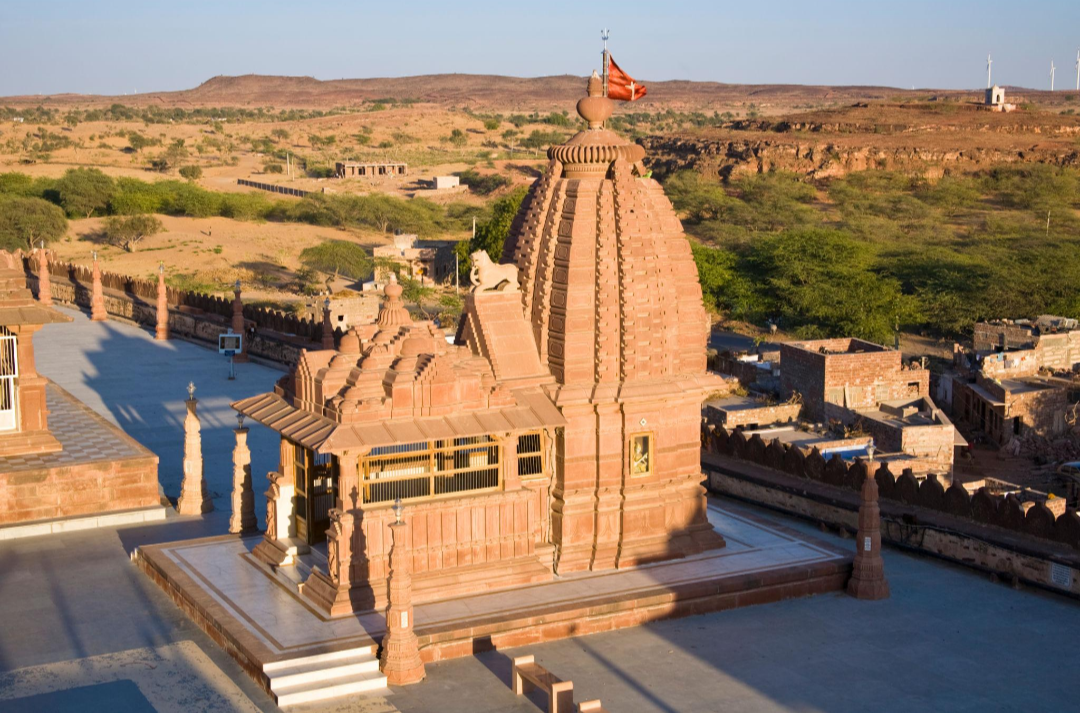
Each Rajput kul is traditionally associated with a kuldevi, a protective clan goddess. For the Parmar clan, this role is closely associated with Sachiya Mata (also spelled Sachchiya Mata), a form of the goddess Chamunda enshrined at the Sachiya Mata Temple in Osian, near Jodhpur. According to temple tradition, the site's connection to the Parmars dates to a Paramara king of Osian, Utpal Deva, whose line patronised the temple; the goddess remains venerated today as a clan deity by both Hindu and Jain communities connected to Osian's history.
8. Language
There is no single language specific to the Parmar community; language use follows regional settlement. In Rajasthan, Parmar/Panwar families historically spoke Marwari and related Rajasthani dialects; in the Sindh borderlands, the Sodha branch is associated with Dhatki, a Rajasthani language closely related to Marwari; in Madhya Pradesh and the Malwa region, Malvi and Hindi predominate; and in Maharashtra and Vidarbha, the Pawar and Bhoyar communities speak Marathi, with the Bhoyar community additionally noted for a distinct home dialect. Across all regions, Hindi and the state's official language now serve as the primary languages of education, administration, and daily public life.
9. Religion and Worship
The Parmar community is predominantly Hindu, with strong historical ties to Shaivism reflected in Raja Bhoja's patronage of Shiva temples such as the Bhojeshwar Temple, and to Shaktism through kuldevi worship, particularly of Chamunda/Sachiya Mata. The dynasty's inscriptions and later temple patronage also show periods of support for Jainism, and the Sachiya Mata temple at Osian remains today a shared site of Hindu and Jain devotion, reflecting the historically plural religious patronage of Paramara-era Malwa and Marwar.
Family and community religious life centres on temple worship, observance of major Hindu festivals such as Navratri (closely tied to kuldevi worship), Diwali, and Holi, and life-cycle rituals conducted according to Vedic Hindu rite, alongside continued reverence for ancestral deities and, in some Paramara-descended lines, historical patron shrines linked to the dynasty's temple-building legacy.
10. Culture, Customs, and Social Practices
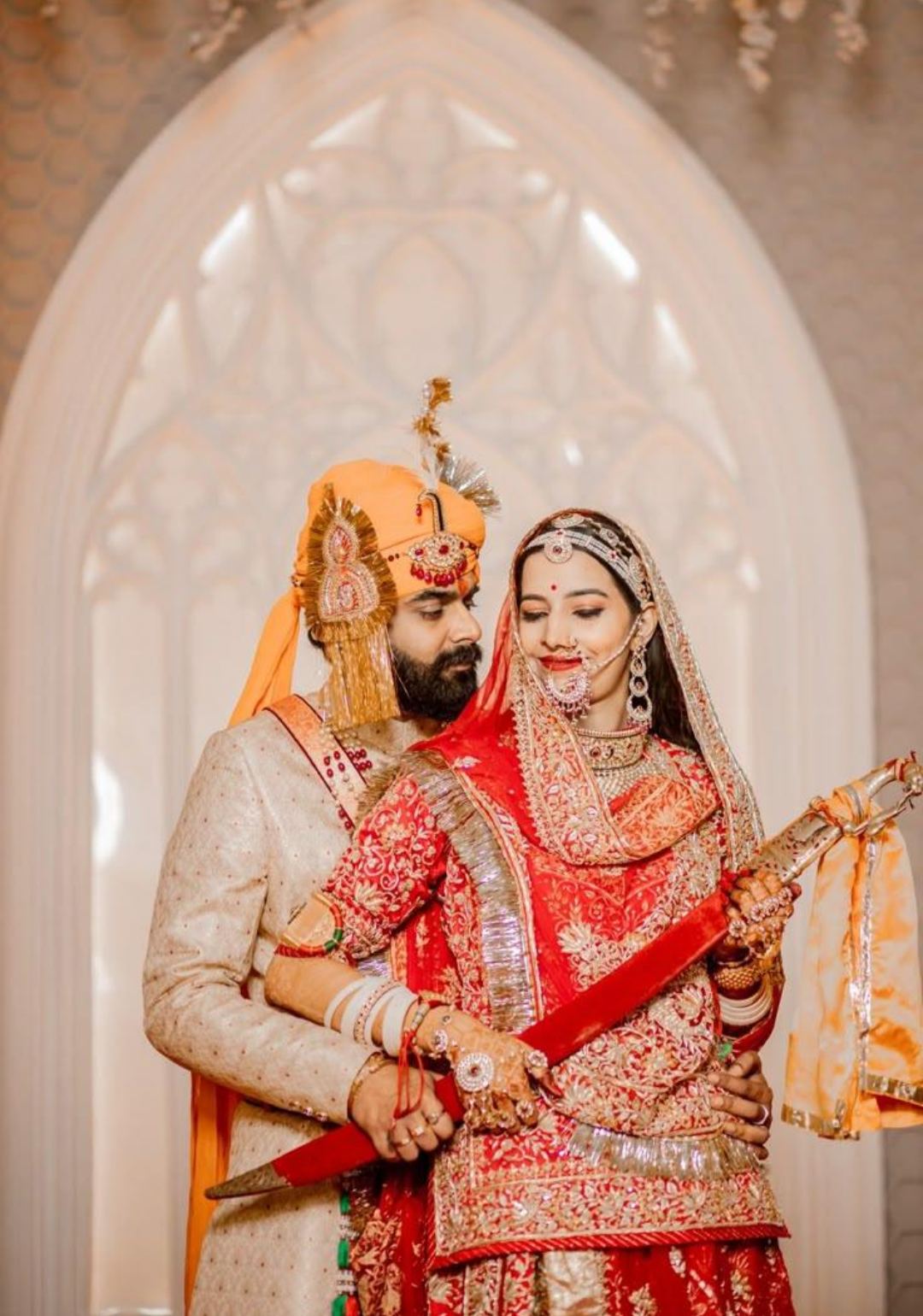
Parmar/Rajput social life places strong emphasis on kul maryada (clan honour and dignity), hospitality toward guests, and the maintenance of genealogical memory through oral and, increasingly, written family records. As with other Rajput communities, historical martial tradition, horsemanship, and swordsmanship occupy a prominent place in community memory and folk celebration, particularly around festivals and fairs associated with clan deities and historic forts.
Community gatherings tied to kuldevi temples, particularly during Navratri, remain an important occasion for extended family and clan reunions, echoing the broader Rajput practice of periodic lineage gatherings at ancestral shrines.
11. Marriage and Wedding Traditions
Parmar weddings generally follow the broader pattern of Rajput and North/Central Indian Hindu marriage custom, conducted with Vedic rites and typically spread across several days:
- Gotracharana — a formal recitation by the family priest of the full lineage (gotra) of both bride and groom, establishing ancestry and confirming the absence of close blood relation between the two families before the marriage proceeds.
- Invocation of the kuldevi — the family's clan goddess is invoked at the start of the ceremony, alongside prayers to Ganesh, reflecting the centrality of clan deity worship to Rajput marriage ritual.
- Phere / Saptapadi — the couple takes seven ceremonial steps around the sacred fire, each accompanied by a specific vow, in the presence of family and community witnesses.
- Kanyadaan — the formal giving away of the bride by her father, a central and solemn moment in the ceremony.
Wedding attire traditionally features a red or richly coloured bridal poshak (the traditional Rajasthani bridal dress) for the bride, and formal attire including a turban (safa or pagdi) for the groom, both elaborated with regional variation depending on whether the family's roots lie in Rajasthan, Gujarat, Madhya Pradesh, or Maharashtra.
12. Cuisine
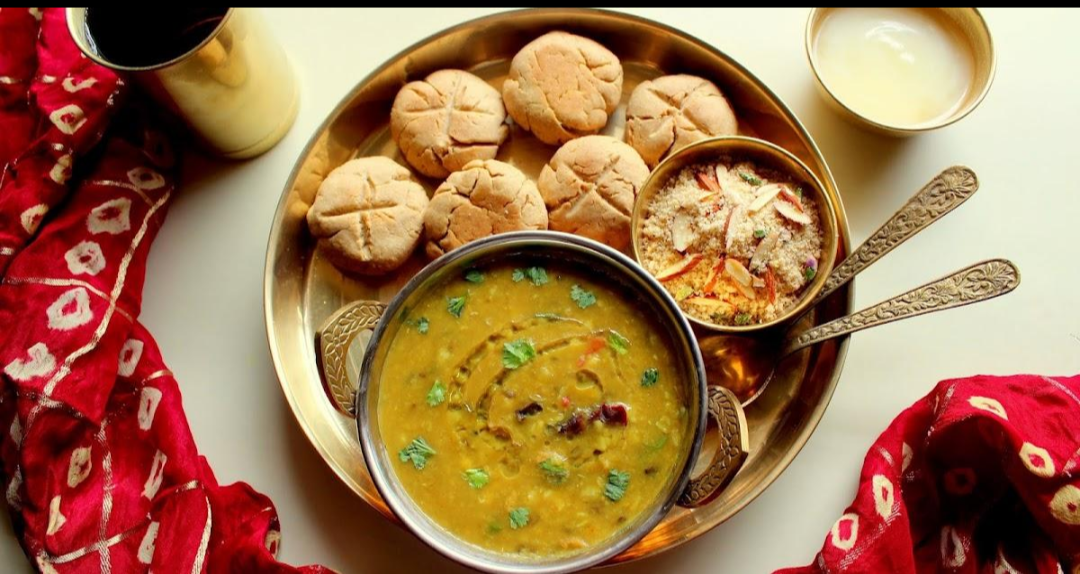
Parmar cuisine reflects the community's dispersed geography, drawing on the food traditions of Rajasthan, Malwa, and, for Marathi-speaking Pawar families, Maharashtra:
- Dal Baati Churma — the signature Rajasthani dish of baked wheat rolls (baati) served with spiced lentils (dal) and a sweet cracked-wheat preparation (churma), a staple at Rajput family and festive occasions.
- Malwa specialities — in the Dhar and Ujjain region, dishes such as bhutte ka kees (grated corn cooked with milk and spices) and dal bafla reflect the agrarian Malwa food tradition historically associated with Paramara territory.
- Gatte ki sabzi and ker sangri — gram-flour dumplings in a spiced yogurt gravy, and a dish of dried desert beans and berries, both characteristic of the semi-arid Rajasthani kitchen from which many Parmar/Panwar families trace their roots.
- Marathi Pawar households — in Maharashtra and Vidarbha, cuisine follows the wider Marathi and Varhadi culinary tradition, with dishes built around jowar and bajra flatbreads, groundnut- and sesame-based spice pastes, and seasonal vegetable preparations.
Across regions, festive and ceremonial meals mark occasions such as weddings, Navratri, and Diwali, typically featuring rich, ghee-based sweets alongside the everyday staples of the family's home region.
13. Traditional Dress and Ornaments
- Poshak — the traditional Rajasthani woman's ensemble of a fitted blouse (kanchli or kurti), flared skirt (ghagra), and a long veil (odhni), richly embroidered and worn in bright colours for festive occasions.
- Safa / Pagdi — the distinctive Rajasthani turban worn by men, with colour, style, and tying method traditionally signalling region, occasion, and status within the community.
- Jewellery — gold and silver ornaments including borla (a forehead pendant), bangles, and heavy neck ornaments remain part of traditional bridal and festive dress, particularly among Rajasthani and Malwa Parmar families.
- Nauvari sari — among Marathi-speaking Pawar families in Maharashtra, the traditional nine-yard sari historically worn by Maratha women reflects the community's regional dress heritage.
Contemporary daily dress across all regions has largely converged with mainstream Indian fashion, with traditional poshak, safa, and nauvari attire reserved chiefly for weddings and major festivals.
14. Architecture and Historic Sites
The Paramara era left a substantial architectural legacy across Malwa and Rajasthan. The Bhojeshwar Temple near Bhopal, commissioned by Raja Bhoja, remains renowned for its massive monolithic Shivalinga and ambitious, if unfinished, design. Dhar itself preserves remains of the Bhoj Shala, Bhoja's centre of Sanskrit learning, alongside later fortifications from the Maratha Pawar period. The nearby fortress city of Mandu, though most associated with the later Malwa Sultanate, sits within the broader historical territory once ruled by the Paramaras.
In Rajasthan, the Sachiya Mata Temple complex at Osian, with its distinctive carved architraves and multiple shrines dating from the Gurjara-Pratihara and Paramara periods, remains a major site of clan-deity worship. In Sindh, the Amarkot (Umarkot) Fort, built in Rajput architectural style and long the seat of the Sodha Parmar rulers, is preserved today chiefly as the birthplace of the Mughal emperor Akbar.
15. Folklore and Legends
Beyond the Agnikula creation legend recounted in Section 2, the figure of Raja Bhoja looms largest in Parmar-associated folklore. Bhoja is remembered across North and Central Indian oral tradition not only as a historical king but as a folk archetype of the wise, generous, and learned monarch, appearing in numerous popular legends, proverbs, and the Bhoj-Prabandha, a later collection of semi-legendary anecdotes about his reign, wit, and patronage of scholars. His name remains proverbial in Hindi and regional folk speech as shorthand for ideal, enlightened kingship, and numerous places across Madhya Pradesh, including Bhopal's Bhojpur and the Bhoj Wetland, carry his name in popular memory.
16. Notable Historical Figures
16.1 Rulers of the Paramara Dynasty of Malwa
- Raja Bhoja (r. c. 1010–1055 CE) — the dynasty's most celebrated ruler; scholar, temple-builder, and patron of Sanskrit learning, remembered as one of the great polymath-kings of pre-modern India.
- Vakpati Munja (r. c. 972–990s CE) — general and poet-king who established Dhara as the Paramara capital and gathered a renowned court of scholars.
- Udayaditya (r. c. 1059–1086 CE) — successor of Bhoja who restored a measure of stability to the kingdom after renewed invasions and repaired the Mahakaleshwar temple at Ujjain.
16.2 The Sodha Rana Line of Amarkot
- Rana Prasad (Rana Parshad Rao) of Amarkot — the Sodha Rajput ruler who sheltered the fugitive Mughal emperor Humayun and his wife Hamida Banu Begum in 1542; their son, the future emperor Akbar, was born at Amarkot Fort under Rana Prasad's protection, an episode still remembered as an early example of interfaith hospitality in the region's history.
16.3 The Puar (Pawar) Rulers of Dhar and Dewas
- Udaji Rao Pawar — Maratha general and founder of Dhar State in 1729, whose family traced its descent from the medieval Paramaras of Malwa.
- Yashwant Rao Pawar — Dhar-state Maratha commander noted for his role in the Maratha campaigns leading up to the Third Battle of Panipat (1761).
- Tukoji Rao and Jivaji Rao Puar — the two Maratha brothers who founded, respectively, Dewas Senior and Dewas Junior states in 1728 after advancing into Malwa with Peshwa Baji Rao I.
17. Contemporary Distribution
Communities carrying the Parmar, Panwar, or Pawar name remain concentrated in Rajasthan, Gujarat, Madhya Pradesh, and Maharashtra, with further populations across Punjab, Haryana, Uttarakhand, Himachal Pradesh, Uttar Pradesh, Bihar, and Jharkhand, and the historic Sodha branch continuing in Sindh, Pakistan. As with most North and Central Indian communities, recent decades have seen growing overseas settlement through education, professional migration, and business, with Parmar/Pawar families present today in the Gulf states, North America, the United Kingdom, and other established centres of the wider Indian diaspora, alongside continued strong roots in their historic home regions.
18. Conclusion
The Parmar story is, at its core, a story of remarkable continuity across a millennium of Indian history: from a clan legend of fire-born origin at Mount Abu, through the scholarly and architectural golden age of Raja Bhoja's Malwa, to the Sodha Ranas who sheltered a future Mughal emperor, and finally to the Maratha Puar princely houses of Dhar and Dewas, who carried the Paramara name back into the very region their medieval ancestors had once ruled. From the unfinished grandeur of the Bhojeshwar Temple to the carved sanctums of Osian's Sachiya Mata temple, and from the proverbial wisdom attributed to Raja Bhoja in popular memory to the family genealogies still recited at weddings today, the Parmar/Panwar/Pawar community's history is at once a dynastic chronicle, a living cultural tradition, and a case study in how a single medieval clan identity has persisted, and diversified, across the length of the Indian subcontinent.
References
- [1]5. GKToday. “Parmaras of Malwa.” https://www.gktoday.in/parmaras-of-malwa/
- [2]6. LotusArise IAS. “Paramaras: Polity and Administration.” https://lotusarise.com/paramaras-polity-and-administration-upsc/
- [3]7. District Dhar, Government of Madhya Pradesh. “History.” https://dhar.nic.in/en/history/
- [4]8. Wikipedia. “Sodha.” https://en.wikipedia.org/wiki/Sodha
- [5]9. Wikipedia. “Kingdom of Amarkot.” https://en.wikipedia.org/wiki/Kingdom_of_Amarkot
- [6]24. eSamskriti. “Sachiya Mata Temple Osian.” https://www.esamskriti.com/a/Rajasthan/Sachiya-Mata-Temple-Osian.aspx