

Maratha Community
Explore the Maratha community of Maharashtra: warrior-cultivator origins in the Deccan, Shivaji and the Maratha Empire, the 96 Kuli clans, cuisine, dress, diaspora, and genetic ancestry.
THE MARATHA COMMUNITY OF INDIA
Geography, History, Culture, and Ancestry of the People of the Deccan
Introduction: Who Are the Marathas?
The Marathas are a large community of the western Deccan plateau, rooted in the present-day state of Maharashtra and historically known as cultivators, landholders, and soldiers. The word "Maratha" is used in two overlapping senses. In the broad, older sense it can refer to the Marathi-speaking people of the region as a whole. In the narrower and more common modern sense it refers to a specific caste cluster, the Maratha and closely related Kunbi (cultivator) groups, who together form the single largest social bloc in Maharashtra. This profile focuses on the Maratha community in that second sense, while recognising that its history is woven into the story of the wider Marathi-speaking region.
The community is best known nationally for its association with Chhatrapati Shivaji Maharaj, who founded an independent Maratha state in the seventeenth century, and for the Maratha Empire that followed, which at its height in the eighteenth century exerted power across much of the Indian subcontinent. Today, Marathas are farmers, soldiers, politicians, cooperative-sector leaders, professionals, and entrepreneurs, and they remain central to the political and social life of Maharashtra. This profile draws on historical, ethnographic, and community sources, and it notes clearly where accounts differ or where research is still thin.
Etymology of the Name "Maratha"
The name is generally linked to the regional name Maharashtra, often explained as "great country" or "great realm." Early inscriptions and texts refer to the region and its people with related forms such as Maharashtri (the name of a Prakrit language) and Marhatta. Over centuries the term moved from describing a region and its language to describing a people, and eventually, from roughly the sixteenth and seventeenth centuries, to denoting a distinct martial-agrarian community whose leading families served the Deccan Sultanates and later formed the core of Shivaji's state. Some scholars connect the word with older terms such as "Rathika" or "Rashtrika" found in ancient inscriptions, but this derivation remains debated.
Geography: The Land of the Marathas
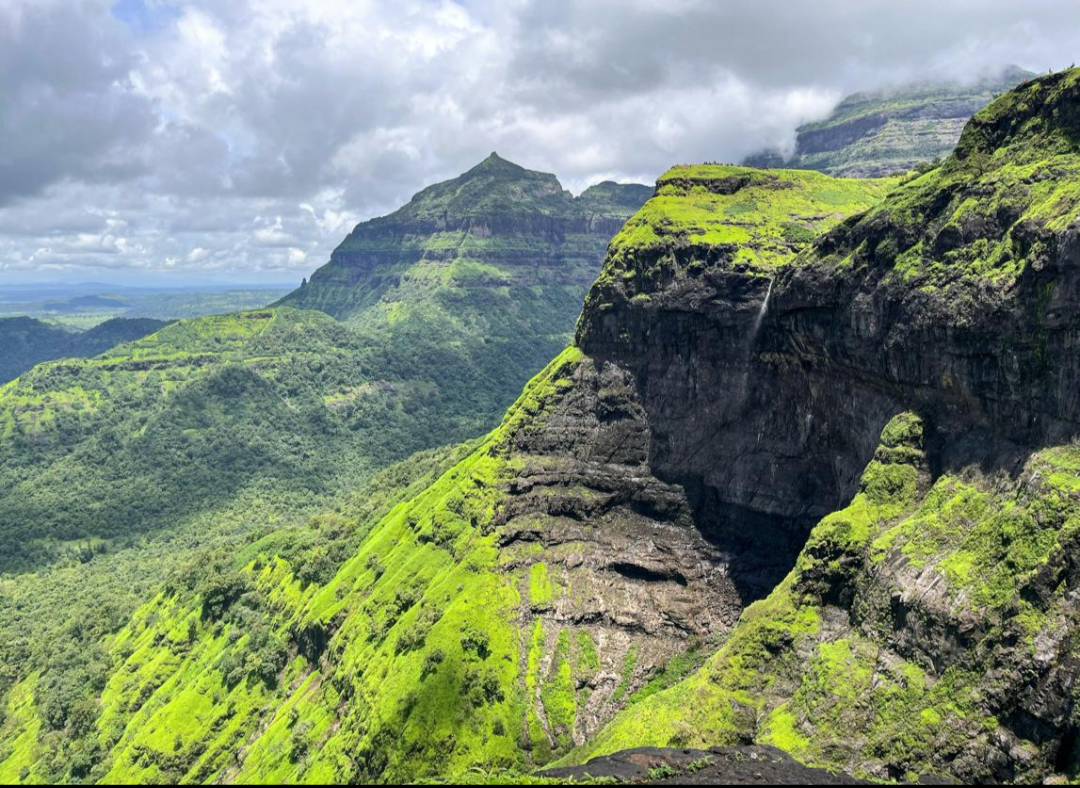
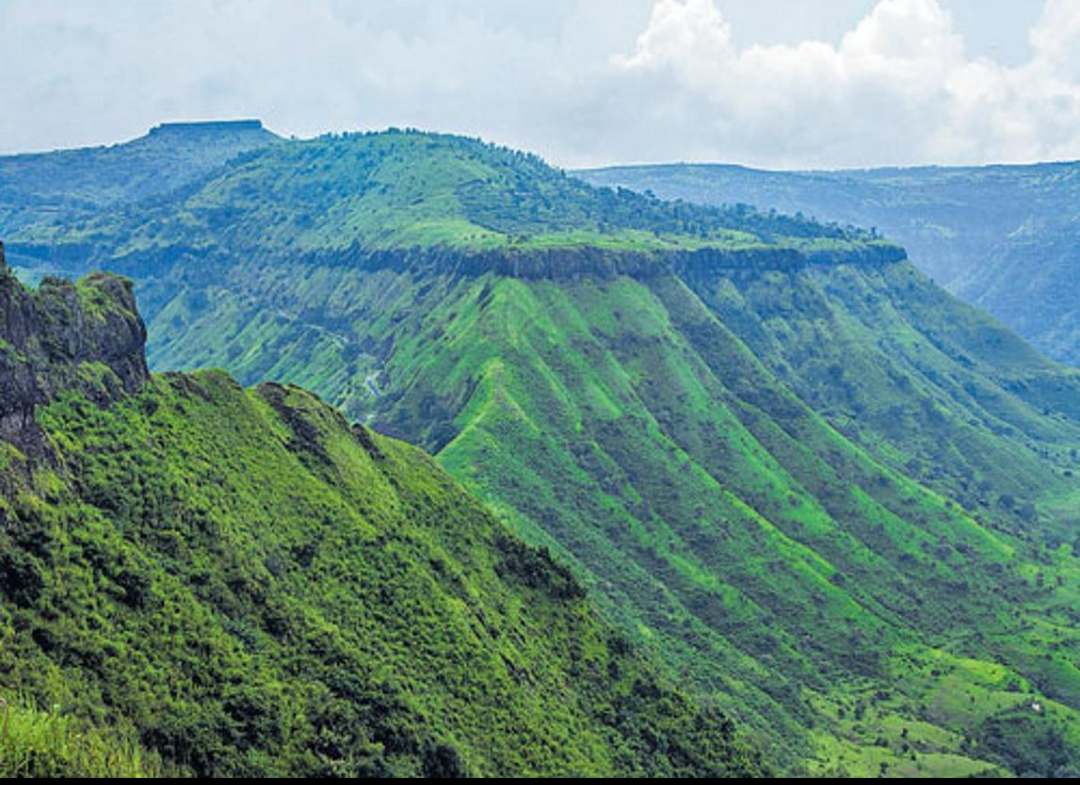
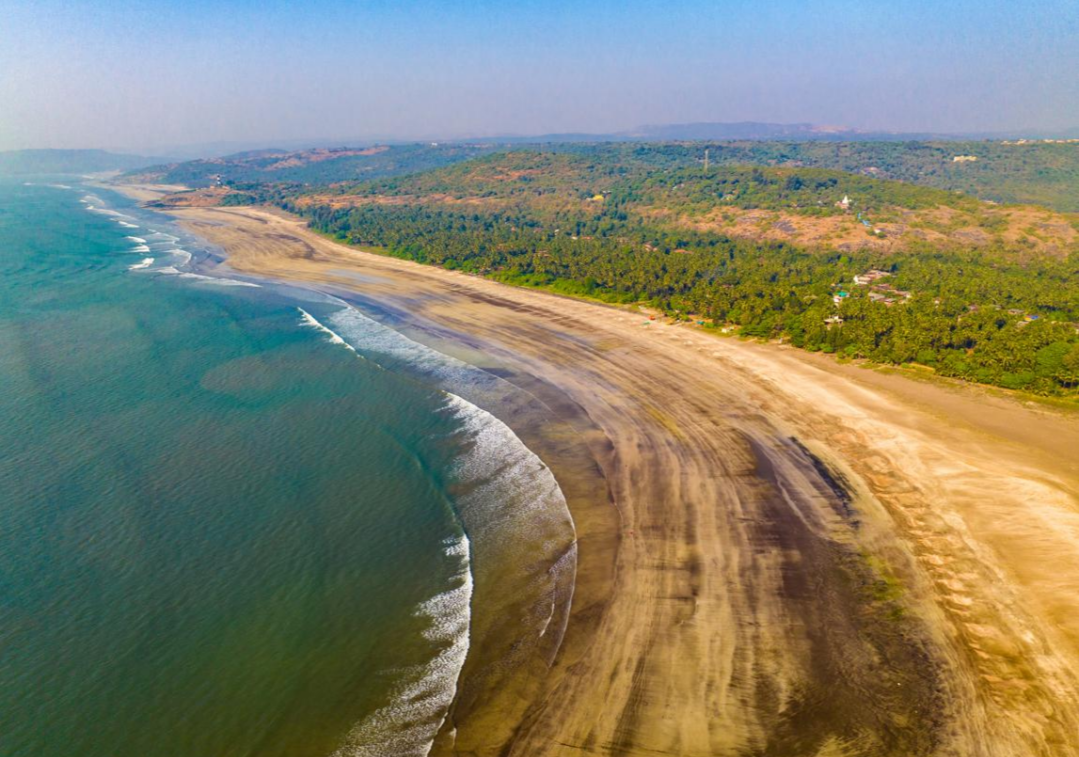
The Maratha homeland is the western Deccan, a landscape defined by three broad zones. Along the west lies the Konkan, a narrow, rain-soaked coastal strip between the Arabian Sea and the mountains. Rising sharply behind it are the Sahyadri ranges (Western Ghats), whose hill forts gave the Maratha state its military backbone. East of the Ghats stretches the Desh, the drier black-soil plateau of the Deccan, drained by the Godavari, Bhima, and Krishna river systems, where most Maratha agrarian life has historically been centred.
Within Maharashtra, Marathas are found in every district, but they are especially numerous in western Maharashtra (Pune, Satara, Sangli, Kolhapur, Solapur, Ahmednagar), in Marathwada (Aurangabad/Chhatrapati Sambhajinagar, Beed, Latur, Osmanabad/Dharashiv, Nanded), and in the Konkan districts. Significant Maratha populations also live in neighbouring northern Karnataka (especially Belagavi and Bidar), Goa, and parts of Telangana and Madhya Pradesh, often as a legacy of Maratha political expansion.
Origins and Early History
The origins of the Maratha community are debated, and several explanations circulate. The most widely accepted scholarly view is that the Marathas emerged largely from the Kunbi cultivator population of the Deccan. Over the medieval period, families who gained land, military rank, and service under regional rulers rose in status and came to identify as Maratha, a process historians describe as gradual social mobility rather than descent from a single source. This is why the boundary between Maratha and Kunbi has long been fluid, and why many families recorded as Kunbi in one generation appear as Maratha in another.
Many elite Maratha families, by contrast, trace their descent to Rajput clans of northern India, claiming that their ancestors migrated south in the medieval period. The Bhosale family of Shivaji, for instance, claimed descent from the Sisodia Rajputs of Mewar. Historians generally treat such genealogies as claims that helped legitimise royal and Kshatriya status in the seventeenth and eighteenth centuries, rather than as established fact, though some limited northern migration cannot be ruled out.
The region itself has a deep history. It was ruled by the Satavahanas (c. 2nd century BCE to 2nd century CE), the Vakatakas, the Chalukyas, the Rashtrakutas, and the Yadavas of Devagiri, whose kingdom fell to the Delhi Sultanate around 1318. Under the Bahmani Sultanate and its successors, the Deccan Sultanates of Ahmadnagar, Bijapur, and Golconda, Maratha families served as soldiers, revenue officers, and hereditary landholders (deshmukhs and patils), gaining the military experience and local power that later made the Maratha state possible.
The Maratha Empire
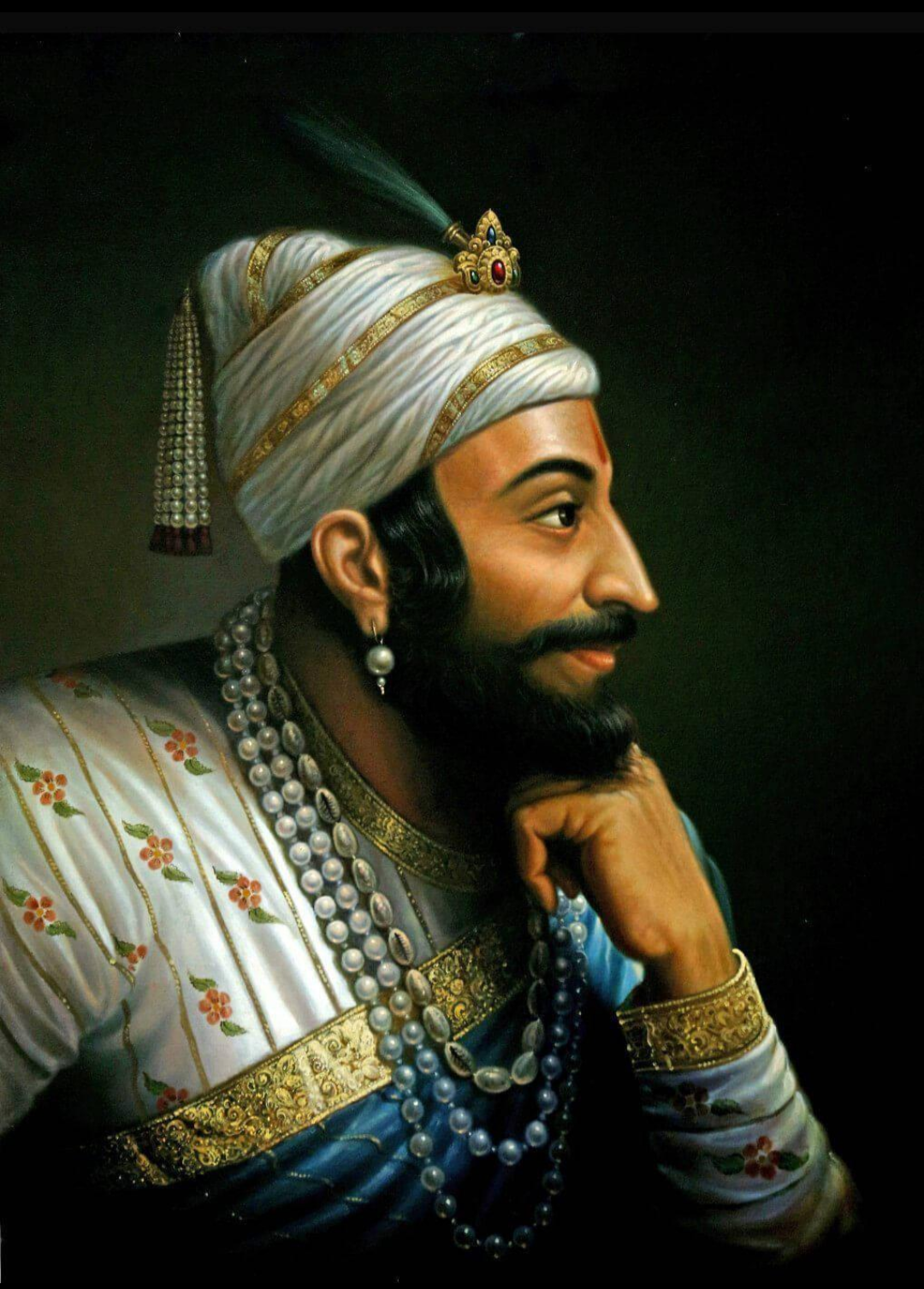
Shivaji Bhosale (1630–1680) built an independent state in the Sahyadri hills through a combination of fort-based warfare, mobile cavalry, and careful administration. He was crowned Chhatrapati at Raigad in 1674. After his death, his son Sambhaji resisted the Mughal emperor Aurangzeb until his capture and execution in 1689, and the Maratha struggle continued under Rajaram and the regent Tarabai until Aurangzeb's death in 1707.
In the eighteenth century, real power passed increasingly to the Peshwas, the chief ministers based in Pune, and Maratha armies expanded north and east. Maratha chiefs established major houses that later became princely states, including the Scindias (Shinde) of Gwalior, the Gaekwads of Baroda, and the Bhonsles of Nagpur, alongside the Holkars of Indore, who belonged to the Dhangar community but were part of the wider Maratha confederacy. The Maratha advance suffered a severe defeat at the Third Battle of Panipat in 1761 against Ahmad Shah Abdali, and the confederacy was finally broken by the British in the Anglo-Maratha Wars, ending in 1818.
Under colonial rule, Marathas became prominent in the Indian Army through regiments such as the Maratha Light Infantry, one of the oldest regiments of the Indian Army. In the late nineteenth and twentieth centuries, the non-Brahmin movement, associated with Jyotirao Phule's Satyashodhak Samaj and the reforms of Shahu Maharaj of Kolhapur, shaped Maratha social and political consciousness.
Clans and Social Structure: The 96 Kuli
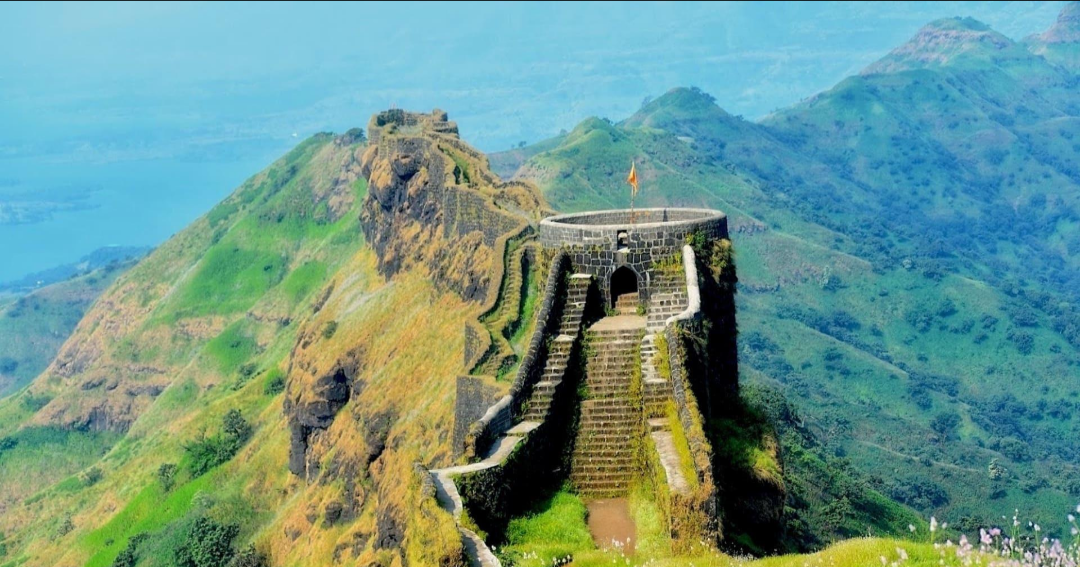
A distinctive feature of Maratha identity is the idea of the "96 Kuli" (Shahannav Kuli), a list of ninety-six aristocratic clans considered the core of the community. Different lists of the 96 circulate, and they do not fully agree with one another, so the number is better understood as a traditional ideal than as a fixed register. Commonly cited clan names include Bhosale, Jadhav, More, Shinde, Pawar, Gaikwad, Chavan, Salunkhe, Shirke, Kadam, Jagtap, Mane, Ghorpade, Nimbalkar, Dabhade, Deshmukh, Jagdale, and Patil (the last two also being titles of office).
Each clan (kul) traditionally has a devak, a clan emblem such as a tree, plant, or object, which is worshipped at weddings. People sharing the same devak or clan usually do not marry, while marriages are arranged between different clans of similar standing. Many clans also maintain a kuldaivat (family deity) and a traditional ancestral village. In practice, the line between "96 Kuli" Marathas and the wider Maratha-Kunbi population has historically been negotiated through marriage, wealth, and status, and it has softened considerably in recent generations.
| Term | Meaning |
|---|---|
| Kul | Clan or lineage, identified by a surname |
| Devak | Clan totem or emblem honoured at weddings; same-devak marriage is avoided |
| Kuldaivat | Family deity, often Khandoba, Tulja Bhavani, Bhairoba, or Jyotiba |
| Deshmukh / Patil | Hereditary regional and village headship titles, now common surnames |
| 96 Kuli | Traditional list of ninety-six leading Maratha clans |
Population and Distribution
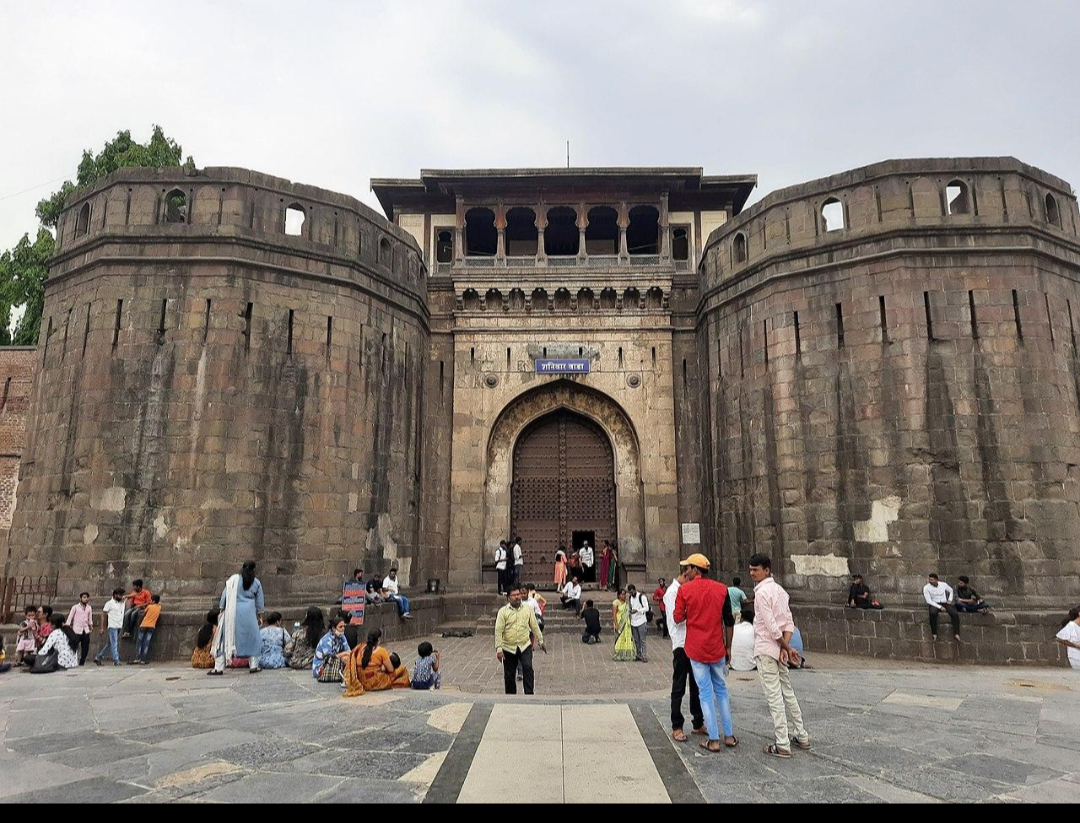
India has not counted caste in its general census since 1931 (apart from Scheduled Castes and Tribes), so all modern Maratha population figures are estimates. Most sources place Marathas, together with Kunbis, at roughly 28 to 33 percent of Maharashtra's population, which would mean somewhere in the range of 3 to 4 crore people within Maharashtra alone. A 2024 survey by the Maharashtra State Backward Class Commission estimated the Maratha share at about 28 percent. Figures differ depending on whether Kunbis are counted with Marathas, which is itself a contested political question.
In recent decades, the demand for reservation in education and government jobs has been one of the community's most significant political issues. Maharashtra passed laws granting Maratha reservation in 2018 and again in 2024, and the question of recognising Marathas as Kunbis for reservation purposes has been the subject of major agitations. Because this is an evolving legal and political matter, readers should consult current sources for the latest position.
Language
Marathas speak Marathi, an Indo-Aryan language descended from Maharashtri Prakrit and written in the Devanagari script (historically also in the Modi script, used for administration in the Maratha state). Marathi has a rich literary tradition stretching back to the thirteenth century, including the Dnyaneshwari of Sant Dnyaneshwar. Regional dialects matter: Desh Marathas speak the standard Pune-area variety, while Konkan Marathas often speak Malvani or other Konkani-influenced dialects, and families in Marathwada, Vidarbha, and northern Karnataka carry their own local speech patterns.
Religion and Belief
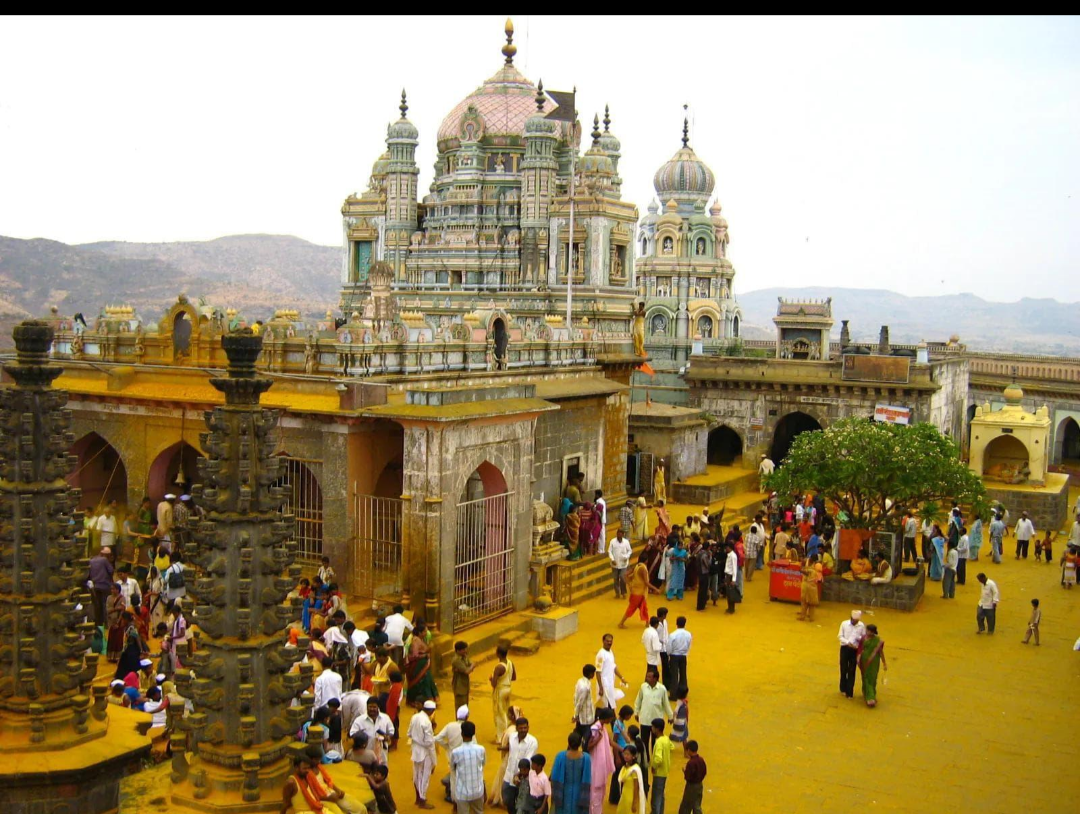
Marathas are overwhelmingly Hindu. Devotional (bhakti) traditions are central, above all the Varkari tradition centred on Lord Vitthal (Vithoba) of Pandharpur, whose annual wari pilgrimage on foot draws hundreds of thousands of people. The saint-poets Dnyaneshwar, Namdev, Eknath, and Tukaram are deeply loved. Among the most important deities for Maratha families are Khandoba of Jejuri, the warrior-god whose worshippers shower turmeric (bhandara); Tulja Bhavani of Tuljapur, the family goddess of the Bhosales; Jyotiba of Kolhapur; and Ambabai (Mahalakshmi) of Kolhapur.
Small numbers of people of Maratha background are Buddhist, Christian, or Muslim. Some Christian families along the Konkan and around Mumbai and Goa trace descent from Maratha or Kunbi forebears, though records of such conversions are usually family-level rather than documented in detail.
Festivals, Customs, and Family Life
Festival life follows the Marathi calendar. Gudi Padwa, the Marathi New Year, is marked by raising a gudi, a pole topped with an upturned pot and silk cloth, outside the home. Ganeshotsav, popularised as a public festival by Bal Gangadhar Tilak in the 1890s, is the region's biggest celebration. Shiv Jayanti, honouring Shivaji's birth, is a source of particular community pride. Other important occasions include Dasara (when weapons and tools are worshipped), Diwali, Makar Sankranti with the exchange of til-gul and the words "tilgul ghya, goad goad bola," and Pola, when farmers honour their bullocks.
A traditional Maratha wedding includes the devak ceremony honouring the clan emblem, haldi (turmeric application), the antarpat (a cloth held between bride and groom until the auspicious moment), mangalashtak verses, and the exchange of garlands. Married women traditionally wear the mangalsutra and green glass bangles. Family life has historically been organised around the joint family, the ancestral village, and land, and many urban Maratha families still return to their village for festivals and the worship of the kuldaivat.
Small Cultural Things
- "Jay Bhavani, Jay Shivaji": the traditional war cry, still heard at rallies, celebrations, and sporting events.
- The Bhagwa: the saffron flag associated with Shivaji, a powerful community symbol.
- Pheta: a tied turban worn at weddings and festivals; the Kolhapuri pheta is especially famous.
- Powada: heroic ballads sung by shahirs recounting Maratha deeds, such as the slaying of Afzal Khan.
- Lavani and Tamasha: energetic folk performance traditions of rural Maharashtra.
- Mardani Khel: traditional martial arts with sword, lathi, and dandpatta, kept alive in Kolhapur.
- Kusti: traditional wrestling in red-earth pits (akhadas), especially strong in western Maharashtra.
- Fort visits: trekking to Shivaji-era forts such as Raigad, Rajgad, Sinhagad, and Pratapgad is a beloved pastime and a form of heritage pilgrimage.
Cuisine
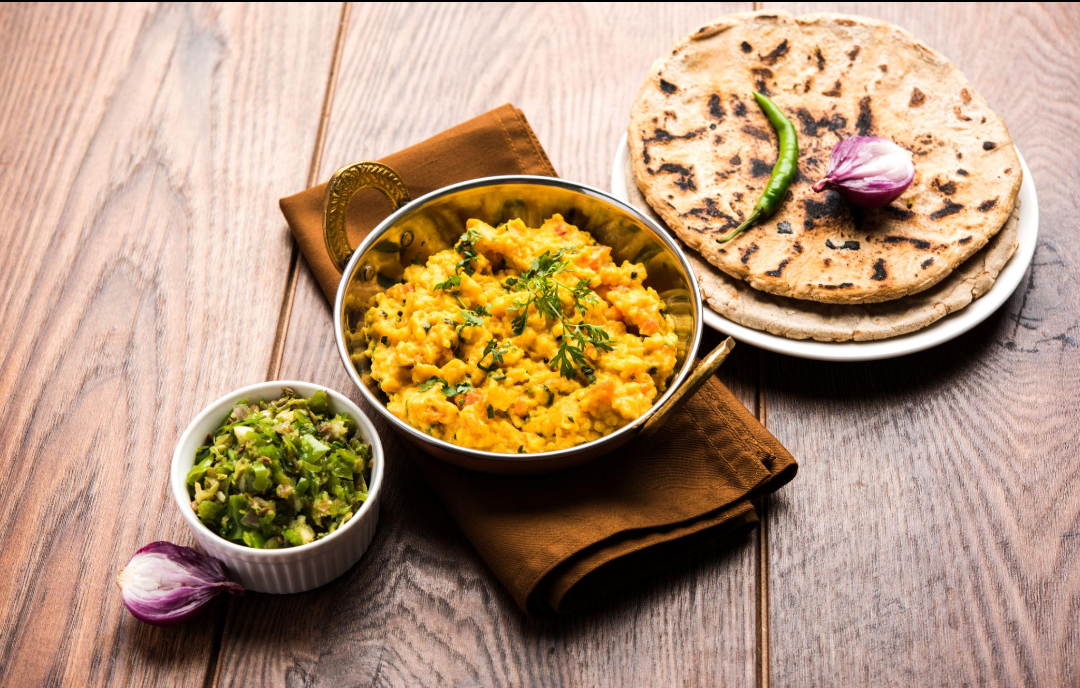
Maratha food follows the landscape. On the Desh plateau, meals are built around jowar and bajra bhakri (flatbreads), lentils, and spicy chutneys; in the Konkan, rice, coconut, kokum, and fish dominate. Maratha households are generally non-vegetarian, with mutton and chicken especially valued on Sundays and festive days, though many families avoid meat on certain days of the week or during Shravan. The food tends to be robust and fiery, flavoured with distinctive spice blends such as kanda-lasun masala and goda masala.
- Kolhapuri Mutton (Tambda and Pandhra Rassa): fiery red and creamy white mutton curries, the pride of Kolhapur.
- Bhakri with Thecha or Pithla: millet flatbread with crushed green-chilli chutney or a gram-flour curry, the classic farmer's meal.
- Misal Pav: a spicy sprouted-lentil curry topped with farsan, eaten with bread.
- Zunka: a dry gram-flour preparation often eaten with bhakri.
- Malvani Fish Curry and Sol Kadhi: coastal Konkan staples made with coconut and kokum.
- Puran Poli: sweet flatbread filled with chana dal and jaggery, made on Holi, Gudi Padwa, and other festivals.
- Modak: steamed rice-flour dumplings with coconut and jaggery, offered to Ganesha.
- Shrikhand and Basundi: rich milk-based sweets served at celebrations.
Dress and Attire
Traditional Maratha women's dress is the nauvari, a nine-yard sari draped in a style resembling trousers, which allowed ease of movement and is associated with Maratha women warriors. The Paithani sari, woven in silk with peacock and lotus motifs from Paithan and Yeola, is a prized heirloom often worn by brides. Jewellery includes the nath (a large, curved nose ring), the thushi (a close-fitting gold necklace), the kolhapuri saaj, and green glass bangles.
Men traditionally wear a dhoti or the pyjama-style surwar with a kurta or a bandi (short jacket), topped with the pheta turban or the white Gandhi cap common among rural elders. Kolhapuri chappals, handmade leather sandals, are recognised with a Geographical Indication tag and are worn across India. On festive occasions today, the nauvari sari and pheta are proudly worn by younger Marathas as a statement of heritage.
Physical Appearance
There is no single "Maratha look," and physical traits vary widely, as they do in every large Indian community. Broadly, Marathas share the appearance typical of the western Deccan: skin tones ranging from wheatish to dark brown, dark hair and eyes, and medium build. Many families with a long tradition of farming, soldiering, and wrestling take pride in a sturdy physique, though this reflects lifestyle and culture rather than any fixed biological type. Appearance is a poor guide to ancestry; genetics offers a more reliable picture.
Occupations and Economic Life
Historically, Marathas were cultivators, soldiers, and hereditary village and regional officers. Military service remains a strong tradition, and Maharashtra continues to contribute large numbers of soldiers to the armed forces. In the twentieth century, Marathas led the cooperative movement in western Maharashtra, building sugar factories, cooperative banks, dairies, and educational institutions that transformed the rural economy. Prominent education societies, such as the Rayat Shikshan Sanstha, expanded schooling to rural communities.
Today, Marathas work in agriculture, politics, government service, the armed forces and police, education, law, medicine, engineering, IT, real estate, and business. At the same time, agrarian distress, fragmented landholdings, and drought in regions like Marathwada have left many Maratha farming households economically vulnerable, which is part of the background to the recent reservation movement.
Diaspora
The Maratha diaspora began with the empire itself. When Shivaji's half-brother Venkoji (Ekoji) established Maratha rule in Thanjavur in 1674, Maratha families settled in Tamil Nadu, and their descendants, the Thanjavur Marathas, still speak a Marathi dialect influenced by Tamil. Eighteenth-century expansion created Maratha communities in Gwalior, Indore, Baroda (Vadodara), Nagpur, Dhar, Dewas, Jhansi, and parts of Karnataka and Andhra Pradesh, many of which remain today.
In the colonial era, some Marathi-speaking labourers travelled as indentured workers to Mauritius, where a Marathi-speaking community continues to maintain its language and festivals. In modern times, Marathas have migrated to Mumbai, Pune, Bengaluru, Hyderabad, and Delhi, and abroad to the United States, United Kingdom, Canada, Australia, Germany, and the Gulf countries, where Marathi mandals (associations) celebrate Ganeshotsav and Shiv Jayanti.
Genetic Ancestry of the Marathas
For many Indians, three questions dominate any discussion of ancestry: how much of their heritage comes from the Ancient Ancestral South Indians (AASI), the Indus-related farmers, and the Steppe pastoralists; which paternal (Y-DNA) and maternal (mtDNA) haplogroups run in their community; and which neighbouring communities they are closest to. For the Marathas, as for most Indian communities, these questions have not yet been answered in community-specific detail by published research. What follows is a summary of what can reasonably be said from regional studies, and of what still needs to be discovered.
AASI, Indus Farmer, and Steppe Ancestry
Large studies of South Asian genomes, including Narasimhan et al. (2019) and Reich and colleagues' earlier work on "Ancestral North Indian" (ANI) and "Ancestral South Indian" (ASI) components, show that nearly every Indian group is a mix of three deep ancestral streams: AASI, an indigenous hunter-gatherer ancestry; Indus Periphery-related ancestry, linked to the people of the Indus Valley Civilisation, themselves a mix of Iranian-related farmers and AASI; and Steppe ancestry, which entered South Asia in the second millennium BCE and is associated with the spread of Indo-European languages.
Maharashtra sits geographically and genetically between northern and southern India, and its populations generally show intermediate profiles. Non-Brahmin agricultural and martial communities of the Deccan, such as the Marathas, are expected to carry substantial Indus-related ancestry, significant AASI ancestry, and a smaller but meaningful Steppe component, typically lower than in north Indian upper castes and higher than in most south Indian and tribal groups. However, precise Maratha-specific percentages have not been published from a robust, representative sample, and individual results can vary considerably by region (Desh, Konkan, Marathwada) and family history.
| Ancestral component | Who they were | Expected pattern in Marathas (indicative) |
|---|---|---|
| AASI | Indigenous South Asian hunter-gatherers | Substantial; higher than in NW Indian groups |
| Indus-related (Iranian farmer-linked) | Indus Valley-associated population | Likely the largest component |
| Steppe | Bronze Age pastoralists from Central Asia | Present but modest; varies by family and region |
Y-DNA Haplogroups (Paternal Lineages)
Studies of Maharashtrian populations broadly report a mix of paternal lineages common across India. Haplogroups frequently found in the region include R1a (associated in part with Steppe-linked ancestry), L1a (a lineage strongly represented in western and south-western India and often linked to Indus-related ancestry), H (an ancient South Asian lineage), J2, and R2. Which of these dominate among Maratha men specifically, and whether particular clans share lineages, has not been studied in depth. Because Maratha clans are patrilineal and surname-based, Y-DNA testing could one day show whether men sharing a surname such as Jadhav, Shinde, or Pawar also share paternal ancestry.
mtDNA Haplogroups (Maternal Lineages)
Maternal lineages across India are dominated by deep, indigenous South Asian branches of macro-haplogroup M (such as M2, M3, M5, and M30) and branches of R and U (such as R5, R30, and U2). Maharashtrian populations broadly follow this pan-Indian pattern, with a high share of lineages that have been present in the subcontinent for tens of thousands of years. Maratha-specific frequencies are not yet established.
Closest Communities and Genetic Relatedness
Based on geography, history, and marriage patterns, the Marathas are expected to be genetically closest to the Kunbis, with whom the boundary is historically fluid, and to other agricultural and martial communities of the Deccan such as Malis, Dhangars, and Agris, as well as to neighbouring populations of northern Karnataka and Telangana. Whether Maratha clans that claim Rajput descent show any distinctive affinity to north-western Indian populations is an open and interesting question that community-scale testing could help answer.
For Christian, Muslim, and Buddhist families who believe their ancestors were Maratha or Kunbi, genetic comparison with Maratha testers can offer a new line of evidence about which community their forebears came from, complementing family records and oral history.
Notable Figures
A selection of historical and modern figures widely identified with the Maratha community:
- Chhatrapati Shivaji Maharaj (1630–1680): founder of the Maratha state and one of India's most celebrated rulers.
- Chhatrapati Sambhaji Maharaj (1657–1689): Shivaji's son and successor, remembered for his resistance against Aurangzeb.
- Maharani Tarabai (1675–1761): regent who led Maratha resistance against the Mughals after Rajaram's death.
- Mahadji Shinde (Scindia) (1730–1794): Maratha general who restored Maratha power in north India after Panipat.
- Shahu Maharaj of Kolhapur (1874–1922): social reformer who introduced reservations for backward classes in his state in 1902.
- Sayajirao Gaekwad III (1863–1939): progressive Maharaja of Baroda, known for education and social reform.
- Yashwantrao Chavan (1913–1984): first Chief Minister of Maharashtra and later Deputy Prime Minister of India.
- Khashaba Dadasaheb Jadhav (1926–1984): wrestler who won independent India's first individual Olympic medal, bronze at Helsinki 1952.
- Sharad Pawar (born 1940): veteran politician, former Chief Minister of Maharashtra and Union Minister.
- Vilasrao Deshmukh (1945–2012): two-time Chief Minister of Maharashtra and Union Minister.
Conclusion
The Maratha story is one of land, faith, and resilience. Rooted in the black soil of the Deccan and the forts of the Sahyadris, the community grew from cultivator families into the founders of an empire, and it remains at the heart of Maharashtra's politics, culture, and countryside. Its identity is carried in clan names and devaks, in the wari to Pandharpur, in bhakri and Kolhapuri rassa, in the nauvari sari and the pheta, and in the enduring memory of Shivaji. What remains least understood is the community's deep genetic history. With enough Maratha testers, that missing chapter can finally be written.
Frequently Asked Questions
Q. Are Marathas and Marathi people the same?
Not exactly. "Marathi people" refers to everyone whose mother tongue is Marathi, across many castes and communities. "Maratha" usually refers to a specific caste cluster within that population, though the words have historically overlapped.
Q. What is the difference between Maratha and Kunbi?
Q. What are the 96 Kuli Marathas?
A traditional list of ninety-six leading Maratha clans considered the community's aristocratic core. Several different versions of the list exist, so the number is best seen as a traditional ideal.
Q. What is a devak?
A clan emblem, often a tree, plant, or object, worshipped at weddings. Families sharing the same devak usually do not intermarry.
Q. Are Marathas Kshatriyas?
Many Maratha families, especially leading clans, have long claimed Kshatriya status, and Shivaji's coronation affirmed it for the royal line. Historians view caste status in the Deccan as having been shaped by social mobility as much as by descent.
Q. Do Marathas really have Rajput ancestry?
Several leading clans claim Rajput descent, but these genealogies are not historically proven. Genetic studies at community scale could help test whether such families show any distinctive north-western affinity.
Q. What is the population of Marathas?
There is no official caste census, but estimates place Marathas (with Kunbis) at roughly 28–33% of Maharashtra's population, or about 3–4 crore people.
Q. What is the genetic makeup of Marathas?
Like most Indian groups, Marathas are a mix of AASI, Indus-related, and Steppe ancestry, likely with Indus-related ancestry as the largest share and a modest Steppe component. Precise community-specific figures have not been published.
Q. What Y-DNA haplogroups are common among Marathas?
Regional studies of Maharashtra report lineages such as R1a, L1a, H, J2, and R2. Clan-level and community-specific frequencies remain unstudied.
Q. Which communities are Marathas genetically closest to?
Most likely the Kunbis and other Deccan agricultural and martial communities, along with neighbouring populations of northern Karnataka and Telangana.
Q. Who are the Thanjavur Marathas?
Descendants of Maratha families who settled in Tamil Nadu after Venkoji established Maratha rule in Thanjavur in 1674. They maintain a distinct Marathi dialect.
Q. Who is the kuldaivat of most Marathas?
It varies by family, but Khandoba of Jejuri, Tulja Bhavani of Tuljapur, Jyotiba, Bhairoba, and Ambabai of Kolhapur are among the most common.
Q. How can I learn more about my own Maratha ancestry?
By testing with GenoConnect, you can see your ancestral proportions, haplogroups, and closest communities, find DNA relatives, and contribute to the first detailed genetic profile of the Maratha community.
References
- [1]1. Wikipedia. "Maratha." https://en.wikipedia.org/wiki/Maratha
- [2]2. Wikipedia. "Maratha Empire." https://en.wikipedia.org/wiki/Maratha_Empire
- [3]3. Wikipedia. "Kunbi." https://en.wikipedia.org/wiki/Kunbi
- [4]4. Wikipedia. "Thanjavur Marathi people." https://en.wikipedia.org/wiki/Thanjavur_Marathi_people
- [5]5. Gordon, Stewart. The Marathas 1600–1818. The New Cambridge History of India. Cambridge University Press, 1993.
- [6]6. O'Hanlon, Rosalind. Caste, Conflict and Ideology: Mahatma Jotirao Phule and Low Caste Protest in Nineteenth-Century Western India. Cambridge University Press, 1985.
- [7]7. Laine, James W. Shivaji: Hindu King in Islamic India. Oxford University Press, 2003.
- [8]8. Reich, D., et al. "Reconstructing Indian Population History." Nature 461 (2009): 489–494.
- [9]9. Narasimhan, V. M., et al. "The Formation of Human Populations in South and Central Asia." Science 365 (2019).
- [10]10. Maharashtra State Backward Class Commission. Report on the Maratha Community, 2024.