

Varier Community
Explore the Varier (Warrier) community of Kerala: Ambalavasi temple stewards, matrilineal Variyam households, Ayurveda and Sanskrit scholarship, cuisine, dress, diaspora and genetic ancestry.
THE VARIER COMMUNITY OF KERALA
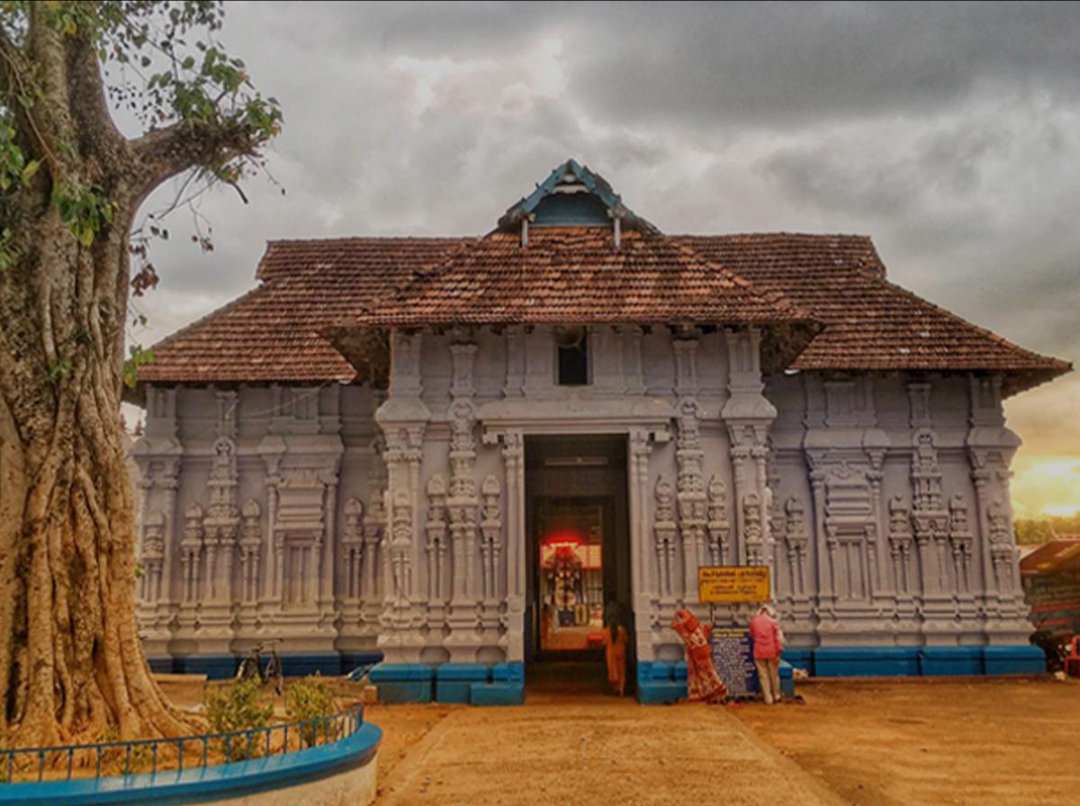
Temple Stewards, Scholars and Healers of the Malabar Coast
Table of Contents
Introduction: Who Are the Variers?
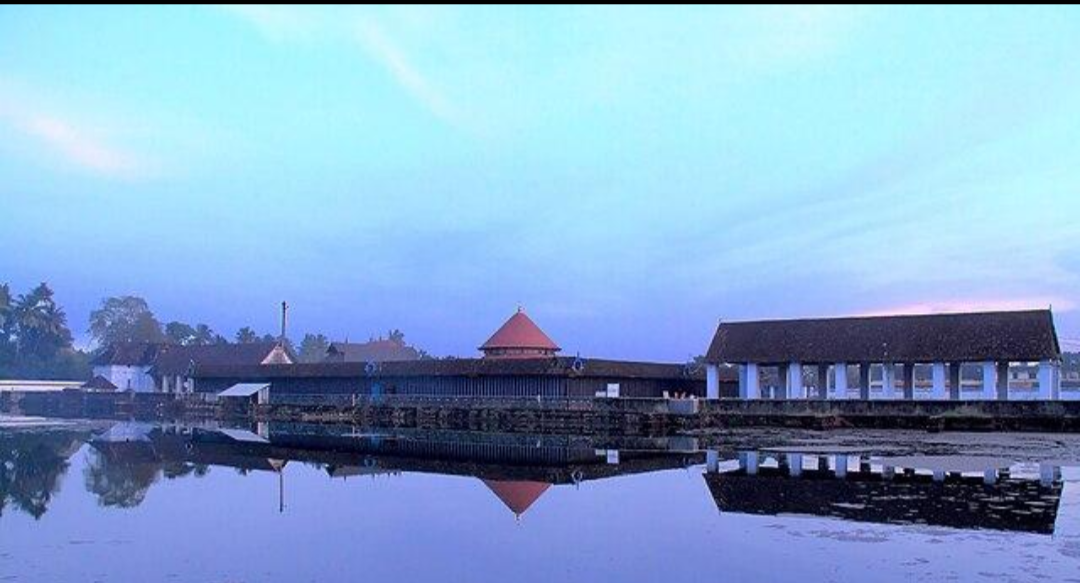
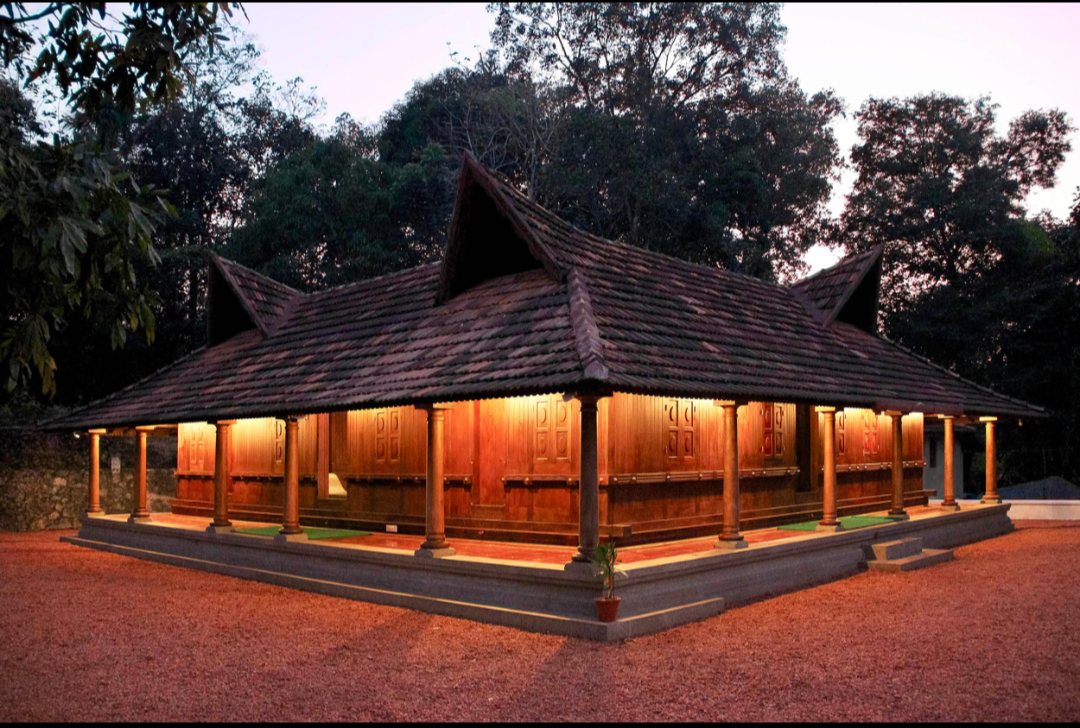
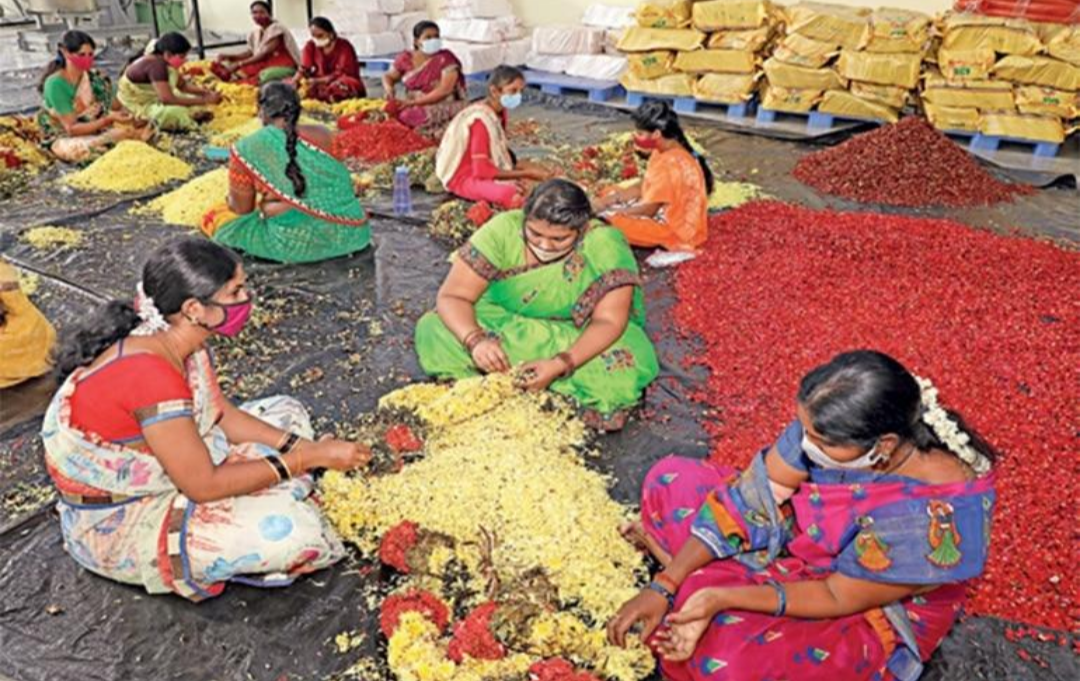
The Variers are a Hindu community of Kerala belonging to the Ambalavasi group, literally "temple dwellers", the cluster of castes whose hereditary role lay in the service of Kerala's great temples. Where Namboothiri Brahmins performed the rites at the sanctum, Varier families prepared the flower garlands, kept the temple precincts, lit and tended the lamps, and in many temples managed accounts, stores and records. Their homes, called Variyam (plural Variyams), were usually built within sight of the temple they served.
The community is small, but it has produced many poets, astronomers, Ayurvedic physicians, administrators and artists. The Arya Vaidya Sala at Kottakkal, one of the best-known Ayurvedic institutions in India, was founded by a Varier; the Kathakali play Nalacharitham was written by one, and two heads of government of the princely state of Cochin came from Varier families. This article covers their origins, geography, social life, customs, food, dress, notable people and genetic ancestry. Where sources disagree or information is missing, we say so.
Etymology of the Name "Varier"
The name is generally traced to the Malayalam word variyam, meaning a committee, board or office of supervision. In the temple economy of medieval Kerala, a variyar was an officer or member of such a supervisory body, overseeing temple property, stores and accounts. The respectful plural form, Variyar or Variar, became the community name. Some writers link the word to an older Tamil usage for a keeper of accounts, which fits the same administrative meaning.
Women of the community are called Varassyar (also Warasiar), and the family home is a Variyam. Because English spellings were never standardised, the same surname today appears as Varier, Variar, Variyar, Warrier, Warriar and Wariyar, sometimes within a single family.
Geography: Where Variers Live
Variers are almost entirely a Kerala community, and within Kerala they are concentrated in the old temple heartlands of the central and northern districts. Their settlements follow the major temples and the former kingdoms of Cochin, Zamorin's Calicut and Travancore.
- Thrissur: the densest cluster, around Irinjalakuda (Koodalmanikyam temple), Ollur, Guruvayur, Thrissur town and Kodungallur.
- Palakkad and Malappuram: significant populations, including Kottakkal, which the Arya Vaidya Sala made a Varier landmark.
- Ernakulam and Kottayam: families attached to temples of the former Cochin and northern Travancore regions.
- Kozhikode, Kannur and Kasaragod: smaller Malabar communities attached to local temples.
- Southern Travancore: scattered families around Thiruvananthapuram and other temple towns.
Outside Kerala, Varier families are found in Chennai, Bengaluru, Mumbai, Delhi and Pune, largely through twentieth-century professional migration.
Origins and Early History
No single founding event explains Varier origins, and the community's early history is known mainly through tradition, temple records and later caste literature. Most accounts place the rise of the Ambalavasi castes in the period of intense temple building in Kerala between roughly the ninth and fourteenth centuries, when large temples with landed estates needed a permanent staff below the priesthood. Kerala caste literature traditionally classes the Variers among the antharala jathi, or "intermediate castes", ranked between Brahmins and Nairs, and they wear the sacred thread (poonool).
Community tradition offers several origin stories. One widely told account connects Variers with Brahmins who took up administrative or ascetic roles and gradually became a distinct group. Another links them to temple-service families who were granted thread-wearing status for their ritual closeness to the deity. Historians generally read all such stories as explanations of caste rank rather than literal genealogies. What is well attested is that Variers held the kazhakam duties in many temples: garland making, preparing materials for worship, cleaning and lighting, alongside accountancy and supervision in larger shrines.
Over time, many Variers moved beyond temple service into learning. By the fifteenth and sixteenth centuries the community was producing Sanskrit scholars, and Sankara Variar of the Kerala school of astronomy and mathematics, known for his commentaries on works of that school, is one of the most cited names from this period.
Social Structure, Family and Matriliny
Like the Nairs and several other Ambalavasi groups, Variers traditionally followed marumakkathayam, matrilineal inheritance. Property and family name passed through the female line, and the joint household (tharavad) was headed by the eldest male of the maternal line. This is why many notable Variers carry their mother's Variyam name as their house name, while their father may have belonged to another caste entirely.
Under the older sambandham custom, Varassyar women frequently entered unions with Namboothiri Brahmin men, whose children belonged to the mother's Variyam. Several prominent twentieth-century Variers had Namboothiri fathers. Legislation such as the Madras Marumakkathayam Act (1933), the Cochin and Travancore reforms, and finally the Kerala Joint Hindu Family System (Abolition) Act of 1975 dismantled the joint matrilineal household, and today most Varier families are nuclear and bilateral in practice.
Marriage within the community or with other Ambalavasi groups (Pisharody, Nambeesan, Marar, Pothuval and others) was traditionally preferred. Today inter-community marriages are common, particularly in cities and the diaspora. In Kerala's reservation framework, Variers are counted among the forward communities and are not eligible for caste-based OBC reservation, though economically weaker families can access EWS benefits.
Religion, Temple Service and Belief
Variers are Hindus whose religious life has historically centred on the temple they served. Families observe Vaishnava and Shaiva festivals alike, the Malayalam month of Karkidakam with Ramayana recitation, Vishu, Onam, Navaratri with Vidyarambham, and the annual festival (utsavam) of their home temple. Hereditary kazhakam posts in some temples are still held by Varier families.
The question of who may hold these posts has occasionally become public debate. In 2025, the appointment of a non-Ambalavasi candidate to a kazhakam post at the Koodalmanikyam temple in Irinjalakuda drew wide attention in Kerala and was discussed as a question of temple reform versus hereditary custom.
Language
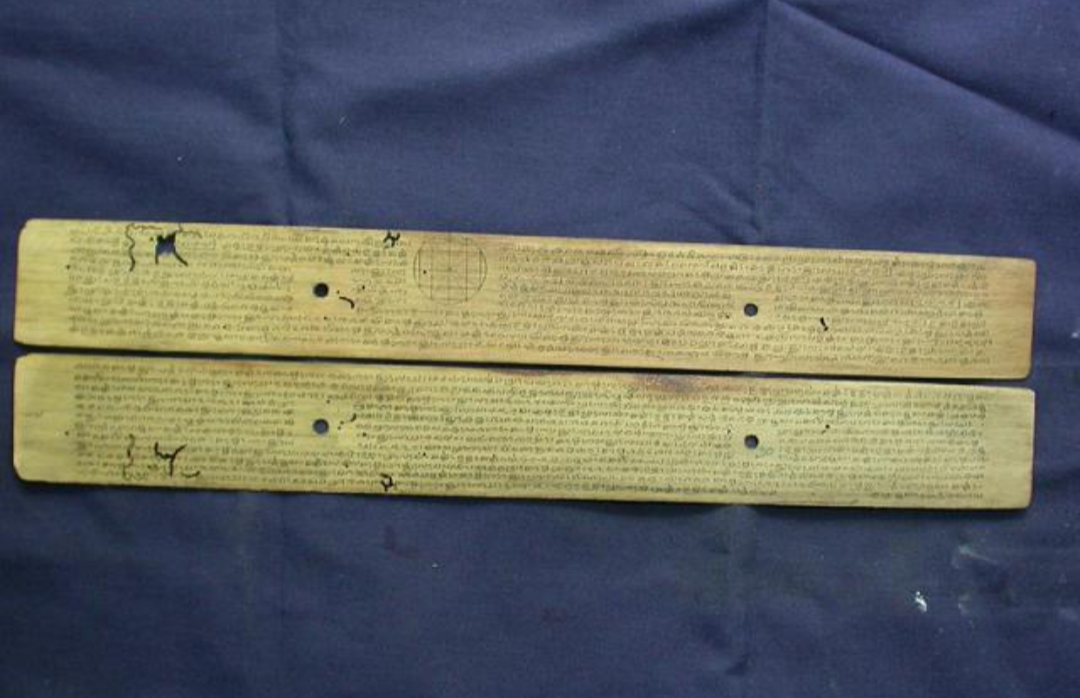
Variers speak Malayalam, and historically the community's speech carried a strong Sanskrit vocabulary shaped by temple and scholarly life. Many older families were fluent in Sanskrit, which they used for astronomy, astrology, Ayurveda and literature. Manipravalam, the literary blend of Malayalam and Sanskrit, was a medium in which several Varier poets worked. Today, as elsewhere in Kerala, English is widely used by the younger and diaspora generations.
Customs and Small Cultural Details
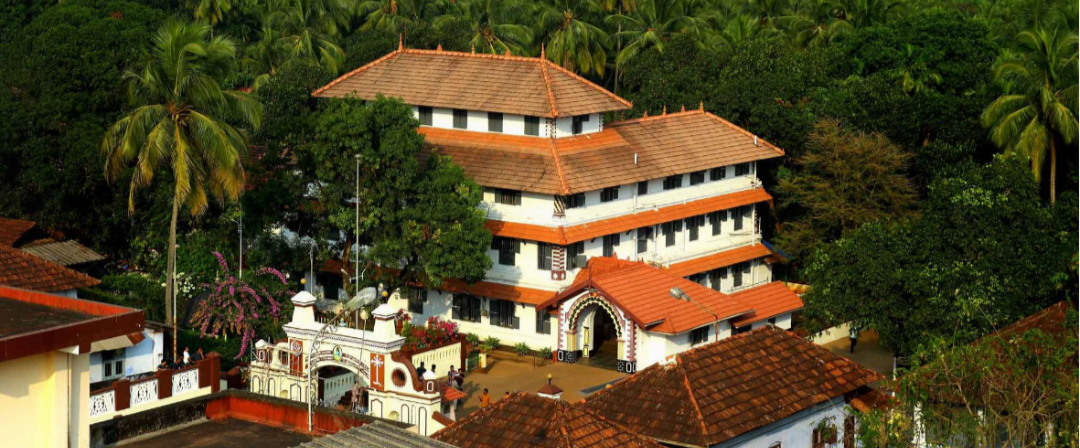
- The Variyam house: traditional homes were modest nalukettu-style or smaller houses near the temple, often with a courtyard, a kolam at the entrance, and a small shrine.
- Garland craft: the art of weaving thechi, thulasi, jasmine and lotus garlands for the deity, a skill still passed down in some families.
- Thread ceremony: Variers wear the sacred thread, and the investiture remains a family occasion in some households.
- Weddings: simple Kerala Hindu weddings with the tying of the thali, exchange of garlands and the pudava (cloth) gift, held at the temple or home, followed by a vegetarian sadya.
- Death rites: observance of a pollution period and the sraddha ceremonies, with a strong emphasis on family temple rituals.
- Learning culture: children traditionally learned Sanskrit, astrology and Ayurveda at home, which helps explain the community's long record in scholarship.
- Arts: close association with Kathakali, Koodiyattam audiences, Thullal, Mohiniyattam and Carnatic music.
Cuisine
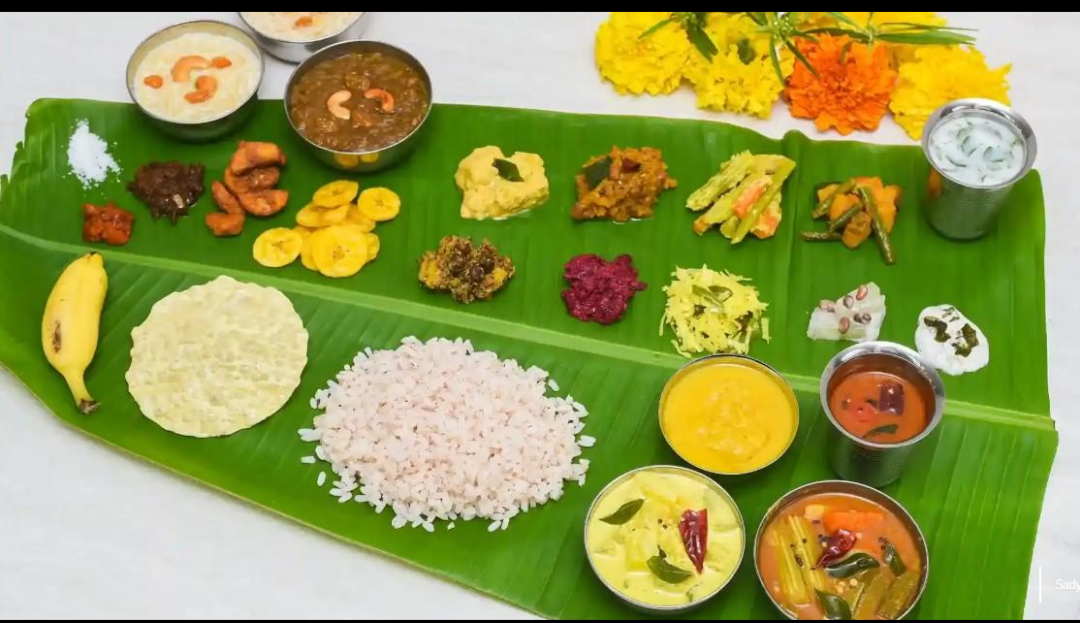
Varier food is Kerala temple-community cooking. It is mostly vegetarian, coconut-rich, lightly spiced and built around rice. Onion and garlic were avoided in more orthodox households, especially on ritual days.
- Sadya: the banana-leaf feast of Onam and weddings, with avial, olan, kalan, erissery, thoran, pachadi, sambar, rasam and pappadam.
- Payasam: temple-style palpayasam and ada pradhaman, and the famous Guruvayur-style sweets.
- Neyyappam and unniyappam: rice, jaggery and ghee sweets associated with temple offerings.
- Kalan and olan: yogurt- and coconut-milk-based curries that define temple-community cooking.
- Karkidaka kanji: a medicinal rice gruel prepared during the monsoon month, reflecting the community's Ayurvedic tradition.
- Pickles and puli inji: tamarind-ginger relish, mango and lime pickles.
| Taste the Temple HeritageFrom Onam sadya to temple payasam, Varier food carries centuries of Kerala tradition. See how your ancestry connects you to the communities who shaped it.Explore Your Heritage |
|---|
Traditional Dress
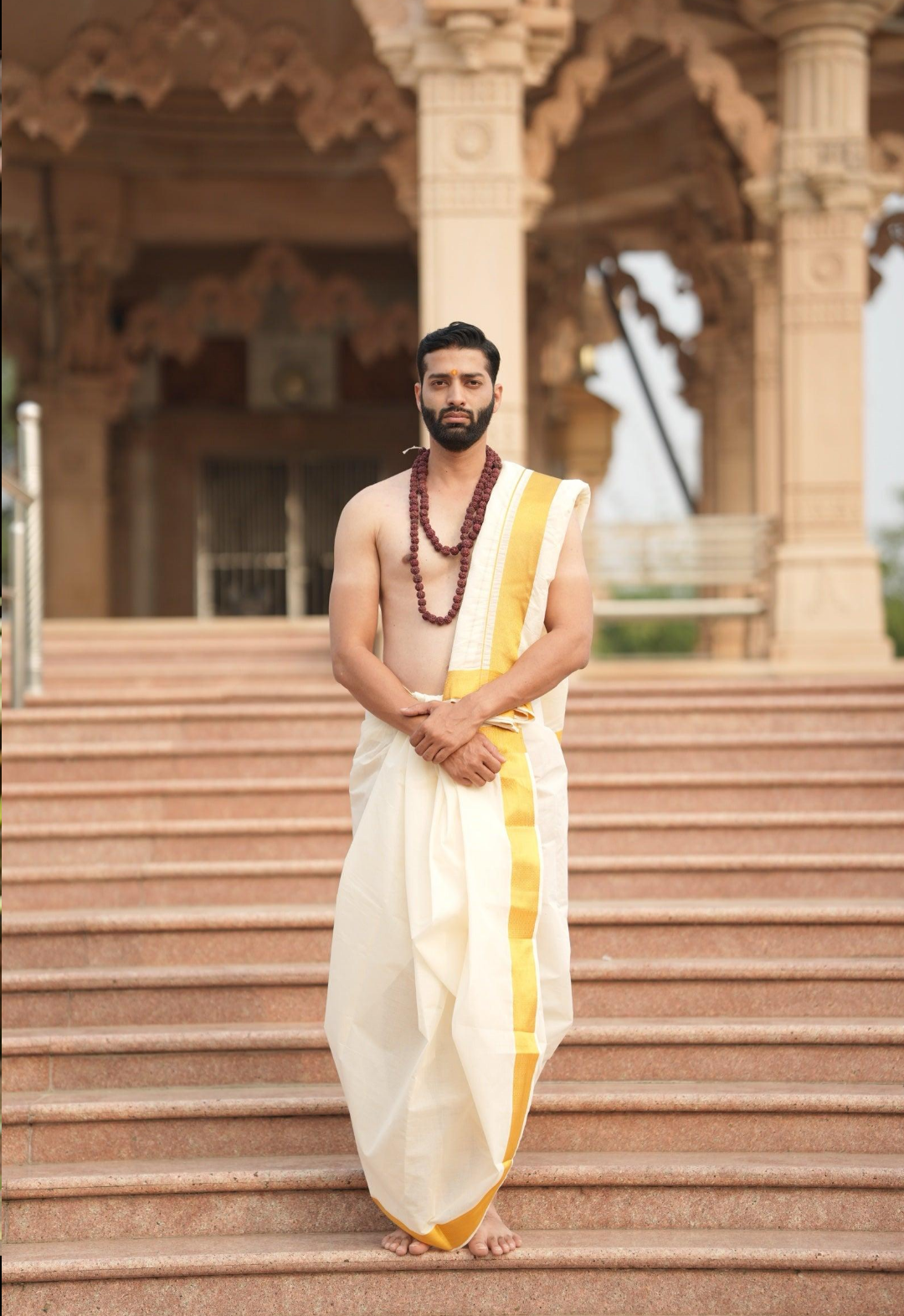
Varier dress follows the classical Kerala style. Men wear the white mundu, sometimes with a kasavu (gold) border, with a melmundu or angavastram over the shoulder; the sacred thread is visible on ritual occasions. Women traditionally wore the mundum neriyathum or set-mundu, the two-piece cream and gold garment, and today wear the kasavu saree for festivals and weddings. Traditional jewellery includes the palakka mala, mullamottu mala, kasu mala and the nagapadam necklace. Sandalwood paste and a sindoor or chandan mark on the forehead remain common.
Physical Traits
There is no distinct Varier "look", and appearance varies considerably within families. As with most Kerala communities, complexions range from fair to dark brown, with dark hair and eyes and medium stature. Because of long historical intermarriage with Namboothiri and Nair families, Variers generally resemble other central Kerala upper-caste communities. Appearance tells little about ancestry. A DNA test gives a much clearer answer.
Population Size
India has not counted individual castes in its general census since 1931, so there is no official modern figure. Varier population is generally described as small, likely in the tens of thousands, and forming a small share of Kerala's Ambalavasi population, which itself is a small fraction of the state's Hindus. Any precise number circulating online should be treated as an estimate.
Traditional and Modern Occupations
- Traditional: garland making, temple cleaning and lamp duties (kazhakam), temple accounts and administration, Sanskrit teaching, astrology and Ayurveda.
- Modern: Ayurvedic medicine, academia and research, engineering and IT, medicine, civil services, banking, law, journalism, cinema and classical arts.
The community's high rates of literacy and education in the twentieth century helped it transition quickly into professional careers, and Varier names are prominent in Kerala academia, Ayurveda and the arts.
Migration and Diaspora
Twentieth-century education and employment drew many Variers to Chennai, Bengaluru, Mumbai and Delhi. From the 1970s onward, like many Keralites, families joined the Gulf migration to the UAE, Oman, Qatar and Saudi Arabia, generally in professional roles. Smaller communities now live in the United States, United Kingdom, Canada, Australia and Singapore, where Kerala Hindu associations and Onam gatherings keep cultural ties alive.
Genetic Ancestry of the Varier Community
Most people who ask about Varier genetics want three answers: their mix of AASI, Indus farmer and Steppe ancestry, their paternal and maternal haplogroups, and which communities they are closest to. None of these has been measured for Variers in any published study. Research on Indian genetics usually samples broad groups or a few large castes, and small communities like the Variers are left out.
What follows is therefore built from studies of neighbouring Kerala groups and from the community's documented history. It is a starting point, not a result. The real answers will come from Varier families who test and join the community project.
From ANI and ASI to a Three-Part Model
Older studies described Indians as a mix of two groups, Ancestral North Indians (ANI) and Ancestral South Indians (ASI). This model is widely cited, but it is too broad for most people's questions, because ANI and ASI were themselves mixtures.
Newer research, based on ancient DNA, breaks Indian ancestry into three older sources:
- AASI (Ancient Ancestral South Indian): the descendants of the first hunter-gatherers who reached India tens of thousands of years ago. This ancestry is present in every Indian community and is highest among some tribal groups of South and Central India.
- Indus farmer (Indus Periphery, Iranian farmer related): ancestry linked to the people of the Indus Valley Civilisation and the wider Iranian plateau. It forms the largest part of ancestry in most South Indian castes.
- Steppe: ancestry from Bronze Age herders of the Central Asian steppe, which arrived in India around 2000-1500 BCE. It is usually higher in North India and among Brahmin groups, and lower in most of the South.
In simple terms, ASI is mostly AASI mixed with Indus farmer ancestry, and ANI is Indus farmer mixed with Steppe. The three-part model gives each community a much more precise profile.
Expected Ancestry Profile of Variers
Published data places Kerala Brahmins (Namboothiris) among the South Indian groups with more Steppe ancestry, while Nairs and other Kerala Hindu castes have less Steppe and more AASI. Variers have historically lived between these two groups, socially and through marriage. Many Varier households had Namboothiri fathers under the old sambandham system, while their marriage ties and matrilineal customs were shared with Nairs and other Ambalavasis.
Based on this history, the Varier profile is expected to look like this:
| Component | Expected level in Variers | Reasoning |
|---|---|---|
| Indus farmer | Largest component | True for nearly all South Indian castes |
| AASI | Substantial, likely a little below typical <a href="/communities/nair">Nair</a> levels | Shared South Indian base, reduced slightly by <a href="/communities/brahmin">Brahmin</a> admixture |
| Steppe | Low to moderate, likely above <a href="/communities/nair">Nair</a> and below Namboothiri levels | Namboothiri paternal ancestry in many families |
Family-level results could vary a lot. A family with several generations of Namboothiri fathers may show more Steppe ancestry than a family whose unions were mostly within the Ambalavasi groups. That variation is itself part of the community's history, and it can only be seen with enough testers.
Y-DNA: The Paternal Line
Y-DNA passes from father to son unchanged, apart from slow mutations. For Variers this line is especially interesting, because under the matrilineal system a man took his mother's house name but his father's Y chromosome. Where fathers were Namboothiris, the Y-DNA of a Varier family could be Brahmin in origin even though the family identity was Varier.
| Haplogroup | Associated with | What it may suggest in a Varier |
|---|---|---|
| R1a (Z93 branch) | Steppe ancestry; common in <a href="/communities/brahmin">Brahmin</a> groups | Likely Namboothiri paternal ancestry |
| R2 | Old South Asian lineage, found across castes | Deep local ancestry |
| L (L1a) | Linked to Indus-related populations | Old Indus-region ancestry |
| J2 | West Asian and Indus-related farmers | Old farmer ancestry; common in South Indian castes |
| H (H1a) | Very old South Asian lineage | Ancient Indian ancestry, often AASI-linked |
| F, C, Q (rare) | Various old lineages | Uncommon; worth special study |
A key question for the community project is how many Varier men carry R1a compared with R2, L, H and J2. A high share of R1a would support the historical record of Namboothiri fathers. A lower share would suggest older lineages within the community itself.
mtDNA: The Maternal Line
Mitochondrial DNA passes from mother to all her children. Since the Varier house name and property also passed through mothers, the mtDNA line matches the family's traditional line of descent. In a matrilineal community, mtDNA may be the most faithful genetic record of a Variyam.
| Haplogroup | Associated with | What it may suggest |
|---|---|---|
| M (M2, M3, M5, M30, M33 and others) | Deep South Asian maternal lines, over 40,000 years old | Ancient Indian maternal roots; expected to be the majority |
| R5, R30, R31 | Old South Asian branches of R | Ancient local ancestry |
| U2 (U2a, U2b, U2c) | Old South Asian branches of U | Deep Indian maternal ancestry |
| U7, W, HV, J, T | West Eurasian lines, many from the Iranian plateau | Indus farmer or later West Asian ancestry |
| N and others (rare) | Various | Uncommon; worth special study |
Across Kerala, most people of every caste carry South Asian M or U2 maternal lines, even in groups with notable Steppe ancestry. Variers are likely to follow this pattern. Comparing Varier mtDNA with Nair and Namboothiri mtDNA can show whether the Varier maternal lines are shared with Nairs, with other Ambalavasis, or are distinct.
Closest Genetic Communities
Using history, marriage patterns and data from nearby groups, Variers are expected to be closest to the following communities, roughly in this order:
A central question for the Varier project is simple: are Variers genetically nearer to Nairs, to Namboothiris, or to a distinct Ambalavasi cluster of their own? Published research cannot answer this yet.
What Research Can and Cannot Tell You
- Available in research: broad ANI and ASI estimates for Kerala, some data on Nairs and Namboothiris, and general haplogroup frequencies for South India.
- Not available: Varier-specific AASI, Indus farmer and Steppe proportions, Varier haplogroup frequencies, or direct comparisons between Variers and neighbouring castes.
- Only possible with testing: a real community average, the spread between families, the share of Namboothiri paternal lines, and your personal place within the Varier group.
How the GenoConnect Community Project Works
When Varier individuals test with GenoConnect and tag their community, their results are added, anonymously, to a community profile. As more families join, the profile shows the average AASI, Indus farmer and Steppe mix, the most common Y-DNA and mtDNA haplogroups, and the communities Variers match most closely. Each tester also sees where they sit within the Varier range and how they compare with Nairs, Namboothiris and other Ambalavasis.
The more families take part, especially from different districts and different Variyams, the more accurate the picture becomes.
Notable Figures
- Sankara Variar (c. 16th century): astronomer-mathematician of the Kerala school, known for commentaries including Yuktidipika.
- Unnayi Warrier (17th-18th century): poet and author of Nalacharitham Aattakatha, a masterpiece of Kathakali literature; traditionally a garland maker at Koodalmanikyam temple.
- Ramapurathu Warrier (18th century): poet, author of Kuchelavritham Vanchippattu.
- Kaikulangara Rama Variar (19th century): Sanskrit scholar, astrologer and translator.
- T. Sankara Warrier (1797-1856): Diwan of Cochin from 1840 to 1856.
- Vaidyaratnam P. S. Varier (1869-1944): founder of the Arya Vaidya Sala, Kottakkal (1902).
- E. Ikkanda Warrier (1890-1977): last Prime Minister of the State of Cochin (1948-49).
- P. K. Warrier (1921-2021): Ayurvedic physician, managing trustee of Arya Vaidya Sala, Padma Bhushan recipient.
- M. R. Raghava Varier (b. 1936): epigraphist and historian of Kerala.
- Manju Warrier: leading Malayalam film actress and dancer.
- Aishwarya Warrier: Mohiniyattam dancer and choreographer.
Conclusion
The Variers began as temple servants, lived in matrilineal households and had close ties with Namboothiri and Nair families. From garland making and temple accounts, they moved into scholarship, medicine and the arts. Their genetic history has not yet been studied, and that can change if members of the community take part in testing.
Frequently Asked Questions (FAQs)
Q. Are Varier, Variar, Variyar and Warrier the same community?
Yes. These are different English spellings of the same Malayalam name. Women of the community are called Varassyar or Warasiar.
Q. Which caste group do Variers belong to?
Variers are part of the Ambalavasi (temple-servant) group of Kerala, classed traditionally among the intermediate castes between Brahmins and Nairs. They wear the sacred thread.
Q. What was the traditional occupation of Variers?
Temple service (kazhakam): making garlands, keeping the temple clean, lighting lamps, and in larger temples managing accounts and administration. Many families also practised Sanskrit learning, astrology and Ayurveda.
Q. Are Variers Brahmins?
No. They are not Brahmins, though they held a ritually high position and shared many customs with Brahmins, and many families have Namboothiri paternal ancestry through historical sambandham unions.
Q. Were Variers matrilineal?
Yes. They traditionally followed marumakkathayam, with property and house names passing through the female line. The system was abolished by law in 1975.
Q. Where do most Variers live?
Mainly in Thrissur, Palakkad, Malappuram and Ernakulam districts of Kerala, with a diaspora in Indian cities, the Gulf, the US and the UK.
Q. Are Variers eligible for OBC reservation?
No. In Kerala they are treated as a forward community, though economically weaker families may qualify under EWS.
Q. Are Variers vegetarian?
Traditionally, yes, especially in orthodox households. Practice varies widely today.
Q. What is the Varier community's link with Ayurveda?
Vaidyaratnam P. S. Varier founded the Arya Vaidya Sala at Kottakkal in 1902, and the community has produced many leading Ayurvedic physicians.
Q. What is the AASI, Indus and Steppe composition of Variers?
It has never been measured directly. Based on neighbouring Kerala groups, significant AASI and Indus-Periphery-related ancestry and a modest Steppe share are expected. Testing is the only way to know for your family.
Q. Are Variers genetically closer to Nairs or Namboothiris?
Unknown. Historically they had close ties with both. Community-level DNA data can answer this.
Q. Which haplogroups are common among Variers?
Not yet studied. Among Kerala communities, Y-DNA R1a, R2, L, H and J2 and mtDNA M-subclades, U7, R5 and U2 are common.
Q. What is the difference between ANI/ASI and AASI/Indus/Steppe?
ANI and ASI are an older two-part model. AASI, Indus farmer and Steppe are the older sources that ANI and ASI were made from, so the three-part model gives a more detailed picture.
Q. Why could Varier Y-DNA be Brahmin in origin?
Under the matrilineal system, many Varier children had Namboothiri fathers. They belonged to their mother's Variyam but inherited their father's Y chromosome.
Q. Why is mtDNA important for Variers?
Varier families traced descent through the mother, so the maternal mtDNA line matches the traditional line of the Variyam.
Q. Is there published research on Varier genetics?
No study has sampled Variers specifically. Current estimates come from neighbouring groups. The GenoConnect community project aims to produce the first real data.
Q. How can I learn more about my own Varier ancestry?
Take a DNA test with GenoConnect to see your ancestry composition, haplogroups and closest communities, and join the community project.
References
- [1]1. Wikipedia. "Variar." https://en.wikipedia.org/wiki/Variar
- [2]2. Wikipedia. "Ambalavasi." https://en.wikipedia.org/wiki/Ambalavasi
- [3]3. Wikipedia. "Unnayi Variyar." https://en.wikipedia.org/wiki/Unnayi_Variyar
- [4]4. Wikipedia. "P. K. Warrier." https://en.wikipedia.org/wiki/P._K._Warrier
- [5]5. Wikipedia. "E. Ikkanda Warrier." https://en.wikipedia.org/wiki/E._Ikkanda_Warrier
- [6]6. Wikipedia. "T. Sankara Warrier." https://en.wikipedia.org/wiki/T._Sankara_Warrier
- [7]7. Wikipedia. "M. R. Raghava Varier." https://en.wikipedia.org/wiki/M._R._Raghava_Varier
- [8]8. Narasimhan, V. M. et al. (2019). "The formation of human populations in South and Central Asia." Science 365(6457).
- [9]9. Reich, D. et al. (2009). "Reconstructing Indian population history." Nature 461.
- [10]10. Arya Vaidya Sala, Kottakkal. Official history. https://www.aryavaidyasala.com
- [11]11. Note: Community traditions vary; genetic statements for the Varier community are expectations based on neighbouring populations, not measured results.