

Jammu & Kashmir Genome Project Community
Discover your Jammu and Kashmir ancestry. Explore the history, geography, cultures and genetics of the Kashmir Valley, the Jammu plains and the mountain communities in between.
JAMMU AND KASHMIR GENOME PROJECT
Geography, People, History, and Genetics of the Land between the Pir Panjal and the Plains
1. Introduction: Who Are the People of Jammu and Kashmir?
Jammu and Kashmir is not a single ethnic community in the way a caste, a tribe or a religious denomination is. It is a geography-defined population: the inhabitants, past and present, of a mountain-ringed region at the north-western edge of the Indian subcontinent, where the plains of Punjab climb into the Shivaliks, cross the Pir Panjal range and open into the high, lake-studded Vale of Kashmir. This profile treats “Jammu and Kashmir” as a geography-of-origin community in the genealogical sense. It brings together Kashmiri-speaking Muslims and Kashmiri Pandits of the Valley, Dogras of the Jammu plains and hills, Gujjars and Bakarwals of the high pastures, Paharis of Rajouri, Poonch and Uri, the Dard-Shina people of Gurez, Sikhs, Punjabis and many smaller groups, all of whose ancestors farmed, herded, traded, prayed and migrated across this land for millennia.
Today Jammu and Kashmir is a Union Territory of India with an elected legislative assembly, formed on 31 October 2019 when the former state was reorganised into two Union Territories: Jammu and Kashmir, and Ladakh. Historically, the region formed the core of the princely state of Jammu and Kashmir created by the Dogra ruler Gulab Singh in 1846, a state that also included Ladakh, Gilgit-Baltistan and the areas now administered by Pakistan. The wider Kashmir region remains the subject of a long-running territorial dispute between India and Pakistan, with China administering Aksai Chin. For family-history purposes, many people with roots in Mirpur, Muzaffarabad or Gilgit therefore share deep ancestral and cultural ties with the communities described here, even though they live on the other side of the Line of Control.
The region is home to one of the oldest continuous written histories in South Asia, Kalhana’s 12th-century Sanskrit chronicle Rajatarangini. It gave the world the philosophy of Kashmir Shaivism, the mystic verse of Lal Ded and Nund Rishi, the Persianate crafts of pashmina and papier-mâché, the Mughal gardens of Srinagar, the Pahari miniature painting of Basohli, and the martial traditions of the Dogras. Few regions of comparable size contain so many languages, faiths and ways of life stacked within a few hundred kilometres.
2. Geography
The Union Territory of Jammu and Kashmir covers roughly 42,000 square kilometres of territory under Indian administration. It is bordered by Ladakh to the east, Himachal Pradesh and Punjab to the south, and the Line of Control with Pakistan-administered Kashmir to the west and north. Administratively it is divided into two divisions, Jammu and Kashmir, each with ten districts. Srinagar is the summer capital and Jammu the winter capital, a pattern that historically gave rise to the Darbar Move, the biannual shifting of government offices between the two cities. The practice was largely curtailed in 2021, and its revival has since remained a live political question.
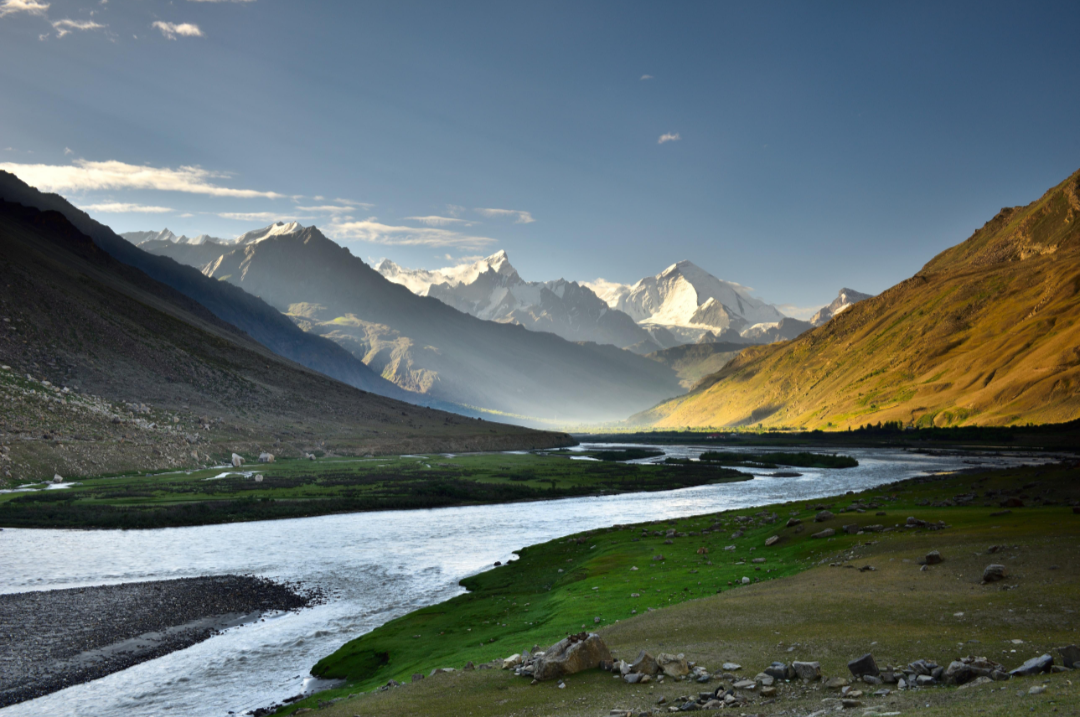
The terrain rises in a series of steps from south to north. The Jammu plains and the Kandi belt along the Punjab border are subtropical, hot in summer and fertile where irrigated, famous for basmati rice around R.S. Pura. Behind them rise the Shivalik foothills and the middle hills of Udhampur, Reasi and Kathua. The Pir Panjal range, crossed historically by the Banihal pass and the Mughal Road, forms a great wall between Jammu and Kashmir. Beyond it lies the Kashmir Valley, an oval basin roughly 135 kilometres long at an altitude of about 1,600 metres, drained by the Jhelum (known locally as the Vyeth), which rises at the spring of Verinag. The Valley floor is lined with raised lake-bed terraces called karewas, on which saffron is grown around Pampore. Finally, the Great Himalaya separates Kashmir from Ladakh, crossed at the Zoji La pass.
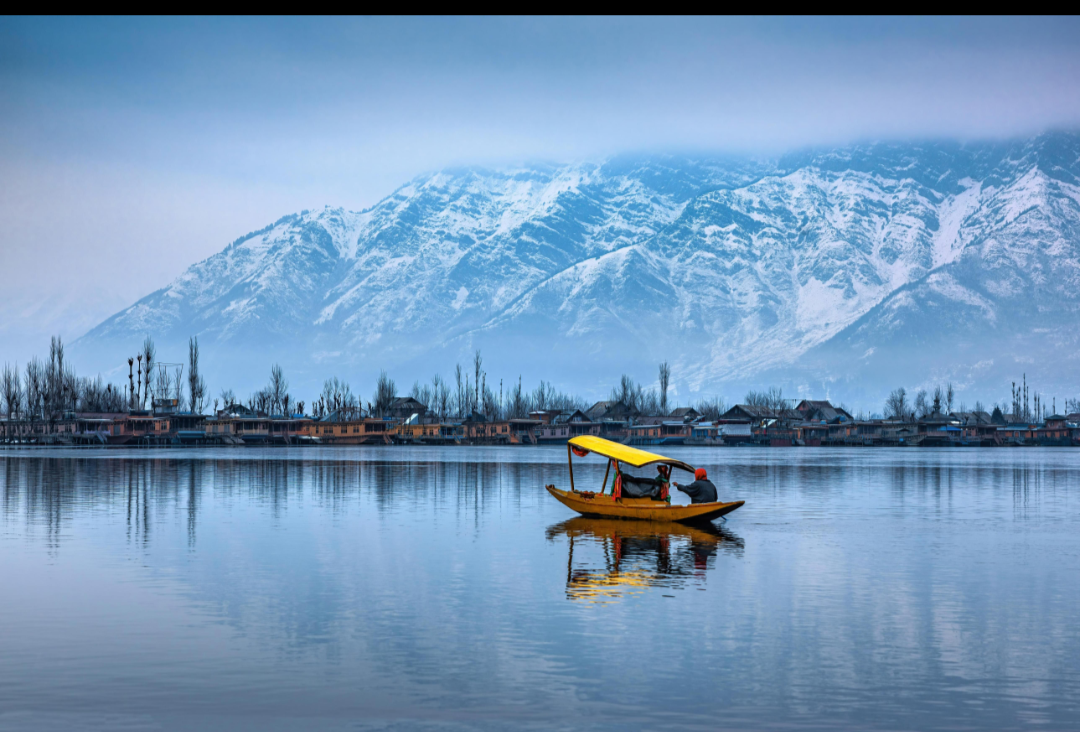
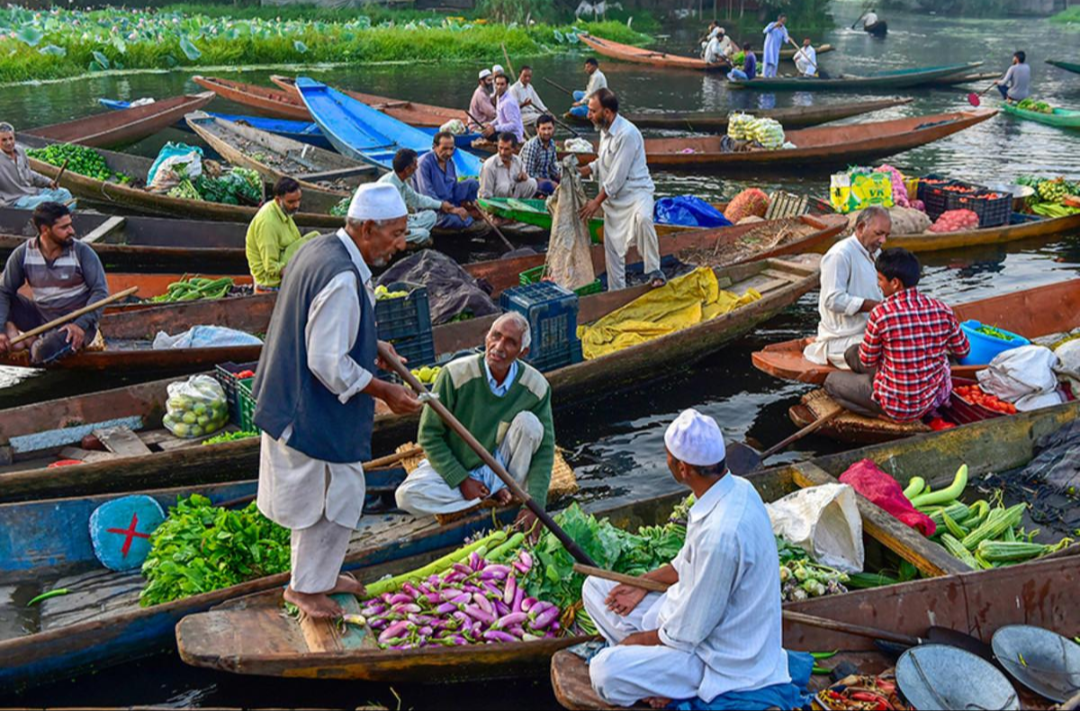
Water is central to Kashmiri identity. The Dal and Nigeen lakes of Srinagar, the Wular Lake near Bandipora, one of the largest freshwater lakes in Asia, and the Manasbal Lake shaped a distinct lake culture of houseboats, shikaras (small wooden boats), floating vegetable gardens and a traditional boatman community, the Hanjis. In the south, the Chenab cuts a deep gorge through Kishtwar, Doda and Ramban, and in 2025 the Chenab Rail Bridge, the world’s highest railway arch bridge, completed the first direct rail link between the Valley and the rest of India. The Tawi river flows through Jammu city, which is often called the City of Temples.
According to local legend recorded in the Nilamata Purana and the Rajatarangini, the Valley was once a vast lake called Satisar, drained by the sage Kashyapa, from whom the name Kashmir is popularly derived. Geologists agree that the Valley floor was indeed a Pleistocene lake bed, which gives the legend an unusual echo of geological truth.
Cultural-Geographic Sub-Regions
Long before modern district lines, people in the region identified with older cultural tracts, each with its own dialect, cuisine and historical character:
| Region | Approximate Location | Notable Centres | Character |
|---|---|---|---|
| Kashmir Valley (Kashir) | Central basin north of the Pir Panjal | Srinagar, Anantnag, Baramulla, Sopore, Pulwama | Kashmiri-speaking heartland; lakes, orchards, saffron, shrines and crafts |
| Duggar (Jammu plains and hills) | South, towards Punjab and Himachal | Jammu, Kathua, Samba, Udhampur | Dogri-speaking Dogra homeland; temples, <a href="/communities/rajput">Rajput</a> traditions, Basohli painting |
| Chenab Valley | South-east, along the Chenab gorge | Doda, Kishtwar, Ramban, Bhaderwah | Mixed Kashmiri, Bhaderwahi, Sarazi and Paddari speech; saffron at Kishtwar |
| Pir Panjal (Rajouri-Poonch) | South-west, along the Line of Control | Rajouri, Poonch, Surankote | Pahari and Gojri-speaking; Gujjar and Pahari communities |
| Northern frontier valleys | Along the Kishanganga and the Line of Control | Gurez, Tulail, Karnah, Uri, Keran | Shina-speaking Dards in Gurez; Pahari speakers in Uri and Karnah |
| High pastures (margs and dhoks) | Alpine meadows above the Valley and Pir Panjal | Gulmarg, Sonamarg, Pahalgam, Kokernag | Seasonal grazing grounds of Gujjars and Bakarwals |
3. Origins and Early History
3.1 Prehistoric Foundations
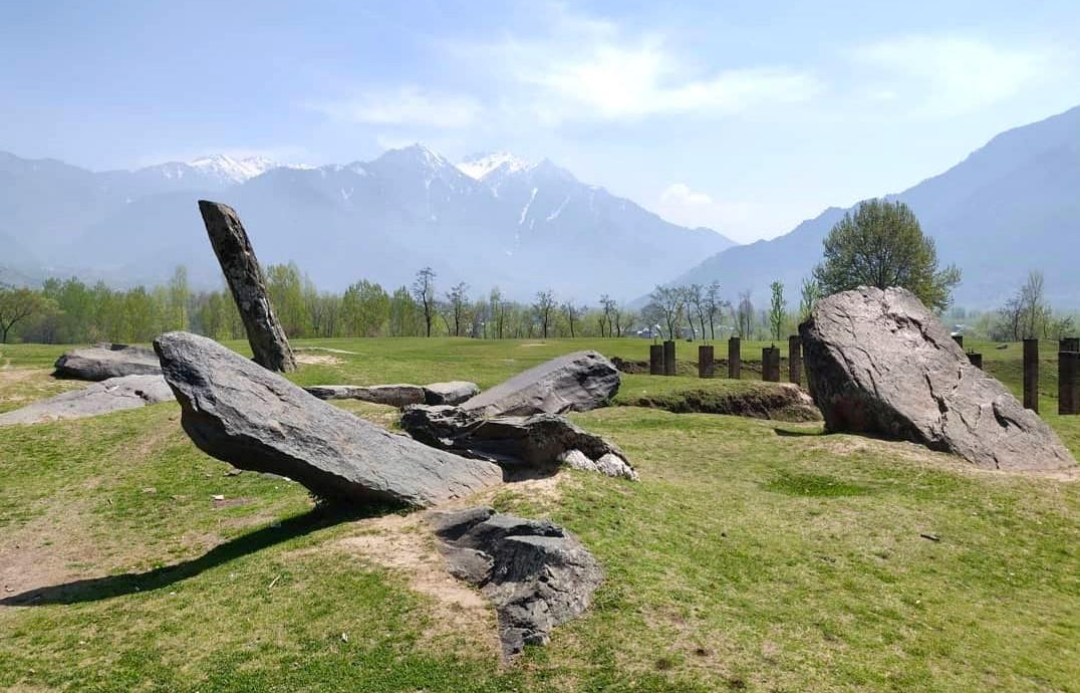
Human settlement in Kashmir reaches deep into prehistory. The Neolithic site of Burzahom, near Srinagar, dated to roughly the 3rd millennium BCE, has yielded pit dwellings dug into the karewa soil, bone tools, and burials in which dogs were interred with humans. The nearby site of Gufkral shows a similar culture. Archaeologists have noted links between these communities and cultures further north in Central Asia and the Swat valley, suggesting that Kashmir was never an isolated valley but a meeting point of mountain routes. In the Jammu region, the site of Manda on the Chenab, near Akhnoor, is often described as the northernmost outpost of the Harappan (Indus Valley) civilisation.
3.2 Mauryas, Kushans, and the Buddhist Age
According to tradition, the Mauryan emperor Ashoka (3rd century BCE) founded an early city called Srinagari near present-day Srinagar and promoted Buddhism in the Valley. Under the Kushans, Kashmir became a major centre of Buddhist learning; the Fourth Buddhist Council is traditionally held to have met in Kashmir under Kanishka in the 1st to 2nd century CE, and Kashmiri monks carried Buddhist texts to Central Asia and China. Terracotta tiles from the monastery at Harwan preserve rare images of dress and daily life from this period.
3.3 The Classical Hindu Kingdoms
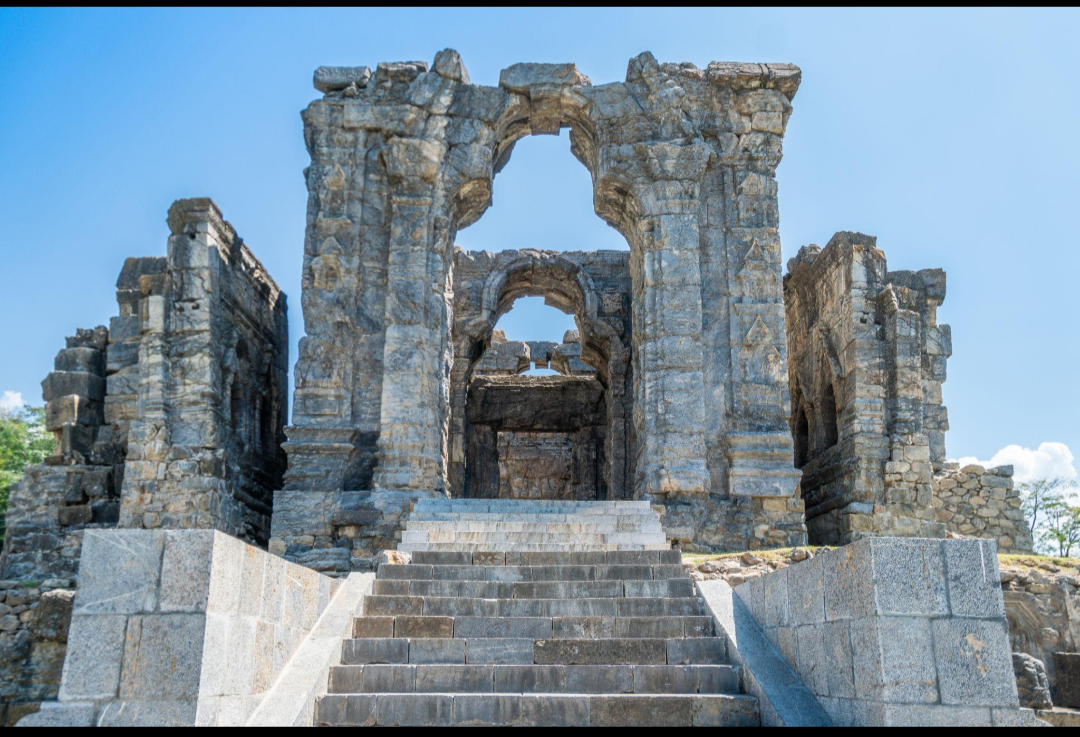
From the 7th century CE, Kashmir was ruled by a series of powerful dynasties. The Karkota king Lalitaditya Muktapida (8th century) led campaigns across North India and is credited with the magnificent Martand Sun Temple, whose ruins still stand near Anantnag. The Utpala ruler Avantivarman (9th century) founded Avantipora, and his engineer Suyya carried out flood-control and drainage works that expanded farmland in the Valley. The 10th century saw the long rule of Queen Didda, one of the most formidable women rulers in South Asian history. This was also the golden age of Kashmiri Sanskrit learning: the philosopher Abhinavagupta systematised Kashmir Shaivism and aesthetic theory, and poets and critics such as Anandavardhana, Kshemendra, Bilhana and Somadeva made Kashmir one of the intellectual capitals of the Sanskrit world. Around 1148 to 1149, Kalhana composed the Rajatarangini (“River of Kings”), a verse history of Kashmir’s rulers.
In the Jammu hills, meanwhile, a patchwork of small Rajput principalities developed, including Jammu (Jamwal), Basohli, Bhaderwah, Kishtwar, Ramnagar and Chenani. Tradition credits Raja Jambu Lochan with founding Jammu on the banks of the Tawi.
3.4 The Sultanate and the Rishi Tradition
In 1339, Shah Mir founded the first Muslim ruling dynasty of Kashmir. Over the following centuries most of the Valley’s population converted to Islam, largely through the influence of Sufi missionaries and gradual social change. The Persian preacher Mir Sayyid Ali Hamadani, remembered as Shah-e-Hamadan, arrived in the late 14th century with followers who are credited with introducing or popularising crafts such as shawl weaving and carpet making. The Sultan Zain-ul-Abidin (15th century), known affectionately as Budshah, “the Great King”, is remembered for religious tolerance, for inviting back Pandits who had left, and for bringing artisans from Central Asia and Persia to train Kashmiris in papier-mâché, woodcarving, bookbinding and other arts.
The same period produced two poet-saints who remain at the heart of Kashmiri identity. Lal Ded (Lalleshwari), a 14th-century Shaiva mystic, composed vakhs (short verses) that every Kashmiri, Hindu or Muslim, still quotes. Sheikh Nooruddin Noorani (Nund Rishi), her younger contemporary, founded the Rishi order of Sufism, a distinctly Kashmiri tradition of simplicity, vegetarianism and non-violence, and his shrine at Charar-e-Sharif is among the most revered in the Valley. The Chak dynasty followed; the poet-queen Habba Khatoon, wife of the last Chak ruler Yusuf Shah, is remembered through her songs of longing.
3.5 Mughals, Afghans, and Sikhs
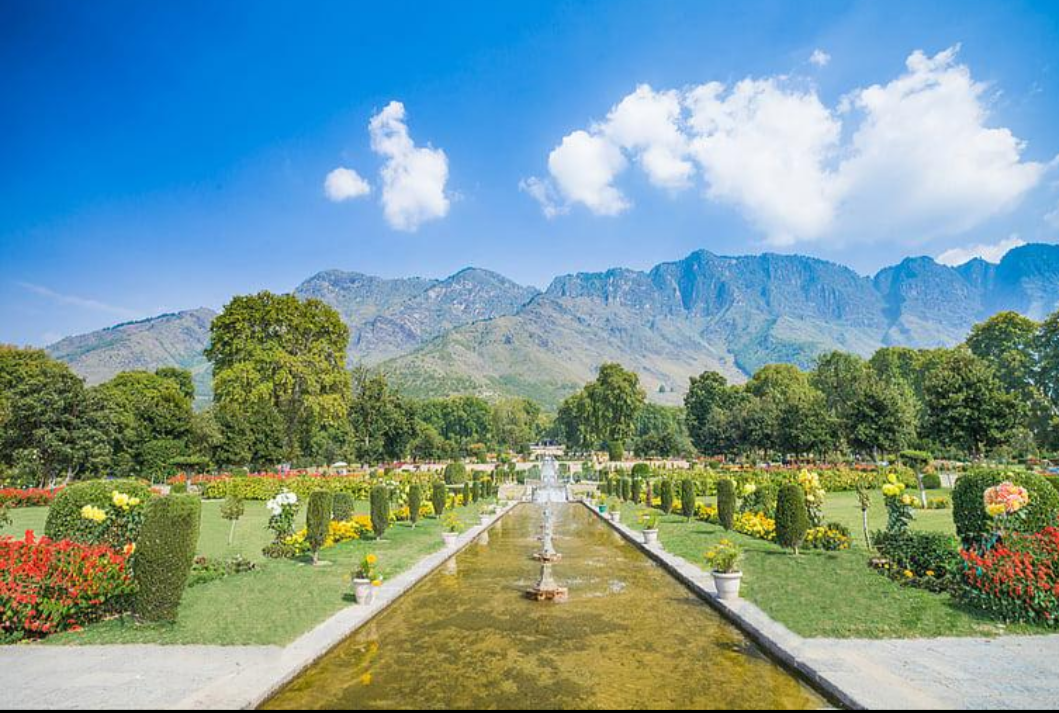
Akbar annexed Kashmir to the Mughal Empire in 1586. The Mughals loved the Valley as a summer retreat and left behind the terraced gardens of Srinagar, including Shalimar Bagh, Nishat Bagh and Chashme Shahi. Jahangir is said to have described Kashmir as a paradise on earth, a phrase that has followed it ever since. From 1752 the Valley passed to the Durrani Afghans, whose rule is remembered in Kashmiri memory as harsh, and in 1819 it was conquered by the Sikh empire of Maharaja Ranjit Singh.
3.6 The Dogra State (1846–1947)
The Dogra Rajput Gulab Singh, a Jamwal of the Jammu royal house who had risen in Ranjit Singh’s service, became Raja of Jammu in 1822. His general Zorawar Singh led remarkable campaigns into Ladakh, Baltistan and western Tibet in the 1830s and early 1840s. After the First Anglo-Sikh War, the Treaty of Amritsar (1846) transferred Kashmir to Gulab Singh in return for a payment to the British, creating the princely state of Jammu and Kashmir. His successors, Ranbir Singh, Pratap Singh and Hari Singh, ruled until 1947. The Dogra period saw the building of Jammu’s Raghunath Temple complex and the Mubarak Mandi palace, but also heavy taxation of the Valley’s peasantry and repeated famines. A political awakening began in the 1930s: the killing of protesters outside Srinagar Central Jail on 13 July 1931 became a turning point, and Sheikh Mohammad Abdullah’s Muslim Conference, renamed the National Conference in 1939, led a movement for representative government.
3.7 1947 and After
At Partition in 1947, Maharaja Hari Singh initially sought to remain independent. After tribal raiders from Pakistan entered the state in October 1947, he signed the Instrument of Accession to India on 26 October 1947, and the first India–Pakistan war followed, ending with a ceasefire line that later became the Line of Control. Under Article 370 of the Indian Constitution, the state had a special constitutional status, its own constitution and flag. Sheikh Abdullah’s government carried out one of the most sweeping land reforms in South Asia with the Big Landed Estates Abolition Act of 1950, transferring land to tillers. The following decades saw wars in 1965 and 1971, the Simla Agreement of 1972, and the Indira–Sheikh Accord of 1975.
From 1989 an armed insurgency engulfed the Valley. In 1990 the large majority of Kashmiri Pandits left the Valley, most resettling in Jammu, Delhi and other cities, an exodus that remains a defining trauma for the community. Tens of thousands of lives were lost over the following decades, and the conflict reshaped daily life for Kashmiri Muslims, Pandits, Sikhs and security forces alike. On 5 August 2019, the Government of India revoked the special status under Article 370 and reorganised the state into two Union Territories; the Supreme Court upheld the move in December 2023 and directed that statehood be restored at the earliest. Assembly elections were held in 2024, and a National Conference-led government under Chief Minister Omar Abdullah took office in October 2024. As of September 2026, the restoration of full statehood remains a central political demand of the elected government and most regional parties.
4. Demographic Profile and Communities
The 2011 Census recorded a population of about 12.27 million in the areas that now form the Union Territory of Jammu and Kashmir, roughly 6.9 million in the Kashmir division and 5.4 million in the Jammu division. Current estimates place the population somewhere around 13.5 to 14 million. The former state recorded a sex ratio of 889 females per 1,000 males and a literacy rate of about 67 per cent in 2011, both below the national average, though literacy has risen steadily since. Roughly three-quarters of the population lives in rural areas.
In religious terms, the 2011 Census recorded the former state as about 68 per cent Muslim, 28 per cent Hindu, 2 per cent Sikh and just under 1 per cent Buddhist (the last largely in Ladakh). The distribution is sharply regional: the Kashmir Valley is overwhelmingly Muslim, while the Jammu division is roughly three-fifths Hindu and one-third Muslim, with Muslim majorities in districts such as Rajouri, Poonch, Doda and Kishtwar. Most Valley Muslims are Sunni, with a significant Shia minority concentrated around Budgam, Srinagar’s Zadibal and parts of Baramulla.
| Quick facts | Column 2 |
|---|---|
| Status | Union Territory of India with legislature (since 31 October 2019) |
| Capitals | Srinagar (summer), Jammu (winter) |
| Divisions / districts | 2 divisions (Jammu, Kashmir); 20 districts |
| Population (2011 Census) | About 12.27 million; estimated 13.5–14 million today |
| Official languages | Kashmiri, Dogri, Urdu, Hindi, English (J&K Official Languages Act, 2020) |
| Other major languages | Gojri, Pahari, Punjabi, Shina, Bhaderwahi, Balti |
| Main rivers | Jhelum, Chenab, Tawi, Kishanganga (Neelum), Sindh |
Major Communities
- Kashmiri Muslims form the largest group in the Valley. Their family names, known as krams, often preserve older pre-Islamic or occupational identities (Bhat, Dar, Lone, Wani, Mir, Rather, Ganai), alongside lineages of Sayyid, Pir and Sheikh descent and families of Afghan (Pathan) and Central Asian origin.
- Kashmiri Pandits are the Valley’s indigenous Saraswat Brahmin community, traditionally divided into Karkun (administrators and officials), Bachabhatta and Jyotish (priests and astrologers). Tradition distinguishes the Malmasi, families who never left the Valley, from the Banamasi, whose ancestors returned at the invitation of Zain-ul-Abidin. Common surnames include Kaul, Raina, Dhar, Bhat, Pandita, Tickoo, Zutshi, Kachru, Razdan and Handoo.
- Dogras are the Dogri-speaking people of the Jammu region, including Rajputs (Jamwal, Manhas, Jasrotia, Pathania, Chib and other clans), Brahmins, Mahajans (trading families), Khatris, Thakkars and Scheduled Caste communities such as the Meghs. Dogra Muslims are also found in parts of the region.
- Gujjars and Bakarwals, recognised as Scheduled Tribes since 1991, are the largest tribal population of the region. Gujjars are largely settled or semi-settled cattle keepers, while Bakarwals are nomadic herders who move flocks of goats and sheep between the Jammu plains in winter and the high meadows of Kashmir in summer. Both speak Gojri.
- Paharis, speakers of Pahari (Pahari-Pothwari) in Rajouri, Poonch, Uri and Karnah, were granted Scheduled Tribe status in 2024, along with the Paddari tribe, the Koli and the Gadda Brahmins.
- Sikhs are found in both divisions, including old Valley communities in Baramulla and Tral and Punjabi Sikh families in Jammu, many of whom arrived as refugees from Pakistan-administered areas in 1947.
- Other groups include the Dards of Gurez (Shina speakers), the Hanji boatmen of the lakes, the Gaddis and Sippis of the upper Chenab, Paharis and Punjabis of the plains, and refugee communities from West Pakistan and from the areas across the Line of Control who settled in Jammu after 1947.
5. Genetics and DNA Ancestry
Sitting at the junction of South Asia, Central Asia and the Tibetan plateau, Jammu and Kashmir offers a layered genetic picture rather than a single uniform signature. Different communities in the region, especially the Valley Kashmiris, the Dogras, the Gujjar-Bakarwals and the Ladakhis, show distinct but overlapping ancestry profiles.
5.1 The North-West End of the Indian Cline
Like nearly all South Asian populations, the people of Jammu and Kashmir descend from a mixture of two deeply diverged ancestral groups: Ancestral North Indians (ANI), related to populations of West Eurasia and Central Asia, and Ancestral South Indians (ASI), indigenous to the subcontinent. Later studies have refined this into three main sources: ancient hunter-gatherers of South Asia, Iranian-related farmers, and Steppe pastoralists who arrived during the 2nd millennium BCE. Populations from the north-west of the subcontinent generally carry a higher West Eurasian share than those further south and east. In the landmark 2009 study of Indian population history led by David Reich, Kashmiri Pandits were among the groups with the highest ANI proportions of the populations sampled.
5.2 Valley Kashmiris: Pandits and Muslims
A 2016 genome-wide study published in PLoS ONE by Downie and colleagues, working with researchers at the Sher-i-Kashmir Institute of Medical Sciences, compared Kashmiris from the Valley with populations across Eurasia. It found that the Kashmiri samples clustered with other populations of northern India and Pakistan, including the Kalash, Burusho, Sindhi and Balochi, and that their ancestry profile was virtually indistinguishable from that of previously studied Kashmiri Pandits. In other words, Valley Muslims and Pandits share one deep regional gene pool that long predates the arrival of Islam, consistent with the historical record of large-scale conversion rather than population replacement.
The same study directly tested two popular legends: that Kashmiris descend from one of the “lost tribes” of Israel, and that they carry ancestry from the soldiers of Alexander the Great. It found no significant or substantial signal of either Greek or Jewish admixture, concluding instead that Kashmiris share broad ancestry with both West Eurasian and South Asian populations, like their neighbours. The authors noted that their sample size was small and that finer-scale haplotype methods might reveal more, but the headline result has been widely cited.
| Uncover Your Kashmiri, Dogra or Pahari Genetic MixYour roots in Jammu and Kashmir combine ancient South Asian, Iranian-related and Steppe-related ancestry in proportions that differ from family to family. Discover your own genetic composition and the story it tells.Get My Genetic Breakdown → |
|---|
5.3 Gujjars, Bakarwals, and the Mountain Communities
A 2020 study in Scientific Reports examined Gujjars from the Jammu region alongside Ladakhis using autosomal, Y-chromosome and mitochondrial markers. The two populations were genetically distant from each other and from many other Indian groups. Y-chromosome analysis placed the Gujjars closest to nomadic Pashtun populations of northern Afghanistan and to Pashtuns and Sindhis of Pakistan, reflecting their long history of mobility along the north-western mountain corridor, while their most common maternal lineage was the South Asian haplogroup M30f. Ladakhis, by contrast, carry substantial East Asian (Tibetan-related) ancestry, with haplogroup M9 as their most common maternal lineage. A separate study of populations in Khyber Pakhtunkhwa observed that Gujjars of Jammu and Kashmir show maternal-line affinities with populations to the east, including Uttar Pradesh, a reminder that paternal and maternal histories can tell different stories.
5.4 Y-Chromosome and Maternal Lineages
Broader studies of north-western South Asia find paternal lineages in the region dominated by haplogroup R1a (particularly its South Asian branch Z93), with significant J2, L, R2 and smaller H and Q components. Maternal lineages are more mixed, combining South Asian M-lineages with West Eurasian haplogroups such as U, H, HV and W. As with other endogamous societies of South Asia, frequencies differ between communities, so a Kashmiri Pandit, a Dogra Rajput, a Bakarwal and a Hanji family from the same region may show noticeably different lineage profiles while still sharing much of the same regional background.
6. Language and Literature
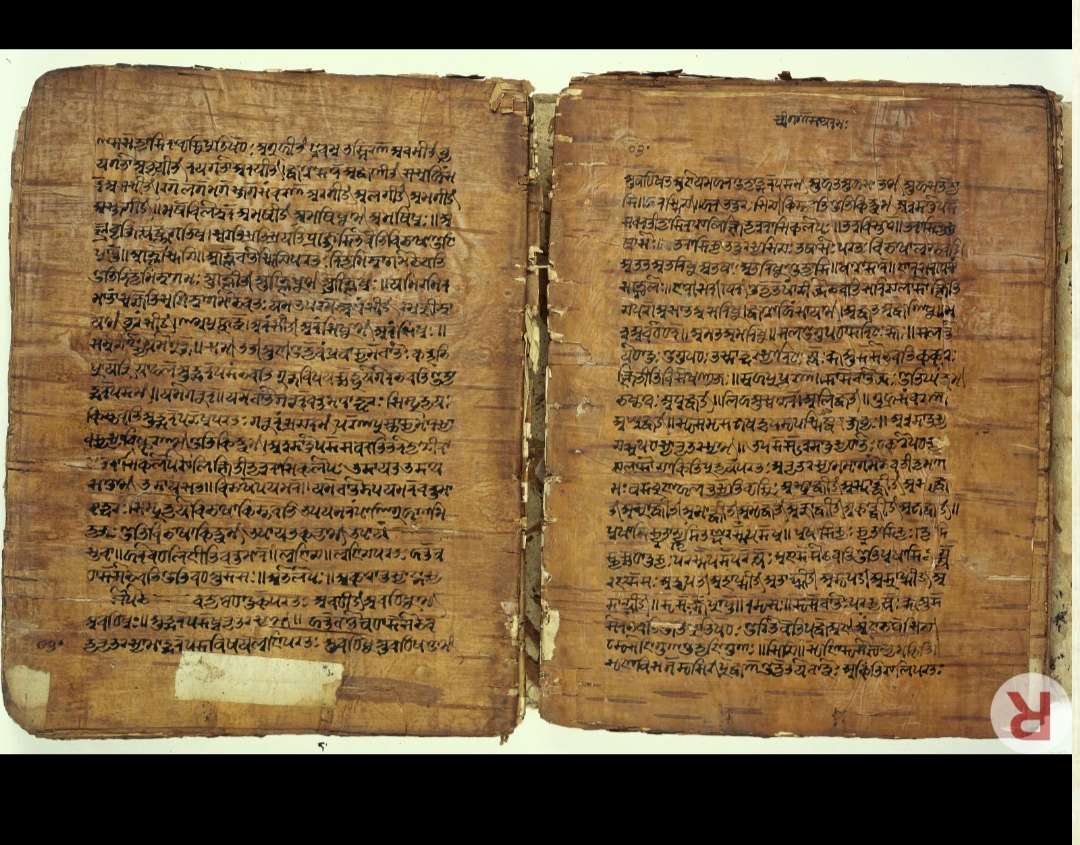
Kashmiri (Koshur) is an Indo-Aryan language usually classified within the Dardic group, spoken by around seven million people. It was historically written in the Sharada script and is now written mainly in a Perso-Arabic script, with a Devanagari form used by some Pandits. Kashmiri literature begins with the vakhs of Lal Ded and the shruks of Nund Rishi, continues through the love lyrics (lol) of Habba Khatoon and Arnimal, and flowers in the modern era with Mahjoor, Abdul Ahad Azad, Dina Nath Nadim and Rahman Rahi, the first Kashmiri-language writer to receive the Jnanpith Award.
Dogri, the language of the Jammu region, was historically written in the Takri script and is now written in Devanagari. It was added to the Eighth Schedule of the Indian Constitution in 2003. Its modern literature includes the poetry of Padma Sachdev and a lively tradition of folk ballads. Urdu served as the administrative language of the state from the late 19th century and remains the main link language across communities. Gojri and Pahari are spoken widely in the Pir Panjal belt, Shina in Gurez, and Bhaderwahi, Sarazi and Paddari in the Chenab valley. Sanskrit, Persian and Urdu scholarship all flourished here: Kashmir was once so famous for learning that Sanskrit texts refer to it as Sharada Desh, the land of the goddess of learning.
7. Religion, Festivals, and Pilgrimage
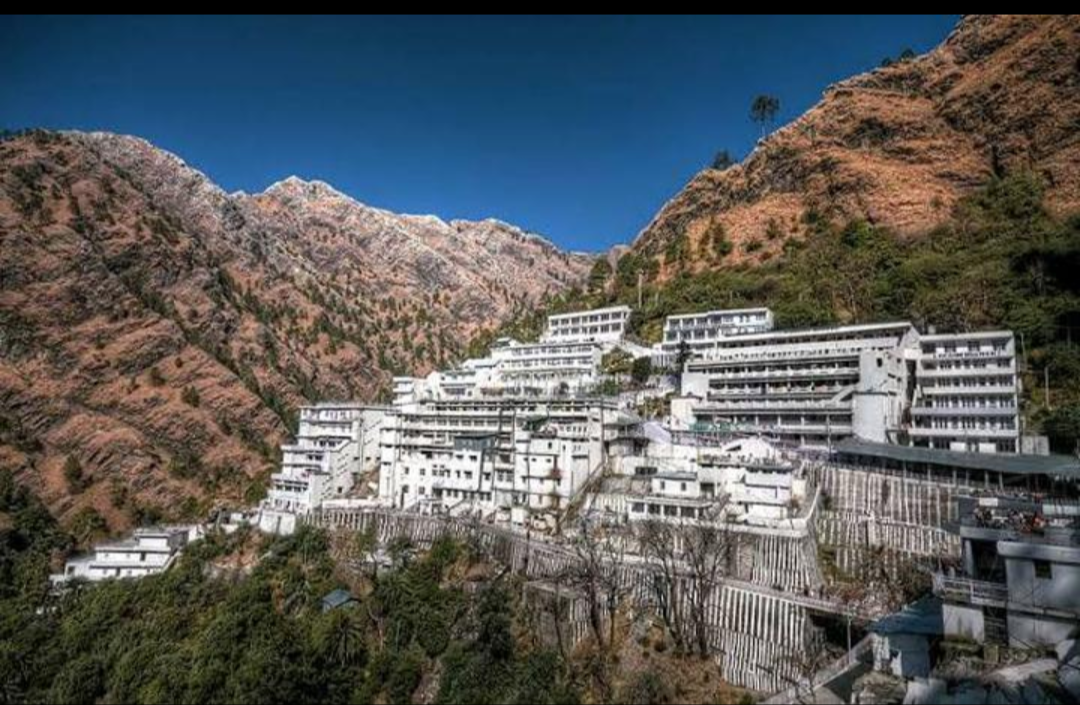
Jammu and Kashmir is one of the great sacred geographies of South Asia, shared among several faiths. For Muslims, the Hazratbal shrine on the Dal Lake, which houses a relic believed to be a hair of the Prophet Muhammad, is the most revered site in the Valley. Sufi shrines (ziyarats) dot the landscape, among them Charar-e-Sharif (Nund Rishi), Khanqah-e-Moula (Shah-e-Hamadan), Makhdoom Sahib and Dastgeer Sahib, and their annual urs festivals draw huge crowds. Shia Muslims observe Muharram with processions in Srinagar and Budgam.
For Hindus, the Vaishno Devi cave shrine in the Trikuta hills near Katra is one of the most visited pilgrimage sites in India, and the Amarnath cave, where an ice lingam forms each summer, draws lakhs of pilgrims on the annual yatra. Kashmiri Pandits hold the spring of Kheer Bhawani at Tulmulla especially dear, gathering there for the annual mela on Jyeshtha Ashtami. Jammu’s Raghunath and Ranbireshwar temples, the Bawe Wali Mata shrine at Bahu Fort, and the Shiv Khori cave in Reasi are important centres of worship. Sikhs revere gurdwaras such as Chatti Patshahi in Srinagar.
Major festivals include Eid al-Fitr and Eid al-Adha; Herath, the Kashmiri Pandit celebration of Mahashivratri, during which walnuts are soaked in a water pot and later distributed as prasad; Navreh, the Kashmiri Pandit new year; Lohri, Baisakhi, Diwali and Navratri in Jammu; the Jhiri Mela near Jammu honouring the folk hero Baba Jitto; and Gurpurab among the Sikhs.
8. Culture, Customs, and Social Practices
A defining idea in Kashmiri cultural life is Kashmiriyat, a term for the shared, syncretic ethos of the Valley in which Hindus and Muslims venerated the same saints, spoke the same language, ate from the same culinary tradition and joined each other’s festivals. The Rishi order of Nund Rishi and the poetry of Lal Ded are its best-known expressions. Its present-day meaning is debated, especially after the events of 1990, but it remains a powerful ideal of regional identity. In the Jammu region, Dogra identity centres on honour, hospitality, military service, and devotion to local deities (kul devtas) and folk heroes.
Joint family living, with married sons remaining in the parental home, has historically been the norm across communities. Hospitality is a strongly held value: a guest in a Kashmiri home is almost certain to be offered noon chai or kahwa, and in a Dogra home, lassi and a meal. Seasonal rhythms shape life strongly. In the Valley, winter is counted in three stages, beginning with Chillai Kalan, the forty harshest days from 21 December, followed by Chillai Khurd and Chillai Bachha. Among Gujjars and Bakarwals, social life is organised around seasonal migration, clan elders and a strong code of mutual support within the kafila (migrating group).
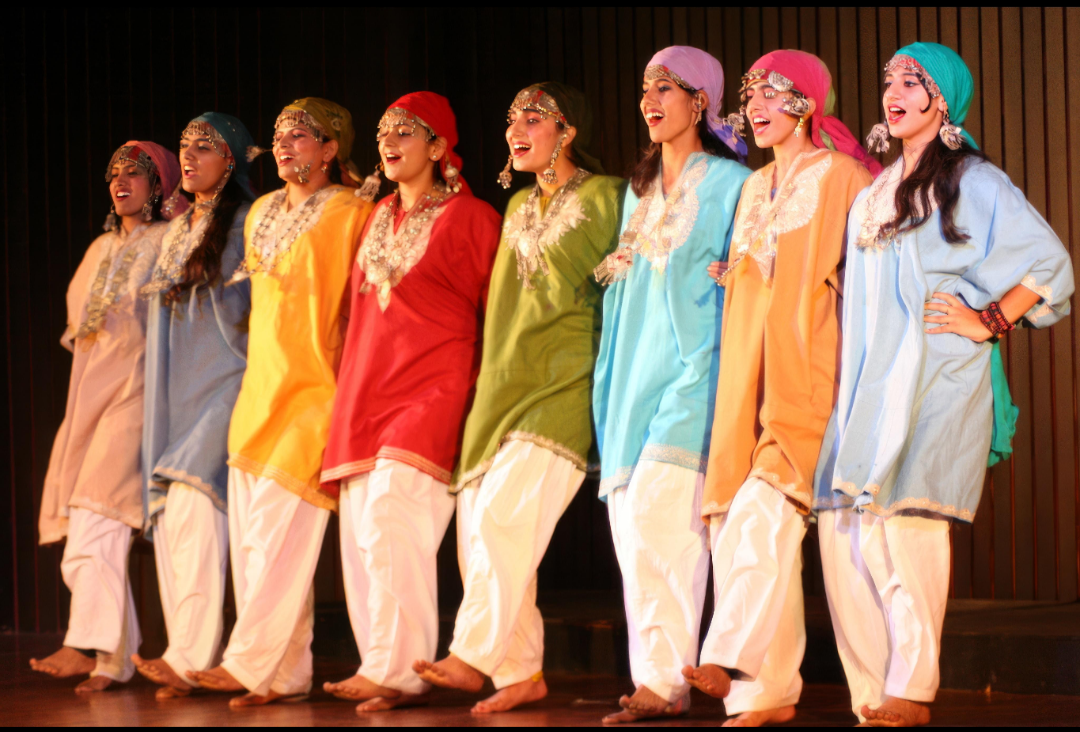
9. Marriage and Wedding Traditions
Kashmiri Muslim weddings are marked by the nikah, the mehr (dower), and several days of celebration. Women of the family sing wanwun, a call-and-response form of wedding song, while applying mehndi (the maenzraat ceremony, or henna night). The high point for guests is the wazwan, the multi-course feast served on a shared copper platter called the trami. The bride traditionally leaves home with gifts of household goods and returns to her parents after a few days for the ceremonial visit known as phirsal.
Kashmiri Pandit weddings follow Vedic rites with distinct local customs. They begin with the kasamdry (engagement), followed by livun, the ritual cleaning of the house, and the maenzraat henna night. On the wedding day the bride performs the devgon ritual, after which the groom arrives and the lagan ceremony takes place, including the posh puza, in which the couple are showered with flowers. Married Pandit women traditionally wear the dejhor, a pair of gold pendants hung from the ears on a thread or chain, as the symbol of marriage.
Dogra weddings in Jammu share the broad North Indian pattern of tilak, haldi, mehndi, baraat, phere and vidaai, enriched by Dogri wedding songs, the ghori ceremony for the groom, and elaborate feasts. Among Gujjars and Bakarwals, weddings are often held in the summer pastures or before the seasonal migration, with community feasting and traditional Gojri songs. Across most communities, marriage has historically been arranged within the community, with rules of clan exogamy where applicable.
10. Cuisine
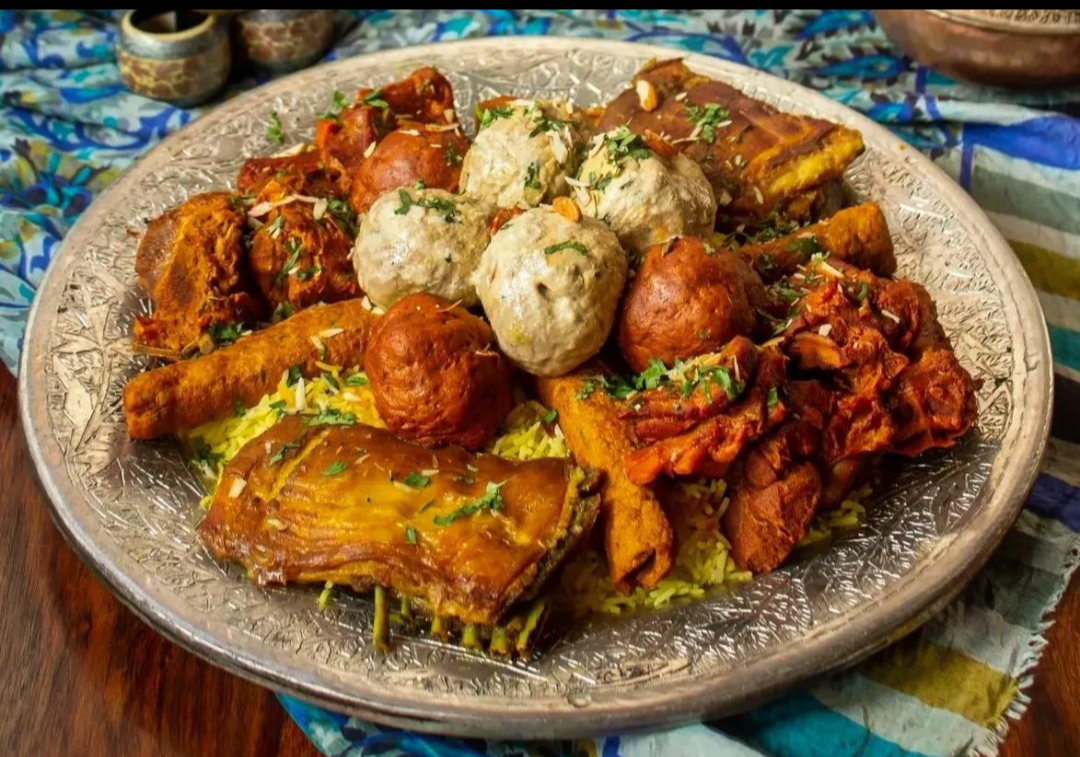
The region’s food culture is sharply divided by geography and community: the rice-and-meat cuisine of the Valley, the wheat, lentil and dairy-based cooking of Jammu, and the simple maize, butter and milk diet of the pastoral mountain communities.
10.1 Kashmiri Muslim Cuisine and the Wazwan
The wazwan is the ceremonial banquet of Kashmir, prepared by hereditary master chefs called vasta wazas who cook through the night in large copper cauldrons over wood fires. A traditional wazwan may run to more than twenty courses, and in legendary accounts as many as thirty-six. Signature dishes include tabak maaz (twice-cooked lamb ribs), rista (meatballs in a red gravy), rogan josh, aab gosh (lamb in milk), yakhni (yogurt-based curry), marchwangan korma (a fiery red chilli curry) and, to close the meal, gushtaba, large velvety meatballs in yogurt gravy. Kashmiri cooking relies on fennel powder, dried ginger, cockscomb flower (mawal) for colour, Kashmiri chilli, and saffron.
10.2 Kashmiri Pandit Cuisine
Kashmiri Pandits eat meat, but traditionally avoid onion and garlic, relying instead on asafoetida (hing), yogurt, fennel and dried ginger. Their rogan josh and yakhni are therefore distinct from the Muslim versions. Famous Pandit dishes include dum aloo, nadru yakhni (lotus stem in yogurt), monji haakh (kohlrabi greens), chaman qaliya (paneer in a turmeric-yogurt gravy) and the everyday haakh (collard greens), which is eaten almost daily in many Kashmiri homes, Hindu and Muslim.
10.3 Jammu and Dogra Cuisine
Dogra food is shaped by the plains and hills of Jammu. Well-known dishes include Rajmah-chawal, particularly made with the small red kidney beans of Bhaderwah; kalari (or kaladi), a fresh cheese pan-fried until crisp and often served in a kulcha; ambal, a sweet-and-sour pumpkin dish; auria, a fermented mustard-flavoured curry; khatta meat, a tangy mutton dish; and madra, chickpeas cooked in yogurt. The Dogra dham is a festive community meal served on leaf plates, traditionally cooked by Brahmin cooks called siyans.
10.4 Breads, Teas, and Everyday Food
- Noon chai (also called sheer chai), a pink, salted tea made with a special green tea, milk and a pinch of baking soda, is the everyday morning drink of the Valley.
- Kahwa, a green tea brewed with saffron, cardamom, cinnamon and slivers of almond, is traditionally made in a brass or copper samovar.
- The kandur (traditional baker) is a neighbourhood institution in Srinagar, baking girda, lavasa, tsochwor, kulcha and the flaky bakarkhani every morning.
- Harissa, a slow-cooked mutton and rice porridge, is a winter speciality sold in Srinagar before dawn during the cold months.
- Gujjar and Bakarwal households traditionally eat maize bread (makki roti), butter, lassi and wild greens, reflecting their pastoral economy.
11. Traditional Dress and Ornaments
The signature garment of the Valley is the pheran, a long, loose woollen or tweed gown worn by men and women alike. In winter it doubles as a portable room: a kangri, a small earthen pot of embers in a wicker basket, is carried inside it for warmth. Women’s pherans are often decorated with tilla (gold or silver thread) or aari embroidery around the neck and cuffs. Traditional headwear for Muslim women included the kasaba, a padded cap with a veil, while Pandit women traditionally wore the taranga, a flowing headdress, together with the dejhor ear ornament and the atahor, a string passed through it. Men wore skull caps or, among the elite, the karakul cap made of lambskin, which remains a mark of formality.
Kashmir is synonymous with fine wool. Pashmina, woven from the soft undercoat of the Changthangi goat of the Ladakh plateau, is spun and woven by hand in Kashmir. The kani shawl, woven with wooden bobbins (kanis) according to a coded pattern (talim), originates in the village of Kanihama, while sozni needle embroidery covers shawls in intricate paisley and floral designs. The trade in the shawls influenced the famous “paisley” motif in 19th-century Europe.
In the Jammu region, Dogra men traditionally wore a kurta with churidar or suthan, a waistcoat and a turban (pagg), while women wore a kurta or kameez with a suthan (tight trousers) and a dupatta, often embroidered. Gold jewellery such as the tikka and nath (nose ring) is important in bridal wear. Gujjar and Bakarwal men are recognisable by their distinctive turbans and long beards, while women wear embroidered caps, long shirts and heavy silver jewellery.
12. Crafts and Material Culture
Many of the region’s crafts hold Geographical Indication (GI) status. These include Kashmir pashmina, the kani shawl, sozni embroidery, papier-mâché (painted objects made from paper pulp), walnut wood carving, khatamband (geometric wooden ceilings), Kashmiri hand-knotted carpets and Kashmir saffron. Other traditional crafts include namda (felted wool rugs), gabba (embroidered rugs made from old blankets), copperware such as the samovar and trami, willow wickerwork, and the famous cricket bats made from Kashmir willow in Anantnag and Pulwama. In Jammu, Basohli painting, an early school of Pahari miniature art known for its bold colours, is the region’s best-known artistic tradition.
13. Traditional Housing and Architecture
Traditional Kashmiri homes were built using two ingenious earthquake-resistant techniques: taq, in which masonry walls are strengthened with horizontal timber beams, and dhajji dewari, a timber frame filled with brick or stone. Houses often had a projecting wooden balcony (dab), finely carved lattice windows (pinjrakari), khatamband ceilings, and roofs originally covered with birch bark and earth, where flowers would sometimes bloom in spring. Many older homes had a hamam, a room heated from below by a wood fire, used for warmth in winter. The houseboats of the Dal and Nigeen lakes date largely from the Dogra period, when foreigners, who were not allowed to own land, began living on water instead.
The monumental heritage is equally layered: the ruins of the Martand Sun Temple and the temples of Avantipora; the wooden mosques and shrines of Srinagar, especially Khanqah-e-Moula and the Jamia Masjid with its hundreds of deodar pillars; the Mughal gardens; and in Jammu, the Mubarak Mandi palace complex, Bahu Fort and the Raghunath Temple. Gujjar families traditionally live in flat-roofed timber and mud houses called kothas, and move to temporary huts called dhoks in the summer pastures.
14. Folklore, Music, and Oral Tradition
Kashmiri folklore includes romantic tales such as Himal and Nagrai, the love story of a princess and a serpent prince, and Bombur and Yambarzal, a fable of the bumblebee and the narcissus flower. The Ladishah is a wandering satirical singer who comments on current events in rhyme, and Bhand Pather is a centuries-old folk theatre performed by hereditary actors, using satire to criticise the powerful. Kashmiri classical music finds expression in Sufiana Kalam, sung to the santoor, sitar and saz-e-Kashmir, while popular forms include chakri (a lively folk song form) and the rouf, a group dance performed by women in rows, especially during Eid and the spring.
In Jammu, the Kud is a ritual dance performed at night in honour of village deities, and Dogri folk tradition includes karak ballads sung by wandering bards, heroic stories of Baba Jitto and Raja Mandlik, and wedding songs. The Gujjar and Bakarwal communities preserve baet, a form of Gojri poetry and song, which is sung at gatherings and during their migrations.
15. Small Cultural Things
- Kangri under the pheran: a common winter sight, and even the subject of Kashmiri proverbs.
- Samovar at the centre: the samovar is often the centrepiece of the family room, and tea is poured from it throughout the day.
- Shared trami: at a wazwan, four guests share one large copper plate, and it is polite not to leave the gathering before the gushtaba is served.
- Khetsimavas: on a winter night, Kashmiri Pandits place a plate of khichdi outside for the yakshas (protective spirits), a custom unique to the community.
- Walnuts at Herath: soaked walnuts are distributed as prasad to relatives and friends after Shivratri.
- Lake life: in Srinagar, floating vegetable markets are held at dawn on the Dal Lake.
- Dogra lassi and the shade of the peepal tree: Jammu villages traditionally have a peepal or banyan tree platform where men gather to talk.
- Moving with the seasons: Bakarwal families still walk with their flocks and horses along the old migration routes over the Pir Panjal every spring and autumn.
16. Education, Livelihoods, and Socioeconomic Profile
Agriculture and horticulture remain the backbone of the economy. Jammu and Kashmir produces roughly three-quarters of India’s apples, along with walnuts, almonds, cherries and pears, and the Valley’s orchards support hundreds of thousands of families. Saffron from Pampore and Kishtwar is among the most valuable crops by weight in the world. The Jammu plains produce basmati rice, wheat and maize. Tourism (lakes and houseboats, hill resorts such as Gulmarg and Pahalgam) and pilgrimage (Vaishno Devi, Amarnath) are major employers, as are handicrafts, which provide livelihoods for artisans in thousands of homes. Government service has historically been one of the largest employers in the region.
The Dogras have a long tradition of military service, and Jammu and Kashmir is a major source of recruits for units such as the Jammu and Kashmir Rifles, the Jammu and Kashmir Light Infantry and the Dogra Regiment. Gujjars and Bakarwals continue to depend largely on livestock, dairy and seasonal grazing. Industrial estates in Kathua, Samba and Jammu, and the growth of services in Srinagar and Jammu, are gradually diversifying the economy. Educational institutions include the University of Kashmir, the University of Jammu, the Sher-i-Kashmir Institute of Medical Sciences, and branches of NIT, IIT and IIM in the region.
17. Diaspora
- Kashmiris of Punjab: over the 19th century, especially during the famine of 1877–79 and under heavy taxation, large numbers of Kashmiri Muslims migrated to Punjab, settling in Lahore, Amritsar, Sialkot and Ludhiana. Their descendants form a well-known Kashmiri biradari in both Indian and Pakistani Punjab. Figures such as the writer Saadat Hasan Manto and the family of former Pakistani Prime Minister Nawaz Sharif trace their roots to this migration.
- Kashmiri Pandits of the plains: from the 18th century, Pandit families migrated to Delhi, Lucknow, Allahabad and other cities to serve at the Mughal and Awadh courts and later in British administration. The Nehru, Sapru, Katju and Kunzru families all belong to this lineage. The poet-philosopher Muhammad Iqbal also had Kashmiri Pandit ancestry.
- The 1990 displacement: the exodus of Kashmiri Pandits created large communities in Jammu, Delhi, Pune, Bengaluru and abroad, particularly in the United States and the United Kingdom, where community organisations work to preserve the language, festivals and cuisine.
- Mirpuri Kashmiris in Britain: many people in the United Kingdom of Pakistani heritage trace their roots to Mirpur in Pakistan-administered Kashmir, where migration increased after the construction of the Mangla Dam in the 1960s. They form one of the largest Kashmiri-origin communities outside the subcontinent.
- Modern migration: students, doctors, engineers and professionals from all communities have moved to Indian metros, the Gulf, Europe, North America and Australia, while Gujjar and Pahari workers have migrated for work to Punjab and other states.
18. Prominent Figures
18.1 History, Politics, and Public Life
- Lalitaditya Muktapida (8th century) – Karkota king remembered as one of Kashmir’s greatest rulers.
- Zain-ul-Abidin (Budshah) (15th century) – Sultan famed for tolerance and patronage of crafts.
- Maharaja Gulab Singh (1792–1857) – founder of the Dogra state of Jammu and Kashmir.
- General Zorawar Singh (1786–1841) – Dogra commander who led campaigns into Ladakh, Baltistan and Tibet.
- Sheikh Mohammad Abdullah (1905–1982) – founder of the National Conference and a towering figure of 20th-century Kashmiri politics.
- Dr. Karan Singh (b. 1931) – last heir of the Dogra throne, statesman and scholar.
- Brigadier Rajinder Singh (1899–1947) – Dogra officer who died defending Uri in 1947, the first recipient of the Maha Vir Chakra.
- Mufti Mohammad Sayeed, Farooq Abdullah, Omar Abdullah, Mehbooba Mufti and Ghulam Nabi Azad – leading political figures of the modern era.
18.2 Literature, Philosophy, and the Arts
- Abhinavagupta (c. 950–1016) – philosopher of Kashmir Shaivism and aesthetics.
- Kalhana (12th century) – author of the Rajatarangini.
- Lal Ded and Nund Rishi (14th–15th centuries) – mystic poets and founders of Kashmiri literature.
- Habba Khatoon (16th century) – poet-queen and singer of love songs.
- Mahjoor (1887–1952) and Rahman Rahi (1925–2023) – major modern Kashmiri poets.
- Padma Sachdev (1940–2021) – celebrated Dogri poet and novelist.
- Pandit Shivkumar Sharma (1938–2022) – santoor maestro from Jammu who brought the instrument to world stages.
- Agha Shahid Ali (1949–2001) – Kashmiri-American poet, known for The Country Without a Post Office.
18.3 Sports, Cinema, and Other Fields
- Parvez Rasool – the first cricketer from Jammu and Kashmir to represent India.
- Umran Malik – fast bowler from Jammu known for his extreme pace.
- Anupam Kher, Kunal Kemmu and Sanjay Suri – actors from Kashmiri Pandit families, and Mohit Raina from Jammu.
19. Conclusion
Jammu and Kashmir is a rare case of a small region carrying an extraordinary density of history, language and belief. Neolithic villagers at Burzahom, Buddhist monks at Harwan, Shaiva philosophers, Sufi saints, Mughal gardeners, Dogra generals and Gujjar herders all left their mark on the same mountain landscape. Its genetics tell a matching story: a shared north-western South Asian gene pool, common to Pandits and Muslims of the Valley, sitting alongside the distinct lineages of pastoral and high-altitude communities. From the wazwan of Srinagar to the Kud dances of the Jammu hills, and from Kashmiri Pandit homes in Delhi to Mirpuri families in Bradford, the people of Jammu and Kashmir carry a heritage that is at once local, layered, and scattered across the world.
References
- [1]1. Census of India 2011, Jammu and Kashmir: primary census abstract and religion tables.
- [2]2. The Jammu and Kashmir Reorganisation Act, 2019; The Jammu and Kashmir Official Languages Act, 2020.
- [3]3. The Constitution (Jammu and Kashmir) Scheduled Tribes Order (Amendment) Act, 2024.
- [4]4. Kalhana, Rajatarangini. Trans. M. A. Stein, Kalhaṇa’s Rājataraṅgiṇī: A Chronicle of the Kings of Kaśmīr, 1900.
- [5]5. Reich, D. et al. “Reconstructing Indian population history.” Nature 461 (2009): 489–494.
- [6]6. Narasimhan, V. M. et al. “The formation of human populations in South and Central Asia.” Science 365 (2019).
- [7]7. Downie, J. M. et al. “A Genome-Wide Search for Greek and Jewish Admixture in the Kashmiri Population.” PLoS ONE 11(8): e0160614 (2016).
- [8]8. “The genetic affinities of Gujjar and Ladakhi populations of India.” Scientific Reports 10 (2020).
- [9]9. “Contrasting maternal and paternal genetic histories among five ethnic groups from Khyber Pakhtunkhwa, Pakistan.” Scientific Reports 12 (2022).
- [10]10. Lawrence, W. R. The Valley of Kashmir. London, 1895.
- [11]11. Kashmir Observer, “Statehood Restoration Demand Raised in J&K Assembly,” 21 September 2026.
Frequently Asked Questions
What ethnicity or ancestry are people from Jammu and Kashmir?
People from Jammu and Kashmir do not belong to a single ethnicity. The region includes Kashmiri-speaking Muslims and Pandits, Dogras, Gujjars and Bakarwals, Paharis, Sikhs, Dards and several smaller groups. Genetically, most populations sit at the north-western end of the South Asian cline, combining ancient South Asian, Iranian-related and Steppe-related ancestry, with a higher West Eurasian share than populations further south and east in India.
Are Kashmiri Muslims and Kashmiri Pandits genetically related?
Yes. Genome-wide research has found that Valley Kashmiris and Kashmiri Pandits have virtually indistinguishable ancestry profiles. This supports the historical view that most Kashmiri Muslims descend from local people who converted to Islam over several centuries, rather than from outside populations who replaced them.
Are Kashmiris descended from the lost tribes of Israel or Alexander’s Greeks?
These are popular legends, but a 2016 genome-wide study found no significant evidence of Jewish or Greek admixture in modern Kashmiris. Instead, Kashmiris are genetically similar to neighbouring populations of northern India and Pakistan.
What DNA haplogroups are common in Jammu and Kashmir?
Paternal lineages in the region are dominated by haplogroup R1a (especially the Z93 branch), alongside J2, L, R2 and smaller H and Q components. Maternal lineages combine South Asian M-lineages with West Eurasian haplogroups such as U, H, HV and W. Frequencies differ noticeably between communities such as Pandits, Dogras, Gujjars and Ladakhis.
What languages are spoken in Jammu and Kashmir?
The official languages are Kashmiri, Dogri, Urdu, Hindi and English. Kashmiri dominates in the Valley and Dogri in the Jammu region, while Gojri and Pahari are widely spoken in Rajouri, Poonch and the mountain areas, Shina in Gurez, and Bhaderwahi, Sarazi and Paddari in the Chenab valley.
What is the traditional dress of Jammu and Kashmir?
In the Valley, men and women wear the pheran, a long loose woollen gown, often embroidered with tilla or aari work, with a kangri fire pot carried inside in winter. Pashmina, kani and sozni shawls are the region’s most famous textiles. In Jammu, Dogra men traditionally wear a kurta, churidar and turban, and women a kurta with suthan and dupatta.
What is Jammu and Kashmir famous for in terms of food?
The region is best known for the Kashmiri wazwan, a multi-course banquet featuring rogan josh, rista, tabak maaz and gushtaba, as well as noon chai and kahwa. Kashmiri Pandit cooking, which avoids onion and garlic, and Dogra dishes such as rajmah-chawal, kalari kulcha, ambal and khatta meat are also celebrated.
What is the difference between Kashmiri Muslim and Kashmiri Pandit cuisine?
Both share many dishes, including rogan josh and yakhni, but Muslim cooking uses onion, garlic and shallots, while traditional Pandit cooking avoids them, using asafoetida, yogurt, fennel and dried ginger instead. Pandit cuisine also features vegetarian specialities such as dum aloo, nadru yakhni and chaman qaliya.
Who are the Dogras?
Who are the Gujjars and Bakarwals?
Gujjars and Bakarwals are the largest Scheduled Tribe communities of Jammu and Kashmir. Gujjars are mostly settled or semi-settled cattle keepers, while Bakarwals are nomadic herders who move their goats and sheep between the Jammu plains and the high pastures of Kashmir each year. Both speak Gojri.
What is Kashmiriyat?
Kashmiriyat refers to the shared, syncretic culture of the Kashmir Valley, in which Hindus and Muslims historically venerated the same saints, spoke the same language and celebrated each other’s festivals. It draws on the legacy of Lal Ded and Nund Rishi, and remains an important, though debated, ideal of regional identity.
Where did people from Jammu and Kashmir migrate to historically?
Kashmiri Muslims migrated in large numbers to Punjab in the 19th century, while Kashmiri Pandits settled in Delhi, Lucknow and Allahabad from the 18th century. The 1990 displacement created large Pandit communities in Jammu, Delhi and abroad. Many British Pakistanis trace their roots to Mirpur, and modern migration has taken people to Indian cities, the Gulf, Europe and North America.
Is Jammu and Kashmir a state or a Union Territory?
Since 31 October 2019, Jammu and Kashmir has been a Union Territory with an elected legislature, while Ladakh became a separate Union Territory. The restoration of full statehood has been promised by the Union government and upheld as a goal by the Supreme Court, and it remains a major political demand in the region as of 2026.
What physical traits are typical of people from Jammu and Kashmir?
There is no single physical type for the region. Valley Kashmiris and many hill communities often have lighter skin tones and narrower, higher-bridged noses than the South Asian average, with light-coloured eyes appearing occasionally, reflecting their north-western position on the South Asian genetic cline. Jammu’s plains population resembles neighbouring Punjab, while communities near Ladakh may show East Asian features. Differences between communities reflect centuries of endogamy and geography rather than a uniform regional phenotype.
← All Communities · Atlas · GenoConnect