

Shakya Community
Explore the Shakya community of Uttar Pradesh and Madhya Pradesh: their roots as vegetable and crop cultivators of the Doab, their claim of descent from the Buddha's Shakya clan, their culture, cuisine, diaspora and genetic ancestry.
THE SHAKYA COMMUNITY OF INDIA
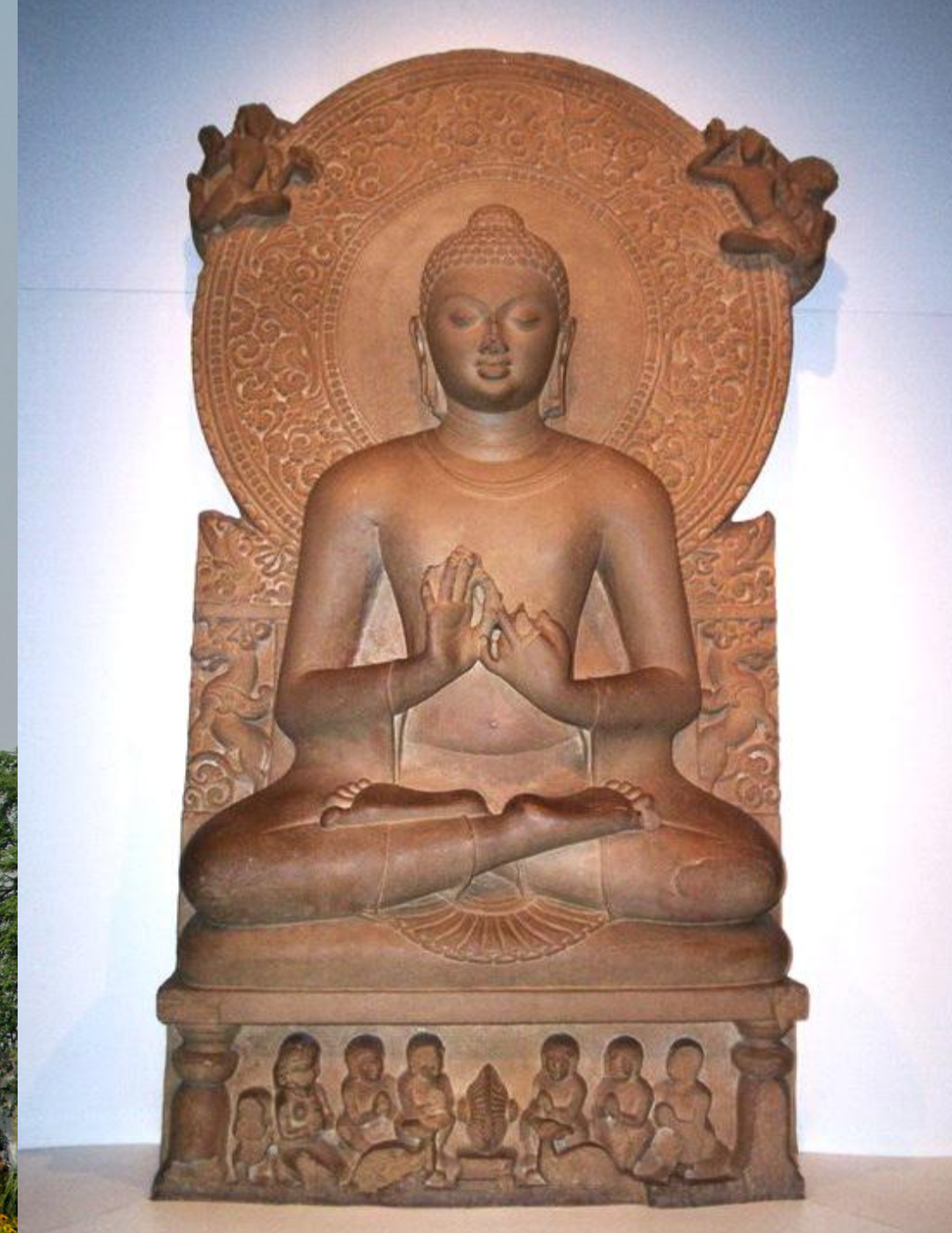
History, Culture, Ancestry and Identity of a Cultivator Community of the Ganga–Yamuna Doab
Introduction: Who Are the Shakyas?
The Shakyas are a Hindi-speaking agricultural community of north and central India, concentrated in the Ganga–Yamuna Doab and the surrounding plains of western and central Uttar Pradesh, with extensions into the neighbouring districts of Madhya Pradesh and Rajasthan. They are best understood as a geography-based community: families who share a common region, a common livelihood as skilled cultivators of vegetables, cash crops and grain, and, since the early twentieth century, a common name and a shared story of origin.
Today the Shakyas are counted as part of the wider Kushwaha caste cluster, a large network of related cultivator groups known in different parts of north India as Kushwaha, Koeri, Kachhi, Murao, Maurya, Saini and Shakya. Within this cluster, the Shakya name is most strongly associated with the districts of Etah, Kasganj, Mainpuri, Etawah, Auraiya, Farrukhabad, Kannauj, Badaun, Firozabad and parts of Bareilly, Shahjahanpur and Agra. What sets the Shakyas apart is their identification with the ancient Shakya clan of Kapilavastu, the clan into which Siddhartha Gautama, the Buddha, was born. That claim, together with a long history of patient, intensive farming, is what gives the community its distinctive sense of self.
This profile brings together encyclopaedic, historical, ethnographic and community sources to describe what is reliably known about Shakya origins, history, social life, culture, cuisine and notable figures, and it sets out the questions about ancestry that genetic testing can help the community answer. Where accounts differ, this is noted in the text. A short note on the separate Newar Shakya community of Nepal is included for readers who share the surname but come from the Kathmandu Valley.
Etymology of the Name "Shakya"
The name Shakya (Sanskrit Śākya, Pali Sakya) is ancient. In early Buddhist texts it names the clan, or gaṇa, that ruled from Kapilavastu in the foothills of the Himalaya in the sixth and fifth centuries BCE. The Buddha himself is widely remembered as Shakyamuni, "the sage of the Shakyas". Buddhist tradition derives the word from the root śak, "to be able", and tells a story in which the founders of the clan were praised as "capable" for building a city in exile; another tradition links the name to the śāka (teak or sal) groves where they settled. Both accounts are legendary, but they show that the name has always carried a sense of capability and of rootedness in the land.
Among the cultivator communities of Uttar Pradesh, Shakya came into wide use as a caste title and surname during the caste-reform and census movements of the late nineteenth and early twentieth centuries. Families who had previously been recorded under occupational names, most commonly Kachhi, began to adopt Shakya (alongside Kushwaha and Maurya) as a statement of ancient and respected lineage. Today Shakya is used both as a surname and as the name of the community itself.
Geography: The Land of the Shakyas
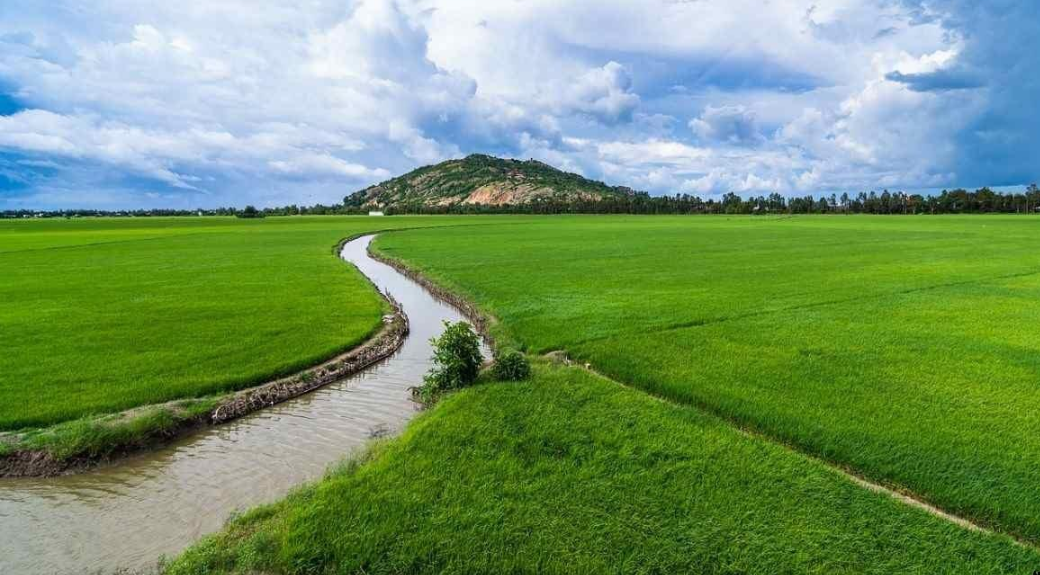
The heartland of the Shakya community is the central and lower Doab, the flat, fertile alluvial tract between the Ganga and the Yamuna. This is a landscape of canal-irrigated fields, mango and guava orchards, small market towns and dense villages, watered by the Ganga Canal system and by smaller rivers such as the Kali Nadi, the Isan and the Arind. The region's rich, light soils and reliable water made it ideal for the kind of intensive, small-plot cultivation in which Shakya and Kachhi families specialised.
- Core districts: Etah, Kasganj, Mainpuri, Etawah, Auraiya, Farrukhabad, Kannauj, Firozabad and Badaun in Uttar Pradesh.
- Secondary areas: Bareilly, Shahjahanpur, Hardoi, Agra, Aligarh, Kanpur, Jalaun and the wider Rohilkhand and Bundelkhand belts.
- Beyond Uttar Pradesh: the Chambal and Gwalior–Bhind–Morena region of Madhya Pradesh, parts of eastern Rajasthan, and urban centres such as Delhi, Lucknow, Kanpur, Agra and Gwalior.
A notable landmark within this heartland is Sankisa (ancient Sankassa) in Farrukhabad district, one of the eight great pilgrimage sites of Buddhism, where the Buddha is believed to have descended from the heaven of the Thirty-Three. For many Shakya families, Sankisa is not only a pilgrimage site but a symbol of their own connection to the Buddha's clan, and the annual gatherings held there draw large crowds from the community.
Origins and Early History
There are two layers to the Shakya origin story, and it is useful to keep them separate.
The ancient Shakya clan
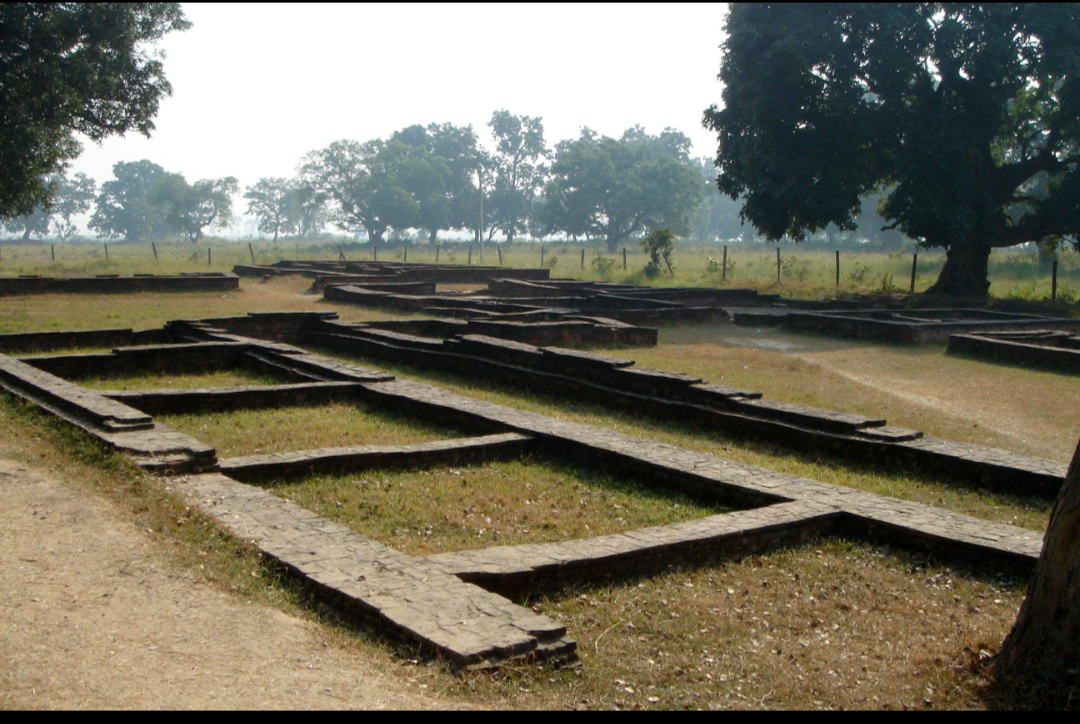
The historical Shakyas were a Kshatriya clan of the late Iron Age who governed a small republican polity centred on Kapilavastu, in the Terai region on the present India–Nepal border. Buddhist sources describe them as proud of their lineage, which they traced to the Ikshvaku or solar (Suryavanshi) dynasty, the same line to which Rama of the Ramayana belongs. According to Buddhist tradition, the Shakya polity was destroyed during the Buddha's lifetime by Vidudabha, king of Kosala, and its survivors were scattered. Later legends, repeated in community histories, hold that surviving Shakyas fled into other regions of the Ganga plain and the hills, and that the Mauryas, too, descended from a branch of them.
The cultivator community of the Doab
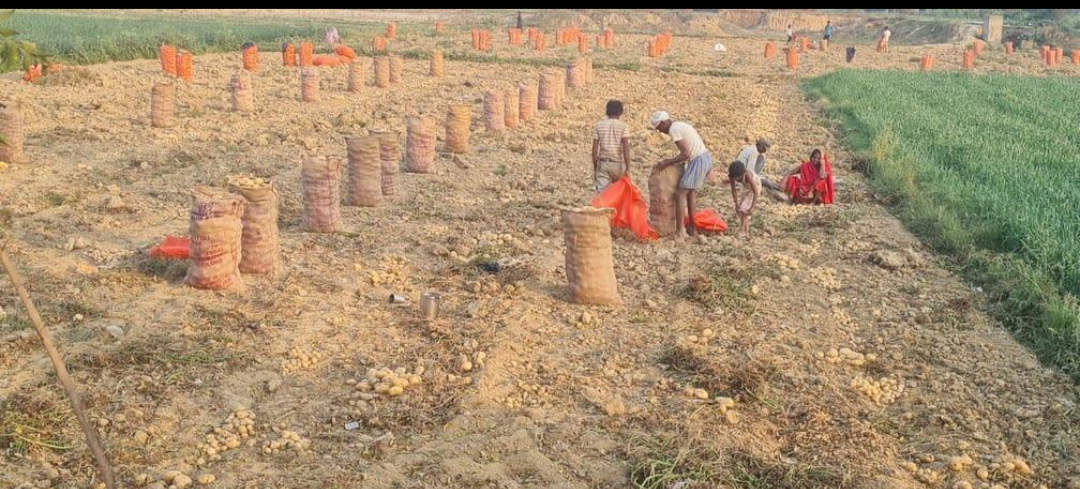
The modern Shakya community emerges more clearly in the records of the colonial period. Nineteenth-century census reports and ethnographic surveys of the North-Western Provinces recorded the cultivators of the Doab under occupational names, chiefly Kachhi (and the related Murao and Koeri), describing them as among the most skilled and industrious farmers of the province, famed for growing vegetables, poppy, tobacco, sugarcane and garden crops on small, heavily manured and irrigated plots near villages and towns.
From the late nineteenth century onward, these communities took part in a broad movement of social reform and self-assertion. Caste associations, culminating in the All India Kushwaha Kshatriya Mahasabha, argued that cultivator groups such as the Kachhis, Koeris and Muraos were in fact Kshatriyas of solar descent, claiming lineage either from Kush, son of Rama, or from the Buddha's Shakya clan and the Maurya emperors. Families in the Etah, Mainpuri and Farrukhabad belt in particular adopted the Shakya name, reinforcing their claim through the proximity of Sankisa and the region's Buddhist past. Over the twentieth century these groups increasingly intermarried and organised together, forming the broad Kushwaha cluster that exists today.
Scholars treat the descent from the ancient Shakya clan as a community tradition rather than a demonstrated historical fact. Two thousand years separate the two groups, and the documentary record that would connect them does not exist. The tradition is nonetheless deeply meaningful to the community, and it has shaped Shakya religious life, politics and identity in very real ways. It is also precisely the kind of question where genetic data can add a new, independent line of evidence.
Social Structure and Related Communities
The Shakyas are part of the Kushwaha caste cluster, which brings together several historically distinct but closely related cultivator groups. Different names dominate in different regions:
In Uttar Pradesh the Shakyas are classified as an Other Backward Class (OBC). Socially, they have traditionally been landholding or tenant cultivators of middle status, occupying a place in village society alongside groups such as the Kurmis, Lodhs and Yadavs. Marriage has traditionally been arranged within the community, with gotra rules and village exogamy governing whom one may marry; in recent decades, marriages between Shakya, Kushwaha, Maurya and Saini families have become increasingly common, reflecting the unifying work of the caste associations.
Local caste panchayats and, increasingly, district-level Shakya and Kushwaha samitis play a role in organising community events, mass weddings, student felicitations and social reform drives, such as campaigns against dowry and expensive wedding customs.
Religion and Belief
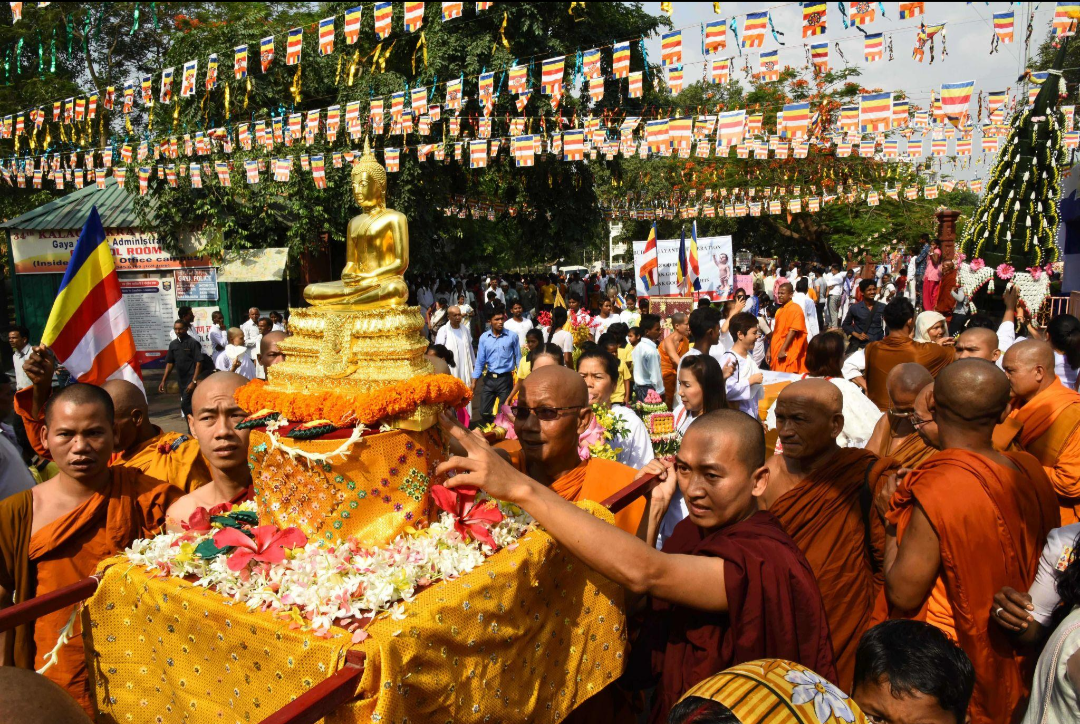
Most Shakyas are Hindus, worshipping the gods of the north Indian village pantheon and observing the major festivals of the Hindi belt. A significant and growing section of the community, however, identifies with Buddhism, either fully or alongside Hindu practice. This turn towards Buddhism draws on the community's claimed descent from the Buddha's own clan and on the broader Ambedkarite and Bahujan movements of the twentieth century, which presented Buddhism as an egalitarian alternative to caste hierarchy.
Buddha Purnima is widely celebrated in Shakya areas, and the gathering at Sankisa is a highlight of the community calendar. Many Shakya homes keep images of the Buddha, sometimes beside Hindu deities, and some families have adopted Buddhist wedding and naming rites. The political movement associated with the Mahan Dal and with leaders from the Kushwaha cluster has further reinforced this Buddhist identity in western Uttar Pradesh.
Language
Shakyas speak the language of the region in which they live. In the Etah, Mainpuri, Firozabad and Agra belt this is Braj Bhasha; around Farrukhabad, Kannauj and Etawah it shades into Kannauji; in Bundelkhand it is Bundeli; and towards Badaun and Bareilly, the Khari Boli and Rohilkhandi varieties of western Hindi. Standard Hindi is used in education, work and public life, and English is common among the urban and educated generation.
Livelihood and Occupations
The defining traditional occupation of the Shakyas is intensive cultivation. Colonial observers repeatedly described Kachhi and Shakya cultivators as among the finest market gardeners in the province, able to produce several crops a year from small plots through careful irrigation, manuring and labour. Traditional crops included vegetables of every kind, potatoes, onions, garlic, chillies, sugarcane, tobacco, flowers and, historically, opium poppy grown under government licence.
This expertise continues today. The Farrukhabad–Kannauj–Etah belt is one of India's most important potato-growing regions, and Shakya farmers are prominent in potato, vegetable and cold-storage-linked agriculture. Over the last two generations, however, the community has diversified widely:
- Agriculture and horticulture: vegetables, potatoes, fruit orchards, nurseries and seed businesses.
- Government service: teaching, police, the armed forces, railways, banks and state administration.
- Professions: medicine, engineering, law, accountancy and academia.
- Business: vegetable and grain trade, cold storage, transport, retail and construction.
- Politics: the Shakyas are an influential voting bloc across western and central Uttar Pradesh and have produced many legislators.
| From Potato Fields to the Wider WorldYour family's skill with the soil may stretch back centuries. Discover how your ancestry connects you to the farming communities of the Doab and beyond.→ Explore Your Agricultural Heritage |
|---|
Customs, Family Life and Marriage
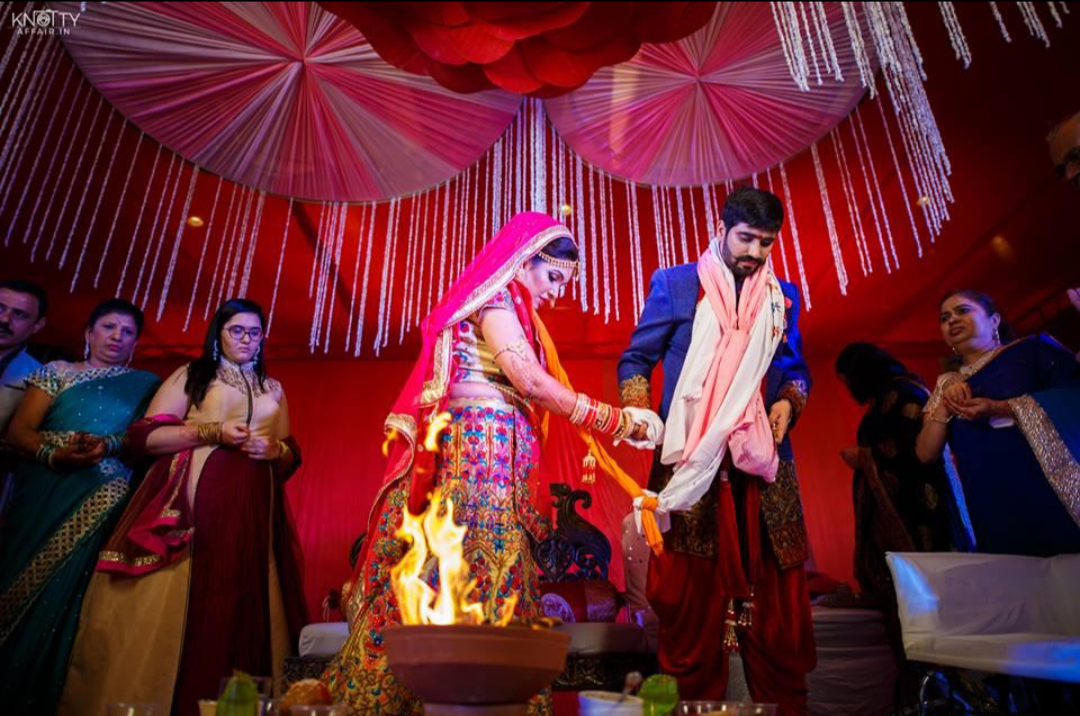
Shakya family life follows the broad pattern of the north Indian countryside, built around the joint family, the village and the agricultural year. Marriages are usually arranged, and a traditional Shakya wedding includes the tilak or sagai (engagement), haldi and mehndi ceremonies, the baraat procession, the phere around the sacred fire and the bidai (farewell of the bride). Families who follow Buddhist practice may instead hold a ceremony before an image of the Buddha, with the recitation of the Trisharan and Panchsheel.
Village folk songs, the Holi phaag and the rasiya songs of the Braj region, alha recitations, and the singing of women's songs at weddings and births all form part of the community's cultural world. Social reform has been a recurring theme in Shakya community life, with associations encouraging girls' education, simpler weddings and an end to dowry.
Small cultural details
- Names: Shakya, Kushwaha and Maurya are used interchangeably by many families; some individuals also use Singh as a middle name.
- The Buddha in the home: a framed image of the Buddha, often next to Hindu deities, is a common sight in Shakya homes.
- Sankisa: many families have a tradition of visiting Sankisa at least once, especially around Buddha Purnima.
- The kitchen garden: even in towns, Shakya households are known for growing vegetables on any available patch of land.
- Mass weddings: community samitis frequently organise samuhik vivah (mass weddings) to reduce wedding costs.
Cuisine
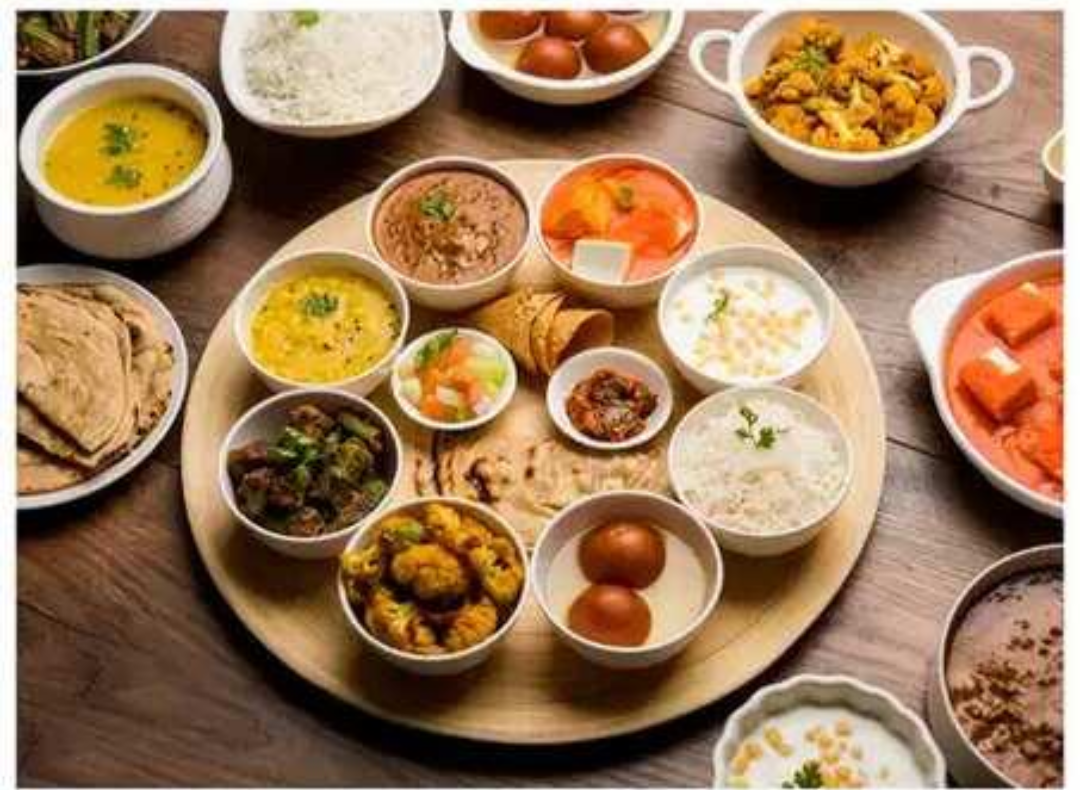
Shakya food is the everyday cuisine of the Doab, simple, seasonal and centred on what the fields produce. As expert vegetable growers, Shakya households have always eaten a wide variety of fresh vegetables. Many families are vegetarian, a tendency strengthened among those who follow Buddhist practice, though meat is eaten in others.
- Roti and sabzi: wheat rotis, or bajra and makka rotis in winter, eaten with seasonal vegetables such as aloo, lauki, tori, baingan, sarson and bathua saag.
- Dal-bhaat and kadhi: arhar dal with rice, and the yoghurt-and-gram-flour kadhi with pakoras, are everyday staples.
- Aloo dishes: in the potato belt of Farrukhabad and Kannauj, potatoes appear in countless forms, from aloo-puri and aloo tikki to dum aloo.
- Chokha and bharta: roasted aubergine, tomato or potato mashed with mustard oil, garlic and green chilli.
- Sweets: gur (jaggery) from home-grown sugarcane, kheer, malpua, gujiya at Holi and the pedha and petha of Mathura and Agra nearby.
| Taste the Doab in Your DNAFrom fresh sabzi to winter saag and jaggery, Shakya food reflects centuries of farming. Discover the ancestral story behind your family's kitchen.→ Taste Your Ancestry |
|---|
Dress
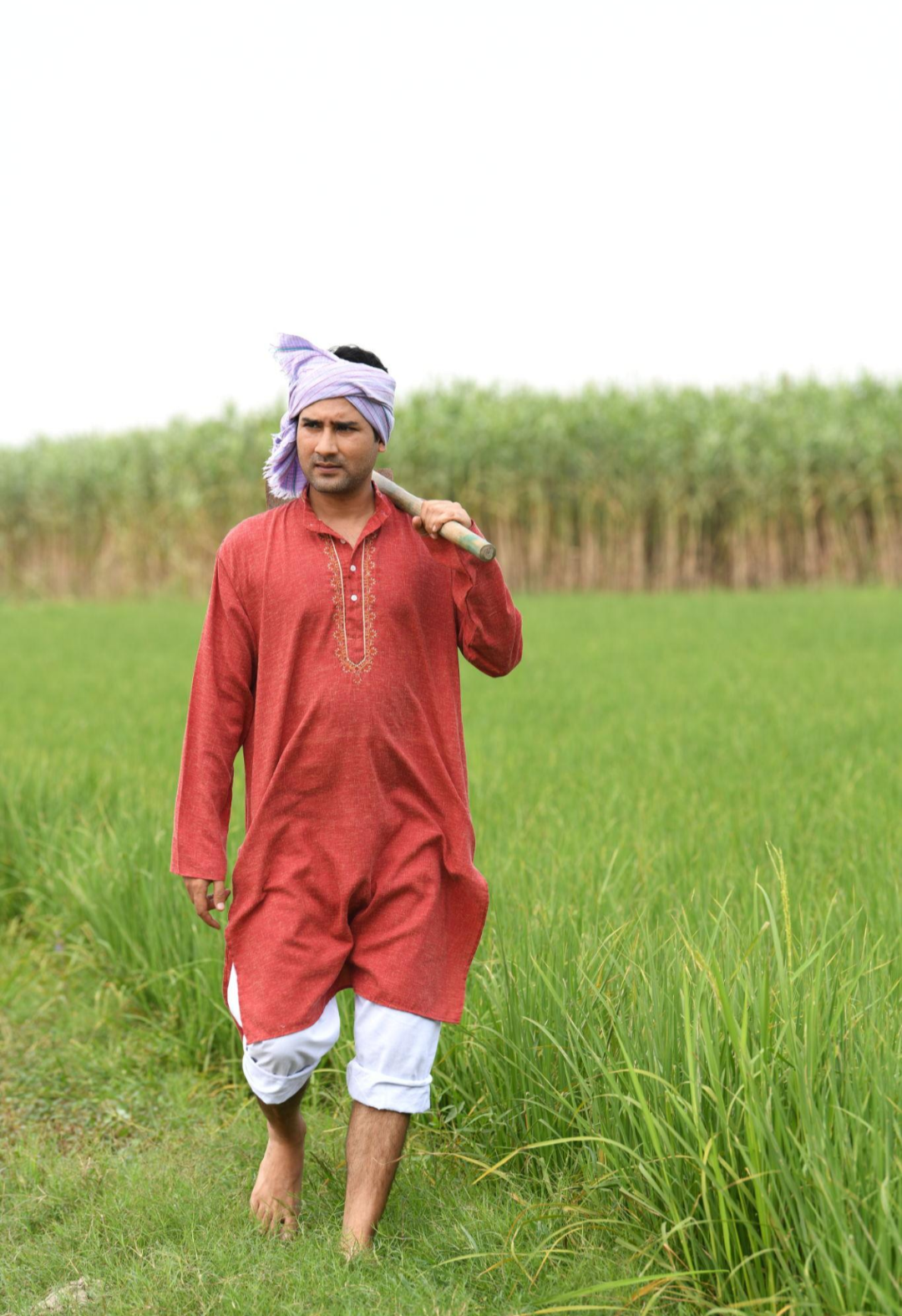
Traditional Shakya dress is that of the rural Hindi belt. Older men wear the dhoti or pyjama with a kurta, often with a gamchha or angochha (cotton towel) over the shoulder and, on formal occasions, a safa or pagdi (turban). Women traditionally wear the sari, often with the pallu drawn over the head as a ghoonghat in the presence of elders, or the lehenga-odhni in the Braj and Bundelkhand areas. Silver anklets (payal), toe rings (bichhiya) and glass bangles mark married women. In towns and among the younger generation, shirts and trousers, salwar-kameez and jeans are the norm, and traditional dress is kept for weddings and festivals.
Physical Appearance
Like most communities of the Gangetic plain, Shakyas show a wide range of physical appearance, and no single look defines the community. Most members have medium-brown to wheatish skin tones, dark brown or black hair and brown eyes, with medium height and build typical of the agricultural populations of north India. These traits reflect the mixed ancestry shared by most north Indian groups rather than anything unique to Shakyas, and variation within any family is often as great as variation between communities.
Population and Distribution
India has not published caste-wise population figures since the census of 1931, so there is no official count of the Shakya community. Estimates usually refer to the Kushwaha cluster as a whole, which is often said to make up around 8 to 9 percent of Uttar Pradesh's population, spread across the state under its various names. The Shakya branch is most numerous in the Etah–Mainpuri–Farrukhabad–Badaun belt, where it is a decisive presence in several assembly constituencies. A reasonable estimate places the number of people identifying as Shakya in the low millions, but this should be treated as approximate.
Migration and Diaspora
Shakya migration has mostly been internal. Over the twentieth century, families moved from villages to district towns, and then to the large cities of north India such as Delhi, Agra, Kanpur, Lucknow, Gwalior and Jaipur, in search of education and employment. A newer generation of engineers, doctors, IT professionals and students has carried the community further, to Bengaluru, Pune, Hyderabad and Mumbai.
Overseas, the Shakya presence is small but growing, with professionals and students in the Gulf states, the United States, the United Kingdom, Canada and Australia. Members of the wider Kushwaha and Koeri cluster also formed part of the nineteenth-century indentured migration from the Gangetic plain to Mauritius, Fiji, Guyana, Trinidad and Suriname, and some descendants of those migrants may carry Shakya, Kachhi or Murao ancestry without knowing it today. Genetic testing is one of the few ways such descendants can reconnect with their ancestral communities.
| Find Your Lost Shakya CousinsWhether your family moved to Delhi, Bengaluru, Dubai or crossed the ocean to Mauritius or Fiji generations ago, DNA matching can connect you with relatives you never knew you had.→ Discover Your Relatives |
|---|
A Note on the Newar Shakyas of Nepal
The surname Shakya is also borne by a distinct community in Nepal: the Shakyas of the Newar people of the Kathmandu Valley. Newar Shakyas are a Buddhist caste who, together with the Vajracharyas, form the Buddhist priestly and householder elite of Newar society, traditionally associated with the monastic courtyards (bahals) of Patan and Kathmandu and with crafts such as goldsmithing, metal casting and image-making. The Kumari, the living goddess of Kathmandu, is chosen from Shakya or Vajracharya families. Newar Shakyas speak Nepal Bhasa and have a separate history from the Shakyas of Uttar Pradesh, though both trace their identity to the Buddha's clan. Genetic testing can help clarify how closely, if at all, the two communities are related.
Genetics and Ancestry: What We Know and What We Can Learn
Questions about ancestry are among the most common that community members ask. For Indian communities, these questions usually fall into four areas: the balance of the three major ancestral components, the paternal and maternal haplogroups that are common in the community, the communities that are genetically closest, and, for some, which earlier community an ancestor came from. For the Shakyas, as for most Indian communities, no dedicated genetic study has yet been published, so what follows is based on studies of comparable populations in Uttar Pradesh. These expectations still need to be confirmed with data from Shakya individuals, which is exactly what the GenoConnect community feature aims to build.
The three ancestral components: AASI, Indus Valley-related and Steppe
Modern genetic research models almost all South Asian populations as a mix of three ancient sources:
- AASI (Ancient Ancestral South Indian): the ancestry of the first hunter-gatherers of the subcontinent, present in every Indian community.
- Indus Valley-related (Iranian farmer-related): ancestry associated with the people of the Indus Valley Civilisation and its periphery.
- Steppe pastoralist: ancestry from Central Asian Bronze Age herders that arrived in the second millennium BCE, linked to the spread of Indo-European languages.
Earlier studies grouped these into two composite components, ANI (Ancestral North Indian) and ASI (Ancestral South Indian). Middle-ranking agricultural communities of the Gangetic plain generally fall in the middle of the north Indian range, with the Indus Valley-related component usually the largest, a substantial AASI share, and a smaller but clear steppe share. Shakyas are expected to show a similar pattern to related cultivator communities such as the Kurmis and Kushwahas, but the actual proportions for Shakyas, and how much they vary between districts, have never been measured.
| Component | Expected pattern for Shakyas | Status |
|---|---|---|
| Indus Valley-related | Likely the largest single component | To be confirmed with test data |
| AASI | Substantial share, similar to other Doab cultivators | To be confirmed with test data |
| Steppe | Present, smaller share | To be confirmed with test data |
Paternal (Y-DNA) and maternal (mtDNA) haplogroups
Haplogroups trace the direct father-to-son and mother-to-child lines. In populations of Uttar Pradesh in general, common Y-DNA haplogroups include R1a (especially the Z93 branch), H1a, R2, L, J2 and O2; common mtDNA haplogroups belong mainly to the South Asian branches of M (such as M3, M5 and M30) and R (such as R5, R30 and U2). Shakya men and women are likely to carry many of these lineages, but the actual frequencies within the community are not known. Haplogroup data from GenoConnect members will make it possible to describe the community's paternal and maternal lineages for the first time.
Closest communities
Based on shared history, geography and intermarriage, the Shakyas are expected to be genetically closest to the other branches of the Kushwaha cluster, namely the Kachhis, Kushwahas, Muraos, Mauryas and Koeris, and then to neighbouring cultivator castes of the Doab such as the Kurmis, Lodhs and Yadavs. How close these relationships really are, and whether Shakyas of Etah differ from those of Badaun or Bundelkhand, are open questions that can only be answered with genetic data.
Conversion and related communities
Communities of the wider Kushwaha cluster have connections that cross religious lines. The Kunjra (Sabzi Farosh) Muslims of Uttar Pradesh, for example, are traditionally believed to descend in part from Murao cultivators who converted to Islam, and some Buddhist Shakya families represent more recent religious change. Muslim, Christian or Buddhist families of the Doab who suspect cultivator ancestry can use DNA comparison to see how closely they match Shakya and Kushwaha reference groups.
Notable Figures
The Shakya community has produced many leaders in politics and public life, especially in Uttar Pradesh. A selection includes:
- Bhagwan Singh Shakya — former Minister of State in the Government of Uttar Pradesh.
- Vinay Shakya — former Member of the Uttar Pradesh Legislative Assembly from Bidhuna.
- Harish Shakya — Member of the Uttar Pradesh Legislative Assembly from Bilsi.
- Mamtesh Shakya — former Member of the Uttar Pradesh Legislative Assembly from Patiyali.
Leaders of the wider Kushwaha cluster who use the Maurya or Kushwaha surnames, such as Keshav Prasad Maurya, Deputy Chief Minister of Uttar Pradesh, and Swami Prasad Maurya, a senior politician, are also widely regarded within the community as part of its broader leadership. Beyond politics, countless Shakya teachers, doctors, officers, farmers and entrepreneurs have shaped their towns and villages across the Doab.
Conclusion
The story of the Shakyas is the story of a community rooted in the soil of the Doab and reaching back, through tradition, to one of the most famous clans in Indian history. For generations, Shakya families turned small plots of land into some of the most productive fields in north India; in the twentieth century, they claimed a dignified ancestral identity and became a confident political and social force. Today, as Shakyas move into every profession and across the world, questions about their deeper origins remain open. Genetic research offers a new way to explore those questions, and the community itself can help lead it.
Frequently Asked Questions
1. Who are the Shakyas?
The Shakyas are an agricultural community of western and central Uttar Pradesh and neighbouring parts of Madhya Pradesh and Rajasthan, forming part of the wider Kushwaha caste cluster. They are known for skilled vegetable and crop cultivation and for claiming descent from the Buddha's Shakya clan.
2. Are the Shakyas descended from the Buddha's clan?
This is a strong community tradition, but it has not been proven historically. The records that would connect the ancient Shakyas of Kapilavastu with the modern community do not exist. Genetic data may add independent evidence in future.
3. Are Shakya, Kushwaha, Maurya and Kachhi the same caste?
They are closely related branches of the same broad cultivator cluster, known by different names in different regions. Many families use these names interchangeably, and intermarriage between them has become common.
4. What caste category are Shakyas in?
In Uttar Pradesh, Shakyas are classified as an Other Backward Class (OBC).
5. Are Shakyas Hindu or Buddhist?
Most Shakyas are Hindu, but a significant and growing number follow Buddhism, either fully or alongside Hindu practice, inspired by their claimed link to the Buddha and by the Ambedkarite movement.
6. Where do most Shakyas live?
Most live in Etah, Kasganj, Mainpuri, Etawah, Auraiya, Farrukhabad, Kannauj, Badaun and Firozabad in Uttar Pradesh, with smaller populations in Madhya Pradesh, Rajasthan and large cities across India.
7. What is Sankisa and why is it important to Shakyas?
Sankisa, in Farrukhabad district, is one of the eight great Buddhist pilgrimage sites. Many Shakyas regard it as a symbol of their connection to the Buddha, and gatherings there are a highlight of the community calendar.
8. Are the Newar Shakyas of Nepal the same community?
No. Newar Shakyas are a Buddhist caste of the Kathmandu Valley with a separate language and history, although both communities trace their identity to the Buddha's clan.
9. What is the Shakya genetic makeup?
No dedicated study exists yet. Based on comparable communities of Uttar Pradesh, Shakyas are expected to have mostly Indus Valley-related and AASI ancestry with a smaller steppe component, but the exact proportions need to be measured.
10. Which haplogroups are common among Shakyas?
This has not been studied. Common lineages in Uttar Pradesh include Y-DNA R1a-Z93, H1a, R2, L and J2, and mtDNA M and R sub-branches. GenoConnect data can help establish the Shakya pattern.
11. Which communities are Shakyas genetically closest to?
12. How can I learn more about my Shakya ancestry?
By taking a DNA test with GenoConnect, you can see your own ancestral components and haplogroups, find relatives, and contribute to the first genetic profile of the Shakya community.
References
- [1]1. Wikipedia. "Shakya (surname)." https://en.wikipedia.org/wiki/Shakya_(surname)
- [2]2. Wikipedia. "Kushwaha." https://en.wikipedia.org/wiki/Kushwaha
- [3]3. Wikipedia. "Kushwaha (surname)." https://en.wikipedia.org/wiki/Kushwaha_(surname)
- [4]4. Wikipedia. "Maurya (surname)." https://en.wikipedia.org/wiki/Maurya_(surname)
- [5]5. Wikipedia. "Murao people." https://en.wikipedia.org/wiki/Murao_people
- [6]6. Wikipedia. "Shakya." https://en.wikipedia.org/wiki/Shakya
- [7]7. Pinch, William R. Peasants and Monks in British India. University of California Press, 1996.
- [8]8. Crooke, William. The Tribes and Castes of the North-Western Provinces and Oudh. Calcutta, 1896.
- [9]9. Narasimhan, V. M. et al. "The formation of human populations in South and Central Asia." Science 365 (2019).
- [10]10. Reich, D. et al. "Reconstructing Indian population history." Nature 461 (2009).
- [11]11. Gellner, David N. Monk, Householder, and Tantric Priest: Newar Buddhism and its Hierarchy of Ritual. Cambridge University Press, 1992.