
Understand Your Natural Behavioral Patterns
Gain deep insights into your personality traits, emotional responses, and social tendencies. Our comprehensive behavioral analysis helps you leverage your strengths and navigate challenges effectively.

Personality
Whether you're outgoing or reserved, a risk-taker or cautious, highly motivated or laid-back, your personality is shaped by genetics and life experiences. Your DNA influences emotional resilience, impulsivity, social behavior, and stress response, affecting how you think, feel, and interact with the world. Understanding your genetic tendencies can help you leverage your strengths, improve weaknesses, and make smarter choices in work, relationships, and personal growth. While genes set the foundation, lifestyle, mindset, and habits shape who you become.

Anxiety
Your anxiety levels aren't just about your environment, genetics play a big role too. Some people are naturally wired to produce more stress hormones like cortisol, making them more prone to overthinking and worry. Understanding your genetic tendency toward stress and anxiety can help you develop better coping strategies, like mindfulness, exercise, or lifestyle adjustments, to stay calm under pressure. While your DNA may set the baseline, your habits and mindset determine how well you manage anxiety in daily life.

Risk of ADHD
Ever wonder why your mind jumps from one thought to another, or why staying focused feels like a battle? ADHD isn't just about being distracted, it's how your brain is wired. Genetics plays a big role, especially in how your brain processes dopamine, the chemical that controls focus and motivation. If you're always restless, struggle with routines, or thrive in chaos, it's not just you, it could be in your DNA. Understanding your natural tendencies can help you find smarter ways to work with your brain, not against it, whether that's through better habits, movement, or lifestyle changes.

Learning Ability
How do some people pick up new skills effortlessly while others need more time? Your learning ability isn't just about effort, your brain is wired a certain way. Genetics influence memory, processing speed, and problem-solving skills, shaping how you absorb and retain information. If you struggle with focus, need repetition to remember things, or pick up skills super fast, part of it comes from your DNA. But here's the good news, your brain can adapt! Understanding your learning style helps you find smarter study techniques, personalized strategies, and better ways to unlock your full potential.
Alcoholism
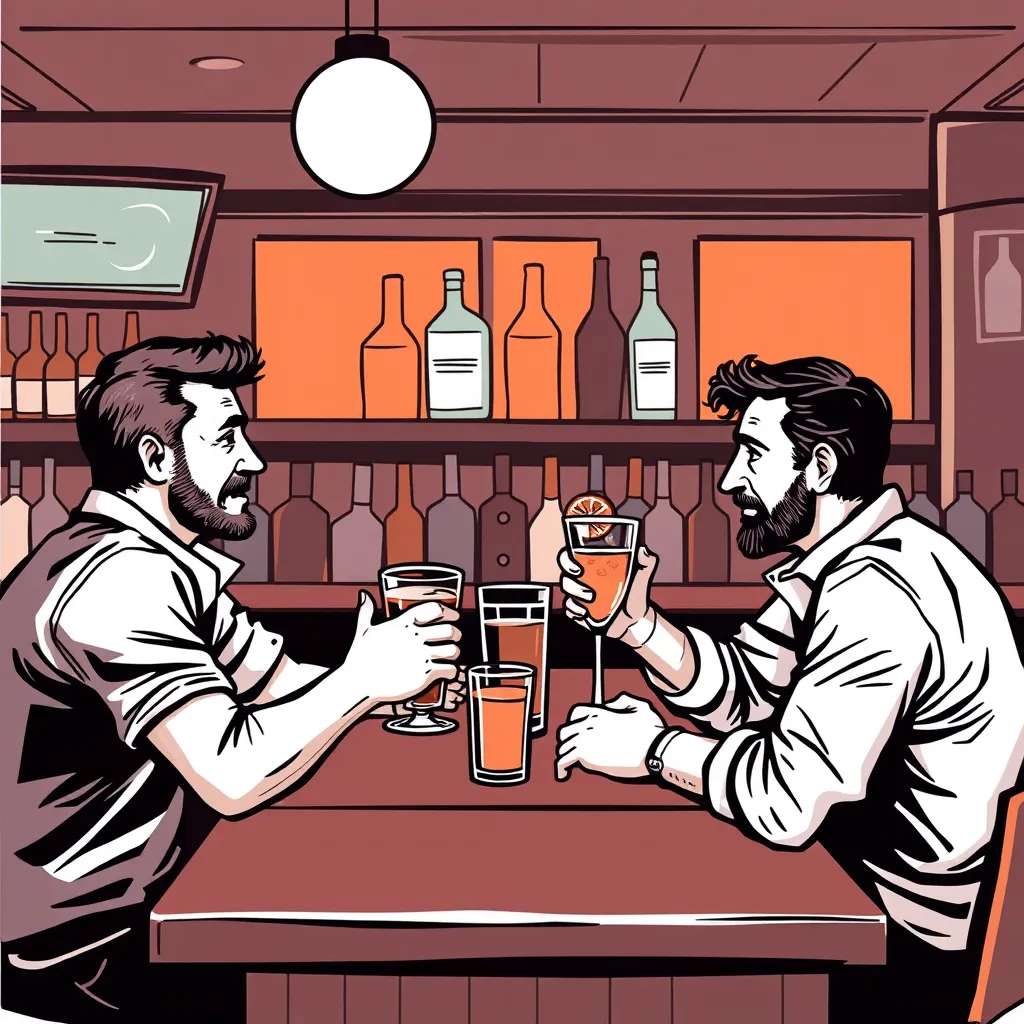
Some people can have one drink and walk away, while others struggle to stop, ever wonder why? Alcoholism isn't just about willpower, it's partly in your DNA. Genetics influence how your body processes alcohol, craves it, and reacts to its effects, making some people more prone to dependency. If alcohol runs in your family or you find it hard to control your intake, it's not just a habit, it could be a biological tendency. But knowing this can help you make smarter choices, build healthier coping mechanisms, and take control before it takes control of you.
0 Available Reports
Sample Behavioral Traits Report Presentation
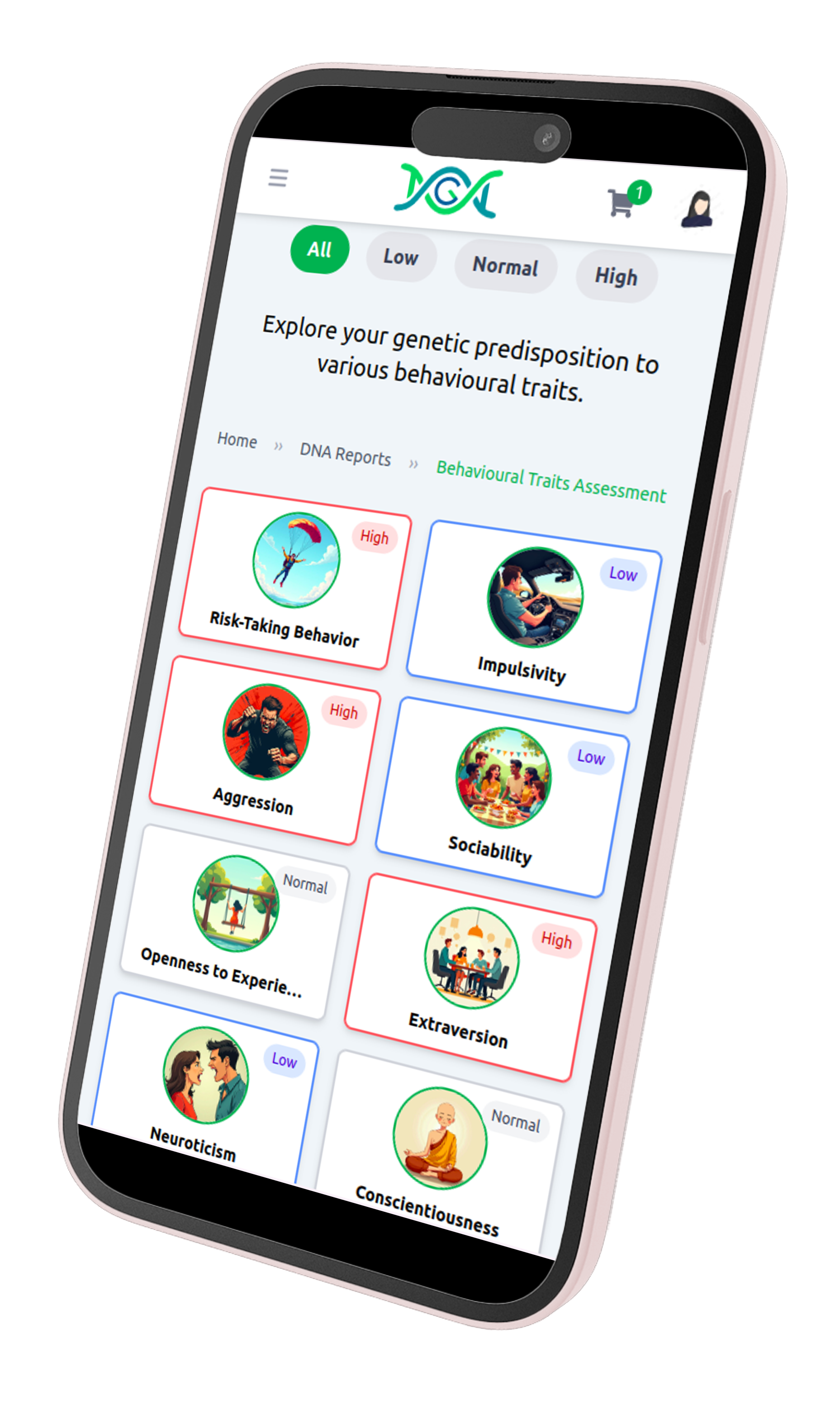
Preview our updated standard Polygenic Score Report structure featuring population bell curve risk gradient visualization, DNA variant diagrams, 3-step calculation science, and references.
Morning vs Evening Preference (Chronotype)
Genome-wide polygenic score analyzing 351 SNPs associated with self-reported morningness preference in genome-wide association studies (GWAS) of over 450,000 individuals.
Your Genetic Result
Polygenic Risk Score (PRS) Assessment
What this means for you
Your polygenic risk score falls in the 82th percentile of the reference population (Elevated). This indicates approximately 1.8 times the baseline relative risk of developing Morning vs Evening Preference (Chronotype) compared to the average population.
Curated Key Variants
Gene: PER2(Period Circadian Regulator 2)
Carries two copies of the C allele associated with earlier waking times.
Gene: CLOCK(Clock Circadian Regulator)
Heterozygous for morning chronotype variant.
Understanding Your Circadian Rhythm
Chronotype is the natural inclination of your body to sleep at a certain time, driven by circadian rhythm regulatory genes operating in the suprachiasmatic nucleus of the brain.
Genetic Influence on Sleep Schedule
Genetic variants in core clock genes (such as PER2, CLOCK, and CRY1) influence sleep onset, peak alertness hours, and natural waking preference.
Frequently Asked Questions
Discover Your Unique Behavioural Traits
Join thousands of people who have gained deeper insights into their personality and behavior patterns.
Get Started Now