
Your DNA Knows What Lies Ahead for Your Health. Do You?
Do you know that knowing what diseases you are genetically predisposed to, can help you take preventive measures?
"Prevention is Better Than Cure"
GenoConnect's cutting-edge DNA testing can reveal your genetic risk for a variety of health conditions—before they happen.
Don't wait till the disease strikes. Discover them and take preventive measures today with GenoConnect.
Genetic Disease Risk Assessment
Advanced DNA analysis to understand your inherited health risks

Blood Pressure
High blood pressure (hypertension) is a silent killer, putting extra strain on your heart and arteries. It can be triggered by genetics, poor diet, stress, and inactivity. If left unchecked, it raises the risk of heart disease, stroke, and kidney failure. DNA testing can uncover genetic links to hypertension, helping you make smarter lifestyle choices. Prevention starts with a balanced diet, exercise, stress management, and reducing salt intake.

Diabetes
Type 2 diabetes doesn't happen overnight, it develops due to genetics, obesity, poor diet, and lack of exercise. High blood sugar levels can silently damage your heart, kidneys, and nerves. DNA testing helps detect genetic susceptibility, allowing for early intervention and personalized prevention. Lifestyle changes can reduce your risk, including healthy eating, weight management, and regular activity.

Alcohol-Related Liver Cirrhosis
Excessive alcohol consumption can lead to permanent liver damage, scarring, and cirrhosis. This silent but deadly condition increases your risk of liver failure and cancer. DNA testing can identify if you're more susceptible to alcohol-related liver disease. Awareness helps you make informed choices about alcohol consumption, diet, and liver health. Prevention starts with limiting alcohol, eating a nutrient-rich diet, and getting regular liver screenings.
Lung Cancer
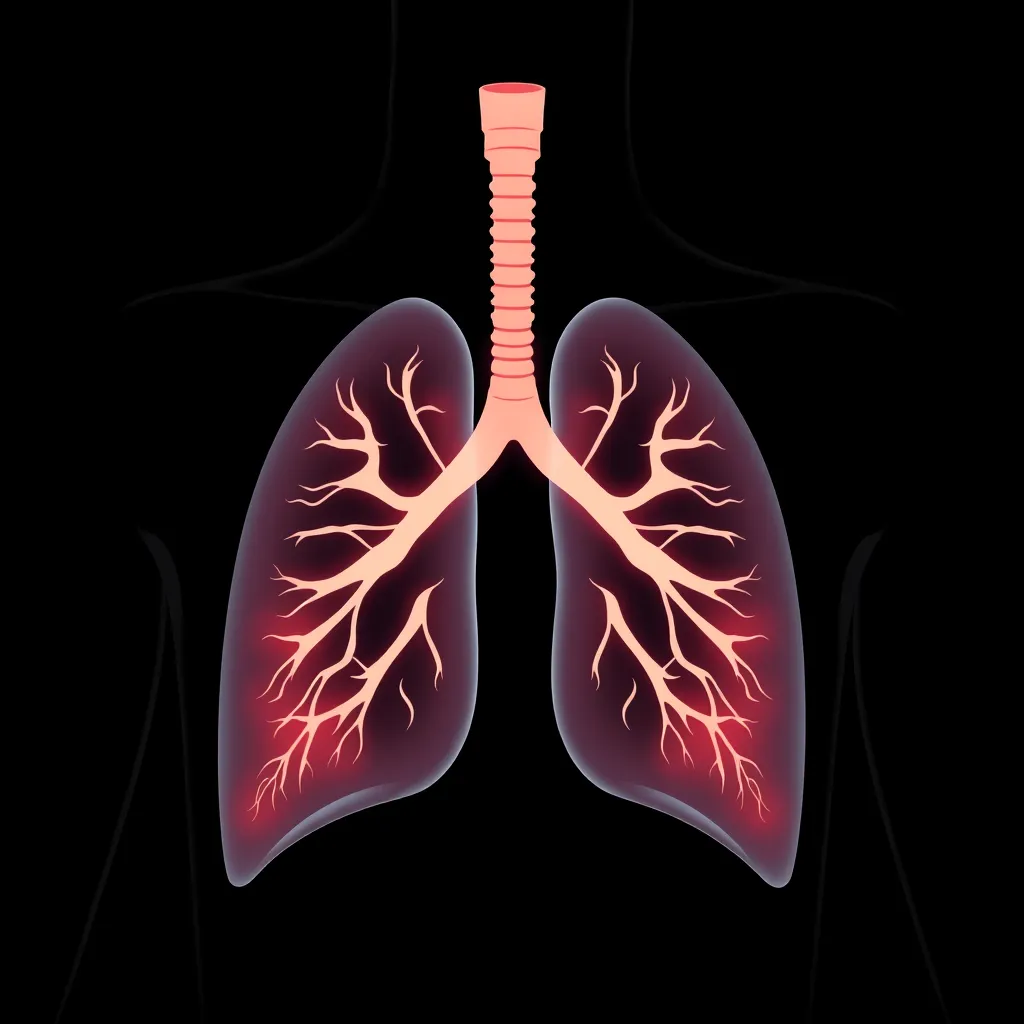
Lung cancer is one of the deadliest cancers, often caused by smoking, air pollution, radiation, and genetic mutations. Exposure to toxins damages DNA, leading to uncontrolled cell growth. If you have a family history, you might be at higher genetic risk. DNA testing can help detect genetic susceptibility, empowering you to take preventive steps. Quitting smoking, avoiding environmental toxins, and maintaining a healthy diet are key to reducing risk. Early detection saves lives, get screened and stay proactive!

Depression
Feeling persistently sad, anxious, or fatigued? Depression isn't just a mood disorder, it's linked to genetics and brain chemistry. If you have a family history of depression, you might be at higher genetic risk. Left untreated, depression can lead to anxiety, memory problems, and even suicidal thoughts. DNA testing can reveal genetic markers linked to depression, helping you take preventive steps with therapy, lifestyle changes, and self-care strategies. Don't wait until symptoms take over, understand your mental health risks and take action today!
0 Available Reports
Sample Health Risk Report Presentation
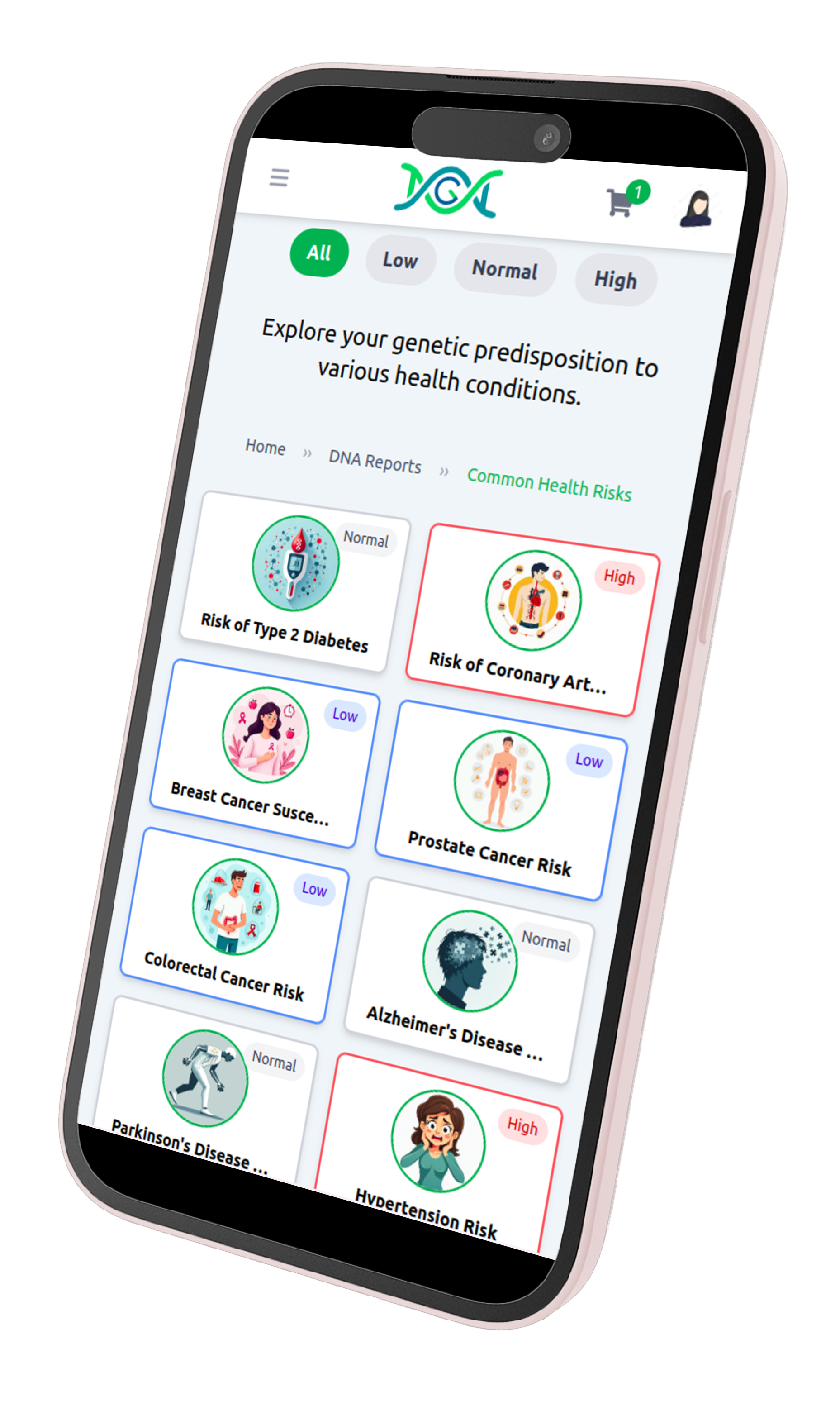
Explore our standard Polygenic Score Report structure with live interactive bell curve risk visualization, genetic contribution graphics, and 3-step calculation science.
Obesity & Body Weight Predisposition
Polygenic risk model aggregating 97 genome-wide association variants linked to appetite signaling, leptin sensitivity, and energy expenditure.
Your Genetic Result
Polygenic Risk Score (PRS) Assessment
What this means for you
Your polygenic risk score falls in the 50th percentile of the reference population (Average). This indicates approximately 1 times the baseline relative risk of developing Obesity & Body Weight Predisposition compared to the average population.
Curated Key Variants
Gene: FTO(FTO Alpha-Ketoglutarate Dependent Dioxygenase)
Carries one copy of the FTO A risk allele associated with satiety signaling.
Gene: MC4R(Melanocortin 4 Receptor)
Does not carry the MC4R risk variant.
Genetic Influences on Body Weight
Body weight and obesity risk are influenced by complex interactions between genetics, appetite regulation, metabolic rate, physical activity, and dietary habits.
Frequently Asked Questions
Start Your Genetic Health Journey Today
Join thousands of people who have discovered their genetic health risks and are taking control of their health with preventive measures.
Free 2 way shipping • Start receiving updates within a few weeks