
Nutrition Analysis Report
Get detailed insights into your dietary habits with our comprehensive nutrition reports
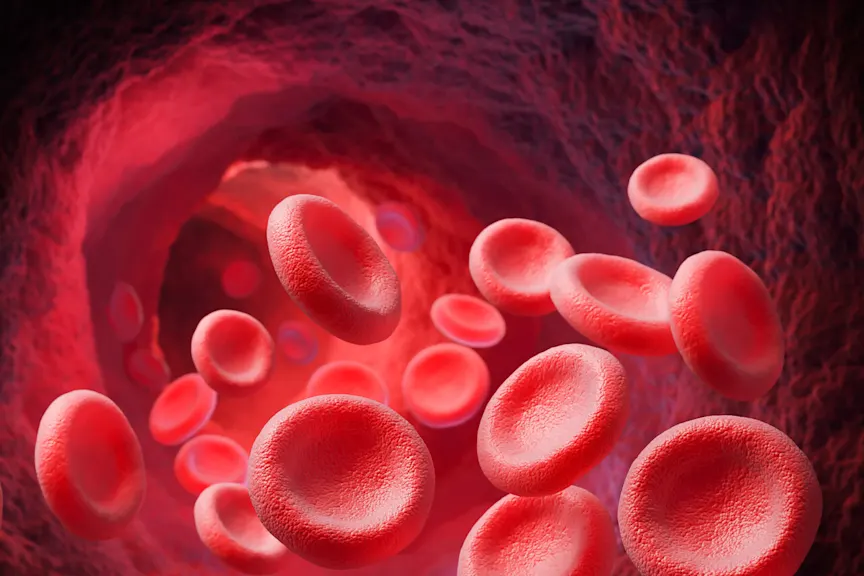
Iron Deficiency
Feeling constantly tired, dizzy, or weak no matter how much you rest? Iron deficiency could be the reason. Your body needs iron to produce hemoglobin, the protein that carries oxygen in your blood. Some people naturally absorb less iron due to genetics, diet, or underlying health conditions, making them more prone to deficiency. If you struggle with low energy, brittle nails, or frequent headaches, your body might be crying out for more iron. Eating iron-rich foods, pairing them with vitamin C, and understanding your body's unique needs can help restore your energy and keep you feeling strong.

Cholesterol Levels
Some people can eat all the junk food they want and still have perfect cholesterol, sound unfair? Cholesterol levels aren't just about diet, they're influenced by genetics too. Your body naturally produces cholesterol, and some people are wired to make more or process it less efficiently. High cholesterol increases the risk of heart disease, stroke, and other health issues, even if you eat well. Knowing your genetic tendency can help you take proactive steps with the right diet, exercise, and lifestyle changes to keep your heart healthy and your cholesterol in check.

C-Reactive Protein Levels
Some days, do you wake up feeling inflamed, achy, or just completely drained? Your C-reactive protein (CRP) levels could be the culprit. CRP is your body's way of signaling inflammation, and some people naturally produce more due to genetics, stress, or lifestyle factors. High CRP levels are linked to heart disease, autoimmune issues, and chronic inflammation, even if you don't notice any symptoms. But the good news? Small changes in your diet, exercise, and stress management can help keep inflammation in check and keep you feeling your best.

Vitamin A Levels
Why do some people have glowing skin and sharp vision while others struggle, even with a healthy diet? It all comes down to Vitamin A and how your body processes beta-carotene. Some people naturally convert it more efficiently, while others may not absorb enough, leading to dry skin, weak immunity, and poor night vision. If your body isn't getting what it needs, adding bioavailable sources like eggs, dairy, and leafy greens can help. Fuel your body the right way and give your skin, eyes, and immune system the boost they deserve!
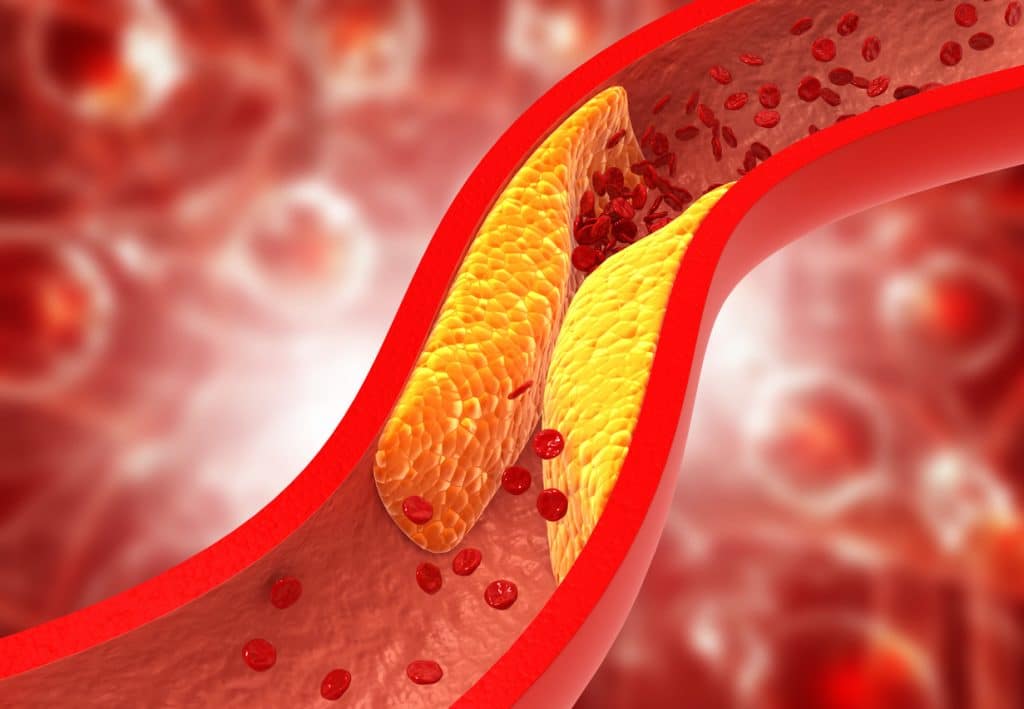
Apolipoprotein A-1 Level
Is your heart getting the protection it needs? Apolipoprotein A-1 (ApoA-1) is a crucial protein that helps HDL ("good" cholesterol) remove excess fats from your arteries, reducing the risk of heart disease and stroke. Some people naturally produce more ApoA-1, while others struggle due to genetics, diet, or lifestyle. If your levels are low, cholesterol can build up faster than your body can clear it. Eating healthy fats, staying active, and making smart lifestyle choices can help support heart health and keep your arteries clear. A healthy heart starts with knowing what your body needs!
0 Available Reports
Sample Nutrition & Vitamin Status Presentation
Preview our updated standard Polygenic Score Report structure featuring population bell curve risk gradient visualization, DNA variant diagrams, 3-step calculation science, and references.
Vitamin D Synthesis & Absorption Efficiency
Polygenic score evaluating key loci across DHCR7, CYP2R1, and GC regulating vitamin D synthesis, conversion, and transport.
Your Genetic Result
Polygenic Risk Score (PRS) Assessment
What this means for you
Your polygenic risk score falls in the 84th percentile of the reference population (Elevated). This indicates approximately 1.9 times the baseline relative risk of developing Vitamin D Synthesis & Absorption Efficiency compared to the average population.
Curated Key Variants
Gene: CYP2R1(Cytochrome P450 Family 2 Subfamily R Member 1)
Carries two copies of the G allele associated with reduced conversion of vitamin D to 25(OH)D.
Vitamin D Metabolic Pathway
Vitamin D is a fat-soluble secosteroid hormone required for calcium homeostasis, bone density, immune modulation, and muscular strength.
Genetic Determinants of Serum 25(OH)D
Genetic variation in DHCR7 (cutaneous synthesis), CYP2R1 (hepatic 25-hydroxylation), and GC (vitamin D binding protein transport) influences baseline vitamin D levels.
Frequently Asked Questions
Ready to Optimize Your Nutrition?
Join thousands who have discovered their optimal nutrition profile and improved their well-being.
Get Your Nutrition Report