

Bihar Genome Project Community
Explore the genetic diversity of people from Bihar.
BIHAR GENOME PROJECT
Geography, People, History, and Genetics of the Land of the Buddha and the Videhas
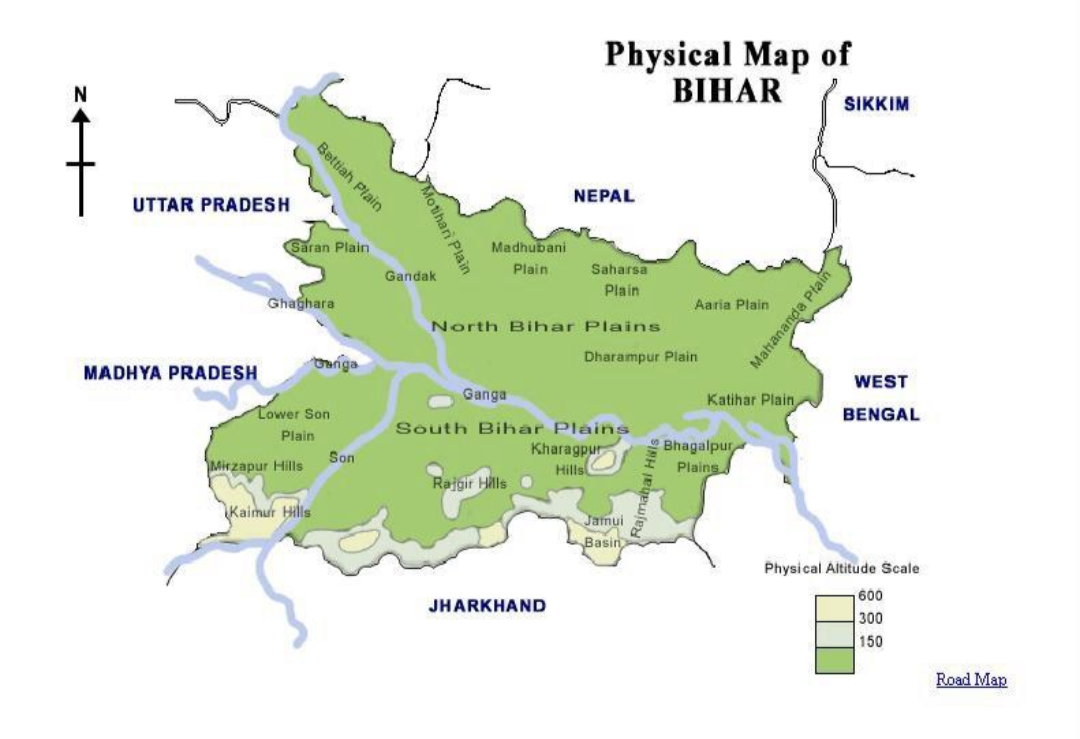
Table of Contents
1. Introduction: Who Are the People of Bihar?
Bihar — from the Sanskrit vihara, “monastery,” a name given to the region for the density of Buddhist monastic establishments it once held — is not a single ethnic community in the way a caste or a religious denomination is, but a vast geography-defined population: the inhabitants, past and present, of one of India's oldest continuously settled regions, spread across the eastern Gangetic plain. With a population exceeding 130 million as recorded by the 2022–23 Bihar caste-based survey, Bihar is India's third most populous state and, at over 1,300 persons per square kilometre, its most densely settled large state. This profile treats “Bihar” as a geography-of-origin community in the genealogical sense: the shared population of a defined territory, encompassing its many castes, sub-regions, religions, and linguistic groups, whose ancestors have farmed, traded, and migrated across this stretch of the Gangetic plain since the Neolithic period.
Bordered by Nepal to the north, Uttar Pradesh to the west, Jharkhand to the south, and West Bengal to the east, Bihar sits at the eastern end of the same great alluvial plain that Uttar Pradesh occupies to its west, split down the middle by the Ganga into a northern and a southern half. Its towns and ruins — Pataliputra (Patna), Vaishali, Nalanda, Bodh Gaya, Rajgir, Vikramshila — served, at different points over nearly three thousand years, as the capitals of empires, the seats of some of the world's earliest republics, and the intellectual centres of Buddhism and Jainism. The region is at once the traditional homeland of Sita in the Ramayana, the birthplace of Gautam Buddha's enlightenment and of Mahavira, the seat of the Magadha and Maurya empires, and, more recently, the cradle of the Champaran and Quit India movements and of the JP Movement of the 1970s.
2. Geography
Bihar covers 94,163 square kilometres, ranking twelfth among Indian states by area, and is entirely landlocked, sharing an international border with Nepal along its northern edge. Almost the whole state lies within the Gangetic plain, an immensely fertile but flood-prone alluvial tract fed by the Ganga and its major tributaries — the Gandak, Kosi, Son, Ghaghra, Bagmati, and Punpun — several of which descend swiftly from the Himalayan foothills of Nepal and have historically made north Bihar one of the most flood-affected regions in India. The Ganga itself flows west to east through the middle of the state, dividing it into two unequal halves with distinct agro-climatic and cultural character: the low-lying, densely populated North Bihar plain, criss-crossed by Himalayan-fed rivers, and the somewhat higher, drier South Bihar plain, which rises in the extreme south into the Kaimur plateau and the Rajgir and Someshwar hill ranges — the latter home to Someshwar Fort, the state's highest point at 880 metres.
The state's soils, renewed each year by riverine silt, have supported intensive rice, wheat, maize, and sugarcane cultivation for millennia, and its natural resources include mica, pyrites, quartzite, and limestone in the southern hill tracts. Patna, built astride the ruins of ancient Pataliputra, is both the state capital and its largest city; the state is administratively organised into 9 divisions and 38 districts.
3. Origins and Early History
3.1 Prehistoric and Vedic Foundations
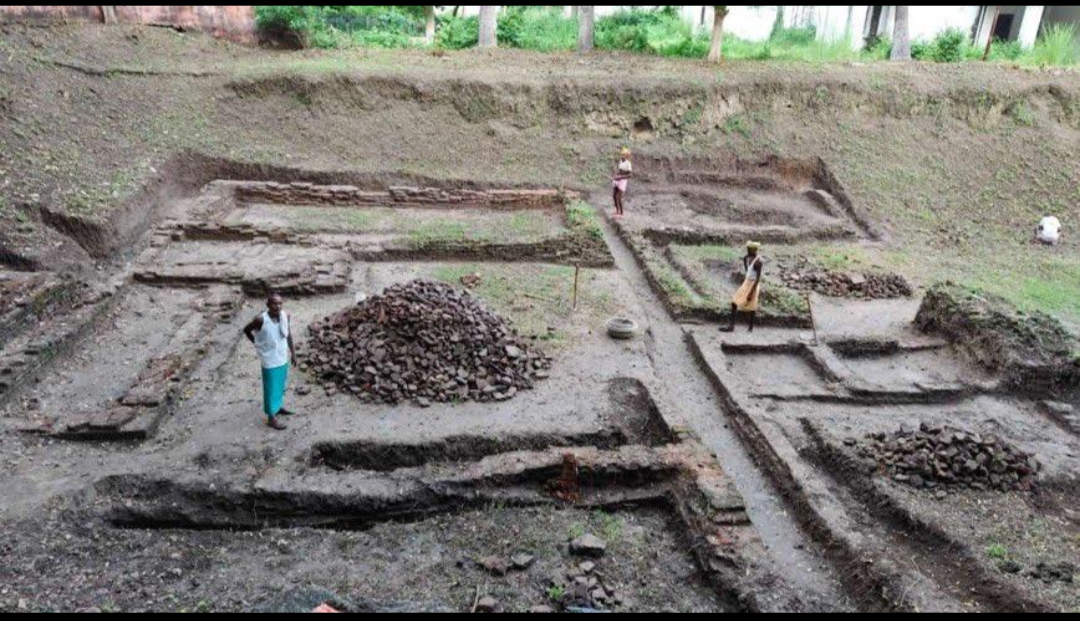
Human habitation in the region reaches back to the Neolithic period, with the archaeological site of Chirand on the northern bank of the Ganga in Saran district dated to roughly 2500–1345 BCE. During the later Vedic period (c. 1100–500 BCE), the Videha kingdom, centred in what is now the Mithila region of north Bihar, emerged as one of the major political and cultural centres of early South Asia alongside the Kuru and Panchala kingdoms further west. Community tradition and the Hindu epics place much of their action here: the Ramayana holds that Sita, Rama's consort, was the daughter of King Janaka of Mithila, and Mithila's identity as “the land of Sita” remains a central thread of regional memory to this day.
3.2 Magadha, the Buddha, and Mahavira
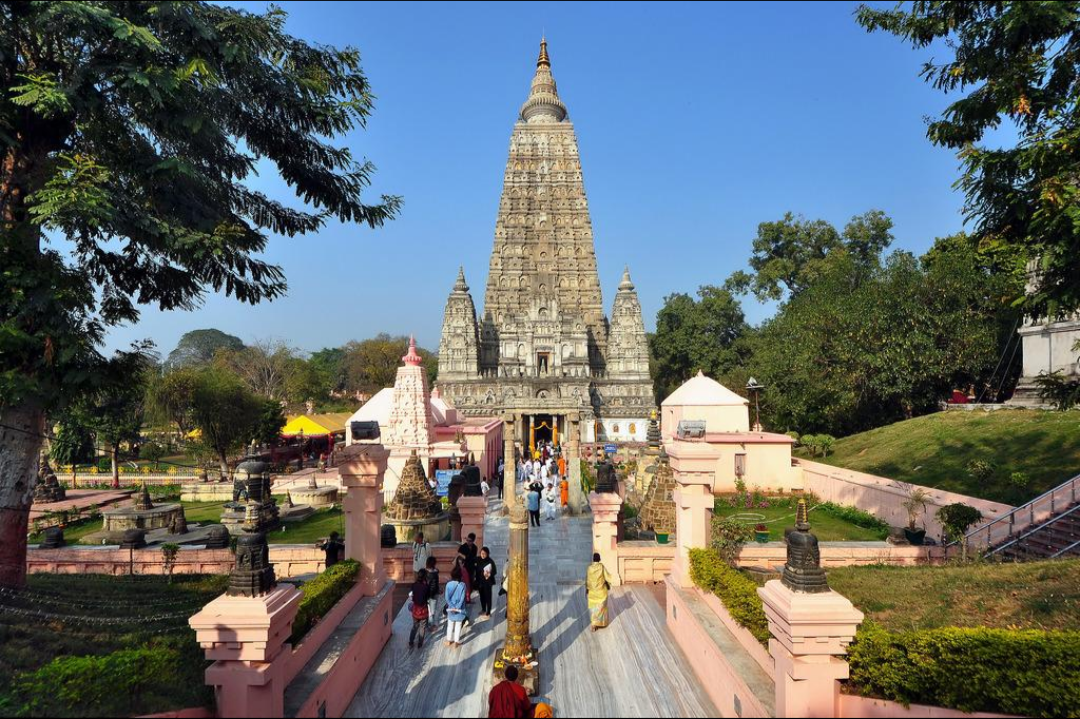
By the 6th century BCE, the region was organised into several of the sixteen Mahajanapadas (great tribal kingdoms and republics) that defined the political map of early India — chiefly Magadha (capital first at Rajgir, later Pataliputra), Videha within the Vajjika confederacy of Mithila, and Anga (capital Champa, near modern Bhagalpur). Vaishali, capital of the Licchavi republic within the Vajjika League, is regarded by many historians as one of the world's earliest examples of a republican form of government. This was also the era in which two of India's great renunciate traditions took root here: Gautam Buddha attained enlightenment at Bodh Gaya and delivered several of his most important teachings across Magadha, while Mahavira, the 24th tirthankara and founder of Jainism as it is practised today, was born near Vaishali. The region's exceptional density of Buddhist monasteries in the following centuries is, by tradition, the very origin of the name “Bihar.”
3.3 The Mauryan and Gupta Empires
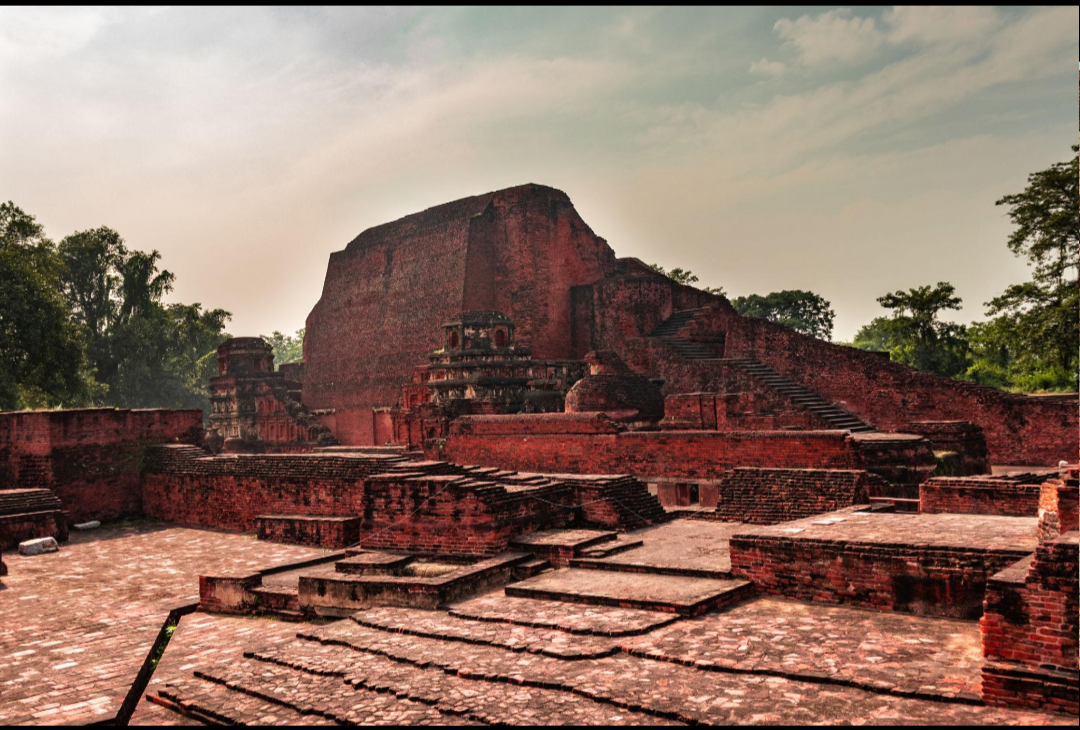
From the 4th century BCE, Magadha became the base from which Chandragupta Maurya built the first pan-Indian empire, with Pataliputra as its capital; his grandson Ashoka, ruling from the same city, propagated Buddhism widely across and beyond the subcontinent. The Gupta Empire (4th–6th centuries CE), often called India's classical “Golden Age,” likewise governed from the Magadha region, and it was during this period that Nalanda, near Rajgir, grew into one of the ancient world's great residential universities, drawing scholars from across Asia until its decline in the 12th–13th centuries; nearby Vikramshila served a similar role as a centre of Buddhist learning.
3.4 Medieval and Mughal Bihar
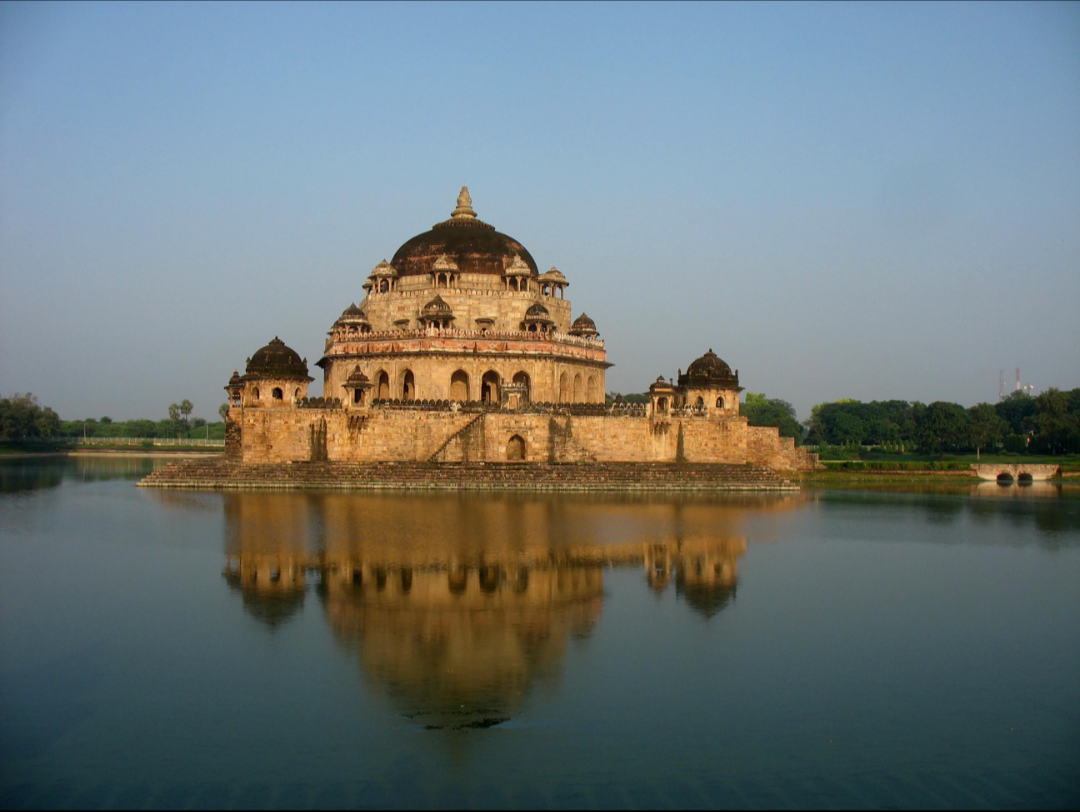
Following the Gupta and Pala periods (the latter, based further east in Bengal, also patronising Bihar's Buddhist institutions), the region came under the Delhi Sultanate and, from the 16th century, the Mughal Empire. The 16th-century ruler Sher Shah Suri, of Bihari origin, briefly interrupted Mughal rule to found the Suri dynasty, reorganising land revenue administration and laying the Grand Trunk Road that still runs through the state; his mausoleum at Sasaram remains one of the region's most significant monuments. Patna Sahib, in Patna, is revered as the birthplace of Guru Gobind Singh, the tenth Sikh Guru, making the city an important Sikh pilgrimage centre.
3.5 The Colonial Period
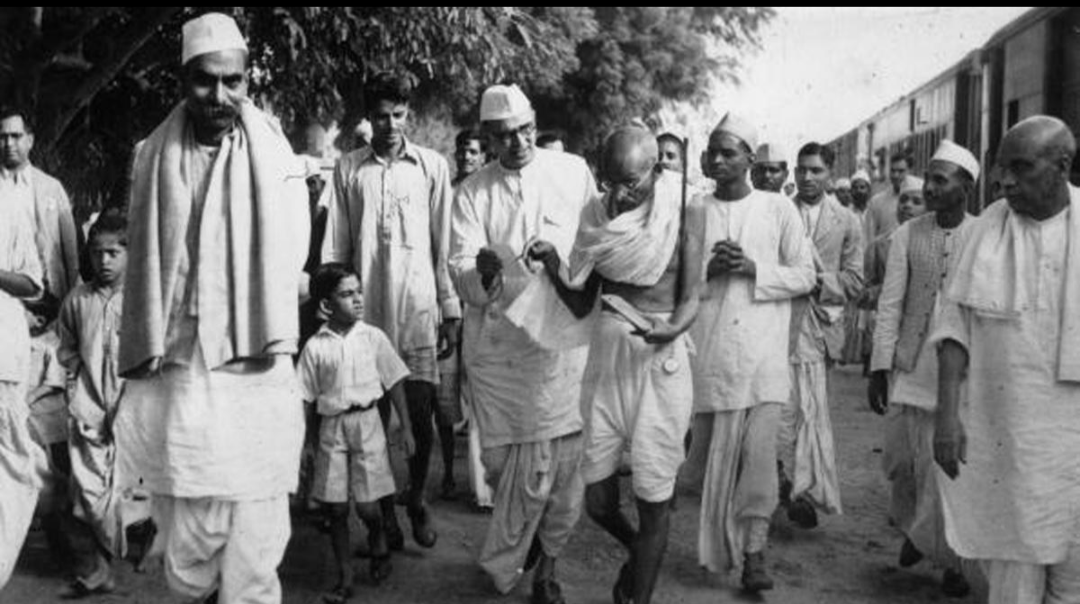
Under British rule, Bihar was administered as part of the Bengal Presidency until 1912, when it was carved out, together with Orissa, into a separate province — a recognition of its distinct linguistic and cultural identity. The region's indigo plantations, worked under exploitative colonial contracts, made western Bihar's Champaran district the site of Mahatma Gandhi's first major civil disobedience campaign in India in 1917, the Champaran Satyagraha, which also marked the political debut of several future national leaders. Odisha was separated from the province in 1936, giving Bihar roughly its present shape.
3.6 Post-Independence Bihar
Bihar attained its current statehood boundaries with the Constitution of India in 1950, though a further, major reorganisation followed on 15 November 2000, when the state's southern, mineral-rich plateau districts were separated to form the new state of Jharkhand. The decades since have been shaped by the socialist and backward-caste political movements associated with leaders such as Jayaprakash Narayan and Karpoori Thakur, by Lalu Prasad Yadav's and later Nitish Kumar's long tenures as chief minister, and, since the 2000s, by a widely discussed reform-era improvement in the state's law-and-order and infrastructure indicators, even as Bihar continues to register some of India's lowest per-capita income and human development figures.
4. Demographic Profile
Bihar's 2011 Census population stood at just over 104 million, having grown from roughly 83 million in 2001; the state government's 2022–23 caste-based survey recorded a further rise to approximately 130.7 million. Population density is the highest of any large Indian state, at well over 1,100 persons per square kilometre by the 2011 count, and the state remains overwhelmingly rural — only around 11–17 per cent of the population lived in urban areas as of the 2011 Census and subsequent estimates, among the lowest urbanisation rates in India. The sex ratio recorded in 2011 was 918 females per 1,000 males, and adult literacy stood at roughly 61.8–70.9 per cent depending on the measure used (male literacy running well ahead of female literacy in both rural and urban areas), with Bihar's youthful age profile — close to half the population under 25 — among the highest of any Indian state.
Religiously, the state is predominantly Hindu (around 82 per cent per the 2022–23 caste survey) with a substantial Muslim minority of roughly 17.7 per cent, alongside very small Sikh, Christian, Jain, and Buddhist communities. The 2022–23 caste survey also recorded Bihar's detailed social composition for the first time in decades: Other Backward Classes at just over 63 per cent of the population, Scheduled Castes at close to 20 per cent, Scheduled Tribes at under 2 per cent, and so-called “general” or forward castes — including Brahmins, Bhumihars, Rajputs, and Kayasthas — at roughly 15.5 per cent, figures that have since shaped major state policy on reservation.
5. Genetics and DNA Ancestry
As one of the oldest continuously settled tracts of the Gangetic plain and a region shaped by Vedic-era migration, Mauryan and Gupta imperial consolidation, and centuries of caste-endogamous marriage, Bihar offers a genetically layered population rather than a single, uniform genetic signature.
5.1 The Ancestral North Indian – Ancestral South Indian Gradient
Like the great majority of Indian populations, the people of Bihar descend from a mixture of two deeply diverged ancestral populations: Ancestral North Indians (ANI), related to Central Asian, Middle Eastern, Caucasian, and European populations, and Ancestral South Indians (ASI), indigenous to the subcontinent and not closely related to any population outside it. Genome-wide studies estimate that this ANI–ASI admixture occurred roughly 1,900 to 4,200 years ago across India. As with neighbouring Uttar Pradesh, Bihar's upper and middle castes — Brahmins, Bhumihars, Rajputs, and Kayasthas — tend to carry a comparatively higher ANI component (commonly estimated in the 50–60 per cent range in comparative community studies) than the state's numerically larger Other Backward Class and Scheduled Caste populations, in whom the older ASI component runs correspondingly higher, a pattern consistent across the wider Gangetic plain.
5.2 Regional and Tribal Genetic Studies
Population-genetic surveys of Bihar's major ethnic and caste groups — using autosomal short tandem repeat (STR) markers and mitochondrial DNA — have found the state's non-tribal population broadly continuous with the wider North Indian genetic landscape, while also documenting measurable genetic structuring between Bihar's numerous endogamous caste communities, a reminder that “Bihar” genetic ancestry, like that of Uttar Pradesh, is best understood as a mosaic of many historically self-marrying communities layered onto a shared regional substrate. Separately, Bihar's Scheduled Tribe communities — including the Santhal, Oraon, and Munda populations concentrated in what is now the Bihar–Jharkhand borderland — carry a distinct genetic profile, marked by a substantially higher proportion of Ancestral Austroasiatic ancestry and East/Southeast Asian-linked maternal and paternal lineages relative to the state's plains caste populations, reflecting a separate and much older settlement history connected to the broader Munda-speaking populations of eastern and central India.
5.3 Y-Chromosome and Deep Ancestry
Broader studies of North Indian and eastern Gangetic-plain Y-chromosome (paternal) lineages find Bihar's population carrying a mix of deeply rooted South Asian haplogroups (including H and L) alongside haplogroup R1a, associated with the spread of Indo-Aryan-speaking populations across North India in the second millennium BCE — R1a frequencies in comparative caste studies running highest among Bihar's Brahmin and Bhumihar communities and progressively lower down the traditional caste hierarchy, mirroring the ANI–ASI gradient described above. Maternal (mitochondrial) lineages across the Bihar plains are dominated, as elsewhere in North India, by the indigenous South Asian haplogroup M and its subclades, with a smaller West Eurasian-linked component among the higher-ANI communities.
6. Language and Literature
Hindi is Bihar's principal official and administrative language, but everyday speech across the state is carried by a family of closely related Indo-Aryan vernaculars collectively called the Bihari languages, all descended from the ancient Magadhi Prakrit spoken in the Buddha's own time: Maithili in the north (recognised as one of the Eighth Schedule's official languages of India, with its own literary tradition and Tirhuta script), Bhojpuri in the west and across the state's diaspora, Magahi in south-central Bihar, and Angika in the east. Maithili boasts the region's most celebrated classical literary figure, the 14th-century poet Vidyapati, whose Maithili devotional and love lyrics profoundly influenced later Bengali and Hindi devotional poetry alike; Bhojpuri, meanwhile, carries a vast oral and folk repertoire and, through 19th- and 20th-century indentured emigration described below, became one of the most widely transplanted vernaculars of the Indian diaspora.
7. Religion, Festivals, and Pilgrimage
Bihar is one of the foundational sacred geographies of South Asia's renunciate religions: Bodh Gaya, where the Buddha attained enlightenment beneath the Bodhi tree, is Buddhism's holiest site and a UNESCO World Heritage location drawing pilgrims and monks from across the Buddhist world; Vaishali and Rajgir are associated with several of the Buddha's later sermons and councils; Pawapuri, near Nalanda, is revered by Jains as the site of Mahavira's nirvana; and Patna Sahib is one of Sikhism's five Takhts, marking Guru Gobind Singh's birthplace. For Hindus, Mithila's association with Sita and King Janaka, the Vishnupad Temple and the ancestor-worship rituals (pind daan) performed at Gaya, and the annual Sonepur Mela — one of Asia's largest cattle and folk fairs, held near Patna at the Ganga-Gandak confluence — are all significant.
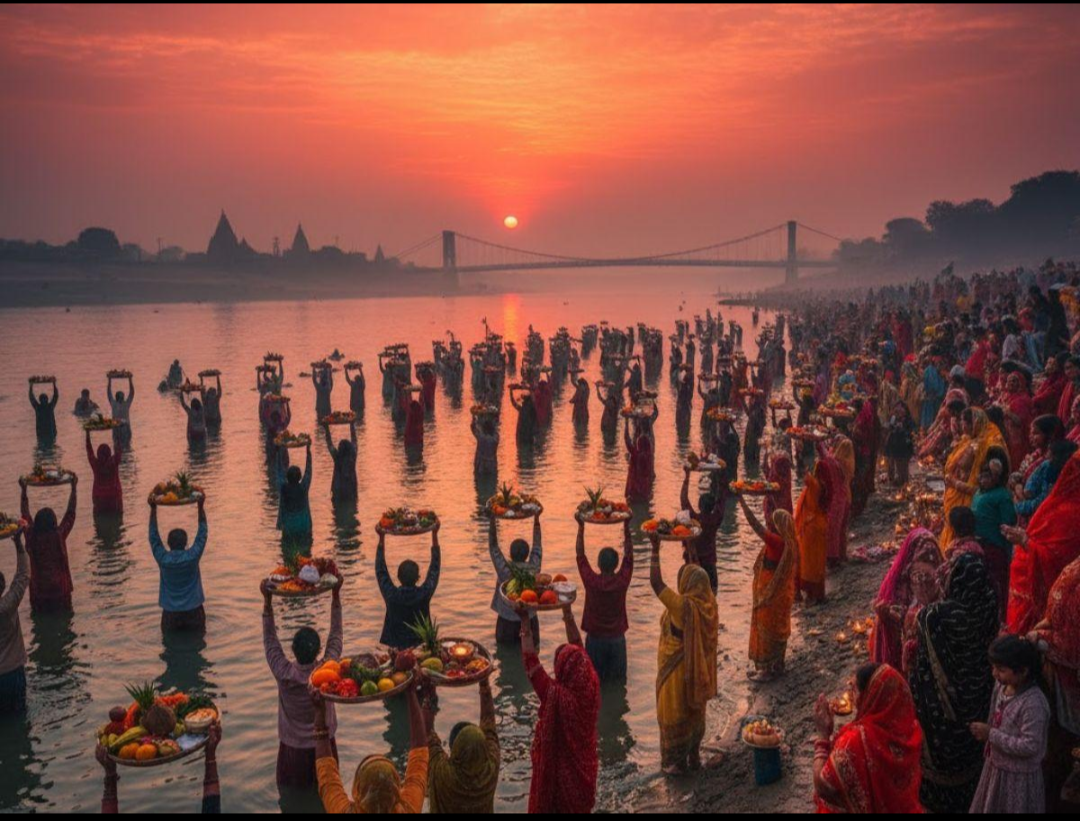
Major festivals observed across the state include Diwali, Holi, and Dussehra in common with the rest of North India, alongside Chhath Puja — a rigorous, multi-day sun-worship festival observed at river ghats and ponds with particular intensity in Bihar, where it is considered the state's signature festival and has travelled with Bihari migrants and diaspora communities wherever they have settled — and, for the state's Muslim minority, Eid al-Fitr, Eid al-Adha, and Muharram.
8. Culture, Customs, and Social Practices
Bihar's social fabric historically rested on a dense caste hierarchy layered across its Hindu majority — from land-owning and priestly groups such as Brahmins, Bhumihars, and Rajputs, through numerically dominant Other Backward Class communities including Yadavs, Kurmis, and Koeris, to Dalit communities such as Musahars, Paswans (Dusadhs), and Chamars — alongside a substantial Muslim population and, in the state's southern borderlands, Santhal, Oraon, and other tribal communities. Joint or extended-family living, with married sons often remaining in the parental household, has historically been the social norm, particularly in rural areas, and caste (jati) and clan identity remain significant markers of social belonging and, since the 1990s, of the state's distinctive backward-caste-led electoral politics.
Hospitality and a strong emphasis on formal courtesy toward guests and elders are widely held cultural values, and Bihar's oral and performance culture — folk theatre, wedding songs, and ritual singing performed chiefly by women — remains an unusually vigorous living tradition compared with many parts of urbanised North India, sustained in part by the state's continuing rural majority.
9. Marriage and Wedding Traditions
Hindu weddings across Bihar follow the broad North Indian Vedic pattern — including tilak (formal betrothal), haldi (a turmeric-paste ceremony for the bride and groom), the baraat (the groom's ceremonial wedding procession), phere or the couple's circuits of the sacred fire, and vidaai (the bride's farewell from her natal home) — but carry distinctive regional inflections. In Mithila, weddings traditionally include the Kohbar ceremony, in which the walls of the bridal chamber are decorated with Madhubani-style ritual paintings depicting fertility and marital motifs, and Maithil Brahmin marriage has historically followed the panji prabandh system, an elaborate genealogical register used to verify lineage and avoid prohibited degrees of kinship. Sindoor-daan, the application of vermilion to the bride's hair-parting by the groom, and the wearing of the mangalsutra or, in Mithila, distinctive lac and ivory-style bangles, mark married status among Hindu women. Marriage has historically been arranged within caste and, for much of the rural population, within a defined circle of gotra (clan) exogamy. Muslim weddings in the state follow the nikah tradition, with a mehr (dower) settlement and a walima (wedding reception), often layered with regionally shared North Indian customs such as mehndi.
10. Cuisine
Bihar's food culture is shaped above all by its agrarian, largely vegetarian rural economy and its reliance on the state's staple grains, lentils, and roasted gram flour, though it also carries distinctive Mithila and riverine variations.
10.1 Litti-Chokha and Everyday Staples
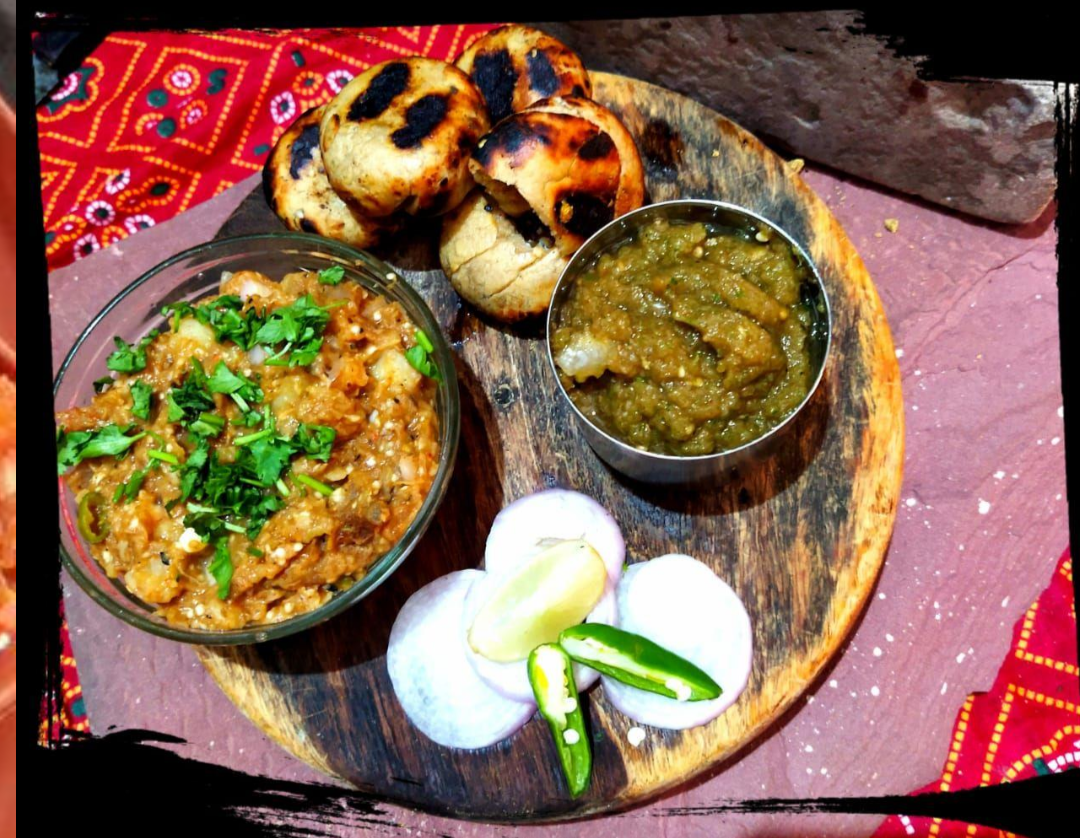
The dish most closely identified with Bihar nationally is litti-chokha: roasted, whole-wheat dough balls stuffed with sattu (roasted gram flour) and spices, traditionally cooked over a wood or cow-dung fire and served with chokha — a mashed, mustard-oil-dressed preparation of roasted eggplant, potato, and tomato. Sattu itself is a defining Bihari ingredient, consumed as a cooling summer drink (sattu ka sharbat), a paratha filling, and a quick, protein-rich staple among rural and labouring households. Everyday meals across the state's rural plains centre on rice, wheat rotis or parathas, dal (lentils, often arhar or chana), and seasonal vegetables, reflecting the region's role as a major rice- and wheat-growing tract of the Gangetic plain.
10.2 Sweets, Snacks, and Mithila Cuisine
- Thekua — a dense, jaggery-and-wheat-flour sweet biscuit, deep-fried and mildly spiced with fennel and cardamom; a near-obligatory offering during Chhath Puja.
- Tilkut and khaja — Gaya's tilkut (a sesame-and-jaggery sweet, especially associated with Makar Sankranti) and the flaky, syrup-soaked khaja pastry of Silao, near Nalanda, are among the state's best-known confectionery exports.
- Mithila cuisine — features a distinct fish-and-rice culture (in a region otherwise known for vegetarian temple food further west), owing to Mithila's dense network of ponds and rivers, alongside dishes such as makhana (fox-nut) preparations — Bihar produces the overwhelming majority of India's makhana — and tilkor and other seasonal vegetable dishes.
- Champaran meat — a slow-cooked, heavily spiced mutton preparation from the Champaran districts of north Bihar, traditionally cooked in sealed earthen pots, has in recent decades become a nationally recognised regional specialty.
11. Traditional Dress and Ornaments
Traditional attire in Bihar reflects the same agrarian, largely rural character seen across the state's culture, alongside a distinctive regional textile craft. For women, the saree remains the classic formal and everyday garment across most of the state, commonly in cotton for daily wear and in the region's celebrated Bhagalpuri silk (a tussar/vanya silk woven around Bhagalpur, sometimes called “Biharis' silk city”) for festive and ceremonial occasions; the salwar kameez has become widespread, particularly among younger and urban women. Sindoor (vermilion in the hair parting) and, in Mithila in particular, distinctive tikuli (decorative forehead ornaments, traditionally lacquer-based) and heavy silver or lac jewellery mark married and festive status among Hindu women.
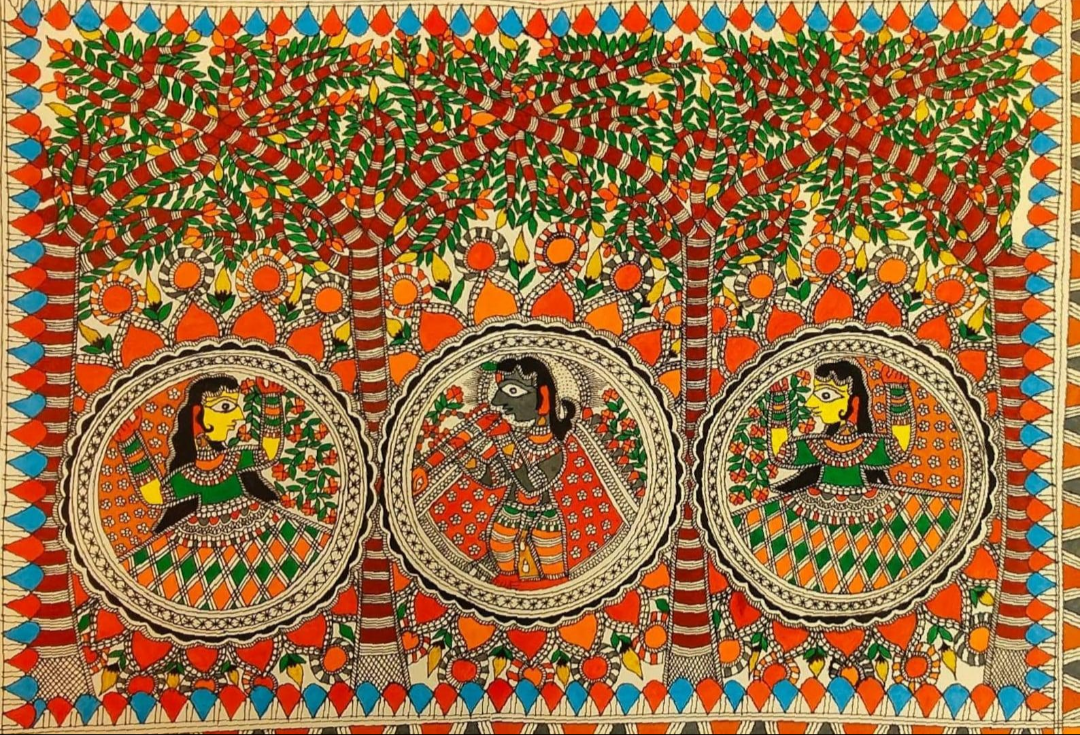
For men, the dhoti-kurta remains the traditional ensemble, particularly among older and rural men and on ceremonial occasions, alongside the more generally worn kurta-pyjama; a gamchha (a thin, checked cotton towel-cum-scarf) is a near-ubiquitous everyday accessory for Bihari men across social classes, used as a towel, headwrap, or shoulder cloth. Bihar's most distinctive contribution to textile and decorative art, however, is not worn but painted: Madhubani (or Mithila) painting, a centuries-old folk-art tradition from the Mithila region using natural pigments to create vivid, ritually significant motifs of deities, flora, and fauna, traditionally executed by women on the mud walls of homes for festivals and weddings, and now also produced on cloth, paper, and, increasingly, as a recognised fine-art and textile-design tradition sold nationally and internationally.
12. Traditional Housing and Architecture
Rural Bihar's traditional dwellings historically followed the North Indian courtyard model, with mud-brick or, for wealthier landowning families, brick construction organised around a central courtyard, reflecting both the agrarian economy and joint-family living; thatched or tiled roofing remains common in flood-prone north Bihar. The state's architectural legacy at the monumental level is exceptionally deep for its religious and educational history rather than its courtly grandeur: the ruins of Nalanda and Vikramshila universities, the Mahabodhi Temple complex at Bodh Gaya (a UNESCO World Heritage Site), the Ashokan pillars and stupas scattered across Vaishali and the Magadh region, and Sher Shah Suri's 16th-century mausoleum at Sasaram together represent one of the densest concentrations of ancient and early-medieval Buddhist, Jain, and Indo-Islamic monuments anywhere in South Asia.
13. Folklore and Oral Tradition
Bihar's oral and folk-song tradition is exceptionally rich and runs alongside, and often predates, its written classical literature. Vidyapati's 14th-century Maithili lyrics on Radha-Krishna devotion remain widely sung in Mithila to this day, and the region's women have historically carried an enormous repertoire of ritual and life-cycle songs — wedding songs, Chhath Puja songs, and the Sohar songs sung at childbirth — transmitted orally across generations. Bhojpuri-speaking western Bihar is particularly associated with the Bidesia folk theatre tradition, founded by the poet-playwright Bhikhari Thakur in the early 20th century, whose plays dramatise the pain of migration and separation as Bihari men left their villages for indentured or wage labour abroad and elsewhere in India — a theme that speaks directly to the diaspora history described below.
14. Education, Livelihoods, and Socioeconomic Profile
Historically an overwhelmingly agrarian economy built on rice, wheat, maize, sugarcane, and makhana production, Bihar remains one of India's least urbanised and, by per-capita income, poorest states, a status widely attributed by economists and Bihari commentators to a combination of chronic flooding, the loss of its mineral-rich southern districts to Jharkhand in 2000, decades of underinvestment in industry, and colonial-era and post-independence policies such as the freight equalisation scheme that are widely seen as having disadvantaged eastern Indian manufacturing. Literacy (61.8–70.9 per cent depending on the measure and year) and female literacy in particular remain below the national average, though both have risen substantially since 2000. Historically an ancient centre of learning at Nalanda and Vikramshila, the state today sends large numbers of students to competitive national examinations (Bihar's coaching institutes, especially in Patna, are nationally known for engineering- and civil-service-entrance preparation) and has long been one of India's largest sources of interstate labour migration, with millions of Bihari workers employed in Punjab, Delhi, Mumbai, Gujarat, and other industrialised states, as well as in Gulf Cooperation Council countries.
15. Diaspora
Bihar's diaspora history, like that of neighbouring Uttar Pradesh, operates on two distinct historical tracks. The older and, in relative terms, especially consequential is the 19th- and early 20th-century indentured-labour migration: between 1834 and 1917, the British recruited very large numbers of labourers from the densely populated Bhojpuri-speaking districts of western Bihar (alongside the adjoining Purvanchal districts of the United Provinces) to work on sugar and other plantations across the British Empire, following the abolition of slavery. These emigrants — remembered in the diaspora as Girmitiyas, after the “agreement” (girmit) they signed — settled permanently in Trinidad and Tobago, Guyana, Suriname, Mauritius, and Fiji, where their descendants today form substantial, in some cases majority or near-majority, segments of the national population, and where Bhojpuri-derived creole languages (Caribbean Hindustani, Sarnami, Fiji Hindi) remain spoken, and Bihari-rooted festivals such as Chhath Puja are still observed, generations later.
The second, more recent track is 20th- and 21st-century labour and professional emigration. From the 1970s onward, Gulf construction and services employment drew heavily on Bihar's rural workforce, and in parallel, skilled and student emigration — engineers, physicians, IT professionals, and, especially, civil servants recruited through Bihar's strong presence in national competitive examinations — has sent large numbers of Biharis to the United States, United Kingdom, Canada, and Australia. Domestically, Bihar remains one of India's single largest sources of interstate migrant labour, with a substantial share of the workforce of Delhi, Punjab, Haryana, Gujarat, and Maharashtra tracing recent origins to the state, sustaining active regional (Bihari samaj), caste, and Chhath Puja committee associations in almost every major Indian city.
| Destination | Era / Route | Present-day trace |
|---|---|---|
| Mauritius | Indentured labour, 1834–1917 | Large Bihari/Bhojpuri-origin population; Chhath and Holi widely observed |
| Trinidad & Tobago, Guyana, Suriname | Indentured labour, 1834–1917 | Caribbean Hindustani/Sarnami speakers of substantial Indo-Caribbean population |
| Fiji | Indentured labour, 1879–1916 | Fiji Hindi speakers among Indo-Fijian community |
| Gulf states (UAE, Saudi Arabia, Qatar) | Labour migration, 1970s–present | Large contract-labour workforce; strong remittance economy in Bihar |
| Delhi, Punjab, Mumbai, Gujarat | Domestic labour migration, ongoing | Very large resident Bihari migrant-worker population |
| USA, UK, Canada, Australia | Skilled/student emigration, 1990s–present | Growing professional and academic diaspora |
16. Prominent Figures
16.1 Ancient and Historical Figures
- Chandragupta Maurya and Ashoka — founders and consolidators of the Mauryan Empire, ruling from Pataliputra (modern Patna).
- Gautam Buddha and Mahavira — though born elsewhere in the region, both attained their central spiritual milestones in Bihar (Bodh Gaya and Vaishali respectively).
- Aryabhata (476–550 CE) — the astronomer-mathematician is traditionally associated with study and work at Kusumapura, identified by many historians with Pataliputra.
- Sher Shah Suri (1486–1545) — Bihar-born founder of the Suri dynasty and administrative reformer, buried at Sasaram.
- Vidyapati (c. 1352–1448) — Maithili poet whose devotional lyrics shaped North Indian and Bengali devotional literature.
16.2 Political and Public Life
- Rajendra Prasad (1884–1963) — born in Siwan district; independent India's first President.
- Jayaprakash Narayan (1902–1979) — freedom fighter and socialist leader, later the guiding figure of the 1974–75 JP Movement centred on Bihar.
- Karpoori Thakur (1924–1988) — former Chief Minister of Bihar and pioneering figure of backward-caste social justice politics, posthumously awarded the Bharat Ratna in 2024.
- Lalu Prasad Yadav and Nitish Kumar — the two dominant Bihari political figures of the post-1990 era, each serving multiple terms as Chief Minister.
16.3 Literature, Arts, and Culture
- Bhikhari Thakur (1887–1971) — poet-playwright and founder of the Bhojpuri Bidesia folk theatre tradition.
- Phanishwar Nath 'Renu' (1921–1977) — Hindi novelist celebrated for Maila Anchal, a landmark of Bihar-set regional realist fiction.
- Ustad Bismillah Khan (1916–2006) — though closely associated with Varanasi, the shehnai maestro's family roots and much of his career connect to the wider Bihar-UP Hindustani classical music milieu.
- Sitara Devi and later Madhubani artists such as Sita Devi and Ganga Devi — key figures in bringing Mithila/Madhubani painting to national and international recognition from the 1960s onward.
16.4 Science, Sports, and Other Fields
- Satyendra Nath Bose — though based mainly in Bengal, part of the same wider eastern Gangetic intellectual milieu as Bihar's colonial-era scholarly institutions.
- Sushant Singh Rajput (1986–2020) — Patna-born Bollywood actor.
- Prashant Kishor — Buxar-born political strategist and, more recently, founder of a Bihar-focused political party.
17. Conclusion
Bihar represents a rare case of a geography whose ancient scriptural memory, layered imperial and monastic history, and modern population genetics converge on a coherent, if internally diverse, regional story: the cradle of Buddhism and Jainism, the seat of the Mauryan and Gupta empires, the home of one of the ancient world's great universities at Nalanda, and, in more recent centuries, a demographic wellspring for both colonial-era indentured emigration and contemporary Indian and global labour migration — all while remaining, at its demographic base, a continuous agrarian Gangetic-plain population whose genetic ancestry still bears the imprint of millennia of settlement along the Ganga. From the Bodhi tree at Bodh Gaya to the painted Kohbar walls of a Mithila wedding chamber, and from the Bidesia laments of migrant labourers to the Chhath Puja ghats still thronged by their diaspora descendants in Trinidad, Mauritius, and Fiji, the story of Bihar's people is simultaneously a religious history, a genetic case study, and a living regional culture carried by one of India's largest and most historically consequential populations.
Frequently Asked Questions
What ethnicity or ancestry are people from Bihar?
People from Bihar are not a single ethnicity but a large, internally diverse Indo-Gangetic population encompassing many castes, sub-regional groups (Mithila, Magadh, Bhojpur, Anga), and both Hindu and Muslim communities, alongside smaller Scheduled Tribe populations. Genetically, most Biharis descend from a mixture of Ancestral North Indian (ANI) and Ancestral South Indian (ASI) ancestry, with the proportion varying by caste and community — generally higher ANI among traditionally upper and middle castes, and higher ASI among Other Backward Class, Scheduled Caste, and tribal communities.
Is Bihar Aryan or Dravidian?
Bihar is part of the Indo-Aryan linguistic and cultural zone of North India, with Maithili, Bhojpuri, Magahi, and Angika all belonging to the Indo-Aryan language family and descending from the ancient Magadhi Prakrit. Genetically, however, the population is not purely 'Aryan' in any strict sense; like almost all Indian populations, it carries a mixture of Ancestral North Indian (ANI, linked to Central Asian and West Eurasian populations) and Ancestral South Indian (ASI, indigenous to the subcontinent) ancestry.
What DNA haplogroups are common among people from Bihar?
Studies of North Indian and eastern Gangetic-plain populations, including Bihar, report deep South Asian paternal haplogroups such as H and L alongside haplogroup R1a, linked to Indo-Aryan-associated migration, with R1a frequency generally higher among upper-caste communities. Maternal (mitochondrial) DNA is dominated by the indigenous South Asian haplogroup M and its subclades. Bihar's Scheduled Tribe populations (Santhal, Oraon, Munda) carry a distinct genetic profile with substantially higher Austroasiatic and East/Southeast Asian-linked ancestry than the state's plains caste populations.
What language do people in Bihar speak?
Hindi is the state's official and administrative language, but everyday speech varies by region: Maithili is spoken in the north (Mithila), Bhojpuri in the west, Magahi in south-central Bihar, and Angika in the east. These are collectively known as the Bihari languages, all descended from the ancient Magadhi Prakrit.
What is the traditional dress of Bihar?
Women traditionally wear the saree — in cotton for everyday use and in Bhagalpuri tussar silk for festive occasions — along with sindoor and, in Mithila, tikuli forehead ornaments; the salwar kameez is now widespread among younger women. Men traditionally wear the dhoti-kurta, often with a gamchha (checked cotton cloth) as an everyday accessory, alongside the more generally worn kurta-pyjama.
What is Bihar famous for in terms of food?
Bihar is best known for litti-chokha (roasted sattu-stuffed dough balls with mashed vegetable chokha), sattu-based dishes and drinks, and festive sweets such as thekua, tilkut, and khaja. Mithila's cuisine includes a distinct fish-and-rice tradition and makhana (fox-nut) dishes, while Champaran meat is a well-known regional mutton specialty from north Bihar.
Where did people from Bihar migrate to historically?
Between 1834 and 1917, large numbers of indentured labourers, remembered as Girmitiyas, were recruited from the Bhojpuri-speaking districts of Bihar (alongside the neighbouring United Provinces) to work on British Empire plantations, settling permanently in Trinidad and Tobago, Guyana, Suriname, Mauritius, and Fiji. From the mid-20th century onward, Bihar has also been one of India's largest sources of both domestic labour migration (to Delhi, Punjab, Mumbai, and Gujarat) and Gulf and Western-country labour and professional emigration.
What caste groups are found in Bihar?
Bihar's Hindu population spans a wide caste spectrum: land-owning and priestly groups such as Brahmins, Bhumihars, and Rajputs; numerically dominant Other Backward Class communities including Yadavs, Kurmis, and Koeris (together over 63 per cent of the population per the 2022–23 caste survey); and Dalit communities such as Musahars, Paswans (Dusadhs), and Chamars (close to 20 per cent of the population). The state also has a substantial Muslim population and, in its southern districts bordering Jharkhand, Santhal, Oraon, and other Scheduled Tribe communities.
Is Bihar genetically similar to Uttar Pradesh, Bengal, or Jharkhand?
As adjoining stretches of the same Gangetic plain, Bihar's plains caste population is genetically closest to neighbouring eastern Uttar Pradesh, sharing a similar ANI-ASI gradient and overlapping caste and linguistic groups (Bhojpuri speakers span the Bihar-UP border, for instance). It is somewhat more distantly related to West Bengal, which carries an additional East Asian-linked genetic component from Southeast Asian and Tibeto-Burman contact not typical of Bihar. Bihar's own Scheduled Tribe populations, concentrated near the Jharkhand border, are genetically distinct from the state's plains castes and more closely related to the wider Munda-speaking tribal populations of Jharkhand, Odisha, and Chhattisgarh.
What is Chhath Puja and why is it associated with Bihar?
Chhath Puja is a multi-day festival of sun and river-goddess worship, observed with ritual fasting and offerings at river ghats and ponds at sunrise and sunset. While observed elsewhere in eastern India and Nepal, it is regarded as Bihar's signature festival and, carried by Bihari migrants, has become one of the most visible markers of Bihari identity in diaspora communities across India and abroad, from Delhi and Mumbai to Mauritius and the Caribbean.
What is Madhubani (Mithila) painting?
Madhubani or Mithila painting is a centuries-old folk-art tradition from the Mithila region of north Bihar, traditionally executed by women using natural pigments on the mud walls of homes for festivals and weddings, depicting deities, flora, fauna, and ritual motifs. Since the mid-20th century it has also been produced on paper and cloth and is now recognised nationally and internationally as one of India's major folk-art traditions.
What physical traits are typical of people from Bihar?
There is no single physical type for a population of over 130 million spanning many castes, religions, and a distinct tribal minority; in general, Gangetic-plain populations including Bihar's plains castes tend toward medium build and stature by South Asian standards, with skin tone across the broad range typical of eastern North India. Forensic and physical-anthropological studies find measurable trait and genetic differences between the state's various endogamous caste communities and its Scheduled Tribe populations, reflecting distinct settlement histories rather than one uniform state-wide phenotype.