

Maharashtra Genome Project Community
Explore Maharashtra genetics: uncover the rich ancestry, history, and diverse origins of Marathi people across the Deccan Plateau.
MAHARASHTRA GENOME PROJECT
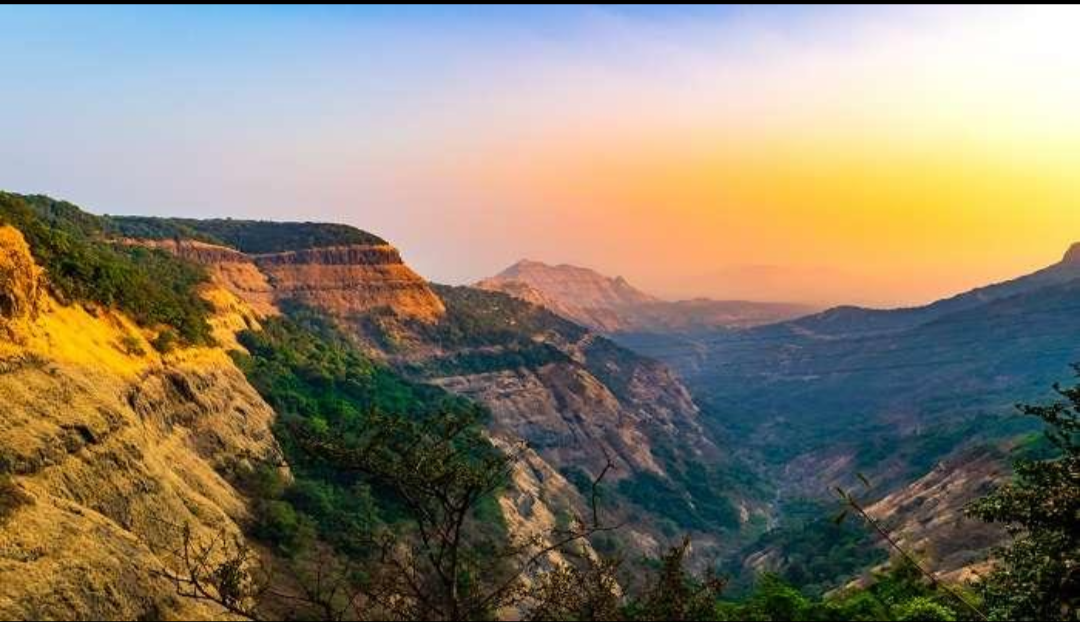
The People of Maharashtra: Geography, History, Culture and Genetics of a Deccan Homeland
Table of Contents
1. Introduction: Who Are the People of Maharashtra?
Maharashtra is India's third-largest state by area and its second-most populous, stretching across the western Deccan Plateau from the Arabian Sea coast to the plains of Vidarbha in the east. Unlike a single caste, sect, or diasporic religious community, “the people of Maharashtra” denotes a territorial and linguistic population — speakers of Marathi and residents of the historical Maharashtra-desh — who nonetheless share a remarkably coherent regional identity built over two millennia of shared geography, dynastic history, devotional religion, and social custom.
The term “Maratha” is used in two overlapping senses: broadly, by historians, to describe all Marathi-speaking people of the Deccan regardless of caste, and narrowly, in contemporary usage, to describe a specific land-owning, historically martial caste (along with the closely related Kunbi cultivator communities) that forms roughly a third of the state's population. This profile is concerned with the broader sense — the shared regional population of Maharashtra — while drawing out what is specifically known about the Maratha-Kunbi caste cluster, the Brahmin communities, and other groups that together constitute Maharashtrian society.
Geographically anchored by the Sahyadri (Western Ghats) running north to south along the coast, and historically forged in the guerrilla warfare and statecraft of the seventeenth-century Maratha Empire under Chhatrapati Shivaji, Maharashtra today is home to over 112 million people and anchors India's financial capital, Mumbai, while remaining deeply rooted in an agrarian and devotional heartland. This profile examines the region's geography, deep origins, political history, population genetics, physical characteristics, language, customs, cuisine, dress, architecture, folklore, economy, diaspora, and prominent figures.
2. Geography and Land
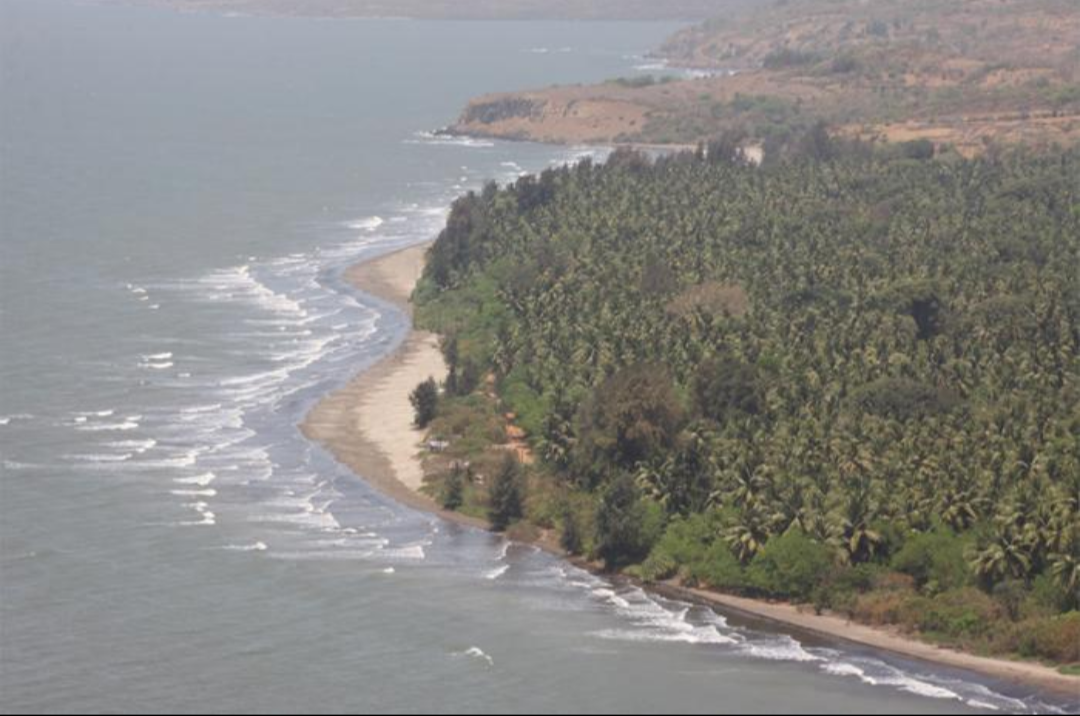
Maharashtra lies on India's western seaboard, bordered by the Arabian Sea to the west, Gujarat and Dadra and Nagar Haveli to the northwest, Madhya Pradesh to the north and northeast, Chhattisgarh to the east, Telangana to the southeast, Karnataka to the south, and Goa to the southwest. Its landscape is defined by three broad zones: the narrow, fertile Konkan coastal strip; the Sahyadri (Western Ghats) escarpment running parallel to the coast, riddled with the hill forts that became synonymous with Maratha military history; and the vast Deccan Plateau (Desh) to its east, drained by the Godavari, Krishna, Bhima, and Tapi river systems.
Traditionally, the state is understood as a patchwork of distinct sub-regions, each with its own accent, cuisine, and historical character:
- Konkan – the coastal strip between the Sahyadri and the Arabian Sea, from the outskirts of Mumbai south to the Goa border; known for fishing communities, coconut and rice cultivation, and Malvani cuisine.
- Desh (Paschim Maharashtra) – the plateau immediately east of the Ghats around Pune, Satara, Kolhapur, and Sangli — the historic heartland of the Maratha Empire and the Peshwa court.
- Khandesh – the northern belt along the Tapi river valley (Nashik, Jalgaon, Dhule, Nandurbar), historically a distinct cultural zone with its own Khandeshi dialect.
- Marathwada – the south-eastern region around Aurangabad (Chhatrapati Sambhajinagar) and Nanded, formerly part of the princely state of Hyderabad and only merged with Maharashtra after 1948.
- Vidarbha – the easternmost region around Nagpur and Amravati, formerly part of the Central Provinces and Berar under British rule, with its own Varhadi dialect and cuisine.
This geographic diversity — monsoon-soaked coast, rain-shadow plateau, and semi-arid interior — has historically produced marked internal variation in dialect, diet, and custom even within a shared Marathi linguistic and cultural framework, a pattern this profile revisits throughout.
3. Origins and Early History
3.1 Ancient and Classical Period
The name “Maharashtra” is attested from at least the fourth century CE, and is generally derived by philologists from the Rattas or Rashtrikas, a ruling lineage referenced in Ashokan-era inscriptions, whose territory (“Maha-Rashtra,” the great realm) gave the region its name. Archaeological and genetic evidence points to a population of mixed origin: an indigenous Dravidian-speaking base later overlaid by successive waves of Indo-Aryan-speaking migration from the north, a process community tradition and colonial-era gazetteers alike associate with the legendary Puranic migrations of Parashurama and Agastya. The region passed through the Satavahana Empire (2nd century BCE – 3rd century CE), the Vakataka dynasty, the Rashtrakuta Empire, the Chalukyas, and the Yadava dynasty of Devagiri (Daulatabad), which ruled much of the Deccan until the Delhi Sultanate's conquest in the early fourteenth century.
3.2 Medieval Period and the Rise of the Marathas
Following the fall of the Yadavas, the Deccan came under a succession of Muslim sultanates — the Bahmani Sultanate and its successor states, including the Nizam Shahi (Ahmednagar), Adil Shahi (Bijapur), and Qutb Shahi (Golconda) kingdoms. Marathi-speaking warrior clans and revenue officers (deshmukhs and deshpandes) served extensively within these sultanate administrations and armies, acquiring military experience, land rights, and local administrative authority that would later underpin the rise of an independent Maratha polity.
3.3 The Maratha Empire and Peshwa Era
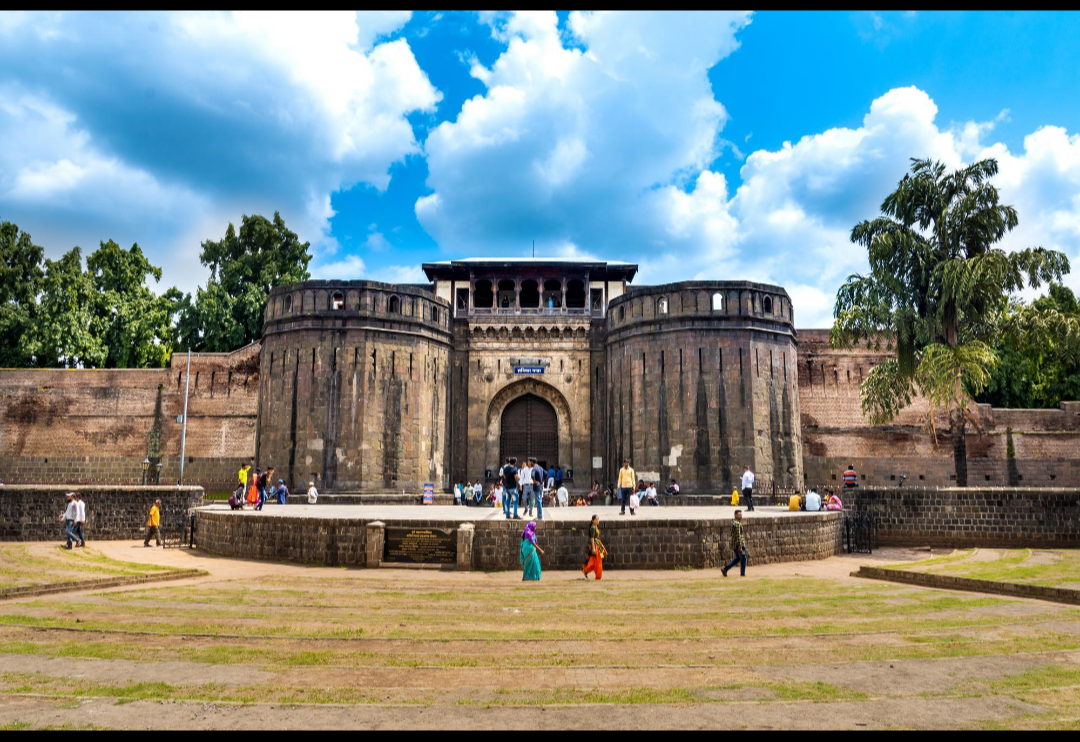
In the mid-seventeenth century, Chhatrapati Shivaji Bhosale (1630–1680) forged a network of Maratha chieftains and hill forts into an independent kingdom, proclaiming Hindavi Swarajya (“self-rule of the Hindu people”) and being formally crowned Chhatrapati at Raigad in 1674. Shivaji's use of mobile guerrilla warfare, naval power along the Konkan coast, and a disciplined revenue and military administration made the Marathas the dominant power resisting Mughal expansion in the Deccan. After his son Sambhaji's execution by Aurangzeb in 1689, a protracted twenty-seven-year war of resistance (1680–1707) eventually exhausted the Mughal treasury and confirmed Maratha ascendancy.
From the early eighteenth century, executive power passed increasingly to the Peshwas, hereditary prime ministers based in Pune, under whom the Maratha Confederacy expanded across much of the Indian subcontinent, with allied houses such as the Scindias (Gwalior), Holkars (Indore), Gaekwads (Baroda), and Bhonsales (Nagpur, and separately Thanjavur in the far south) each carving out regional power centres. At its height in the mid-eighteenth century, the Confederacy's influence extended from the Punjab to Bengal, before a decisive defeat at the Third Battle of Panipat (1761) checked its northward expansion. A series of Anglo-Maratha Wars (1775–1818) with the British East India Company ultimately ended Maratha political sovereignty.
3.4 Colonial Period and Freedom Struggle
Under British rule, the Maharashtra region was divided among the Bombay Presidency, the Central Provinces and Berar (Vidarbha), and the princely state of Hyderabad (Marathwada). The nineteenth and early twentieth centuries saw Maharashtra emerge as a centre of both social reform — through figures such as Jyotirao Phule, Pandita Ramabai, and Maharshi Dhondo Keshav Karve — and nationalist politics, producing early Congress leaders such as Gopal Krishna Gokhale and Bal Gangadhar Tilak, as well as Dr. B. R. Ambedkar's mid-century movement for the rights and dignity of Dalit communities, centred substantially in Maharashtra. Following independence, the present-day state of Maharashtra was created on 1 May 1960 through the bifurcation of the bilingual Bombay State into Marathi-speaking Maharashtra and Gujarati-speaking Gujarat, following a sustained popular movement (the Samyukta Maharashtra movement).
4. People and Social Structure
Maharashtrian society has historically been organised around a broad caste hierarchy typical of much of Hindu India, with the numerically dominant Maratha and Kunbi communities — cultivators and, in the Maratha case, a historically martial and landholding caste tracing status to service in Shivaji's armies and the Peshwa state — forming close to a third of the state's population and its principal political class since independence. Brahmin sub-groups (notably the Chitpavan, Deshastha, Karhade, and Saraswat communities) historically dominated administration, scholarship, and the Peshwa bureaucracy. Other significant communities include the Dhangar (pastoralist), Mali (horticulturalist), Teli (oil-presser), CKP (Chandraseniya Kayastha Prabhu), and numerous Scheduled Caste communities including the Mahar community from which Dr. Ambedkar emerged and led a mass conversion to Buddhism in 1956, alongside Scheduled Tribes such as the Bhil, Gond, Warli, and Kokna concentrated in the state's hill and forest tracts.
Beyond the indigenous Marathi-speaking population, Maharashtra — and Mumbai and Pune in particular — has for centuries drawn substantial settler and migrant communities, including Gujaratis, Marwaris, Sindhis, Parsis, Konkani-speaking Goud Saraswat Brahmins, and, more recently, migrants from across India drawn by the state's industrial and financial economy, making Maharashtra one of India's most demographically layered states even as its Marathi-speaking core retains a distinct and dominant regional identity.
5. Genetics and DNA Ancestry
As a state occupying a historic corridor between northern and southern India, Maharashtra has been the subject of numerous population-genetic studies examining how geography and caste history have shaped its gene pool.
5.1 Paternal (Y-DNA) Lineages
Studies of the non-recombining Y chromosome across Maharashtra's caste and tribal populations identify the South Asian-specific haplogroup H as the most frequent lineage among both caste and tribal groups, with haplogroup R1a — often associated with Indo-Aryan-speaking, agropastoralist expansion — also prominent, particularly among caste populations such as Brahmins and Marathas. A significant minority signal comes from haplogroup J2, linked to Near Eastern and West Asian paternal ancestry, present across both caste and tribal groups and interpreted as evidence of a detectable, if demographically modest, west Asian paternal gene flow layered onto the region's deeper Paleolithic ancestry.
5.2 Maternal (mtDNA) Lineages
On the maternal line, Maharashtra's population — caste and tribal alike — is dominated by the South Asian “superhaplogroup” M, accounting for roughly two-thirds of sampled individuals, alongside deep, ancient lineages such as M2, R5, and U2 that together account for around a fifth of the sample and point to shared ancestry with southern Indian populations, with two Maharashtra-specific mtDNA subclades, designated M93 and M189, identified in regional studies. Maternal ancestry overall shows far less west or east Eurasian admixture than the paternal line, consistent with the broader South Asian pattern of male-mediated, rather than family, migration.
5.3 Autosomal Ancestry and the North–South Corridor
Genome-wide comparisons place Maharashtra's population, as expected from its geography, intermediate between northern and southern Indian genetic clusters, combining Ancestral North Indian (ANI) and Ancestral South Indian (ASI) components in proportions that vary meaningfully by caste rank. Research using autosomal STR markers on Maharashtra's admixed general population and specific caste groups (such as the Teli community) has documented high observed heterozygosity and substantial genetic diversity, attributed to the state's long history as a demographic meeting point for Gujarati, Marwari, Sindhi, Punjabi, Parsi, Kannada, and Tamil-origin settlers alongside its indigenous Marathi-speaking base.
5.4 Caste-wise Genetic Variation and Endogamy
Studies comparing ranked caste groups within Maharashtra — Brahmin, Maratha, and Navbuddha (Mahar-origin Buddhist) populations — find the Brahmin group genetically the most distinct of the three, notwithstanding carrying the highest frequency of the broadly South Asian haplogroup M, a finding interpreted as evidence of historical recruitment into the Brahmin caste from other populations over time rather than strict, unbroken endogamy. Haplotype diversity is markedly higher among Maratha and Navbuddha groups than among Brahmins, and, as with most of caste India, centuries of group-endogamous marriage have left a measurable genetic-structuring signal between caste and tribal populations, even as broad ancestry components remain shared across the state.
This section summarizes published population-genetics literature; ancestry estimates vary by study, sample, and reference panel, and individual DNA-test results may differ from community-level averages.
6. Physical Traits
As with most large linguistic populations spanning a wide geography, Maharashtrians do not correspond to a single physical “type,” and considerable variation exists between the coastal Konkan, plateau Desh, and eastern Vidarbha populations, as well as across caste and tribal groups. Broadly, Maharashtrians are generally of medium stature by South Asian standards, with complexions ranging across the wide South Asian spectrum from wheatish to deep brown, dark hair and eyes being near-universal, and build tending toward lean and wiry rather than heavy — a physical characterisation long associated in colonial-era and popular accounts with the Maratha reputation for hardiness, mobility, and endurance as hill and guerrilla soldiers. Coastal Konkan populations, with closer historical contact with Arabian Sea trade networks, and Scheduled Tribe communities of the Sahyadri and Gondwana forest tracts, show somewhat distinct anthropometric and genetic profiles from the plateau's dominant caste groups, reflecting the region's layered migration history described above.
7. Language and Literature
Marathi, an Indo-Aryan language descended from Maharashtri Prakrit, is the mother tongue of the overwhelming majority of the state's population and one of the oldest literary languages of India, with an inscriptional record dating to the eleventh century CE and a major early devotional literary tradition beginning with the thirteenth-century saint-poet Dnyaneshwar. Regional dialects include Varhadi (Vidarbha), Khandeshi/Ahirani (north Maharashtra), Malvani (coastal Konkan), and Kolhapuri/Southern Marathi, alongside a large and influential standard literary register centred on Pune. Marathi literature is particularly distinguished by its bhakti (devotional) poetic tradition — the abhangs of Dnyaneshwar, Namdev, Eknath, and Tukaram — which remains actively sung and recited today, as well as a vigorous modern tradition of novels, poetry, journalism, and theatre (Marathi Natya Sangeet, musical theatre) that has produced some of India's most significant modern writers and playwrights.
8. Culture, Customs, and Festivals
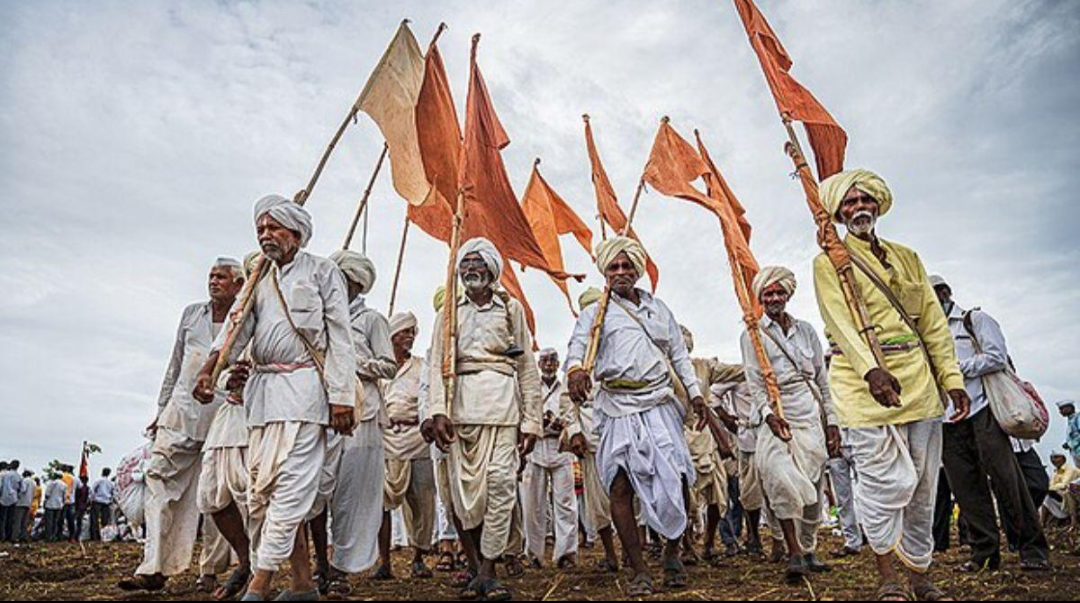
Maharashtrian religious and social life centres on a distinctive blend of Vedic Brahminical practice and an intensely popular, egalitarian bhakti devotionalism, embodied above all in the Warkari tradition — the pilgrim-devotees of the god Vithoba of Pandharpur, whose biannual wadari pilgrimages (vari) to Pandharpur, walking for days while singing abhangs, remain one of the largest devotional gatherings in India and a defining marker of Maharashtrian religious identity across caste lines.
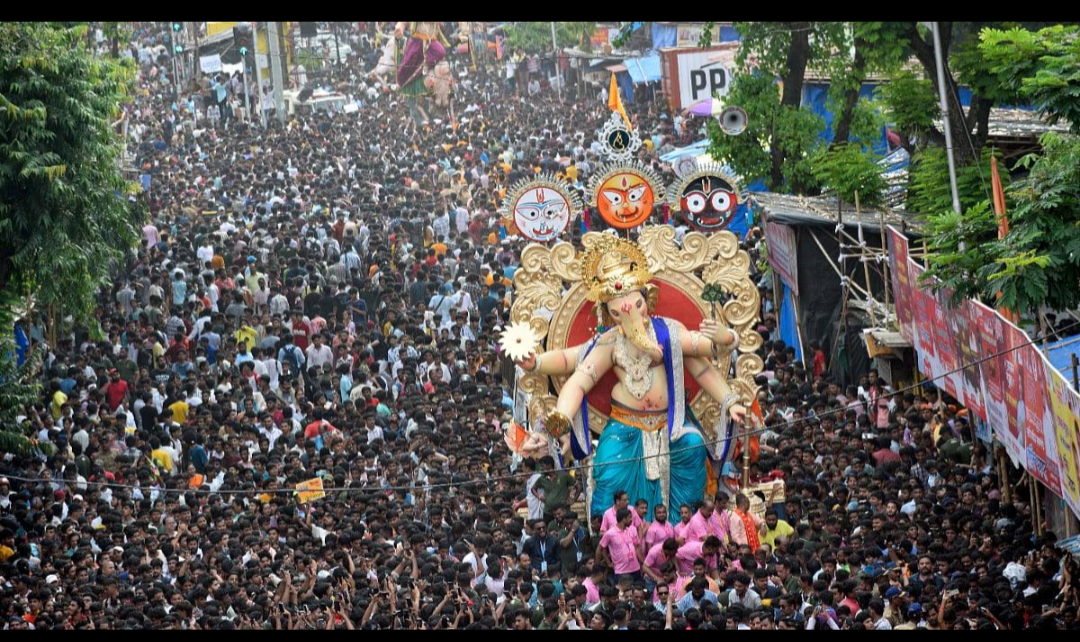
- Ganesh Chaturthi – Maharashtra's signature festival, honouring the elephant-headed god Ganesha over ten days with elaborately decorated public and household idols, processions, and immersion (visarjan) ceremonies; transformed into a mass public and nationalist festival by Bal Gangadhar Tilak in 1893, it remains the state's largest cultural event.
- Gudi Padwa – the Marathi New Year, marked in spring by raising a gudi (a decorated pole with an inverted copper or silver vessel) outside the home.
- Nagpanchami, Narali Purnima and Gokulashtami – seasonal and coastal festivals tied to the monsoon agricultural and fishing calendar, particularly significant in the Konkan.
- Warkari pilgrimage (Vari) – described above, one of the oldest continuously practised mass devotional traditions in India, drawing hundreds of thousands of pilgrims (varkaris) on foot to Pandharpur each year.
Family and social life traditionally centred on the joint family household, with social organisation historically structured around caste-based occupational roles, village-level administrative offices (patil, kulkarni), and strong ties of kinship and clan (kul, gotra) that continue to shape marriage practice and family gatherings today.
9. Cuisine
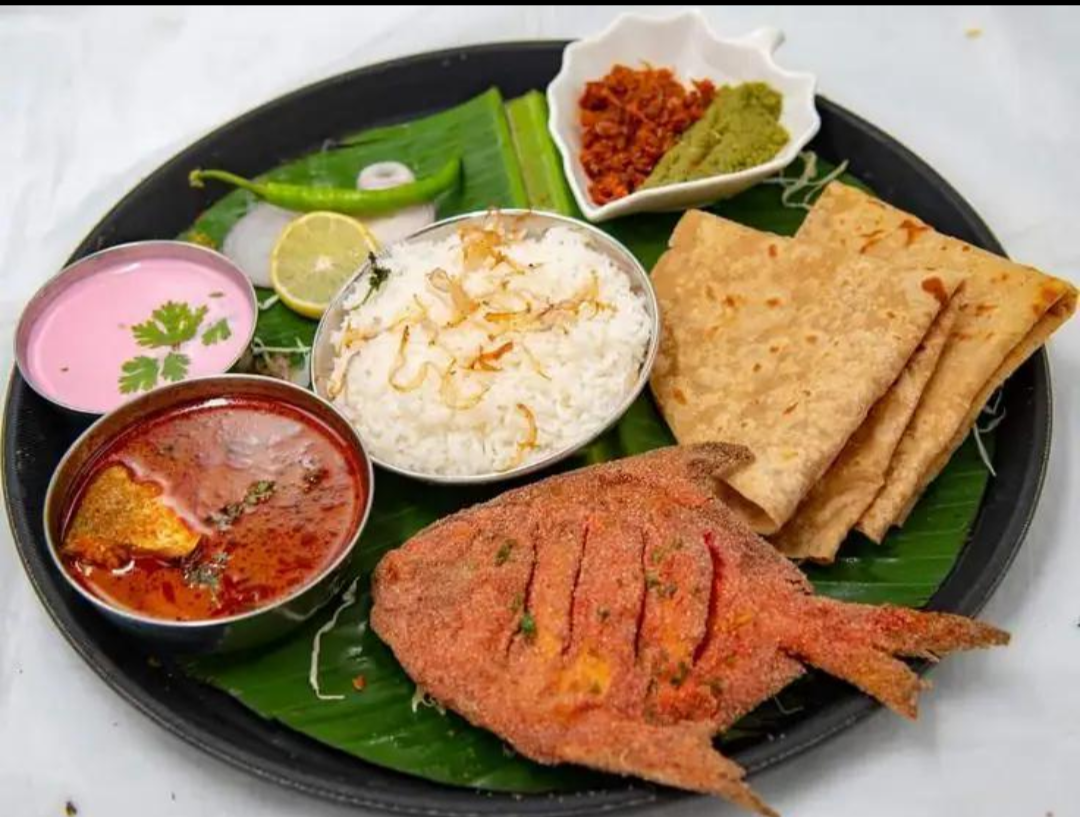
Maharashtrian cuisine is markedly regional, dividing broadly into the coconut- and seafood-rich Malvani cuisine of the Konkan coast, the more restrained, lentil-and-grain-based vegetarian cooking of the Desh plateau (strongly associated with Brahmin culinary tradition), and the distinct Varhadi cuisine of Vidarbha, known for its intense use of dry spice blends. Staples across the state include rice and wheat in the Konkan and Desh, and millets — jowar (sorghum) and bajra (pearl millet), eaten as the flatbread bhakri — as the everyday staple across much of rural Maharashtra.
- Varan-bhaat and amti – the everyday meal of plain toor-dal lentil stew (varan) or a more heavily spiced, tamarind-and-jaggery-flavoured lentil curry (amti) served over rice, often finished with the distinctive goda masala (a sweet-spiced Maharashtrian spice blend).
- Puran poli – a sweet flatbread stuffed with a jaggery-and-chana-dal filling, spiced with cardamom and nutmeg, central to festivals such as Holi and Ganesh Chaturthi.
- Misal pav, vada pav and poha – iconic Maharashtrian street food — a spicy sprouted-lentil curry, a deep-fried potato fritter in a bun, and flattened-rice breakfast respectively — that have become identified with Mumbai and Pune street culture nationally.
- Kolhapuri tambda and pandhra rasa – the fiery red and milder white mutton or chicken curries of Kolhapur, alongside the distinctively hot Varhadi rassa of Vidarbha, representing the state's non-vegetarian culinary tradition, most prominent among Maratha, Kunbi, Dhangar, and Konkan coastal communities.
- Malvani seafood – coconut-based curries, sol kadhi (a kokum-and-coconut digestive drink), and grilled or fried pomfret, bangda (mackerel), and surmai (kingfish), reflecting the Konkan coast's fishing economy.
Feasting is closely tied to the religious calendar, with elaborate vegetarian spreads (often served on a banana leaf and following a fixed sequence of courses) marking festivals, weddings, and the Warkari pilgrimage season, alongside periods of fasting (upvas) observed by many households on designated days.
10. Traditional Dress and Ornaments
Traditional Maharashtrian dress is closely associated with the martial and agrarian heritage of the Maratha era, and remains widely worn at weddings, festivals such as Gudi Padwa and Ganesh Chaturthi, and classical dance performance.
- Nauvari saree – the iconic nine-yard saree, draped in a distinctive dhoti-like style (kashtha) with the fabric passed between the legs, traditionally worn without a petticoat to allow full freedom of movement — historically linked to the active, sometimes martial, role Maharashtrian women played during the Maratha era, and today a signature garment of festivals, weddings, and Lavani performance.
- Paithani saree – a richly woven silk saree from Paithan, distinguished by peacock motifs on its pallu and an oblique square-patterned border, historically patronised by the Peshwa court and today the most coveted bridal saree in the state.
- Pheta – the traditional Maharashtrian turban, wound from a long strip of cloth and worn by men at weddings, festivals, and formal community occasions as a symbol of honour and Maratha pride, alongside the everyday dhoti-kurta.
- Nath – the distinctive Maharashtrian nose ring, typically pearl- and gemstone-studded in a paisley shape, an essential element of the bridal look, worn alongside the mundavalya (a string tied across the forehead of both bride and groom), green glass bangles (chura, symbolising marital fertility and prosperity), the thushi (a short, layered gold necklace), and the Kolhapuri saaj, a traditional necklace incorporating twenty-one auspicious design elements, including the ten avatars of Vishnu.
Everyday dress across contemporary Maharashtra, outside of weddings and festivals, has largely converged with pan-Indian and Western fashion, though the Nauvari, Paithani, and pheta remain prominent markers of cultural identity at community and religious occasions, and Kolhapuri chappals (handcrafted leather sandals from Kolhapur) remain a widely recognised regional accessory.
11. Traditional Housing and Architecture
The traditional rural Maharashtrian home (wada, in its grander landowning form) was typically built around a central courtyard (chowk), with wooden pillars, sloping tiled roofs suited to the monsoon, and a household shrine (devghar) at its heart, reflecting the joint-family structure and devotional emphasis of traditional social life. The Maratha era's most distinctive architectural legacy, however, is military: the hill forts (gadh or durg) of the Sahyadri — among them Raigad, Sinhagad, Pratapgad, and Rajgad — that anchored Shivaji's kingdom and remain central to Maharashtrian historical memory and popular pilgrimage (durga bhramanti, fort-trekking) today. Religious architecture blends Deccan temple-building traditions, seen in the region's ancient rock-cut cave complexes at Ajanta and Ellora, with distinctive Peshwa-era temple styles (notably at sites associated with the Warkari pilgrimage, such as Pandharpur and Alandi), and, in colonial-era cities such as Mumbai and Pune, a substantial layer of Indo-Gothic and Indo-Saracenic civic architecture.
12. Folklore, Music, and Performing Arts
Maharashtra's oral and performing traditions are exceptionally rich and closely tied to its devotional religious life. The abhangs (devotional songs) of the Warkari saint-poets — Dnyaneshwar, Namdev, Eknath, and above all Tukaram — form a living oral and musical corpus still sung during the Pandharpur pilgrimage and in everyday devotional practice. The povada is a traditional ballad form narrating the martial exploits of Maratha heroes, above all Shivaji, historically performed by travelling bards (shahirs) to sustain popular memory of Maratha history. Lavani, a fast-paced, rhythmically intense folk song-and-dance form traditionally performed by women, often to the accompaniment of the dholki drum, remains one of the state's best-known performing traditions, historically associated with the tamasha folk theatre tradition and today performed on stage across Maharashtra and in the diaspora.
13. Education, Livelihoods, and Socioeconomic Profile
Maharashtra is India's most industrialised and among its most urbanised states, anchored by Mumbai — the country's principal financial, banking, and entertainment (Hindi and Marathi film) centre — and Pune, a major hub for IT, automotive manufacturing, and higher education. Historically, land-owning Maratha and Kunbi families formed the backbone of the state's agrarian economy, particularly through the twentieth-century cooperative sugar and dairy movements that transformed rural western Maharashtra, while Brahmin and CKP communities were historically prominent in administration, education, law, and the professions, a pattern with roots in the Peshwa-era bureaucracy. Contemporary Maharashtrians are heavily represented across engineering, medicine, information technology, finance, the civil services, the armed forces, and India's Hindi and Marathi entertainment industries, alongside a continuing strong presence in agriculture, particularly sugarcane, cotton, grapes, onions, and horticulture.
14. Diaspora
While historically a less internationally dispersed community than some other Indian linguistic groups, Marathi speakers have built substantial diaspora communities over the past half-century, driven by engineering, medicine, IT, and academic migration from the 1960s onward and, more recently, by Mumbai and Pune's integration into global finance and technology industries. Significant Marathi diaspora populations exist in the United States (concentrated in the New York/New Jersey, San Francisco Bay Area, Chicago, and Boston metropolitan regions), the United Kingdom (an estimated one lakh Marathi speakers in and around London), Canada, Australia, and the Gulf states. Diaspora community life is organised substantially through Brihan Maharashtra Mandal (BMM) associations in North America and equivalent Marathi cultural associations (mandals) elsewhere, which run biennial conventions, Marathi-language schools, and Ganesh Chaturthi and Diwali celebrations; the Maharashtra state government has itself invested in diaspora infrastructure, including a dedicated Maharashtra Bhavan cultural centre approved for London in 2025 to serve the city's Marathi community.
15. Prominent Figures
15.1 Rulers, Warriors, and Freedom Fighters
- Chhatrapati Shivaji Maharaj (1630–1680) – founder of the Maratha Empire and Hindavi Swarajya, and the central figure of Maharashtrian historical identity.
- Chhatrapati Sambhaji Maharaj (1657–1689) – Shivaji's son and successor, who continued Maratha resistance to Mughal expansion until his execution by Aurangzeb.
- Rajarshi Shahu Maharaj (1874–1922) – progressive ruler of the princely state of Kolhapur, noted for pioneering affirmative-action reservations and social reform.
- Vinayak Damodar Savarkar (1883–1966) – writer, independence activist, and political ideologue.
15.2 Social Reformers
- Jyotirao Phule (1827–1890) – pioneering social reformer who campaigned for women's education and against caste discrimination.
- Dr. B. R. Ambedkar (1891–1956) – principal architect of the Indian Constitution and leader of the Dalit rights and Navayana Buddhist movements, born in Maharashtra.
- Pandita Ramabai (1858–1922) – scholar and social reformer who campaigned for women's rights and education and founded the Mukti Mission near Pune.
- Maharshi Dhondo Keshav Karve (1858–1962) – Bharat Ratna laureate and founder of India's first women's university, SNDT.
- Gopal Krishna Gokhale (1866–1915) – founder of the Servants of India Society and an early nationalist leader whom Mahatma Gandhi regarded as his political mentor.
15.3 Politics and Public Life
- Pratibha Patil (b. 1934) – 13th President of India (2007–2012) and the country's first woman president.
- Sharad Pawar (b. 1940) and Balasaheb Thackeray (1926–2012) – among the most influential post-independence Maharashtrian political leaders, shaping the state's modern party landscape.
15.4 Business and Industry
- Rahul Bajaj – chairman of the Bajaj Group, one of India's leading industrial conglomerates.
- Azim Premji – chairman of Wipro and one of India's most prominent philanthropists, born into a Maharashtra-based business family.
- Homi J. Bhabha (1909–1966) – founding father of India's nuclear and space research programme.
15.5 Arts, Science, and Culture
- Lata Mangeshkar (1929–2022) and Asha Bhosle (b. 1933) – among the most celebrated playback singers in Indian film history.
- Sachin Tendulkar (b. 1973) – widely regarded as one of the greatest cricketers in the sport's history.
- P. L. Deshpande and Vijay Tendulkar – leading figures of modern Marathi literature and theatre respectively.
This list is illustrative rather than exhaustive; Maharashtra has produced a vast number of scholars, scientists, actors, athletes, and civic leaders across its regions and its diaspora over the past two centuries.
16. Contemporary Reflections
Two themes recur in contemporary discussion of Maharashtrian identity. The first is internal diversity within apparent unity: a shared Marathi language and Warkari devotional culture coexists with pronounced regional (Konkan, Desh, Khandesh, Marathwada, Vidarbha) and caste-based differences in dialect, cuisine, and social experience, some of which — such as continuing debate over Maratha reservation status — remain live political questions. The second is the tension between rapid urbanisation and industrial growth, centred on Mumbai and Pune, and the continued centrality of an agrarian, cooperative, and devotional rural heartland, particularly in western Maharashtra, Marathwada, and Vidarbha, a tension that continues to shape the state's politics, economy, and cultural self-understanding.
17. Conclusion
The people of Maharashtra represent a distinctive case of a large regional and linguistic population whose identity was forged less by a single ethnic or religious origin than by a shared geography — the Sahyadri hills, the Konkan coast, and the Deccan plateau — and a shared history of Maratha statecraft, egalitarian bhakti devotion, and modern social reform. From the granite hill forts of Shivaji's kingdom to the Warkari pilgrims still walking to Pandharpur, from the Y-chromosome and mitochondrial lineages recovered in modern population-genetic studies to the Nauvari saree and puran poli of everyday festival life, and from nineteenth-century social reformers to a twenty-first-century diaspora spanning New Jersey to London, the Maharashtrian story is simultaneously a political history, a genetic case study, and a living regional culture that continues to evolve within India and abroad.
18. Frequently Asked Questions
Who are the Marathas?
The Marathas are a Marathi-speaking people native to the Deccan Plateau in the modern Indian state of Maharashtra. The term is used in two senses: broadly, for all Marathi-speaking people of the region regardless of caste, and narrowly, for a specific land-owning caste historically associated with military service under Chhatrapati Shivaji and the Maratha Empire, along with the closely related Kunbi cultivator communities.
Is Maratha a caste or a community?
Both usages exist. Historically and in common regional usage, “Maratha” refers to all Marathi speakers of the Deccan — an ethnolinguistic identity spanning many castes. In contemporary administrative and social terms, it also denotes a specific caste, traditionally ranked as Kshatriya (warrior-landowner), that today forms roughly a third of Maharashtra's population together with the Kunbi community.
What is the origin of the Maratha people?
Maratha identity emerged through a long process of ethnogenesis on the western Deccan plateau rather than from a single point of origin, combining an indigenous Dravidian-speaking population with successive waves of Indo-Aryan-speaking migration from the north. The name “Maharashtra” is generally traced to the Rattas or Rashtrikas, a ruling lineage referenced in Ashokan-era inscriptions. The Maratha caste's political identity crystallised under Chhatrapati Shivaji in the seventeenth century.
What DNA haplogroups are common in Maharashtra?
On the paternal (Y-DNA) line, haplogroup H is most frequent across Maharashtra's caste and tribal populations, with R1a also prominent, particularly among Brahmin and Maratha groups, and a smaller but consistent signal from the Near Eastern-linked haplogroup J2. On the maternal (mtDNA) line, the South Asian superhaplogroup M dominates, accounting for roughly two-thirds of the population, alongside ancient lineages such as M2, R5, and U2.
Are Marathas Kshatriyas or Shudras?
The Maratha caste has traditionally claimed Kshatriya (warrior) status, a claim formalised when Shivaji was crowned Chhatrapati in 1674. Colonial-era ethnographers and some later scholars, however, classified Marathas together with the Kunbi cultivator caste as being of Shudra varna origin who acquired Kshatriya status through military service and political power. The question remains a subject of historical and social debate within Maharashtra.
What language do people in Maharashtra speak?
The principal language is Marathi, an Indo-Aryan language descended from Maharashtri Prakrit, spoken natively by the large majority of the state's population. Regional dialects include Varhadi (Vidarbha), Khandeshi/Ahirani (north Maharashtra), and Malvani (coastal Konkan), alongside minority languages spoken by settler communities such as Gujarati, Sindhi, Marwari, and Konkani.
What is the traditional dress of Maharashtra?
Maharashtrian women traditionally wear the Nauvari, a nine-yard saree draped in a distinctive dhoti-like style, and the richly woven silk Paithani saree for weddings and festive occasions. Men traditionally wear a dhoti-kurta with the pheta, a ceremonial turban. Traditional jewellery includes the nath (nose ring), thushi necklace, green glass bangles, and the Kolhapuri saaj.
What is Maharashtra famous for?
Maharashtra is known for the Maratha Empire and Chhatrapati Shivaji, the hill forts of the Sahyadri, the Ajanta and Ellora cave complexes, the Warkari pilgrimage to Pandharpur, the Ganesh Chaturthi festival, Mumbai's status as India's financial and film capital, and dishes such as puran poli, vada pav, and misal pav.
What is the traditional food of Maharashtra?
Everyday Maharashtrian food centres on varan-bhaat (lentils and rice) or bhakri (millet flatbread) with vegetable and lentil preparations. Well-known dishes include puran poli, misal pav, vada pav, poha, and, among non-vegetarian communities, Kolhapuri mutton or chicken curry and Malvani coconut-based seafood curries from the Konkan coast.
Where do Maharashtrians / Marathi people live outside India?
Significant Marathi diaspora communities live in the United States (notably New York/New Jersey, the San Francisco Bay Area, Chicago, and Boston), the United Kingdom (an estimated one lakh Marathi speakers around London), Canada, Australia, and the Gulf states, organised substantially through Brihan Maharashtra Mandal (BMM) associations and local Marathi cultural mandals.
What are the different regions of Maharashtra?
Maharashtra is traditionally divided into five to six sub-regions: Konkan (the coastal strip), Desh or Paschim Maharashtra (the plateau around Pune and Kolhapur), Khandesh (the northern Tapi valley), Marathwada (the south-east, formerly part of Hyderabad state), and Vidarbha (the east, formerly part of the Central Provinces and Berar), each with its own dialect, cuisine, and historical character.
Who founded the Maratha Empire?
Chhatrapati Shivaji Bhosale (1630–1680) founded the Maratha Empire, uniting Deccan chieftains and hill forts into an independent kingdom and being formally crowned Chhatrapati at Raigad in 1674 under the banner of Hindavi Swarajya, or self-rule.
What is the Warkari tradition?
The Warkari tradition is a centuries-old bhakti (devotional) movement centred on the god Vithoba of Pandharpur. Its followers, or varkaris, undertake a biannual pilgrimage (vari) on foot to Pandharpur while singing abhangs, the devotional songs of saint-poets such as Dnyaneshwar and Tukaram, making it one of India's largest and oldest continuous mass pilgrimage traditions.
Are Maharashtrians genetically distinct from other Indian populations?
Maharashtra's population is not sharply distinct from neighbouring regions but occupies a genetic corridor between northern and southern India, combining Ancestral North Indian (ANI) and Ancestral South Indian (ASI) components. Studies show it shares broad ancestry with South Indian populations while retaining a detectable, historically layered West Asian paternal signal, with meaningful variation by caste and tribal group rather than a single uniform “Maharashtrian” genetic profile.
References
- [1]2. Britannica. “Maratha Empire.” https://www.britannica.com/topic/Maratha-Empire
- [2]4. Encyclopedia.com. “Marathas.” https://www.encyclopedia.com/social-sciences-and-law/anthropology-and-archaeology/people/marathas
- [3]5. Maharashtra State Gazetteer. “Maratha Society and Culture.” https://gazetteers.maharashtra.gov.in/
- [4]6. Bharatpedia. “Marathi people.” https://en.bharatpedia.org/wiki/Marathi_people
- [5]8. Academia.edu. “The Genetic Structure of Maharashtra in India: Shared Ancestry and Negligible Gene Flow Among Castes and Tribes.”
- [6]9. PLOS ONE. “The Influence of Natural Barriers in Shaping the Genetic Structure of Maharashtra Populations.” https://journals.plos.org/plosone/article?id=10.1371/journal.pone.0015283
- [7]10. PubMed Central. “A study of genomic diversity in populations of Maharashtra, India, inferred from 20 autosomal STR markers.” https://pmc.ncbi.nlm.nih.gov/articles/PMC7903603/